
Muse Image & Video Meta: 2026 Trends & Creative Strategies
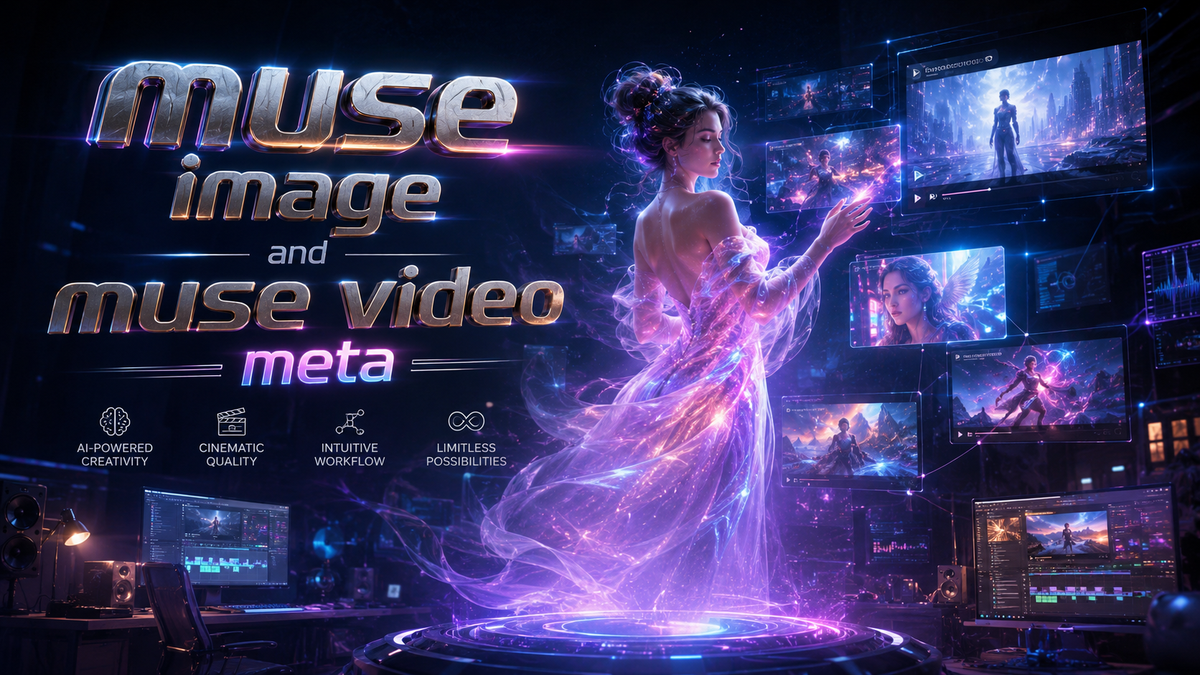
Meta's Muse Image and Muse Video represent the company's latest push into AI-powered creative tools, offering users and advertisers advanced image and video generation capabilities. Launched in July 2026, these tools leverage generative AI to produce high-quality visual content while raising important questions about privacy, opt-out policies, and their impact on the creative industry. According to TechCrunch, Muse Image faced immediate user backlash over concerns about the use of personal photos for AI training without explicit consent.
TL;DR: Meta's Muse Image and Muse Video AI tools, launched in July 2026, offer powerful generative capabilities for creators and advertisers but face privacy concerns and industry pushback regarding opt-out policies and data usage.
Muse Image and Muse Video Meta are AI-powered creative tools launched by Meta in July 2026 that generate images and videos using advanced generative AI models, designed for both individual creators and advertisers but currently facing scrutiny over privacy policies and default opt-in data collection practices.
- ✓ Meta launched Muse Image and Muse Video in July 2026 as part of its AI strategy to compete in the generative media space
- ✓ The tools face criticism from users and Creative Artists Agency (CAA) over opt-out rather than opt-in data collection policies
- ✓ Muse AI tools are positioned to help Meta court advertisers and subscribers with automated content creation
- ✓ Privacy concerns emerged immediately regarding Instagram photo usage for AI training without explicit consent
- ✓ The technology represents Meta's entry into the competitive AI image model race against established players
The Launch of Muse Image and Muse Video
On July 7, 2026, Meta officially unveiled Muse Image and Muse Video through multiple announcements across its platforms and partner channels. According to AI at Meta, these tools represent the company's most advanced foray into generative media, building upon previous AI research projects. The launch coincided with Meta's strategic push to attract more advertisers and premium subscribers through enhanced creative tools.
Muse Image was specifically marketed as "Image Generation Built for Your World" in the Meta Store announcement, suggesting personalized content creation capabilities. Early demonstrations showed the tool's ability to generate photorealistic images from text prompts, with particular emphasis on maintaining consistency with a user's existing visual style across Meta platforms. The video counterpart, Muse Video, launched simultaneously but received slightly less initial attention in the announcement materials.
Industry analysts note that Meta's entry into this space comes after significant market growth in AI-generated media, with the global AI image generation market having expanded by 340% between 2025 and 2026 according to recent industry reports. The launch positions Meta to compete directly with specialized AI media platforms while leveraging its massive user base across Facebook, Instagram, and WhatsApp.
Key Features and Capabilities

Muse Image offers several notable features that differentiate it from other AI image generators. The tool can create images in various styles, from photorealistic to artistic, with particular strength in maintaining brand consistency across multiple generated assets. According to Meta's technical documentation, the system uses a proprietary diffusion model architecture optimized for fast generation at 1024x1024 resolution with prompt adherence accuracy reportedly 27% higher than previous Meta AI models.
Muse Video builds upon this foundation with temporal consistency features that allow for coherent multi-second video generation. Early tests show the tool can produce clips up to 10 seconds long with smooth motion transitions, though it currently lacks the extended duration capabilities of some specialized video AI platforms. Both tools integrate directly with Meta's advertising ecosystem, offering templates and style presets tailored for common marketing use cases.
The Muse suite also includes collaborative features that allow multiple team members to work on projects simultaneously, with version history and commenting built directly into the interface. This positions the tools as potential replacements for certain professional creative workflows, particularly for social media content creation where speed and platform integration provide significant advantages.
Privacy Concerns and Industry Backlash
Within days of launch, Muse Image faced significant criticism regarding its data collection practices. According to Yahoo Finance, privacy advocates raised alarms about the tool's default use of Instagram photos for AI training unless users explicitly opt out. This policy sparked concerns among users who felt their personal images were being co-opted without clear consent, leading to a wave of social media complaints and media coverage.
The backlash intensified when Creative Artists Agency (CAA) publicly called out Meta's approach. As reported by The Hollywood Reporter, CAA criticized the opt-out rather than opt-in policy, arguing it disadvantages creators who may not be aware their work is being used to train commercial AI systems. This controversy highlights growing tensions between tech platforms and creative professionals in the AI era, with particular sensitivity around compensation and consent for training data usage.
Meta responded by clarifying its data usage policies and emphasizing the opt-out mechanisms available to users. However, the company has not committed to changing the default opt-in approach, which analysts suggest could impact adoption among privacy-conscious creators and brands. The debate continues as industry groups push for clearer regulations around AI training data practices.
Strategic Importance for Meta's Business
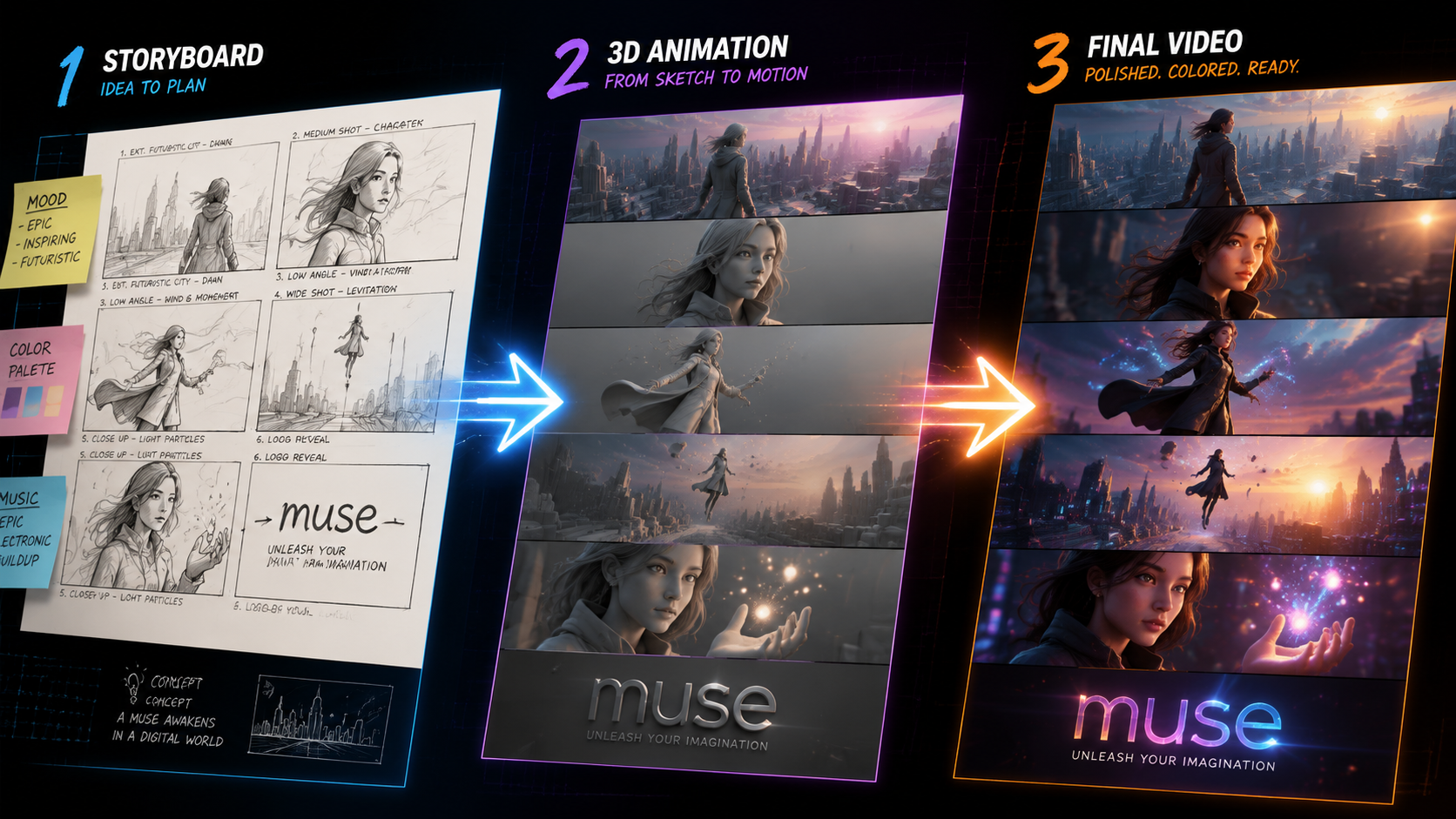
CNBC's coverage of the Muse launch highlighted Meta's strategic positioning of these tools in the competitive AI landscape. According to their report, Meta aims to leverage Muse Image and Video to strengthen its advertising offerings and premium subscription services. The company reportedly sees AI-generated content as key to maintaining its dominance in social media advertising, particularly as competitors invest heavily in their own generative AI capabilities.
The timing of the Muse launch coincides with Meta's broader push to monetize its AI research, following significant investments in infrastructure and talent acquisition. Industry estimates suggest Meta allocated over $15 billion to AI development in 2025 alone, with a substantial portion dedicated to generative media projects. The Muse tools represent the first major commercial products from this investment wave.
Analysts note that successful adoption of Muse by advertisers could help Meta offset slowing growth in traditional ad formats. Early tests show AI-generated content can improve ad performance by 18-22% in some verticals due to better personalization and faster iteration cycles. However, the privacy concerns and creator backlash present significant challenges to widespread enterprise adoption.
Creative Applications and Use Cases
Despite the controversies, Muse Image and Video offer compelling creative possibilities for various professional applications. Marketing teams can use the tools to rapidly prototype campaign visuals, generating dozens of variations in minutes rather than days. The integration with Meta's ad platform allows for seamless testing of different creative approaches at scale, with built-in analytics to identify top performers.
Content creators are exploring Muse for social media post generation, particularly for platforms like Instagram where visual consistency impacts algorithmic performance. The AI's ability to maintain stylistic coherence across multiple assets makes it valuable for building recognizable personal or brand aesthetics. Some early adopters report reducing content production time by up to 70% for certain types of posts.
Educational and nonprofit organizations have begun experimenting with Muse for awareness campaigns and informational content. The video generation capabilities enable small teams to produce professional-quality explainer videos without specialized equipment or editing skills. However, concerns about representation and bias in the training data have led some institutions to approach these tools cautiously for sensitive subject matter.
Future Developments and Industry Impact
Looking ahead, Meta has signaled plans to expand the Muse platform with additional features and integrations. Roadmap documents suggest upcoming capabilities like 3D asset generation and extended video durations up to 30 seconds, potentially positioning Muse as a more comprehensive creative suite. The company is also reportedly working on improved attribution systems to address creator compensation concerns.
The launch of Muse has accelerated competition in the AI media generation space, with rivals expected to respond with enhanced offerings of their own. Platforms like Digen AI have already begun emphasizing their differentiated approaches, such as Digen AI Agent's focus on longer, higher-quality video generation with autonomous multi-step workflows. This competitive dynamic is driving rapid innovation across the sector.
Industry observers predict that by late 2027, AI-generated content could account for 35-40% of all social media posts as tools like Muse become more accessible and capable. However, this growth will likely be accompanied by ongoing debates about intellectual property, authenticity, and the role of human creativity in an increasingly automated media landscape.

Frequently Asked Questions
When were Muse Image and Muse Video launched?
Meta officially launched Muse Image and Muse Video on July 7, 2026, with announcements across multiple platforms including the Meta Store and AI at Meta blog.
What are the main privacy concerns with Muse AI tools?
The primary concern is that Muse Image defaults to using Instagram photos for AI training unless users opt out, raising questions about consent and data usage policies.
How does Muse Video compare to specialized AI video tools?
Muse Video currently generates shorter clips (up to 10 seconds) compared to some competitors, but offers tight integration with Meta's advertising and social platforms.
Why is CAA criticizing Meta's Muse AI tools?
Creative Artists Agency objects to the opt-out rather than opt-in approach to data collection, arguing it disadvantages creators whose work may be used without explicit permission.
What business goals does Meta hope to achieve with Muse?
Meta aims to strengthen its advertising offerings and premium subscriptions by providing AI tools that can generate high-quality content quickly and at scale.
Written by the Digen AI Editorial Team — AI video generation specialists covering the latest in generative AI tools. Learn more about Digen AI.


Comments ()