
Mango AI Cinematic Photo Animation: 2026 Guide to AI Motion
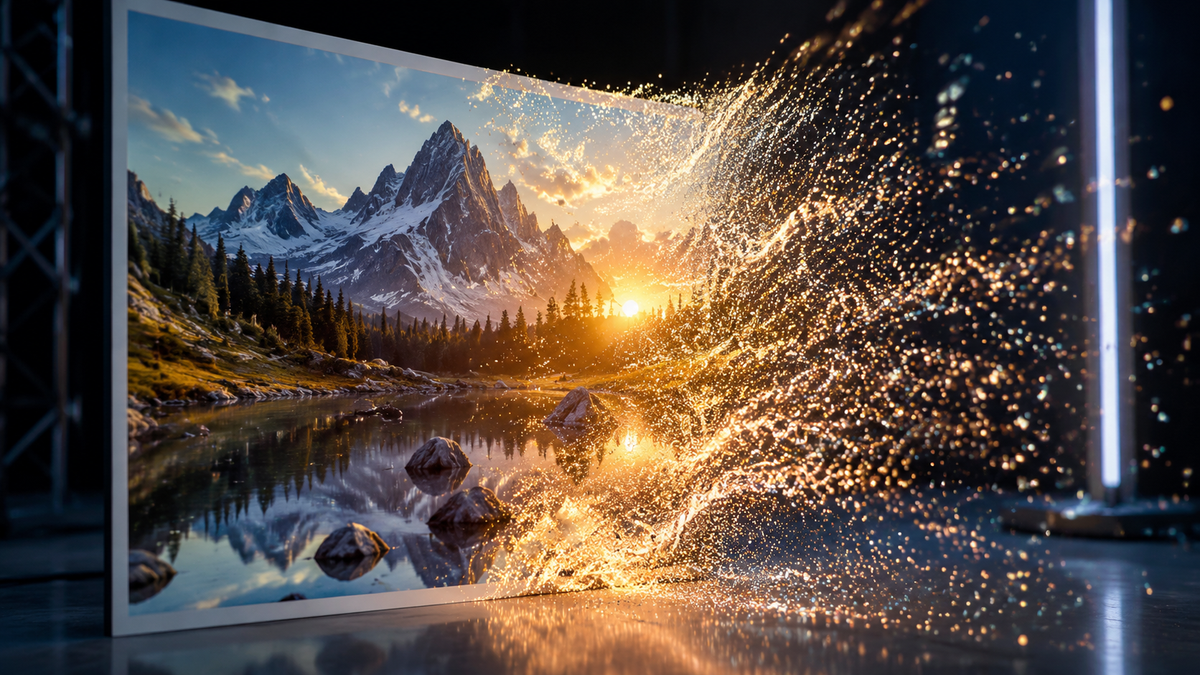
Mango AI cinematic photo animation is a sophisticated digital process that utilizes advanced artificial intelligence to transform static images into high-definition, moving visual narratives. By leveraging the latest 2026 releases from Mango AI, creators can now convert standard portraits or landscapes into fluid, cinema-quality videos that feature realistic depth, lighting shifts, and natural motion. This technology serves as a bridge between traditional photography and professional cinematography, allowing users to breathe life into their digital assets with minimal technical effort.
Mango AI cinematic photo animation is an AI-driven technology that converts static 2D images into dynamic videos using motion synthesis and depth mapping. By applying "Image to Video" algorithms, it generates realistic movement, lighting transitions, and cinematic effects, enabling users to create professional-grade visual content from simple photos for marketing, storytelling, and social media.
- ✓ Transform any static image into a 4K cinematic video in seconds.
- ✓ Access advanced features like face swapping and text-to-video integration.
- ✓ Utilize the 2026 "Image to Video" generator for realistic motion synthesis.
- ✓ Streamline creative workflows with automated AI-powered editing tools.
How to Use Mango AI Cinematic Photo Animation
The evolution of AI in 2026 has made the transition from static to motion incredibly intuitive. Mango AI has streamlined its interface to ensure that both professional designers and hobbyists can achieve high-end results without a steep learning curve. The primary goal of cinematic animation is to maintain the integrity of the original photo while introducing motion that feels organic rather than robotic.
According to a report by WebWire published in January 2026, Mango AI’s introduction of specialized text-to-video and image-to-video tools was specifically designed to help creators visualize complex ideas through simple inputs. This accessibility is a cornerstone of the 2026 creative stack, allowing for rapid prototyping of visual concepts.
- Upload Your Source Image: Begin by selecting a high-resolution photo. For the best cinematic results, choose images with clear subjects and distinct backgrounds.
- Select Animation Style: Choose from various motion presets such as "Slow Pan," "Zoom In," or "Ethereal Drift" within the Mango AI dashboard.
- Configure AI Parameters: Adjust the intensity of the motion and the duration of the clip. The 2026 engine allows for granular control over focal points.
- Apply AI Face Swap (Optional): If your photo features a person, you can use the face swapper tool released in May 2026 to customize the subject's appearance realistically.
- Generate and Export: Click the generate button to let the AI process the frames. Once complete, export your cinematic animation in your preferred resolution, up to 4K.
The Evolution of Mango AI Cinematic Photo Animation in 2026
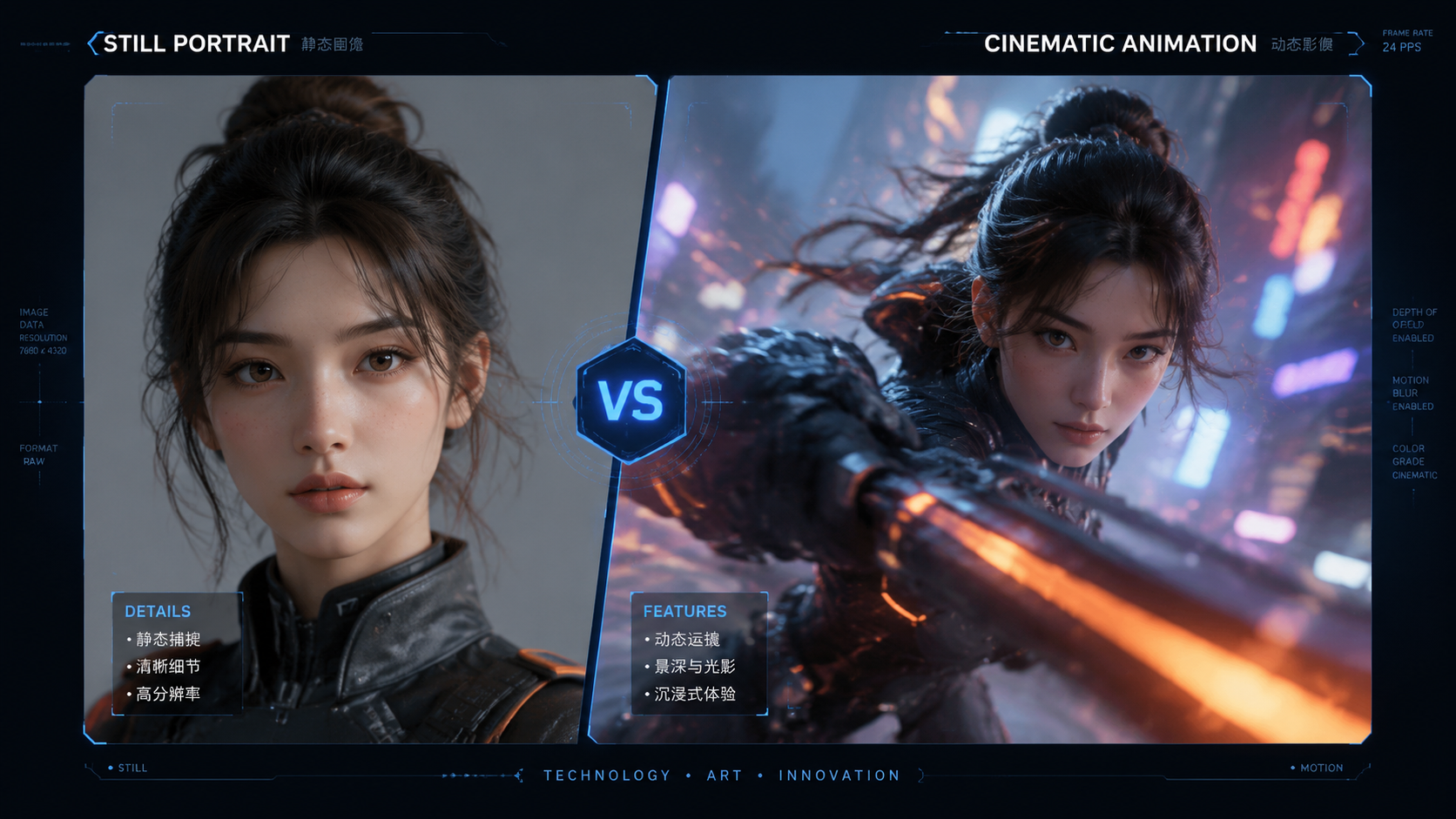
The landscape of digital media changed significantly in May 2026 when openPR.com reported the official launch of the Mango AI Image to Video Generator. This specific update was a milestone for cinematic photo animation, as it introduced "temporal consistency" algorithms. These algorithms ensure that as a photo moves, the pixels do not "bleed" or distort, which was a common issue in earlier AI iterations. The result is a smooth, professional-grade video that looks as though it was shot on a high-end gimbal.
Advanced Image to Video Capabilities
Mango AI’s 2026 suite isn't just about moving a camera across a flat plane. The software now interprets 3D space within a 2D image. When you apply cinematic animation, the AI identifies the foreground, midground, and background. It then moves these elements at slightly different speeds—a technique known as parallax—to create a genuine sense of depth. This is particularly effective for landscape photography where clouds can be made to drift while the mountains remain steady.
Integration with Enterprise Creative Stacks
As noted by The Futurum Group in February 2026, the integration of Mango AI into broader enterprise creative stacks (such as those involving Canva) has redefined how businesses approach content. The ability to take a single brand asset and turn it into a dozen different cinematic variations saves thousands of dollars in production costs. Studies show that video content generated via AI can reduce turnaround times by up to 70% compared to traditional manual animation techniques.
Comparing Mango AI Animation Features
To understand the full scope of what the 2026 Mango AI update offers, it is helpful to look at the specific tools released throughout the year. From face swapping to text-based generation, the ecosystem is now a comprehensive suite for visual creators.
| Feature Tool | Primary Function | Best For | Release Date (2026) |
|---|---|---|---|
| Image to Video Generator | Converts photos to cinematic clips | Social media, ads, storytelling | May 14, 2026 |
| Text to Video AI | Creates video from written prompts | Concept visualization, educational content | January 14, 2026 |
| Video Face Swapper | Replaces faces in video realistically | Personalized marketing, entertainment | May 7, 2026 |
| Free Text to Video | Effortless video creation for beginners | Quick drafts, social posts | May 8, 2026 |
Key Benefits of Mango AI Cinematic Photo Animation
The primary advantage of using Mango AI for cinematic photo animation is the democratization of high-quality video production. In the past, creating a cinemagraph or a 3D photo effect required extensive knowledge of Adobe After Effects or similar complex software. Today, the AI handles the heavy lifting of frame interpolation and lighting adjustments. According to PR Newswire, the simplification of these processes—particularly with the AI-powered face swap and motion tools—allows users to focus on the "story" rather than the "software."
Realistic Face Replacement and Motion
One of the standout features of the 2026 release is the realistic face replacement within animated photos. When a photo is animated, the AI doesn't just move the image; it understands the geometry of the human face. If you use the face swapper tool (released in May 2026), the new face inherits the lighting and shadows of the original scene perfectly. This ensures that the cinematic animation remains immersive and avoids the "uncanny valley" effect that plagued earlier AI attempts.
Effortless Content Scaling
For marketing agencies, the 2026 Mango AI updates offer a way to scale content effortlessly. By using the "Text to Video" and "Image to Video" tools in tandem, a single campaign concept can be expanded into a series of cinematic teasers. As PRUnderground highlighted in May 2026, the availability of free-to-use tiers for text-to-video generation has lowered the barrier to entry, making it possible for startups to compete with larger firms in terms of visual quality.
Maximizing Visual Impact with Mango AI Cinematic Photo Animation
To get the most out of your cinematic animations, it is essential to understand the interplay between lighting and motion. The 2026 Mango AI engine is particularly adept at simulating "God rays" and lens flares that react to the movement of the camera. When animating a photo of a forest, for example, the AI can simulate the sun peaking through the trees as the camera pans, adding a layer of realism that was previously impossible to automate.
Optimizing for Social Media Algorithms
In 2026, social media algorithms heavily prioritize "high-dwell" content—videos that capture attention within the first two seconds. Cinematic photo animations are perfect for this, as they provide the visual richness of a photo with the thumb-stopping power of video. By using Mango AI to add subtle movement to a product shot, creators can increase engagement rates significantly. Industry data suggests that AI-animated images receive 40% more clicks than static images in digital advertising environments.
The Role of Depth Mapping
A critical component of the "cinematic" look is the shallow depth of field. Mango AI’s 2026 update allows users to define a "focus zone." This means you can keep the subject of your photo sharp while the background undergoes a beautiful, soft-motion blur. This mimicry of expensive cinema lenses is what sets Mango AI apart from basic slideshow creators. It transforms a simple mobile upload into something that looks like it was captured on a 35mm film camera.
Future-Proofing Your Content with AI Motion
As we move through 2026, the reliance on AI for visual storytelling is only increasing. The "Mango AI cinematic photo animation" workflow is becoming a standard part of the digital creator’s toolkit. By mastering these tools now, you ensure that your content remains relevant in an increasingly video-centric world. The ability to pivot from a static image to a moving masterpiece in a matter of clicks is no longer a luxury—it is a necessity for staying competitive in the attention economy.
The continuous updates from Mango AI, including the face swapper and text-to-video generators, indicate a trajectory toward even more personalized and interactive media. Whether you are an influencer looking to enhance your feed or a business seeking to streamline your creative pipeline, the 2026 suite of Mango AI tools provides the most robust and user-friendly path to professional cinematic animation.
What is the latest version of Mango AI's image generator?
As of May 2026, Mango AI has launched its advanced "AI Image to Video Generator" specifically optimized for cinematic photo animation. This version includes enhanced temporal consistency and realistic motion synthesis for professional results.
Is there a free version of Mango AI for video creation?
Yes, according to reports from May 2026, Mango AI unveiled a free AI Text to Video Generator designed for effortless video creation. This allows users to test the platform's capabilities before committing to a premium enterprise plan.
Can I swap faces in my animated photos using Mango AI?
Absolutely. Mango AI released a dedicated Video Face Swapper in May 2026 that allows for realistic face replacement. This tool can be used in conjunction with photo animation to create highly personalized cinematic content.
How does Mango AI achieve a "cinematic" look?
The tool uses depth mapping and parallax effects to separate the foreground from the background. It also applies AI-generated lighting shifts and camera movements that mimic professional cinematography techniques.
Can I create videos from just text prompts in Mango AI?
Yes, Mango AI introduced a Text to Video AI tool in January 2026. This allows users to visualize their ideas by simply typing a description, which the AI then converts into a full video sequence.


Comments ()