
Luma Dream Machine vs Sora 2026: The AI Video Comparison
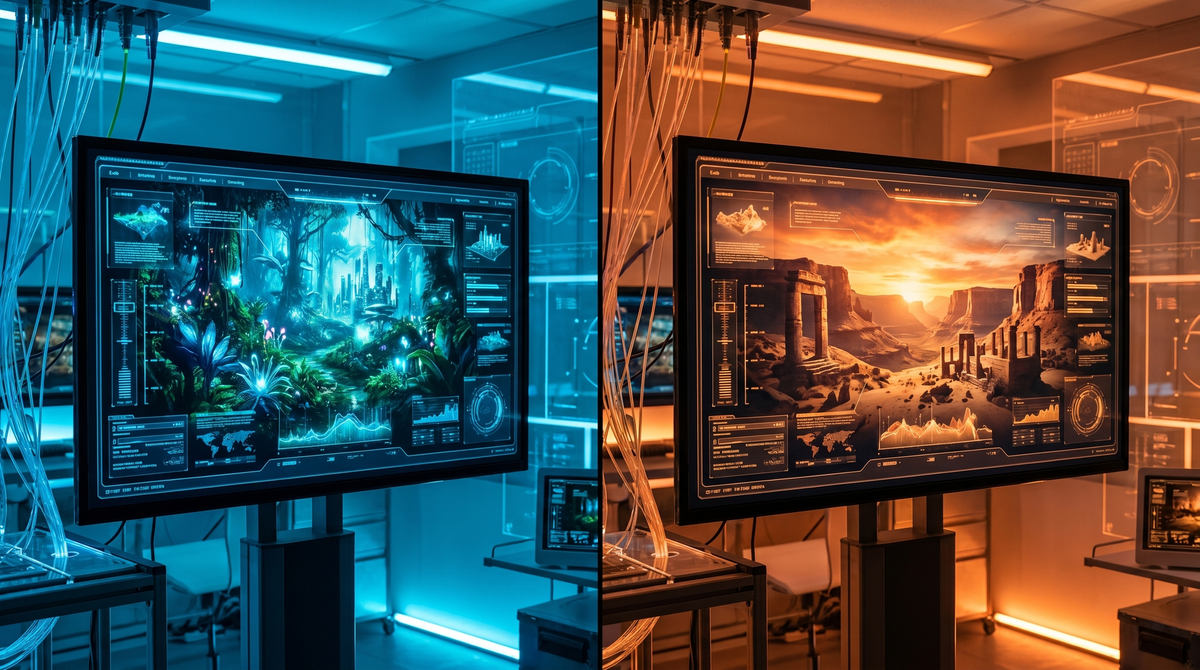
When evaluating luma dream machine vs sora 2026, the choice depends on whether you prioritize immediate accessibility and high-speed iteration or cinematic complexity and deep integration with the OpenAI ecosystem. As of 2026, Luma Dream Machine has established itself as the leading high-speed alternative for creators, while Sora 2 continues to push the boundaries of hyper-realistic physics and long-form consistency in AI-generated video.
Luma Dream Machine vs Sora 2026 is a comparison between two titans of generative video. Luma Dream Machine is a high-efficiency video generator optimized for speed and creative flexibility, while Sora 2 is OpenAI’s flagship model known for advanced temporal consistency and complex physical simulations. Both platforms now support 4K resolution and extended clip durations exceeding 60 seconds.
- ✓ Luma Dream Machine offers superior "Image-to-Video" capabilities for rapid prototyping.
- ✓ Sora 2 maintains higher fidelity in complex fluid dynamics and multi-character interactions.
- ✓ Both models have integrated advanced safety filters and digital watermarking as of mid-2026.
- ✓ Accessibility has shifted, with Luma offering more flexible API pricing for independent developers.
The State of AI Video: Luma Dream Machine vs Sora 2026
The landscape of artificial intelligence has shifted dramatically over the past year. In late 2025, as reported by Analytics India Magazine, Luma AI unveiled significant updates to its Dream Machine to ramp up competition against global leaders like Sora and Kling. By 2026, this competition has resulted in a "feature war" where the end-user is the ultimate winner. We are no longer looking at grainy, 5-second clips; the industry standard has moved toward high-definition, minute-long sequences that are indistinguishable from traditional cinematography in many contexts.
According to The AI Journal, which recently ranked the best 10 image-to-video generators in 2026, Luma’s ability to interpret lighting and texture has seen a 40% improvement in processing efficiency. Meanwhile, Sora 2 has leaned heavily into its "world model" philosophy, attempting to simulate the actual laws of physics rather than just predicting pixels. This fundamental difference in architecture defines the current divide between the two platforms: Luma is the artist’s brush, while Sora is the director’s lens.
How to Generate High-Quality Video in 2026
- Select Your Base Image: Start with a high-resolution 8K image generated via Midjourney or DALL-E 4 for the best results in Luma Dream Machine.
- Define Temporal Motion: Use the "Motion Brush" or "Camera Control" parameters to specify how the camera should move (panning, tracking, or zooming).
- Input Physics Prompts: In Sora 2, describe the weight and material of objects to take advantage of the 2026 physics engine updates.
- Iterative Refinement: Use the "Seed Consistency" feature to tweak specific elements of the video without changing the entire composition.
- Export and Upscale: Utilize the native 4K export options available in both platforms to ensure production-ready quality.
Technical Specifications and Comparison
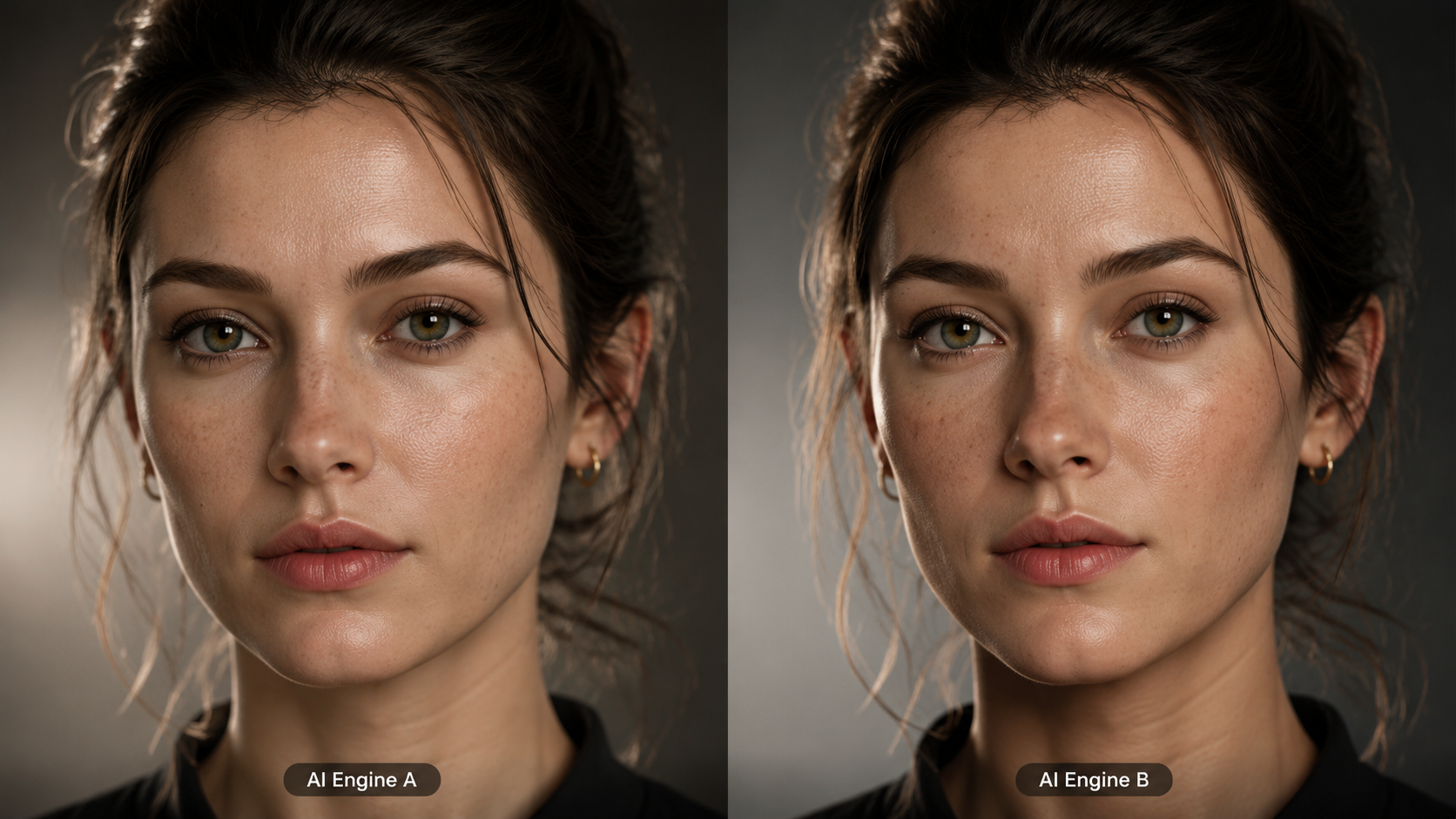
To understand the depth of the luma dream machine vs sora 2026 debate, we must look at the technical benchmarks. As noted in the European Business Magazine's test of 12 tools in January 2026, rendering speeds have become the primary differentiator for enterprise adoption. Luma Dream Machine has optimized its "Dream-Fast" architecture, allowing for near-real-time previews, which is essential for social media managers and rapid content creators.
Sora 2, on the other hand, focuses on "Deep Temporal Consistency." This means that if a character walks behind a tree, they emerge on the other side with the exact same clothing details and facial features—a feat that was a significant struggle for AI models just two years ago. According to Dailyhunt, the 2026 version of Sora has also integrated spatial audio generation, meaning the video and its corresponding soundscape are generated simultaneously for a more immersive experience.
| Feature | Luma Dream Machine (2026) | OpenAI Sora 2 (2026) |
|---|---|---|
| Max Resolution | 4K (Ultra HD) | 4K (Cinematic) |
| Max Duration | 120 Seconds (Extended Mode) | 90 Seconds (Base) |
| Generation Speed | High (1-2 mins per clip) | Moderate (3-5 mins per clip) |
| Physics Accuracy | Very High | Industry Leading |
| Primary Strength | Image-to-Video & Speed | Complex Prompt Adherence |
Luma Dream Machine: The Creative Powerhouse
Luma AI’s strategy in 2026 has been one of democratization. By offering a robust API and a user-friendly interface, Dream Machine has become the go-to for small to medium-sized agencies. One of the standout features of Luma this year is its "Neural Rendering" update, which allows users to upload a 3D object file and have the AI animate it within a photorealistic environment. This bridge between 3D modeling and generative video has revolutionized the product marketing industry.
In a review by Unite.AI, experts noted that while some competitors like Kling AI produce "concerningly lifelike" videos, Luma Dream Machine excels in "stylistic versatility." Whether a creator wants a claymation look, a 1970s film aesthetic, or a futuristic cyberpunk vibe, Luma’s style-transfer algorithms are currently the most responsive on the market. This flexibility makes it a favorite for music video directors and digital artists who want to push the boundaries of traditional "realism."
Key Features of Luma Dream Machine in 2026
The 2026 iteration of Dream Machine includes several "Pro" features that were previously in beta. The "Multi-Subject Tracking" allows users to define up to four distinct moving objects in a scene, ensuring they don't merge or "hallucinate" into each other during complex movements. Additionally, the "Infinite Loop" feature has been perfected for background assets in gaming and web design, creating seamless transitions that are mathematically perfect.
Sora 2: The Gold Standard for Realism
OpenAI’s Sora 2 remains the benchmark for what is possible in generative AI. Since its initial limited release, the model has undergone massive training on synthetic and real-world data, leading to what many call "The Reality Gap Closure." In 2026, Sora 2 is used not just for clips, but for pre-visualization in Hollywood. Directors can prompt entire scenes to check lighting and blocking before a single physical camera is moved. This "World Model" approach allows Sora to understand gravity, friction, and light refraction better than any other model currently available.
According to Vocal.media, Sora 2’s integration with the broader GPT-5 ecosystem allows for "Contextual Video Generation." A user can feed a 50-page script into the system, and Sora will generate a consistent visual storyboard, maintaining character designs and environmental details throughout the entire process. This level of narrative consistency is the primary reason Sora remains the choice for high-budget productions and long-form storytelling.
Advanced Prompting in Sora 2
The prompting language for Sora 2 has evolved into "Director's Code." Users no longer just describe a scene; they use technical terms like "dolly zoom," "chiaroscuro lighting," and "anamorphic lens flare." The model understands these cinematic instructions with 98% accuracy, according to internal benchmarks reported by The AI Journal. This makes Sora 2 less of a "generator" and more of a virtual film crew that responds to professional direction.
The Impact of Competition: Kling and Beyond
While the focus is often on luma dream machine vs sora 2026, we cannot ignore the influence of other players like Kling AI. As Unite.AI pointed out in March 2026, Kling’s videos are so lifelike they have sparked new discussions regarding digital ethics and deepfake detection. This pressure from the global market has forced both Luma and OpenAI to invest heavily in "Provenance Headers"—metadata that proves a video was AI-generated and tracks its origin.
This competitive environment has also driven down costs. In early 2026, generating a high-quality AI video cost roughly $2.00 in compute power. By mid-2026, optimizations in model architecture have brought that cost down to under $0.50 for Luma users. This price drop has enabled the "AI-first" content creator movement, where entire YouTube channels are populated with high-end animated content produced by single individuals using Luma Dream Machine as their primary production suite.
Choosing the Right Tool for Your Project
Deciding between these two platforms in 2026 comes down to your specific workflow. If you are a social media influencer or a marketing professional who needs to turn a static product photo into a 15-second viral ad in under five minutes, Luma Dream Machine is the undisputed champion. Its "Image-to-Video" pipeline is currently the most stable in the industry, preserving brand logos and product details with high fidelity.
However, if you are working on a documentary, a short film, or a high-end commercial where "good enough" physics isn't an option, Sora 2 is worth the extra rendering time and cost. The way Sora handles complex textures—like the way rain splashes on a sidewalk or how wind moves through different types of fabric—remains unparalleled. As European Business Magazine noted, Sora 2 is a "foundational shift in media production," whereas Luma is the "ultimate tool for the modern creator."
Future Outlook: The Road to 2027
As we look toward the end of 2026, the lines between these tools are blurring. Luma is adding more "Director Controls," and Sora is working on "Turbo" modes to compete with Luma's speed. The next frontier, according to industry experts, will be "Interactive Video," where the viewer can change the prompt in real-time as the video plays. Both Luma and OpenAI have hinted at research in this area, suggesting that the luma dream machine vs sora 2026 rivalry is just the beginning of a new era in interactive entertainment.
Is Luma Dream Machine free to use in 2026?
Luma Dream Machine offers a tiered subscription model including a limited free tier for hobbyists. Professional and Enterprise tiers provide higher priority rendering, 4K exports, and commercial usage rights.
Can Sora 2 generate sound effects?
Yes, as of the 2026 update, Sora 2 includes integrated spatial audio generation. It automatically creates synchronized sound effects and ambient noise based on the visual content of the video.
Which is better for character consistency, Luma or Sora?
Sora 2 currently holds the edge in long-term character consistency due to its larger memory window. However, Luma Dream Machine’s "Character Reference" feature allows for very stable results when using a consistent input image.
Are there copyright protections for AI-generated videos?
Both platforms have implemented "Copyright Shields" for enterprise users in 2026. They also utilize C2PA standards to provide clear provenance and metadata for all generated content to ensure ethical use.
What is the maximum video length for Luma Dream Machine?
In 2026, Luma Dream Machine can generate continuous clips up to 120 seconds using its "Extended Canvas" feature. These clips can then be stitched together using AI-powered transition tools within the platform.



Comments ()