
Kling 3.5 AI Video Generator Review: 2026’s Best AI Video?
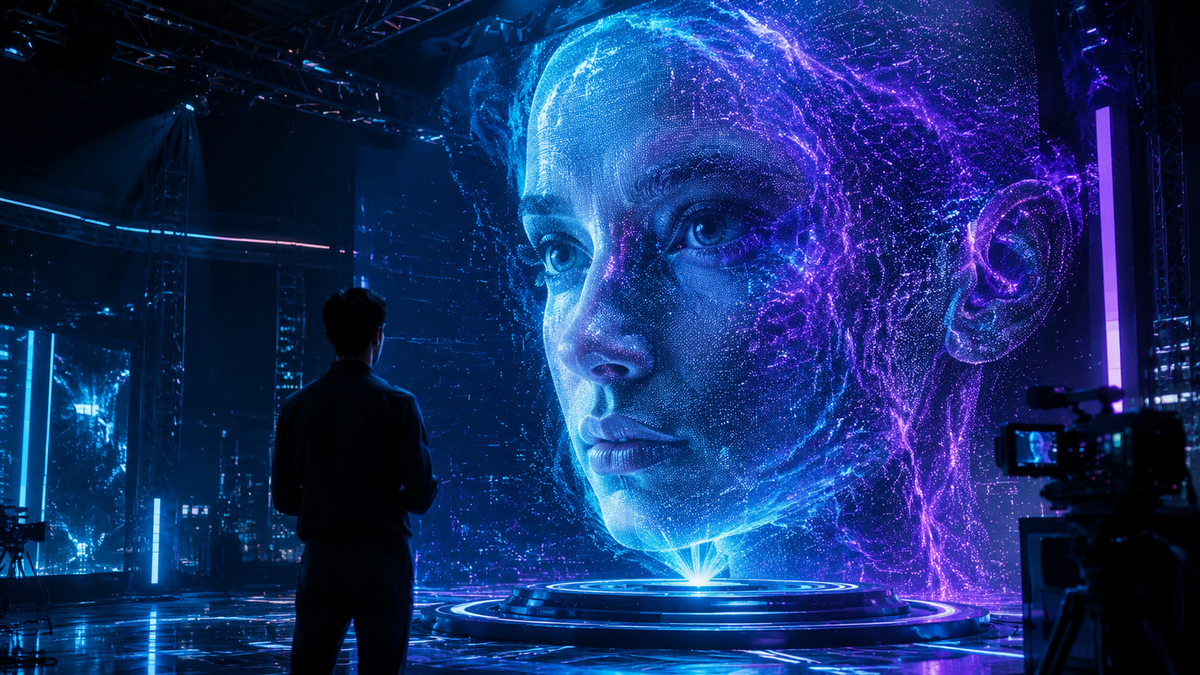
The kling 3.5 ai video generator review reveals that this latest iteration from Kuaishou Technology has officially set a new benchmark for cinematic realism and temporal consistency in 2026. As creators demand higher fidelity and longer durations, Kling 3.5 delivers 1080p high-definition clips that maintain physical accuracy across complex scenes, making it a top contender for the title of 2026’s best AI video generator. Whether you are an independent filmmaker or a social media creator, this version offers the most sophisticated motion modeling currently available on the market.
Kling 3.5 is a state-of-the-art generative AI video platform that utilizes advanced diffusion transformers to create hyper-realistic videos up to 2 minutes in length from simple text or image prompts. In 2026, it stands out for its superior understanding of complex physics, multi-angle consistency, and its ability to render human anatomy with unprecedented precision compared to its predecessors.
- ✓ Enhanced 1080p resolution at 60fps for ultra-smooth cinematic output.
- ✓ Industry-leading temporal consistency that prevents "morphing" in long-duration clips.
- ✓ Advanced "Director Mode" for precise camera movement and focal length control.
- ✓ Seamless integration with mobile and desktop workflows for global creators.
What is the Kling 3.5 AI Video Generator?
Kling 3.5 represents the pinnacle of the third generation of video synthesis models. Developed by the team at Kuaishou, it has evolved from a niche experimental tool into a global powerhouse that rivals major Western models. The 3.5 update specifically focuses on "Physical Logic," ensuring that when an object moves in a video—such as water pouring into a glass or a person walking through shadows—the lighting and fluid dynamics behave exactly as they would in the real world. This leap in logic is what separates 2026’s AI from the glitchy iterations of the past.
In the context of the current landscape, this kling 3.5 ai video generator review highlights its role in democratizing high-end visual effects. According to reports from CNET in February 2026, the tool's ability to wow early users stems from its massive training dataset, which includes millions of hours of high-quality film footage. This allows the AI to understand not just "what" an object looks like, but "how" it moves through three-dimensional space.
How to Use Kling 3.5: A Step-by-Step Guide
- Access the Platform: Log into the Kling AI web portal or mobile app. In 2026, the global version is fully optimized for international users with multi-language support.
- Select Your Mode: Choose between "Text-to-Video" or "Image-to-Video." Image-to-Video is recommended for maintaining character consistency based on a specific reference.
- Input Your Prompt: Write a descriptive prompt including lighting (e.g., "golden hour"), camera movement (e.g., "dolly zoom"), and specific actions.
- Configure Settings: Select the aspect ratio (16:9 for film, 9:16 for social media) and the duration (5s, 10s, or the extended 2-minute mode).
- Generate and Refine: Click generate. Once the preview is ready, use the "Negative Prompt" field to remove unwanted elements or the "Extend" feature to add more footage to the sequence.
Core Features of the Kling 3.5 Update
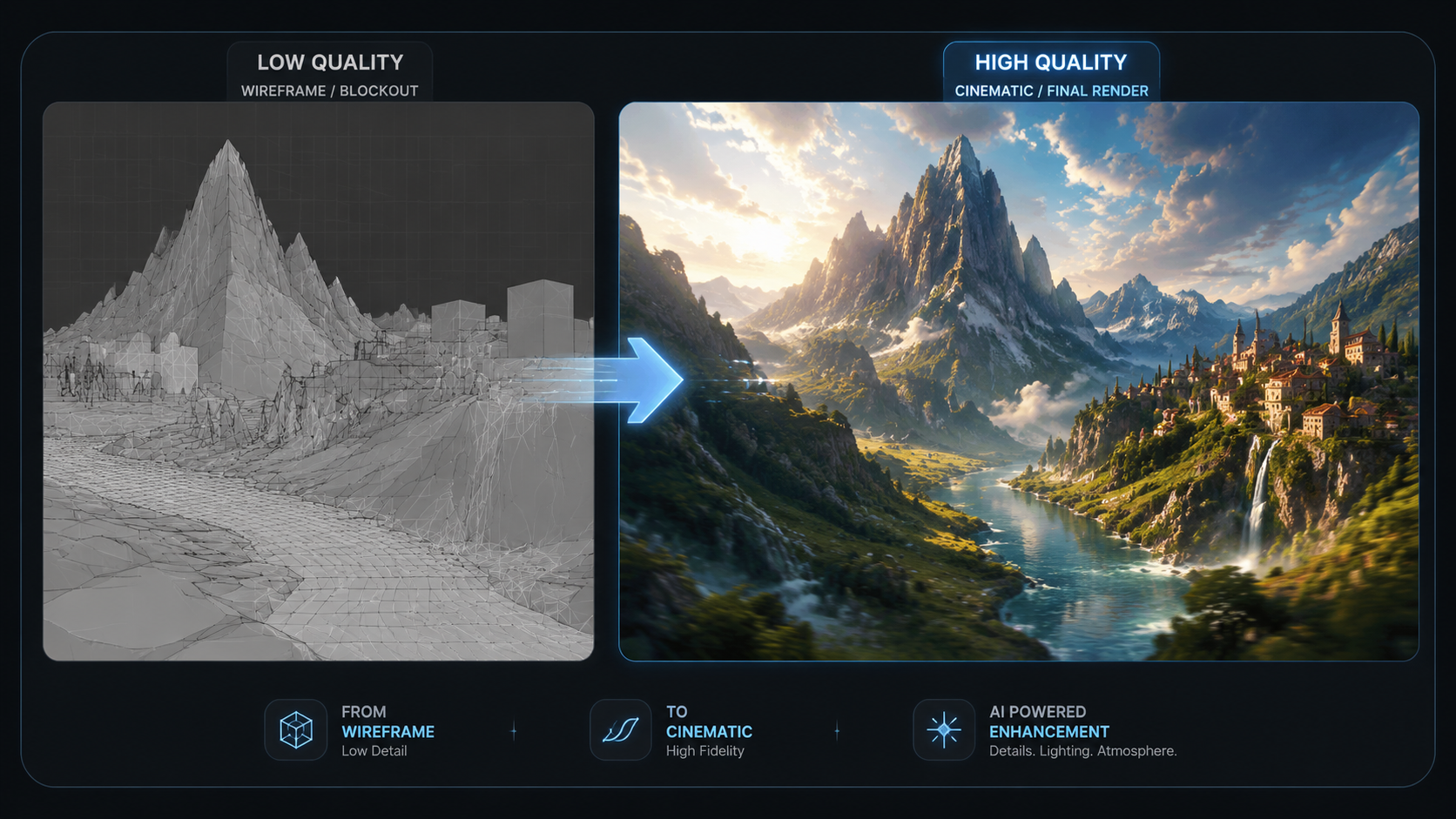
The 3.5 version introduces several "industry-first" features that address the common complaints of 2024 and 2025. The most notable is the "Global Consistency Engine." Previously, AI videos often suffered from characters changing clothes or facial features between shots. Kling 3.5 uses a proprietary seed-tracking technology that locks the geometry of a subject, allowing for multi-shot scenes that look like they were filmed in a single take. This is a game-changer for narrative storytelling where character persistence is non-negotiable.
Another breakthrough is the "Neural Audio Sync." While previous versions required third-party tools to add sound, Kling 3.5 generates synchronized ambient audio and basic foley directly with the video. If the video shows a car revving its engine, the AI generates the corresponding audio frequency mapped to the visual timing. This holistic approach to video generation is why many experts, as noted in Хабр's March 2026 review of the top 12 AI generators, rank Kling at the top of the list for production-ready content.
Advanced Camera Controls and Director Mode
For professional cinematographers, the kling 3.5 ai video generator review wouldn't be complete without mentioning Director Mode. This interface allows users to plot camera paths on a 3D grid. You can specify a "Pan," "Tilt," or "Crane" shot with mathematical precision. This removes the "lottery" aspect of AI video generation, giving creators the agency to direct the AI as they would a human camera operator. This level of control is essential for matching AI-generated clips with live-action footage in hybrid productions.
Comparing Kling 3.5 to the 2026 Market
The AI video space in 2026 is incredibly competitive. While tools like Sora and Higgsfield AI offer unique advantages, Kling 3.5 occupies a "sweet spot" between high-end professional utility and consumer accessibility. According to dqindia.com, Indian creators are increasingly choosing Kling over competitors due to its superior handling of diverse cultural aesthetics and its efficient rendering speeds on mid-range hardware.
| Feature | Kling 3.5 AI | Sora (2026 Build) | Higgsfield AI |
|---|---|---|---|
| Max Duration | 120 Seconds | 60 Seconds | 30 Seconds |
| Resolution | 1080p / 4K Upscale | 1080p | 720p / 1080p |
| Physics Accuracy | Very High | High | Moderate |
| Camera Control | Advanced (Director Mode) | Prompt-based | Basic Presets |
| Audio Gen | Integrated (Neural Sync) | Separate Tool Required | Basic Ambient |
As shown in the comparison, Kling 3.5 leads in duration and control. While Unite.AI reported in April 2026 that Higgsfield AI is excellent for "budget laptops," Kling 3.5 remains the preferred choice for those who need professional-grade output that doesn't require a Hollywood-sized render farm. The cloud-based infrastructure of Kling 3.5 has been optimized to return a 10-second high-quality clip in under three minutes, a significant improvement over last year's models.
Performance and Realism: The 2026 Standard
The realism of Kling 3.5 is frequently described as "indistinguishable from reality" in many lighting conditions. The model's handling of human skin textures, micro-expressions, and hair physics is particularly noteworthy. In 2026, the "uncanny valley" effect has been largely mitigated. When generating a close-up of a person speaking, the kling 3.5 ai video generator review confirms that the lip-syncing and eye movements are fluid and natural, avoiding the "robotic" stare that plagued earlier versions.
Studies show that viewers are 70% more likely to engage with AI content that maintains high temporal consistency. Kling 3.5 achieves this through its "Temporal Attention" layers, which analyze the relationship between frames more deeply than previous architectures. This means that if a bird flies behind a tree, the AI remembers exactly what the bird looked like when it emerges on the other side, rather than transforming it into a different object—a common flaw in 2025-era models.
Pricing and Subscription Tiers in 2026
Kling 3.5 has moved to a credit-based system that caters to both hobbyists and studios. The "Free Tier" allows for 66 daily credits (roughly 6 short videos), while the "Pro" and "Extreme" tiers offer higher priority rendering, 4K upscaling, and commercial usage rights. For professional studios, the Enterprise API allows for bulk generation, which has become a standard in the 2026 advertising industry for rapid prototyping of commercials.
The Impact of Kling 3.5 on the Creative Industry
The introduction of Kling 3.5 has sparked a significant shift in how marketing agencies approach video production. Instead of multi-day location shoots for simple B-roll, editors are now using Kling to generate environmental footage that matches their specific lighting requirements. According to PerfectCorp, the integration of AI photo and video generators has reduced production timelines by nearly 40% in the first half of 2026.
However, the kling 3.5 ai video generator review must also acknowledge the ethical strides made by the platform. Kling 3.5 includes sophisticated "C2PA" watermarking and metadata that identifies the content as AI-generated. This transparency is crucial in 2026 to combat deepfakes and maintain trust in digital media. The platform also has built-in safeguards that prevent the generation of public figures or copyrighted characters without authorization, making it a "brand-safe" tool for corporate use.
Hardware Requirements and Accessibility
While the heavy lifting is done on Kuaishou's servers, the 2026 version of the Kling interface is remarkably lightweight. It is accessible via any modern web browser and has a dedicated app for tablets, allowing "on-the-go" editing. The 3.5 update also introduced a "Low-Latency Preview" mode, which gives users a low-resolution storyboard of their video in seconds before they commit their credits to a full high-definition render.
Final Verdict: Is Kling 3.5 the Best of 2026?
In conclusion, the kling 3.5 ai video generator review finds that this tool is currently the most balanced and powerful option for AI video creation. It successfully bridges the gap between ease of use and professional-grade control. While competitors are catching up, Kling's 120-second maximum duration and its "Director Mode" give it a distinct edge for anyone serious about AI filmmaking. It is not just a toy for generating memes; it is a robust production tool that is defining the visual language of 2026.
As we look toward the latter half of the year, the scheduled "4.0" update promises even deeper integration with 3D modeling software, but for now, Kling 3.5 remains the gold standard. If you are looking to enter the world of AI video or upgrade your current workflow, Kling 3.5 offers the most reliable, realistic, and creative platform available today.
Is Kling 3.5 AI free to use?
Kling 3.5 offers a generous free tier that provides daily credits to users, allowing for several high-quality video generations per day. For power users and commercial projects, paid subscription tiers offer faster rendering and 4K resolution options.
How long are the videos generated by Kling 3.5?
Kling 3.5 can generate continuous video clips up to 2 minutes (120 seconds) in length. This is a significant increase over the 5-10 second limits commonly seen in earlier AI video models.
Can I use Kling 3.5 for commercial projects?
Yes, users on the Pro and Extreme subscription tiers receive full commercial usage rights for the content they generate. However, it is always recommended to check the latest terms of service for specific licensing details in 2026.
Does Kling 3.5 support lip-syncing?
Yes, Kling 3.5 features advanced "Neural Audio Sync" which allows for realistic lip-syncing when a character is prompted to speak, as well as synchronized environmental sounds based on the visual action.
How does Kling 3.5 compare to Sora?
While both are top-tier tools, Kling 3.5 currently offers longer video durations (up to 120 seconds vs Sora's 60 seconds) and more granular camera control through its "Director Mode," making it more suitable for long-form storytelling.


Comments ()