
Invideo vs HeyGen Review 2026: The Ultimate AI Video King?
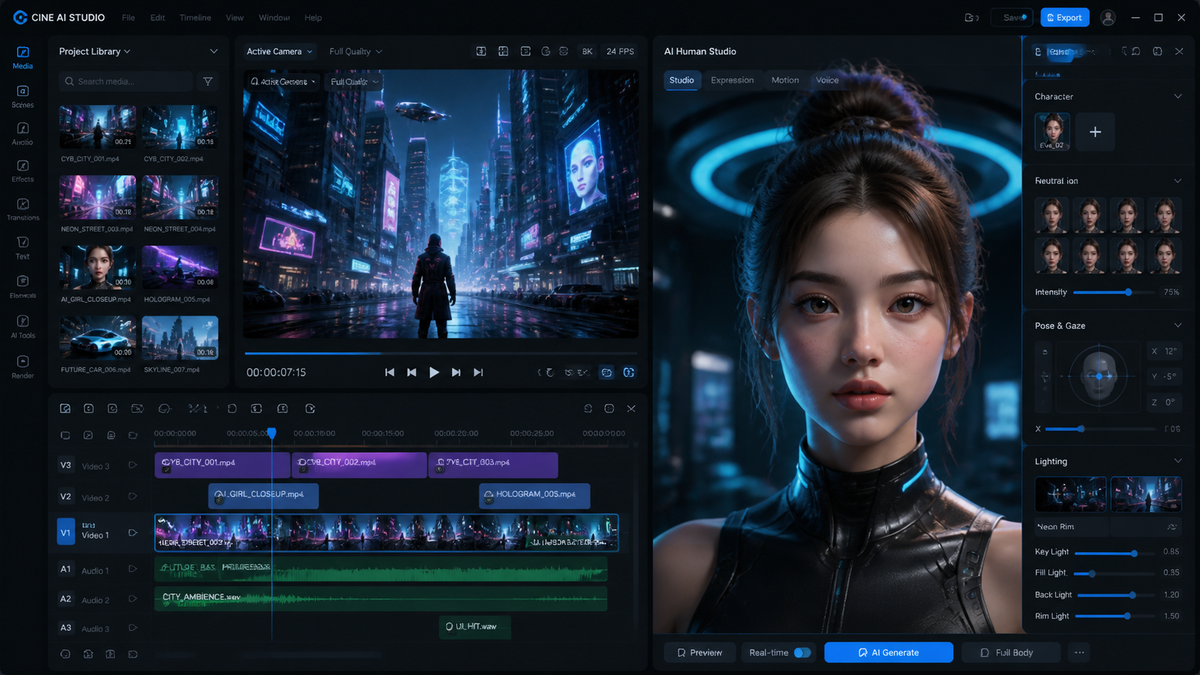
Choosing between Invideo and HeyGen in 2026 depends entirely on whether you need a comprehensive AI-driven video editor or a hyper-realistic digital twin for presentations. In this invideo vs heygen review 2026, the consensus is that Invideo AI excels at generating full-length YouTube and social media content from text prompts, while HeyGen remains the industry leader for AI avatars and high-end corporate communication. Both platforms have evolved significantly this year, integrating multimodal LLMs to make professional video production accessible to everyone.
Invideo AI is a generative video platform that transforms text prompts into complete videos with stock footage, scripts, and voiceovers. HeyGen is a specialized AI avatar generator focused on creating photorealistic digital twins and video translations. For content creators, Invideo is the superior choice, whereas for sales and training, HeyGen is the gold standard.
- ✓ Invideo AI dominates the 2026 market for automated social media and YouTube content creation.
- ✓ HeyGen maintains the lead in photorealistic AI talking heads and instant video translation.
- ✓ According to recent industry reports from Cybernews, both tools now feature real-time voice cloning.
- ✓ Pricing for both platforms has shifted toward credit-based models to accommodate high-compute generative tasks.
Understanding the 2026 AI Video Landscape
As we navigate through 2026, the AI video generation market has reached a point of maturity where "quality" is no longer the differentiator—workflow integration is. According to Techloy's 2026 report on the 12 Best AI Video Generator Tools, the industry has split into two distinct categories: generative assembly (Invideo) and generative synthesis (HeyGen). Users are no longer looking for "cool" tech; they are looking for tools that reduce production time from days to minutes.
The invideo vs heygen review 2026 landscape shows that Invideo has pivoted heavily into its "Invideo AI" brand, moving away from traditional timeline editing toward a prompt-based interface. Meanwhile, HeyGen has doubled down on its "Avatar-as-a-Service" model, allowing users to create digital versions of themselves that are indistinguishable from real video recordings. This distinction is crucial for businesses deciding where to allocate their 2026 marketing budgets.
How to Choose the Right Tool for Your Workflow
- Define your primary output: Is it a narrated documentary (Invideo) or a spokesperson video (HeyGen)?
- Evaluate your footage needs: Do you need a library of millions of stock clips or a single high-quality digital twin?
- Test the voice cloning accuracy: Upload a 30-second sample to both platforms to see which captures your nuance better.
- Check integration capabilities: Ensure the tool connects with your existing CRM or CMS via API.
- Compare the cost per minute: Use the detailed pricing table below to match your monthly volume.
Invideo AI: The Content Creator’s Powerhouse
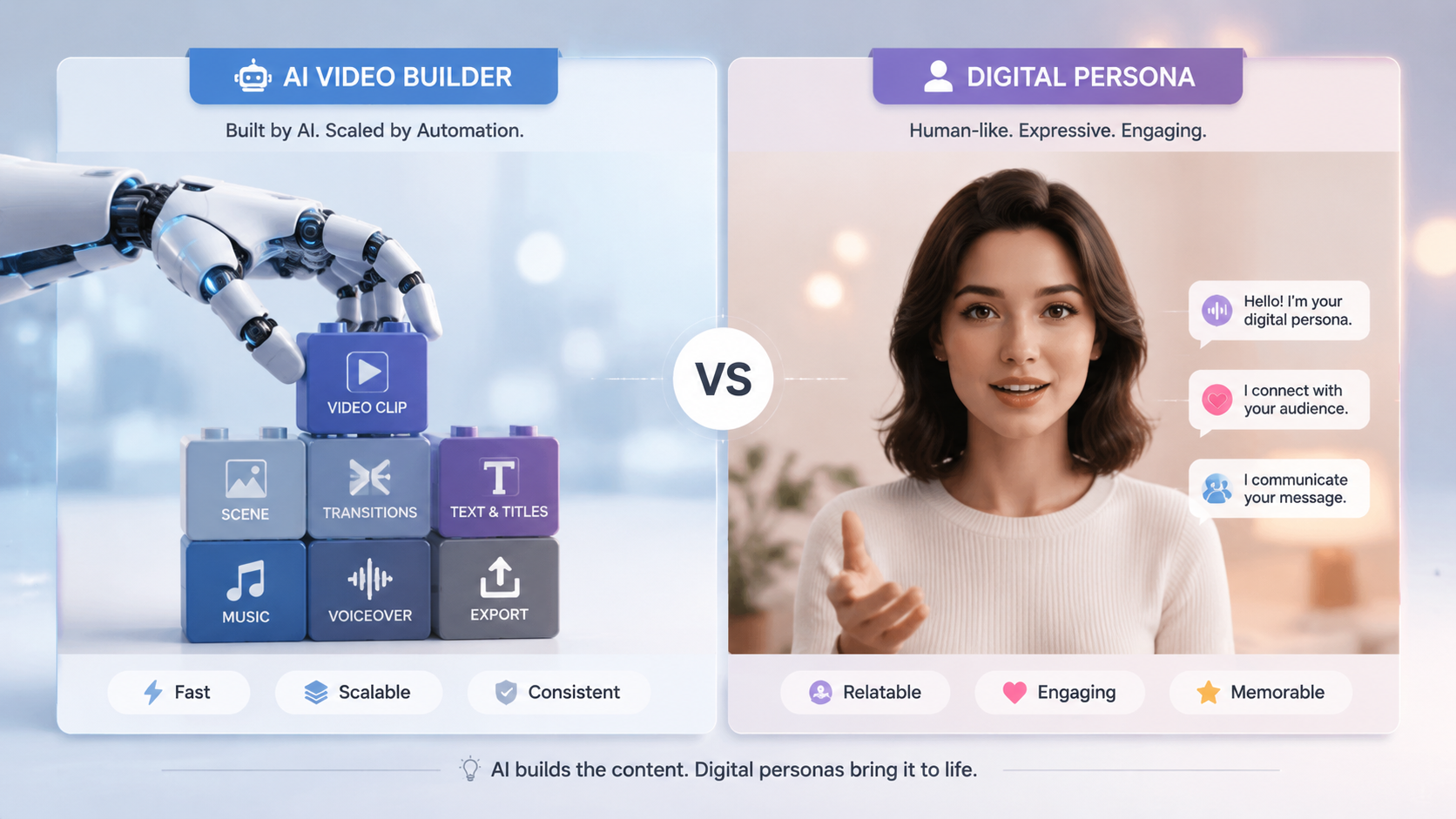
Invideo AI has solidified its position in 2026 as the go-to tool for faceless YouTube channels and rapid social media deployment. Its core strength lies in its ability to take a simple sentence like "Create a 5-minute video about the history of Mars" and turn it into a fully edited masterpiece. It selects the clips, writes the script, overlays the music, and adds a human-sounding voiceover without any manual intervention required from the user.
One of the standout features in 2026 is the "Real-Time Edit" command. Instead of dragging clips on a timeline, you simply type "Make the background music more cinematic" or "Change the voice to a British accent," and the AI updates the project instantly. This conversational editing style has made Invideo the preferred choice for educators and marketers who lack formal video editing training but need high-frequency output.
Key Features of Invideo AI in 2026
Invideo's library has expanded to include over 100 million premium assets through partnerships with major stock providers. Furthermore, the 2026 update introduced "Contextual B-Roll," which uses computer vision to ensure that every clip chosen perfectly matches the emotional tone of the script, rather than just the keywords. This has significantly reduced the "uncanny valley" feel often associated with older AI video tools.
HeyGen: The King of AI Avatars and Personalization
HeyGen remains the undisputed champion of talking head videos. As noted in the 2026 review by Perfect Corp, HeyGen’s "Instant Avatar" technology now requires only two minutes of footage to create a digital twin that mimics your hand gestures and facial micro-expressions with 99% accuracy. This is particularly vital for corporate training, personalized sales outreach, and global internal communications.
Beyond avatars, HeyGen’s "Video Translate" feature has become a staple for global brands. In 2026, the tool can translate a video into over 50 languages while simultaneously adjusting the lip-syncing of the speaker to match the new language’s phonemes. This level of technical sophistication is why HeyGen is frequently cited as a top-tier tool in G2 Learning Hub’s hands-on reviews for 2026.
HeyGen’s 2026 Innovation: Streaming Avatars
A major breakthrough for HeyGen this year is the rollout of "Streaming Avatars." These are low-latency AI personas that can be integrated into live websites for customer service. Unlike a static video, these avatars can respond to user queries in real-time, providing a face-to-face interaction that feels personal and professional. This feature alone has pushed HeyGen into a different market segment compared to Invideo.
Detailed Comparison: invideo vs heygen review 2026
To help you decide which platform fits your 2026 strategy, we have compiled a direct comparison of their core capabilities based on the latest software versions. While both use advanced neural networks, their applications vary significantly in practice.
| Feature | Invideo AI (2026) | HeyGen (2026) |
|---|---|---|
| Primary Use Case | Full-length YouTube/Social Content | Talking Head & Sales Videos |
| Avatar Quality | Standard (Stock-based) | Industry-Leading (Custom Digital Twins) |
| Editing Style | Prompt-based / Conversational | Scene-based / Script-driven |
| Stock Library | 100M+ Clips & Images | Limited (Focused on backgrounds) |
| Lip-Sync Accuracy | Moderate | Exceptional (Multilingual) |
| Voice Cloning | Included in Pro plans | Advanced "Instant Voice" tech |
Pricing and Value for Money in 2026
Pricing structures for AI video tools have stabilized in 2026, moving toward more transparent, credit-based systems. According to Autogpt.net’s pricing review, HeyGen has introduced a "Creator" tier that targets individual influencers, while maintaining its robust "Enterprise" plans for heavy users. HeyGen’s pricing often reflects its high-compute requirements for rendering realistic human skin and movement.
Invideo, on the other hand, remains the more budget-friendly option for those who need to produce high volumes of content. Its subscription model often includes unlimited exports on higher tiers, making it the most cost-effective solution for "content factories." When conducting an invideo vs heygen review 2026 for your business, consider the "cost per minute" of final video. If you need 20 social media clips a month, Invideo wins. If you need 5 high-converting personalized sales videos, HeyGen is worth the premium.
Enterprise Features and Security
In 2026, data security is a top priority. Both platforms have achieved SOC2 Type II compliance. However, HeyGen offers more advanced features for large teams, such as "Brand Kits" that ensure avatars always wear company-approved attire and use specific brand tones. Invideo’s team features focus more on collaborative editing and shared asset folders, catering to creative agencies and marketing departments.
Final Verdict: Which AI Video Tool Reigns Supreme?
The "Ultimate AI Video King" title doesn't belong to just one platform; it depends on your specific crown. If your goal is to dominate YouTube, TikTok, and Instagram with high-quality narrated content without ever showing your face, Invideo AI is your best bet. Its ability to synthesize a script and matching visuals in seconds is unparalleled in 2026.
However, if you are a professional who needs to be in ten places at once, HeyGen is the superior choice. Its digital twins are the gold standard for 2026, allowing for a level of personalization and human connection that stock-footage-based videos simply cannot replicate. For most modern businesses, a hybrid approach—using Invideo for broad marketing and HeyGen for direct sales and training—is the winning strategy.
Is Invideo AI better than HeyGen for YouTube?
Yes, Invideo AI is generally better for YouTube because it is designed to create long-form narrated content with varied B-roll and complex scripts. HeyGen is better suited for shorter, spokesperson-led videos or educational segments where a human presenter is the focus.
Can I use my own voice in both Invideo and HeyGen?
Yes, as of 2026, both platforms offer advanced voice cloning technology. You can upload a short sample of your voice, and the AI will generate a clone that can read any script you provide with natural intonation and emotion.
Which tool is easier for a complete beginner?
Invideo AI is slightly easier for beginners because of its prompt-to-video interface. You don't need to understand video layers or timing; you simply describe what you want in plain English, and the AI handles the technical aspects.
Does HeyGen support 4K video exports in 2026?
Yes, HeyGen supports 4K exports for its premium and enterprise plans. This is essential for professional presentations and high-end advertisements where visual clarity of the AI avatar is paramount.
Are there any copyright issues with AI-generated videos?
In 2026, both Invideo and HeyGen provide full commercial rights for the content generated on their paid plans. Invideo uses licensed stock footage, and HeyGen uses your own likeness or licensed avatars, ensuring your content is safe for monetization and corporate use.



Comments ()