
How to Use Sora AI Video: 2026 Complete Step-by-Step Guide
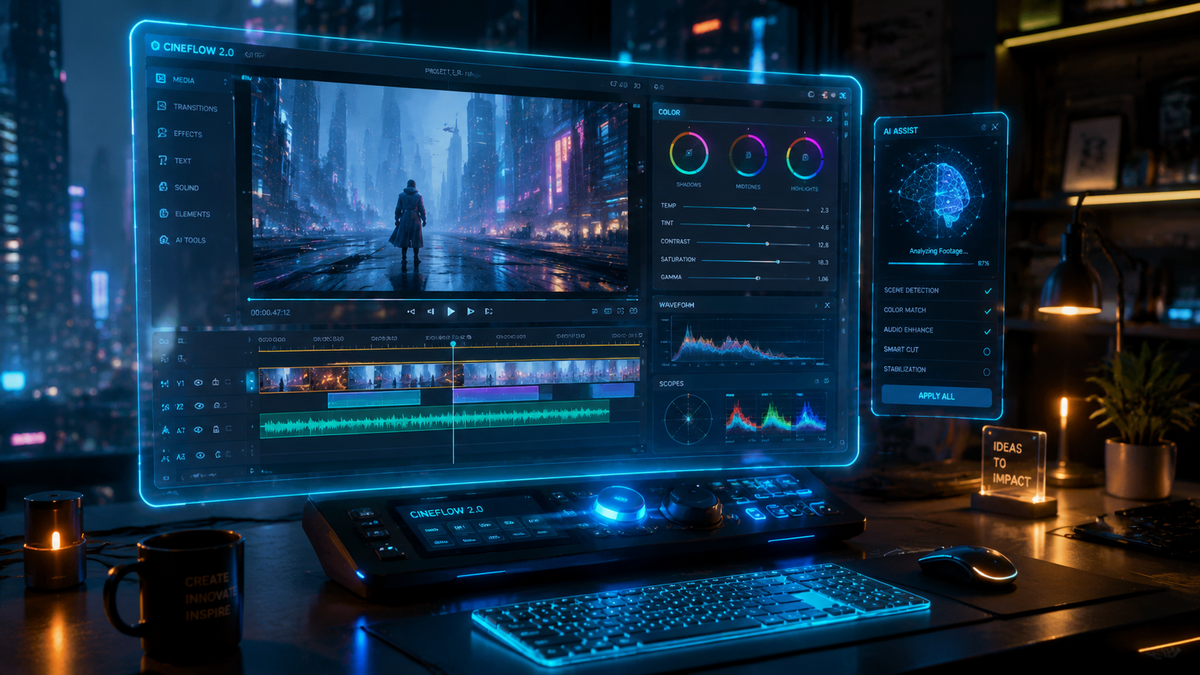
Learning how to use Sora AI video involves accessing OpenAI's sophisticated text-to-video platform to generate high-fidelity cinematic sequences from simple written prompts. While the tool revolutionized the creative industry upon its wide release in early 2026, users must act quickly to utilize the interface before the platform's scheduled sunset. To use Sora, you simply input a detailed descriptive prompt into the generation field, adjust your aspect ratio settings, and wait for the model to render a video up to 60 seconds in length.
Sora AI video is a generative artificial intelligence model developed by OpenAI that transforms text instructions into realistic and imaginative video scenes. By leveraging a diffusion transformer architecture, it maintains high visual quality and adherence to user prompts, though OpenAI officially announced in March 2026 that it would be discontinuing the service following a strategic shift in company direction.
- ✓ Access Sora through the official OpenAI dashboard using a verified Plus or Enterprise account.
- ✓ Generate videos up to 60 seconds long with complex camera motions and multiple characters.
- ✓ Utilize the "Refine" feature to iterate on specific frames without regenerating the entire sequence.
- ✓ Export in multiple resolutions including 1080p and 4K for professional workflows.
- ✓ Note the critical deadline: OpenAI has pulled the plug on Sora as of late March 2026.
A Step-by-Step Guide on How to Use Sora AI Video
Navigating the Sora interface is designed to be as intuitive as using ChatGPT, yet it requires a deeper understanding of visual language to achieve professional results. As of the latest February 2026 updates, the platform has been streamlined to handle complex physics simulations, allowing for more realistic interactions between objects and environments. Whether you are a filmmaker or a social media creator, the workflow remains consistent across all subscription tiers.
Before you begin, ensure your account has the necessary compute credits. OpenAI transitioned to a "token-per-frame" model in early 2026 to manage the high demand for GPU resources. Once your account is topped up, you can follow these specific steps to generate your first high-definition AI video sequence.
- Log in to the OpenAI Sora Portal: Visit the official OpenAI website and navigate to the Sora tab. Ensure you are using a browser that supports WebGL 2.0 for the best preview experience.
- Enter Your Descriptive Prompt: In the primary text area, describe your scene. For example: "A cinematic shot of a futuristic Tokyo street reflecting neon lights on rain-slicked pavement, 35mm lens."
- Select Aspect Ratio and Resolution: Choose between landscape (16:9), portrait (9:16), or square (1:1). In the 2026 version, 4K resolution is available for Enterprise users.
- Adjust Motion Sensitivity: Use the slider to determine how much "camera movement" you want in the shot. Higher sensitivity results in more dynamic pans and tilts.
- Generate and Iterate: Click the "Generate" button. The process typically takes 2 to 5 minutes. Once finished, use the "Edit" tool to tweak specific elements of the video.
Technical Specifications and Feature Comparison
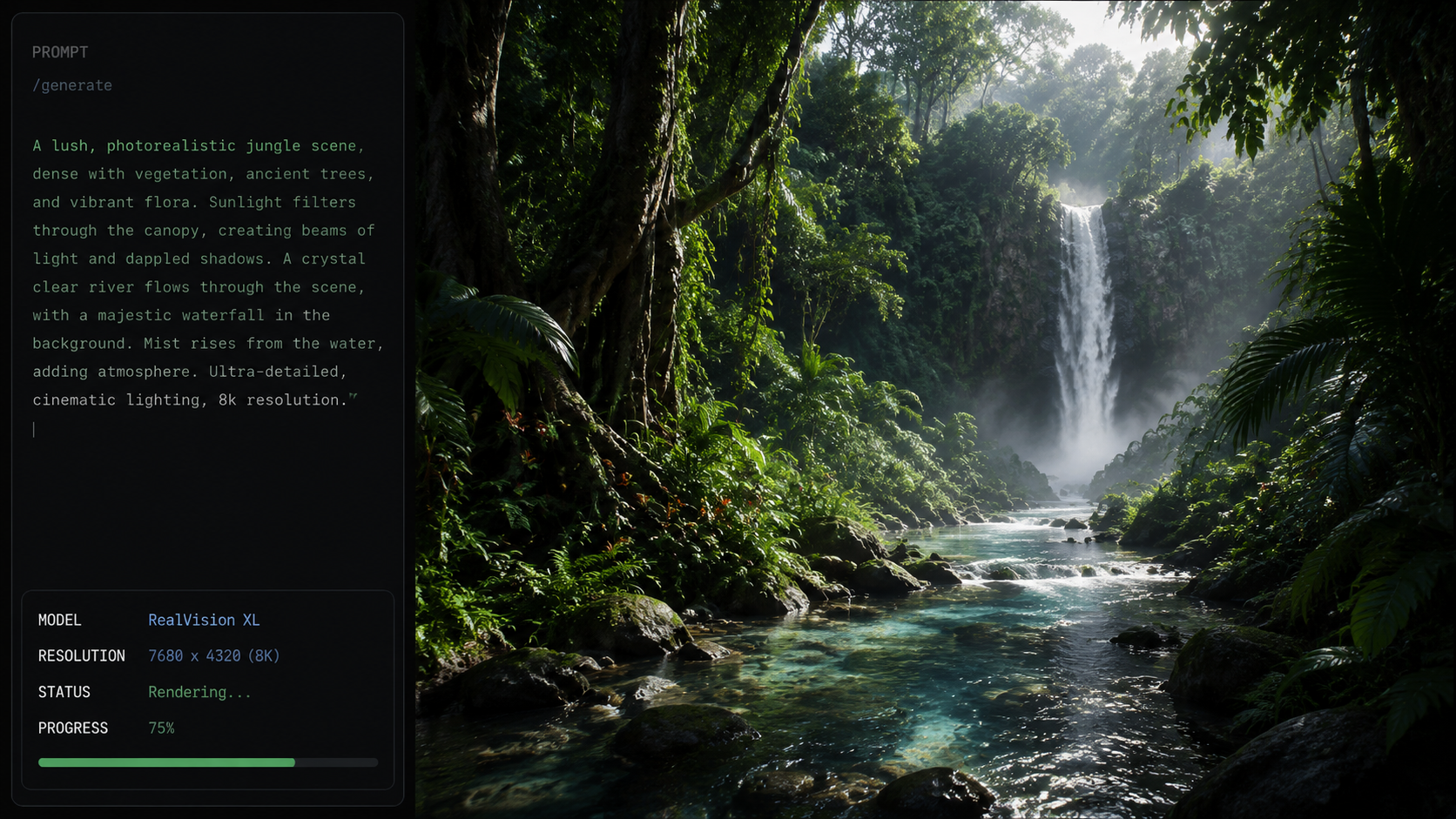
The 2026 version of Sora introduced several key features that separated it from earlier prototypes. According to OpenAI, the model now utilizes a "Spatio-Temporal Patch" system, which allows the AI to understand the consistency of objects even when they move out of the frame and return later. This solved the "ghosting" issues prevalent in earlier generative video models.
Understanding the limitations and capabilities of the current build is essential for professional integration. The following table highlights the core specifications available to users before the service's announced discontinuation.
| Feature | Sora Standard (2026) | Sora Pro / Enterprise |
|---|---|---|
| Maximum Duration | 60 Seconds | 120 Seconds (Beta) |
| Max Resolution | 1080p | 4K Ultra HD |
| Frame Rate | 24fps / 30fps | Up to 60fps |
| Multi-Angle Sync | No | Yes (3-Camera Setup) |
| Processing Speed | Standard Queue | Priority GPU Access |
Mastering Prompts for Sora AI Video
To truly understand how to use Sora AI video effectively, one must master the art of the "Visual Prompt." Unlike text-based LLMs, Sora responds best to architectural and cinematographic terminology. Including details about lighting, lens types, and specific textures helps the diffusion model anchor the pixels more accurately, reducing the likelihood of visual hallucinations.
Using Cinematography Terms
Instead of saying "a bird flying," try "a low-angle tracking shot of a golden eagle soaring through a deep canyon, sunlight catching the edges of its feathers." By specifying the "low-angle tracking shot," you are giving the AI explicit instructions on how to move the virtual camera. This level of detail is what separates amateur generations from professional-grade content.
Environmental and Lighting Detail
Lighting plays a massive role in how Sora renders shadows and reflections. According to a 2025 technical report from OpenAI, the model was trained on vast datasets of Ray-Traced imagery, meaning it understands "Global Illumination." Using terms like "Golden hour," "Volumetric lighting," or "Bioluminescent glow" will trigger these specific rendering paths within the model, resulting in much more atmospheric videos.
The Shocking 2026 Update: OpenAI Pulls the Plug
Despite the immense popularity and technical prowess of the tool, the landscape of AI video changed overnight in March 2026. According to CBS News, OpenAI officially pulled the plug on its Sora AI video app on Tuesday, March 24, 2026. This move sent shockwaves through the tech industry, as Sora was widely considered the gold standard for generative video.
The discontinuation was not due to a lack of interest, but rather a strategic pivot. Forbes reported that OpenAI decided to discontinue the AI video generation app Sora to focus on "Reasoning-Based General Intelligence" rather than creative media tools. This decision had immediate ripple effects across the entertainment sector. For instance, The Hollywood Reporter noted that Disney exited a multi-million dollar deal with OpenAI immediately after the AI giant shuttered Sora, as the studio had planned to integrate Sora into its pre-visualization pipeline.
For users currently wondering how to use Sora AI video, it is important to download any archived projects immediately. The company has stated that servers will remain active for a brief grace period before the interface is completely removed from the OpenAI dashboard. This marks the end of an era for what Business Insider described as a tool that "thrilled" audiences upon release but eventually faced stiff competition and internal shifts.
Advanced Techniques: Editing and Refining
For those still holding active sessions, the "In-painting" and "Out-painting" features are the most powerful tools in the Sora arsenal. These allow you to take an existing video and either change a specific element (like swapping a character's clothing) or extend the canvas of the video to see more of the surrounding environment. This is critical for maintaining brand consistency across multiple clips.
In-Painting for Consistency
If you have generated a perfect scene but the character's hair color is wrong, you don't need to regenerate the whole video. By using the "Selection Brush," you can highlight the hair and provide a new text prompt: "Change hair color to silver." The AI will then re-render only those specific patches while keeping the background and motion identical to the original file.
Looping and Extending Clips
Sora's "Extend" feature allows you to add time to the beginning or end of a clip. This is particularly useful for creating seamless loops for digital signage or background visuals. By selecting a 5-second overlap and choosing the "Loop" setting, Sora ensures that the final frame matches the first frame perfectly, creating an infinite playback loop that is virtually indistinguishable from a continuous shot.
Safety, Ethics, and Watermarking in 2026
As part of OpenAI's commitment to safety, every video generated by Sora includes C2PA metadata and visible/invisible watermarking. This was a mandatory requirement following the AI Safety Act of 2025. When you learn how to use Sora AI video, you must also learn how to navigate these compliance features, especially if you are using the content for commercial purposes.
OpenAI's "Red Teaming" results showed that the model has strict filters against generating deepfakes of public figures or copyrighted characters without authorization. This is likely why the Disney partnership was so significant, as it provided a legal framework for using Sora with protected IP—a framework that has now dissolved with the app's closure. Users are encouraged to use original concepts to avoid prompt-blocking by the safety layers.
Can I still sign up for Sora AI in late 2026?
No, following the announcement on March 24, 2026, OpenAI has ceased new registrations for Sora. Existing users have a limited window to access their data before the service is fully decommissioned.
What was the maximum video length Sora could produce?
At its peak in early 2026, Sora could generate continuous video sequences up to 60 seconds long. Some Enterprise users had access to a beta feature that allowed for 120-second generations through clip stitching.
Why did OpenAI shut down Sora?
According to reports from Forbes and CBS News, OpenAI decided to shutter Sora to refocus its resources on core AGI (Artificial General Intelligence) development and reasoning models, moving away from consumer-facing creative apps.
Can I export Sora videos for commercial use?
While Sora was active, commercial use was permitted for Plus and Enterprise subscribers, provided they adhered to the watermarking and metadata requirements. However, with the service closing, new commercial licenses are no longer being issued.
Are there alternatives to Sora after its discontinuation?
While this guide focuses on Sora, many creators are now migrating to other platforms that continue to support text-to-video generation, though few have matched the 60-second consistency that Sora offered in 2026.

Comments ()