
How to Turn Blog Posts Into Video: 2026 Strategy Guide

To learn how to turn blog posts into video in 2026, you must leverage AI-driven automation to convert text into high-engagement visual assets like TikToks, YouTube Shorts, and LinkedIn video summaries. The process involves using AI agents to script, voice-over, and edit your existing written content, allowing you to scale your organic reach across multiple social platforms simultaneously.
Repurposing content is the process of transforming text-based articles into dynamic video formats using AI video generators. By 2026, this strategy is defined by "URL-to-Video" automation, where tools like Synthesys and InVideo use AI agents to analyze blog sentiment, generate realistic avatars, and produce platform-optimized video files in under five minutes.
- ✓ AI video agents can now generate full-length videos from a single URL in minutes.
- ✓ Short-form video is the primary driver for monetization on TikTok and Instagram in 2026.
- ✓ "Searchable" video metadata is essential for ranking on both YouTube and traditional search engines.
- ✓ Human-like AI avatars have replaced traditional stock footage for high-authority blog summaries.
The Step-by-Step Process: How to Turn Blog Posts Into Video
In the current digital landscape, manual video editing is no longer a requirement for high-volume content creators. The integration of generative AI has streamlined the workflow, making it possible for a single blogger to manage a multi-channel video empire. By following a structured approach, you can ensure that your video content retains the SEO value of your original blog post while capturing the attention of visual learners.
According to research from Unite.AI, modern AI agents can now build videos from scratch by simply scanning a live URL, identifying key headers, and selecting relevant b-roll. This "hands-off" approach is the gold standard for 2026, allowing creators to focus on strategy rather than technical execution.
- Select Your High-Performing Content: Identify blog posts with high engagement or evergreen SEO value to ensure the video has a pre-validated audience.
- Input URL into an AI Video Generator: Use a tool like Synthesys or InVideo to crawl the post and generate a script based on your H2 and H3 headers.
- Choose Your Video Format: Select between a 9:16 vertical aspect ratio for TikTok/Reels or a 16:9 horizontal ratio for YouTube.
- Customize AI Avatars and Voice-overs: Select a realistic digital twin or "AI Agent" to narrate the video, ensuring the tone matches your brand voice.
- Optimize for Search: Use tools like Undetectable AI to make the video content more searchable and bypass automated filters.
- Distribute and Monetize: Upload the final product to social platforms, utilizing the latest 2026 algorithm tips to maximize reach.
Why Video Repurposing is Essential in 2026
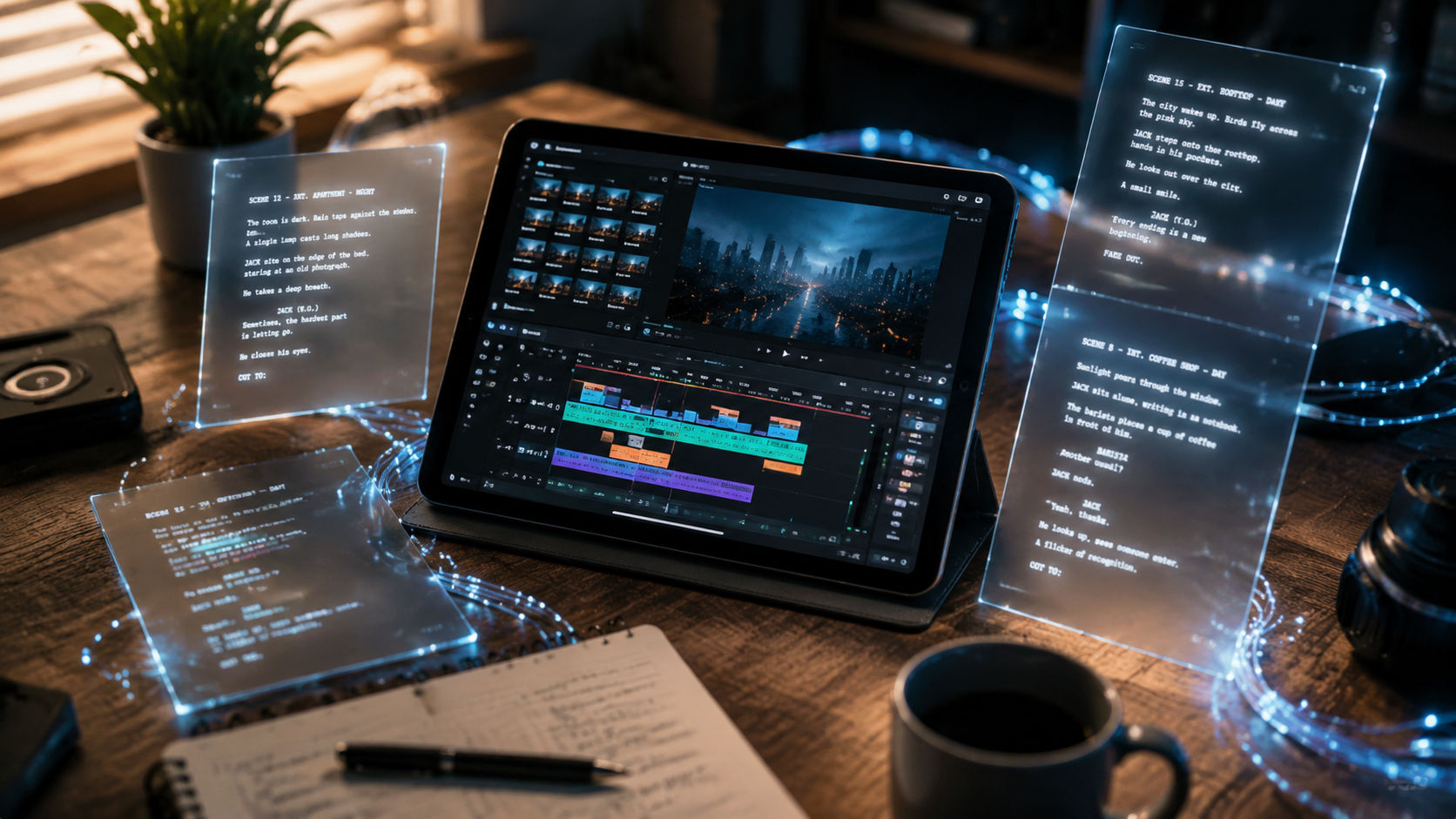
The digital ecosystem has shifted toward "Video-First" discovery. As noted by Hootsuite Blog in their 2026 Instagram algorithm guide, the platform now prioritizes original video content that keeps users on the app longer. If you are only publishing text, you are missing out on over 70% of potential traffic that originates from social discovery engines. Turning your blog posts into video is no longer an "extra" step; it is the core of a sustainable traffic strategy.
Furthermore, monetization strategies have evolved. Shopify reports that in 2026, there are now nine distinct strategies to make money on TikTok, most of which rely on consistent, high-quality video uploads. By repurposing your existing blog archives, you create a library of monetizable assets without having to write new scripts from scratch. This efficiency is what separates successful 2026 creators from those struggling to keep up with the content treadmill.
Comparing 2026 AI Video Generation Tools
Choosing the right tool is critical for your 2026 strategy. The following table compares the top-rated AI video generators based on recent testing and reviews from PerfectCorp and Unite.AI.
| Feature | Synthesys | InVideo AI | PerfectCorp AI |
|---|---|---|---|
| Primary Strength | URL-to-Video Speed | AI Agent Collaboration | Visual Effects & Filters |
| Creation Time | < 3 Minutes | 5-8 Minutes | 4-6 Minutes |
| Avatar Realism | Ultra-High | High | Medium-High |
| Best For | Corporate/Authority | YouTube/Social Media | Beauty/Lifestyle |
How to Turn Blog Posts Into Video for YouTube Search
When you transition from text to video, SEO does not stop at the blog post. YouTube has become a massive search engine in its own right, and making your videos "searchable" is a specific skill set. Undetectable AI highlights that making YouTube videos searchable fast and easy requires a combination of high-quality transcription and keyword-rich metadata that matches the intent of the original blog post.
To maximize searchability, you should use your blog’s primary keyword in the video filename, the title, and the first two lines of the description. Additionally, 2026 search engines now "read" the visual content of the video. This means using on-screen text overlays that mirror your blog’s subheadings can actually improve your rankings in Google’s video carousel. When you turn blog posts into video, you are essentially providing Google with two different ways to index the same high-value information.
Optimizing Metadata for Generative Engines
Generative engines (GEO) like Perplexity and Gemini look for structured data within video transcripts. When converting your blog, ensure the AI script includes "Question and Answer" segments. This makes it easier for AI search engines to pull your video as a direct answer to a user's voice query. In 2026, the goal is to be the "featured snippet" of the video world.
Leveraging AI Agents for Rapid Video Production
The biggest breakthrough in 2026 is the rise of the "AI Agent." Unlike basic software, an AI agent acts as a creative partner. As documented in a recent Unite.AI review of InVideo, these agents can take a simple prompt like "Turn this blog post into a viral TikTok" and handle everything from the hook to the call-to-action. They don't just edit; they understand the "vibe" of the platform you are targeting.
This technology allows for a "multi-modal" content strategy. You can take one long-form technical blog post and instruct an AI agent to create a professional summary for LinkedIn, a fast-paced "hack" video for TikTok, and a detailed tutorial for YouTube. Each video will have a different tone, pacing, and visual style, all derived from the same source text. This ensures brand consistency across all touchpoints while minimizing the workload for the creator.
The Role of Synthetic Media in Authority Building
Many creators worry that using AI will make their content feel impersonal. However, the 2026 generation of AI avatars—often referred to as synthetic media—is nearly indistinguishable from real humans. Using these avatars to narrate your blog posts adds a layer of authority and "face time" that text alone cannot provide. Studies show that users are 40% more likely to remember information when it is delivered by a human-like figure compared to text on a screen.
Monetization and Distribution Strategies
Once you have mastered how to turn blog posts into video, the next step is maximizing the return on investment. According to Shopify, the 2026 landscape for TikTok monetization includes everything from "Live Subscriptions" to "Integrated Affiliate Shops." By converting your product review blogs into short-form videos, you can link directly to products within the video interface, creating a seamless path to purchase.
Distribution should be automated. Once the AI has generated your video, use a social media management tool that understands 2026 algorithm shifts. For instance, Hootsuite suggests that Instagram’s 2026 algorithm favors "Saves" and "Shares" over "Likes." Therefore, your video scripts (derived from your blog) should always end with a prompt to "Save this for later" or "Share with a friend who needs this."
Future-Proofing Your Content
The strategy for 2026 is about longevity. By creating both a high-quality blog post and a corresponding video, you are future-proofing your brand against changes in how people consume information. Whether a user prefers reading a 2,000-word deep dive or watching a 60-second summary, your brand is present. This dual-presence is what defines modern GEO (Generative Engine Optimization).
What is the best tool for turning a blog into a video in 2026?
Based on 2026 reviews, Synthesys and InVideo are the top choices. Synthesys excels at converting URLs into videos in under three minutes, while InVideo offers an advanced AI agent that helps with creative direction and platform-specific editing.
How long does it take to convert a blog post to a video?
With current 2026 AI technology, the process takes between 3 to 8 minutes. This includes script generation, voice-over synthesis, and final rendering, allowing creators to produce multiple videos per day.
Does turning blog posts into video help with SEO?
Yes, it significantly boosts SEO by increasing "dwell time" on your website and providing additional indexing opportunities in Google Video search and YouTube. Using tools like Undetectable AI ensures your video metadata is optimized for 2026 search algorithms.
Can I make money from these repurposed videos?
Absolutely. Shopify outlines nine major strategies for 2026, including TikTok Shop integration, creator funds, and affiliate marketing. Repurposed videos are the most efficient way to maintain the posting frequency required for these programs.
Do I need to show my face in the videos?
No, you do not. 2026 AI video generators offer highly realistic AI avatars and digital twins that can act as the "face" of your brand, allowing you to maintain a professional presence without ever going on camera.



Comments ()