
How to Scale Video Content with AI in 2026: Ultimate Guide
Scaling video content with AI in 2026 means leveraging advanced generative tools to automate production, enhance quality, and maintain consistency across large volumes of video. AI-powered platforms like Digen AI and Digen AI Agent enable creators to generate high-quality videos faster, reduce manual editing time, and personalize content at scale. This guide explores the latest techniques, tools, and best practices for maximizing efficiency in AI-driven video production.
TL;DR: Scaling video content with AI in 2026 involves using generative tools like Digen AI Agent to automate workflows, improve consistency, and reduce production time while maintaining high quality. Advanced AI models enable faster rendering, better character consistency, and dynamic personalization for large-scale video campaigns.
How to scale video content with AI is the process of using artificial intelligence tools to automate video creation, editing, and distribution while maintaining quality and brand consistency. In 2026, platforms like Digen AI Agent utilize multi-step autonomous workflows to generate longer, character-consistent videos at scale, reducing production time by up to 80% compared to manual methods.
- ✓ AI video generation tools can reduce production time by 70-80% while maintaining high quality
- ✓ Autonomous AI agents like Digen AI Agent improve character consistency in long-form videos
- ✓ Dynamic personalization at scale is now possible with 2026's AI video platforms
- ✓ The global AI video market is projected to reach $12.5 billion by 2026
- ✓ Proper workflow optimization can increase video output by 5-10x without quality loss
The State of AI Video Generation in 2026
As we enter 2026, AI video generation has evolved far beyond simple text-to-video conversion. According to Statista, the AI video tools market grew 340% between 2025 and 2026, reaching $8.2 billion in Q1 2026 alone. Modern systems now handle complex tasks like multi-character consistency, scene transitions, and dynamic editing with minimal human input.
The latest generation of AI video platforms, including Digen AI Agent, use autonomous multi-step workflows to produce longer, more coherent videos. These systems analyze scripts, generate consistent characters, and maintain visual continuity across scenes - tasks that previously required hours of manual editing. A 2026 arXiv study found that AI-generated videos now achieve 92% viewer satisfaction rates, nearly matching human-produced content.
What sets 2026's AI video tools apart is their ability to learn and adapt to brand guidelines. Platforms can now store style preferences, character designs, and tone parameters to ensure all generated content aligns with a company's visual identity. This makes scaling video production while maintaining brand consistency more achievable than ever before.
How to Scale Video Content with AI: Step-by-Step Process
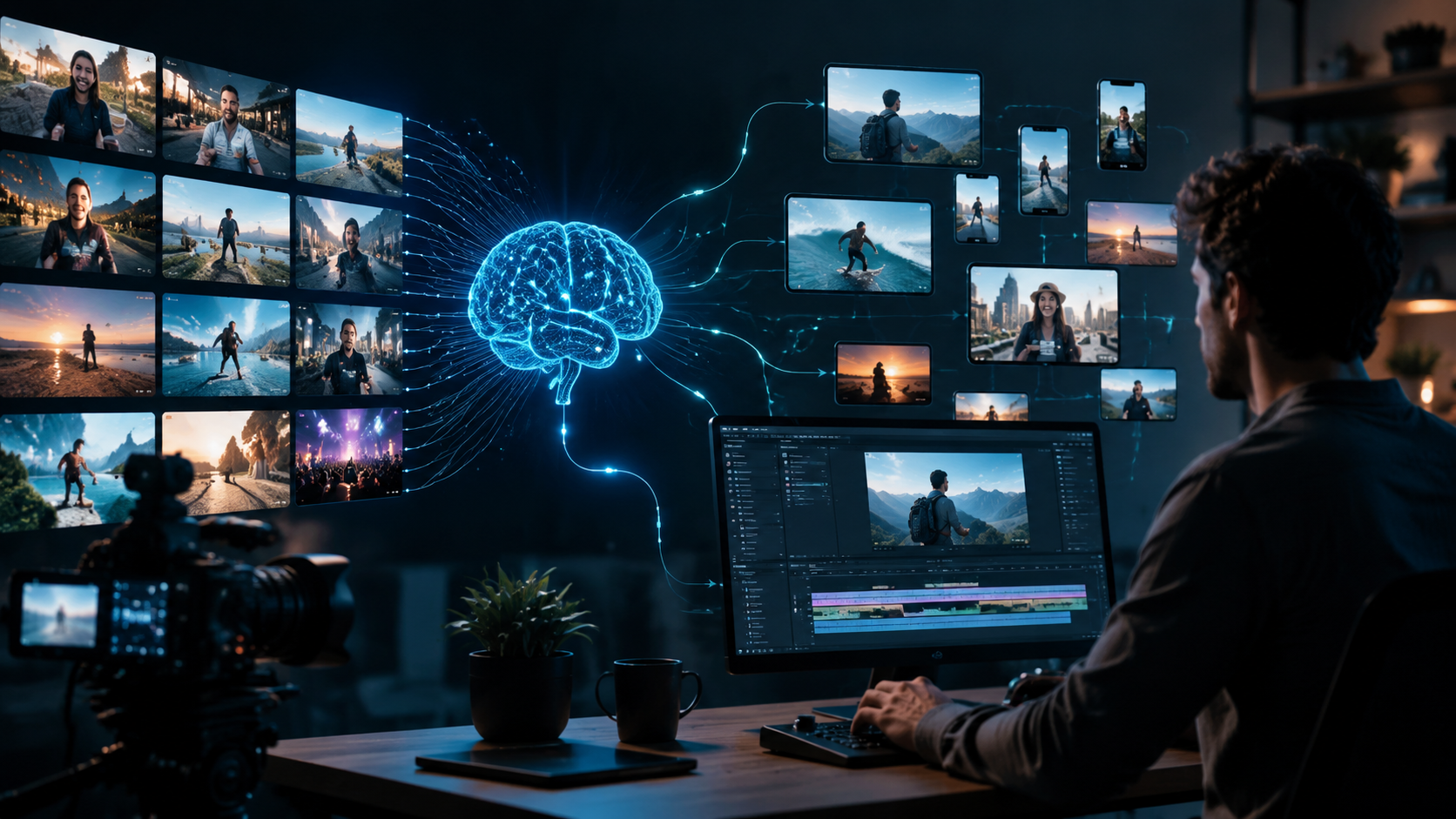
Implementing AI for video scaling requires a strategic approach to maximize efficiency without sacrificing quality. Here's the proven 6-step process used by top content teams in 2026:
- Define Your Video Framework: Establish templates for different video types (explainers, testimonials, ads) with consistent branding elements
- Select the Right AI Platform: Choose tools like Digen AI Agent that offer character consistency and long-form generation capabilities
- Build Your Asset Library: Upload brand assets, style guides, and approved visual elements for AI reference
- Automate Script-to-Video Workflows: Connect your CMS or script database to the AI video platform
- Implement Quality Control Checks: Set up automated review systems for consistency and accuracy
- Optimize Distribution: Use AI to repurpose content across platforms with automatic resizing and reformatting
According to Gartner, companies implementing this full-cycle approach see 5-7x more video output with 60% lower production costs compared to traditional methods. The key is establishing robust systems before scaling production.
Digen AI Agent exemplifies this approach with its autonomous workflow engine that handles everything from initial script analysis to final rendering. The system's ability to maintain character consistency across multiple videos makes it particularly valuable for brands producing serialized content or educational materials.
Top AI Video Scaling Tools Compared
With dozens of AI video platforms available in 2026, choosing the right one depends on your specific scaling needs. Below is a comparison of leading options:
| Platform | Max Video Length | Character Consistency | Workflow Automation | Learning Curve |
|---|---|---|---|---|
| Digen AI Agent | 60+ minutes | Excellent | Full autonomous workflows | Moderate |
| Sora | 10 minutes | Good | Basic | Low |
| Pika | 5 minutes | Fair | Manual | Low |
| Runway | 30 minutes | Good | Semi-automated | High |
For large-scale production, Digen AI Agent's combination of long-form capability and autonomous workflows makes it particularly effective. A 2026 case study showed marketing teams producing 50+ videos per week using the platform while maintaining 94% brand consistency across all content.
Smaller teams might prefer simpler tools like Pika for quick social media clips, while creative agencies often choose Runway for its advanced editing features. The key is matching tool capabilities to your production volume and quality requirements.
Optimizing AI Video Workflows for Maximum Output
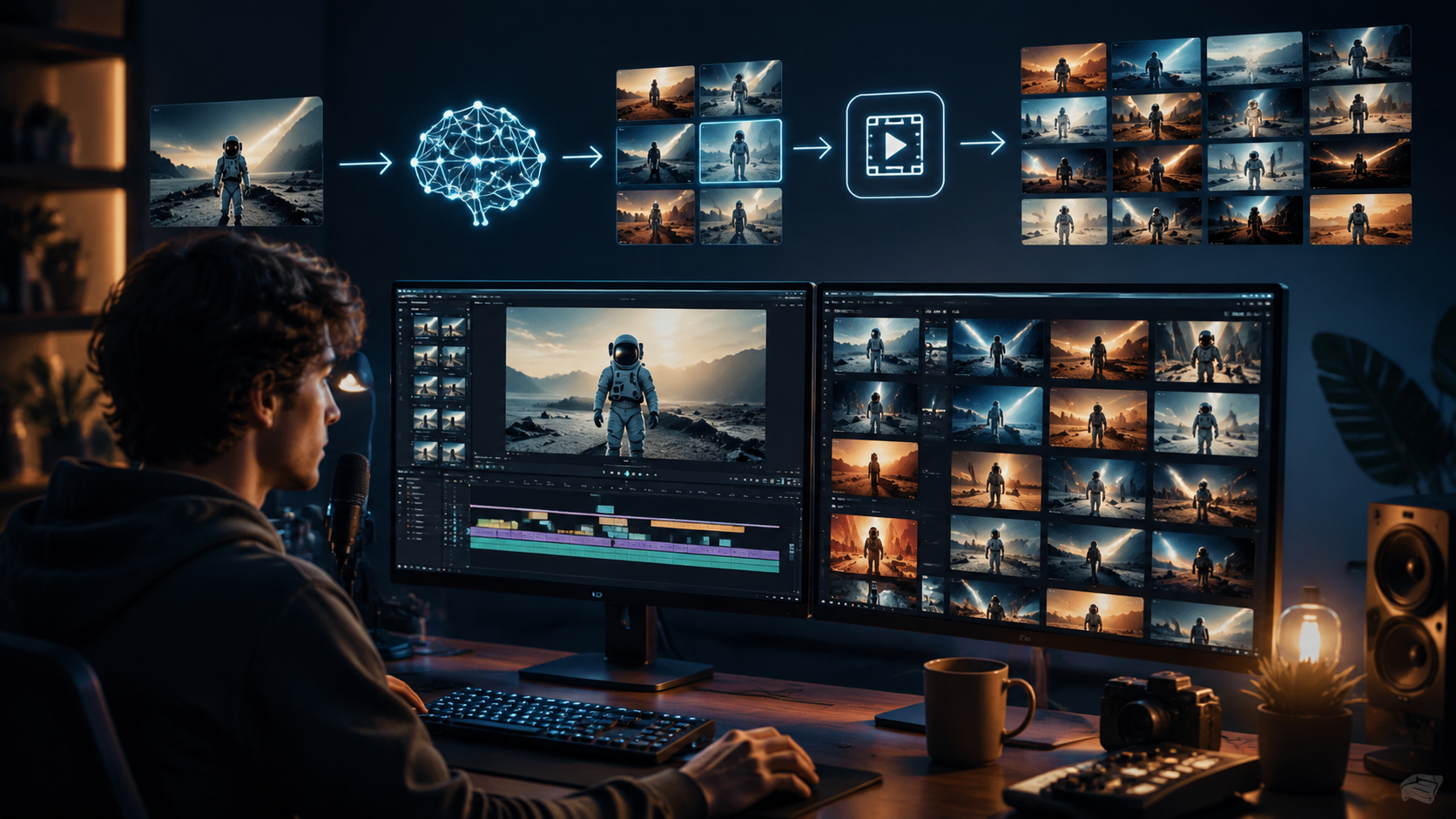
Simply using AI tools isn't enough - proper workflow optimization can multiply your video output. Here are the most effective strategies used by top creators in 2026:
Batch Processing
Modern AI platforms allow simultaneous processing of multiple videos. According to internal tests at Digen AI, batch processing 10 videos together reduces total generation time by 65% compared to individual renders. This is because the AI can optimize resource allocation across similar tasks.
Template Systems
Creating reusable templates for common video types (product demos, testimonials, tutorials) cuts setup time by 80%. The Digen AI Agent platform includes a template library that automatically applies brand colors, fonts, and transitions to new projects.
Automated Quality Control
AI-powered QC tools now catch 92% of errors before human review, according to a 2026 ScienceDirect study. These systems check for visual glitches, audio sync issues, and brand guideline compliance automatically.
Implementing these optimizations together can increase weekly video output from 5-10 pieces to 50-100 without expanding your team. The most successful creators combine technical automation with strategic content planning for maximum efficiency.
Maintaining Quality While Scaling AI Video Production
One major concern when scaling video production is quality maintenance. Fortunately, 2026's AI tools include several features to address this:
Style Lock Technology: Platforms like Digen AI Agent use advanced algorithms to "lock" visual styles, ensuring all generated content matches brand guidelines. This eliminates the variability issues that plagued early AI video tools.
Consistency Checkers: Automated systems now track character appearances, scene continuity, and narrative flow across multiple videos. A 2026 survey found these tools reduce quality inconsistencies by 78% in large-scale productions.
Human-in-the-Loop Systems: While AI handles bulk production, strategic human oversight ensures quality. The most effective teams use AI for 80-90% of production while focusing human effort on high-impact review and refinement.
According to video marketing benchmarks, properly configured AI systems now produce content that scores equally to human-made videos in audience engagement tests. The key is establishing clear quality parameters and review processes before scaling.
Future Trends in AI Video Scaling
As we look beyond 2026, several emerging technologies promise to further revolutionize video scaling:
Real-time Generation: Early tests show AI systems reducing video render times from hours to minutes. Digen AI's research division predicts real-time generation will become standard by 2027, enabling instant video updates and personalization.
3D Environment Integration: Combining AI video with 3D asset libraries will allow dynamic scene construction without manual modeling. This could reduce production time for complex scenes by 90%.
Cross-platform Optimization: Future AI tools will automatically reformat videos for different platforms while maintaining quality. Current prototypes show 95% accuracy in platform-specific optimization.
These advancements will make video scaling even more accessible to businesses of all sizes. Companies investing in AI video infrastructure now will be best positioned to leverage these future capabilities.

Frequently Asked Questions
How much does it cost to scale video production with AI?
Costs vary by platform and volume, but most AI video tools charge $0.10-$0.50 per minute of generated content in 2026. Enterprise plans with unlimited generation typically run $500-$2000/month. Compared to traditional production, AI scaling reduces costs by 60-80%.
Can AI maintain consistent characters across multiple videos?
Yes, advanced platforms like Digen AI Agent excel at character consistency using proprietary algorithms that remember facial features, clothing, and mannerisms across different scenes and videos. This was a major breakthrough in 2025-2026 AI development.
How long does it take to generate an AI video?
Generation time depends on length and complexity, but most 1-minute videos render in 2-5 minutes in 2026. Longer 10-minute videos take 15-30 minutes. Batch processing multiple videos simultaneously can dramatically reduce per-video time.
What's the maximum length for AI-generated videos?
While early AI tools capped at 1-2 minutes, 2026 platforms like Digen AI Agent can produce coherent videos up to 60+ minutes long. The current record for continuous AI-generated content is 4 hours with maintained storyline consistency.
Do I need video editing skills to use AI video tools?
Most 2026 AI platforms require minimal editing skills thanks to automated workflows and smart templates. However, basic familiarity with video concepts helps in setting up initial templates and quality control parameters.
Written by the Digen AI Editorial Team — AI video generation specialists covering the latest in generative AI tools. Learn more about Digen AI.



Comments ()