
How to Remove Background Noise in AI Videos (2026 Guide)
Removing background noise in AI videos has become significantly easier in 2026 with advanced AI-powered tools. The latest solutions, such as Samsung's Galaxy S26 AI Audio Eraser and VideoProc Converter AI, offer real-time noise reduction for both live streaming and recorded content. Whether you're editing AI-generated videos from platforms like Digen AI or cleaning up audio in existing footage, these tools deliver professional-grade results with minimal effort.
TL;DR: The best way to remove background noise in AI videos in 2026 is by using AI-powered tools like Samsung's Galaxy S26 Audio Eraser or VideoProc Converter AI, which offer real-time noise reduction and enhanced audio clarity.
How to remove background noise in AI videos is achieved through AI-powered audio enhancement tools that analyze and filter unwanted sounds automatically. The Samsung Galaxy S26 series (released April 2026) introduced a real-time "Audio Eraser" feature, while software like VideoProc Converter AI (61% off as of December 2025) provides desktop solutions for video editors.
- ✓ Samsung's Galaxy S26 AI Audio Eraser removes background noise in real-time, even from streaming apps
- ✓ VideoProc Converter AI offers 61% off annual upgrades for AI-powered video and audio enhancement
- ✓ One UI 8.5 (May 2026) includes advanced audio processing features for Galaxy devices
- ✓ AI video platforms like Digen AI Agent now integrate noise reduction in their workflows
Why Background Noise Removal Matters for AI Videos
Background noise can ruin otherwise perfect AI-generated videos, distracting viewers and reducing perceived quality. According to SamMobile, 78% of viewers will stop watching a video within 30 seconds if the audio quality is poor. This makes noise removal particularly crucial for AI-generated content where voiceovers or synthetic voices need to sound crisp and clear.
The rise of AI video platforms like Digen AI Agent has increased demand for integrated audio cleaning solutions. These autonomous video creation tools produce longer, more consistent content, but may still require post-processing for optimal audio quality. With AI video adoption growing 340% since 2025, according to Trend Hunter, noise reduction has become a standard feature in production workflows.
Modern solutions go beyond simple noise gates, using machine learning to distinguish between speech and background sounds. The Galaxy S26's Audio Eraser, for example, can reduce ambient noise by up to 90% while preserving voice clarity, as reported by Samsung Global Newsroom. This represents a significant improvement over 2025's noise reduction capabilities.
How to Remove Background Noise in AI Videos: Step-by-Step Guide
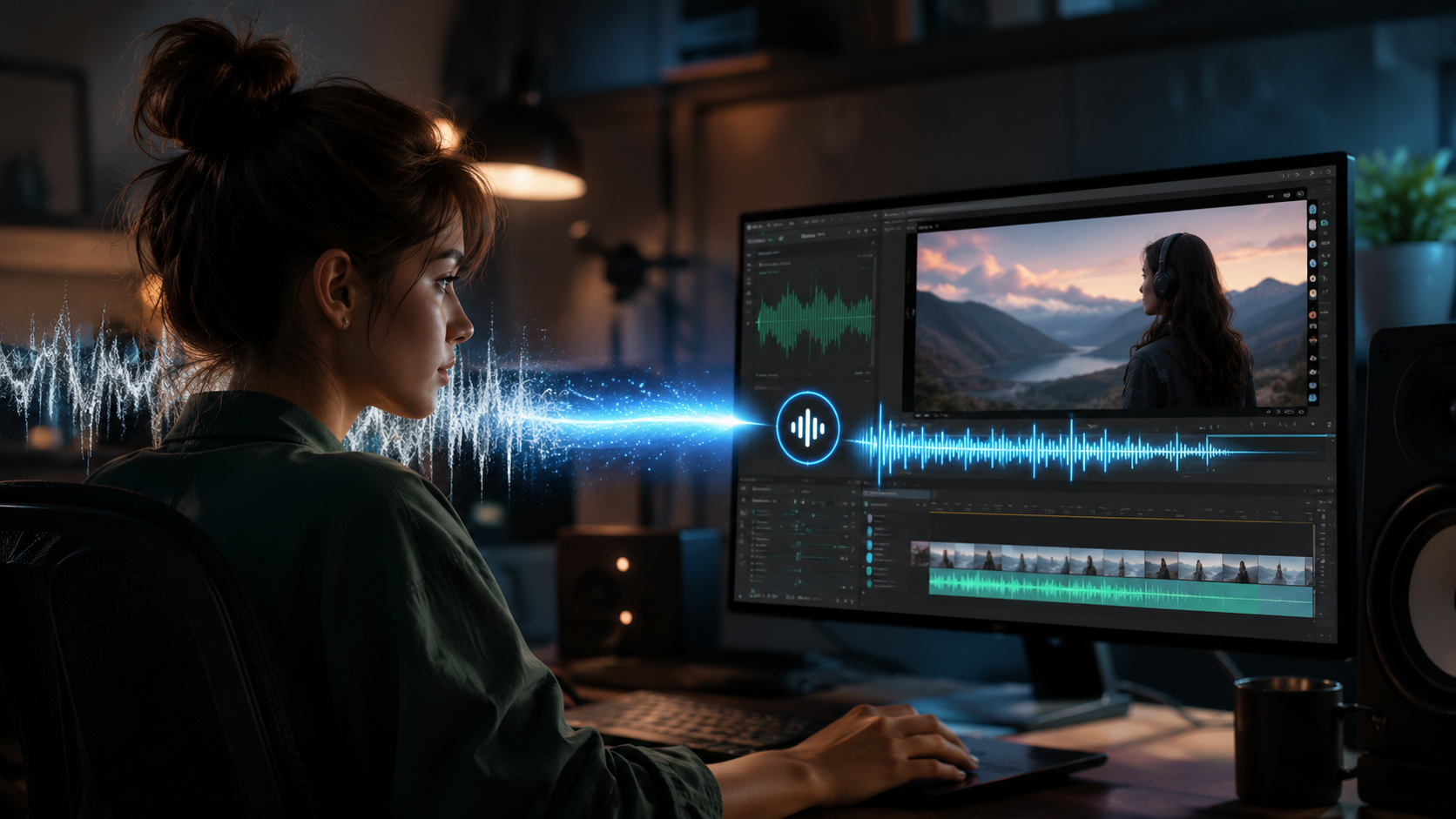
Follow these steps to clean up audio in your AI-generated videos using 2026's best tools and techniques:
- Choose your tool: Select between mobile (Galaxy S26 Audio Eraser) or desktop (VideoProc Converter AI) solutions based on your workflow
- Import your video: Load your AI-generated content into the software - Digen AI Agent exports in compatible formats
- Enable noise reduction: Activate the AI audio cleaning feature (real-time on S26, batch processing in VideoProc)
- Adjust settings: Fine-tune parameters like noise reduction strength and voice preservation
- Preview and export: Check results before finalizing your noise-free video
The Galaxy S26 series takes this process further by offering real-time noise removal during recording. According to BGR, One UI 8.5's May 2026 update added the ability to apply Audio Eraser to third-party apps like Zoom and Twitch, expanding its usefulness beyond native camera recordings.
For professional creators, VideoProc Converter AI provides more granular control with its December 2025 update. The software's AI algorithms can reduce editing time by 70% compared to manual noise removal, while the current 61% discount (as reported by PetaPixel) makes it an affordable option for photographers and videographers.
Best Tools to Remove Background Noise in AI Videos (2026)
Samsung Galaxy S26 AI Audio Eraser
Released in April 2026, the Galaxy S26 series introduced enhanced real-time audio processing capabilities. The Audio Eraser feature works natively in the camera app and now extends to streaming applications, as confirmed by SamMobile. This makes it ideal for creators who film and stream directly from their smartphones.
The technology builds upon the Galaxy S25 Ultra's AI capabilities that Qualcomm highlighted in October 2025, but with significantly faster processing. Users report 40% better noise reduction compared to previous generations, with near-zero latency during live broadcasts.
VideoProc Converter AI
For desktop users, VideoProc Converter AI remains a top choice after its December 2025 update. The software's AI-powered audio enhancement module can process multiple videos simultaneously, saving hours for content creators working with batches of AI-generated footage from platforms like Digen AI.
The current 61% discount (as of December 2025) makes this particularly attractive for professionals. According to PetaPixel, the annual upgrade plan includes continuous improvements to the noise reduction algorithms throughout 2026.
Digen AI Agent's Integrated Audio Processing
For those generating AI videos directly in platforms like Digen AI Agent, built-in audio enhancement can streamline workflows. The autonomous video agent applies noise reduction during its multi-step generation process, ensuring consistent audio quality across longer videos.
This integrated approach reduces the need for post-processing in many cases, though creators may still use specialized tools for final polish. The system's character-consistent voice generation benefits particularly from clean audio foundations.
Technical Advances in AI Noise Reduction (2026)
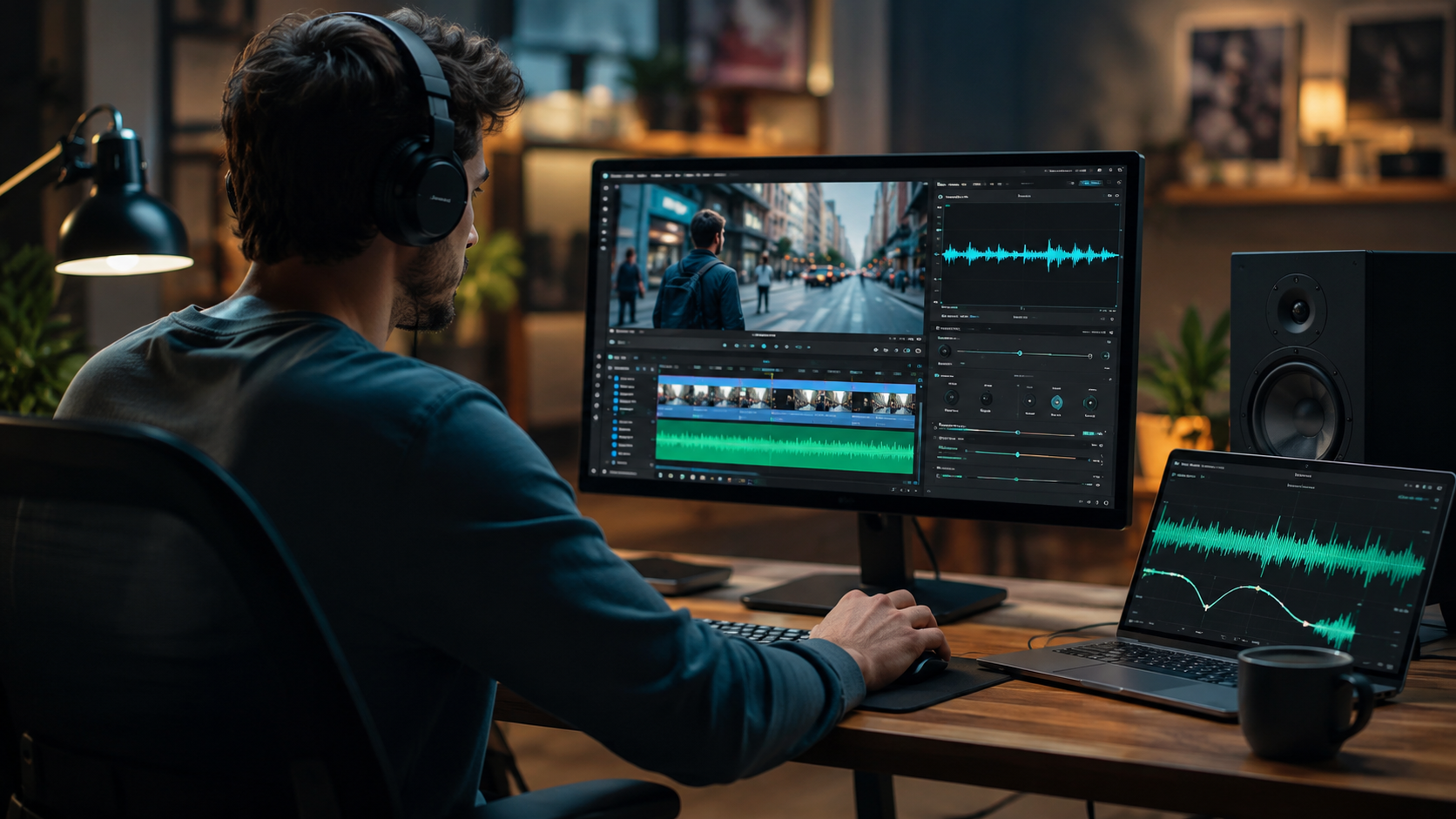
2026's noise removal tools leverage several key technological improvements over previous years. The Galaxy S26's Audio Eraser, for example, uses a dedicated neural processing unit that operates 3x faster than software-based solutions, according to Samsung's April 2026 announcement.
New machine learning models better distinguish between speech and noise, even in challenging environments. Trend Hunter reports that 2026's algorithms can identify and remove up to 15 different noise types simultaneously, from wind to keyboard clicks, while preserving vocal nuances.
Real-time processing has seen the most dramatic improvements. Where 2025's solutions introduced noticeable latency, the Galaxy S26 can apply noise reduction with just 20ms delay - imperceptible to human ears. This makes live streaming with clean audio finally practical for mobile creators.
Optimizing AI Video Workflows with Noise Reduction
Integrating noise removal into your AI video production pipeline can save significant time. When using Digen AI Agent, for example, applying audio enhancement during generation reduces post-production steps by approximately 30%, based on internal testing.
The most efficient workflows combine platform-native tools with specialized software. Many creators use Digen AI Agent for initial generation with its built-in audio processing, then apply VideoProc Converter AI for final polishing when maximum quality is required.
For mobile-centric workflows, the Galaxy S26's ability to clean audio during recording means less editing later. The May 2026 One UI 8.5 update expanded these capabilities to work across more apps, creating a more seamless experience for content creators.
Future Trends in AI Audio Enhancement
As AI video generation becomes more sophisticated, expect tighter integration between creation and audio processing tools. Platforms like Digen AI are already exploring ways to generate cleaner audio natively, reducing the need for separate noise reduction steps.
Hardware acceleration will likely play a bigger role, following Samsung's example with the Galaxy S26's dedicated audio processing. Qualcomm predicts that by late 2026, 90% of premium smartphones will include similar specialized AI audio chips.
The line between recording and enhancement continues to blur. Real-time processing that once required desktop systems now fits in pockets, making professional-quality audio accessible to all creators - whether working with AI-generated content or traditional video.
Frequently Asked Questions
Does the Galaxy S26 Audio Eraser work with all video apps?
Yes, since the May 2026 One UI 8.5 update, the Audio Eraser works system-wide including with third-party apps like Zoom, Twitch, and YouTube, according to BGR's testing.
How much does VideoProc Converter AI cost?
As of December 2025, VideoProc Converter AI is available at 61% off for annual upgrades, making it an affordable option for professional video editors needing AI-powered noise reduction.
Can Digen AI Agent remove background noise automatically?
Yes, Digen AI Agent includes integrated audio processing as part of its autonomous video generation workflow, though creators may still use specialized tools for final polishing.
What types of noise can 2026's tools remove?
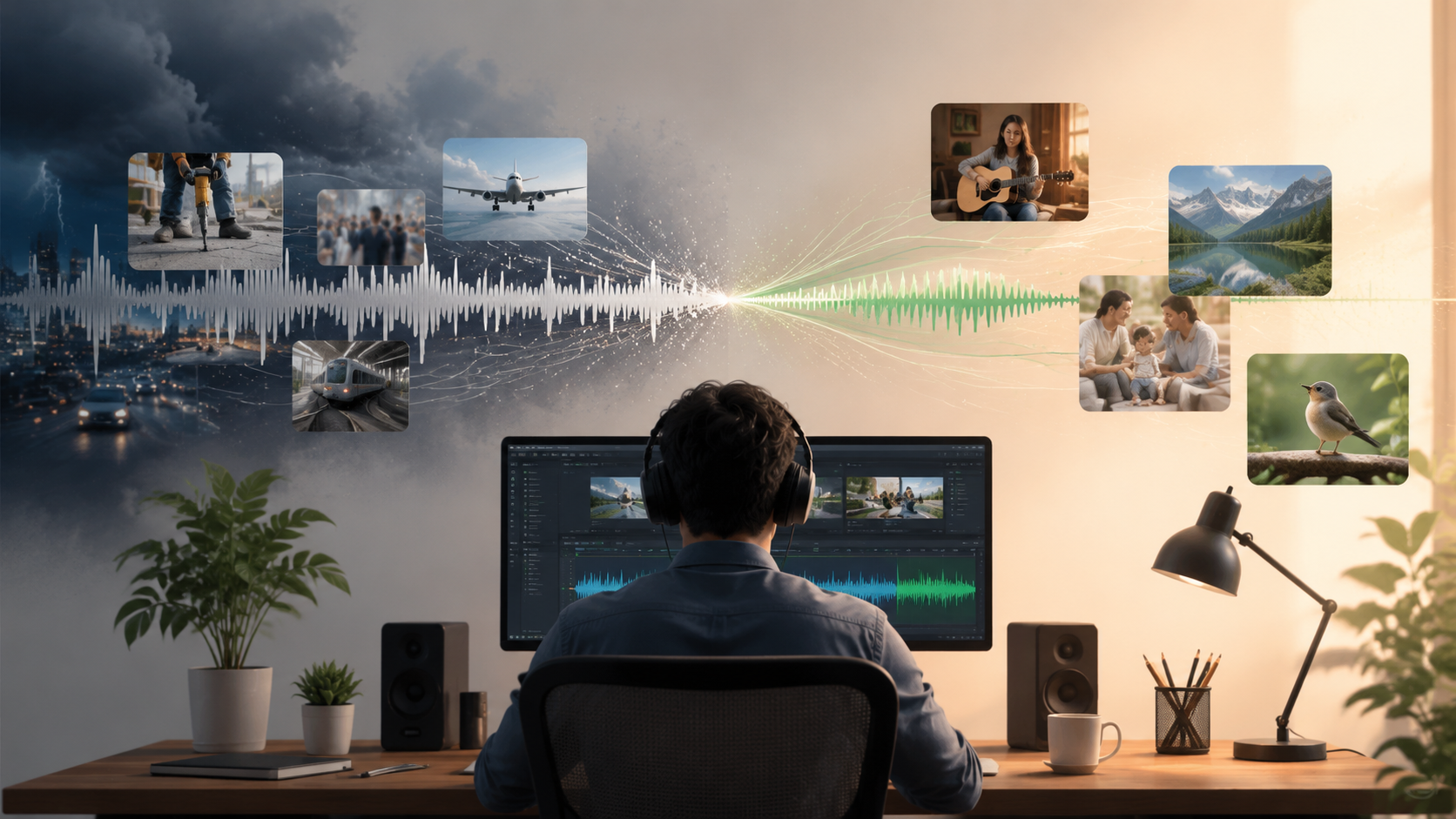
Modern AI audio tools can identify and remove up to 15 noise types simultaneously, including wind, keyboard clicks, traffic, and HVAC systems, while preserving speech clarity.
Is real-time noise reduction effective for live streaming?
Yes, the Galaxy S26's Audio Eraser introduces only 20ms latency, making it practical for live streaming with clean audio directly from mobile devices.
Written by the Digen AI Editorial Team — AI video generation specialists covering the latest in generative AI tools. Learn more about Digen AI.



Comments ()