
How to Optimize Videos for SEO with AI in 2026: Ultimate Guide
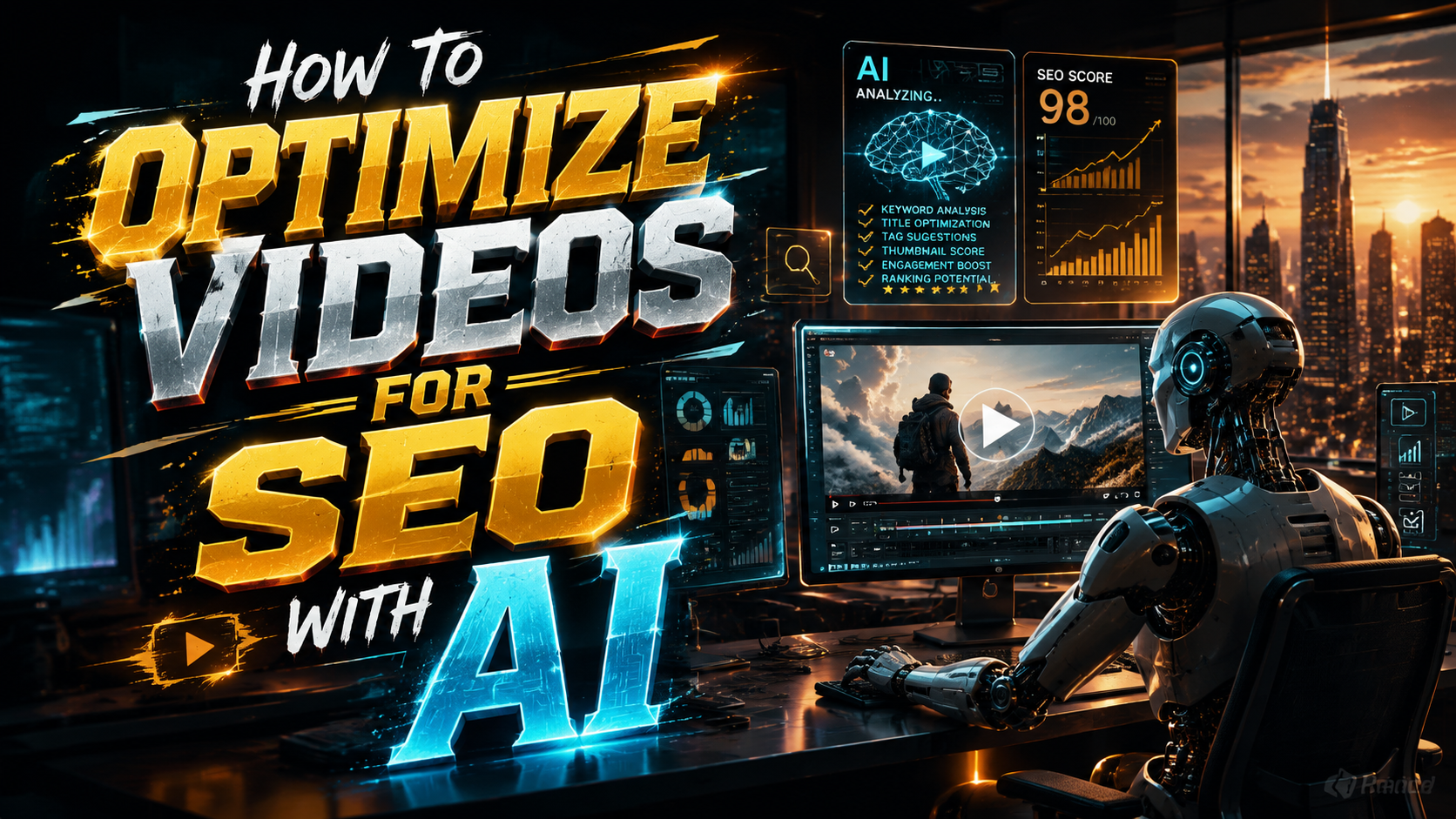
Optimizing videos for SEO with AI in 2026 requires a strategic blend of traditional SEO techniques and cutting-edge AI tools. By leveraging generative AI for metadata, transcriptions, and content recommendations, creators can significantly boost visibility in both traditional search engines and AI-powered platforms like Google's AI Overviews. This guide covers the latest AI-driven video SEO strategies, including GEO (Generative Engine Optimization) and AEO (AI Engine Optimization), to help your content rank higher.
TL;DR: To optimize videos for SEO with AI in 2026, focus on AI-generated metadata, transcriptions, and engagement signals while adapting to GEO and AEO strategies for AI-powered search platforms.
Video SEO with AI in 2026 is the process of using artificial intelligence tools to enhance video discoverability, engagement, and ranking in search engines and AI-driven platforms like Google's AI Overviews and generative search interfaces.
- ✓ AI-generated transcripts and closed captions improve accessibility and searchability
- ✓ GEO (Generative Engine Optimization) is essential for AI-powered search visibility
- ✓ Engagement metrics like watch time and CTR are increasingly AI-weighted
- ✓ Semantic analysis tools help optimize video content for AI understanding
- ✓ AI-powered thumbnail generation boosts click-through rates
Why AI Video Optimization Matters in 2026
The video SEO landscape has transformed dramatically with the rise of AI-powered search platforms. According to DemandSage, 72% of search queries in 2026 are processed through AI-enhanced search interfaces that prioritize different ranking factors than traditional SEO. This shift makes AI optimization essential for video creators who want to maintain visibility.
Google's AI Overviews now incorporate video results more prominently than ever before, as noted in JumpFly, Inc.'s research on YouTube SEO. These AI-generated summaries pull from video content that demonstrates strong semantic relevance, engagement signals, and structured data - all factors that can be optimized with AI tools.
Brands that ignore AI video optimization risk losing significant traffic. Forbes reports that 58% of small businesses using AEO (AI Engine Optimization) strategies see at least 30% more visibility in AI-powered search results compared to those relying solely on traditional SEO techniques.
How to Optimize Videos for SEO with AI: Step-by-Step
- Generate AI-powered transcripts - Use speech-to-text AI to create accurate, searchable transcripts that boost content indexing
- Optimize metadata with semantic analysis - AI tools can suggest titles, descriptions and tags that match search intent
- Enhance video structure for AI comprehension - Use chapter markers and timestamps to help AI understand content flow
- Create AI-generated thumbnails - Test multiple variations to maximize click-through rates
- Analyze engagement patterns - AI can identify optimal video length and pacing for your audience
- Implement GEO strategies - Optimize for generative search engines beyond traditional platforms
Choosing the Right AI Tools for Video SEO
When selecting AI tools for video optimization, prioritize platforms that offer comprehensive GEO capabilities. The ideal solution should analyze both your video content and how AI search engines might interpret and surface it. Look for tools that provide semantic keyword suggestions beyond traditional keyword research.
Advanced AI video SEO tools in 2026 now incorporate predictive analytics, forecasting how algorithm changes might impact your content's visibility. These platforms can simulate how different AI search interfaces (Google's AI Overviews, Perplexity, ChatGPT) would present your video in response to various queries.
Integration capabilities are equally important. The best AI video optimization tools connect seamlessly with your CMS, YouTube Studio, and other publishing platforms to implement optimizations at scale. Automated workflows can save dozens of hours per month while ensuring consistent optimization across all video assets.
AI-Powered Metadata Optimization Techniques
Traditional video metadata optimization is no longer sufficient in 2026's AI-dominated search landscape. Modern AI tools analyze thousands of ranking videos to identify patterns in successful titles, descriptions, and tags. These insights help craft metadata that resonates with both human audiences and AI algorithms.
Semantic keyword expansion is one of the most powerful AI metadata techniques. Instead of focusing on exact-match keywords, AI tools identify conceptually related terms and phrases that search algorithms associate with your core topic. This approach aligns with how generative search engines understand and retrieve content.
Dynamic metadata testing represents another breakthrough. AI can automatically generate and test multiple metadata variations, measuring their impact on click-through rates and watch time. This continuous optimization process ensures your videos always use the most effective metadata for current search conditions.
Optimizing Video Titles for AI Search
Video titles in 2026 must balance clarity, engagement, and semantic richness. AI-powered title generators analyze top-performing videos in your niche to identify patterns in phrasing, length, and emotional triggers. The best titles often include:
- Clear value proposition in the first 40 characters
- Natural language questions that match voice search patterns
- Emotional or curiosity-driven elements to boost CTR
- Semantic keywords that AI associates with your topic
Enhancing Video Content for AI Understanding
Beyond metadata, the actual video content must be structured for optimal AI comprehension. Search engines now use advanced computer vision and audio analysis to understand video content at a granular level. Implementing these AI-friendly structures can significantly boost your visibility.
Chapter markers and timestamps help AI algorithms parse your video's structure and content flow. When properly implemented, these elements allow search engines to direct users to the most relevant portions of longer videos. This improves user experience and increases the likelihood of your content being featured in AI-generated answers.
Visual consistency matters more than ever. AI algorithms analyze visual patterns to assess video quality and relevance. Maintaining consistent color grading, text overlays, and graphic styles helps establish your brand's visual signature while making your content more recognizable to AI systems.
AI-Powered Closed Captions and Transcripts
High-quality transcripts serve dual purposes in AI video optimization. They provide searchable text for indexing while also serving as training data for AI systems to better understand your content. Modern AI transcription tools achieve near-perfect accuracy while identifying key concepts and entities within your video.
Closed captions have evolved beyond simple accessibility features. AI now analyzes caption timing, formatting, and content to assess video relevance and quality. Optimized captions should:
- Sync precisely with spoken content
- Include proper punctuation and capitalization
- Highlight key terms and concepts
- Adapt to different display contexts (mobile, desktop, etc.)
Measuring AI Video SEO Performance
Traditional video metrics remain important, but AI optimization requires tracking additional signals. Engagement patterns like watch time distribution, click-through rates from AI Overviews, and generative search impressions provide crucial insights into how AI systems value your content.
AI-powered analytics platforms now offer predictive performance modeling. These tools can forecast how algorithm updates or content changes might impact your visibility across different search interfaces. This proactive approach helps maintain consistent rankings in volatile AI search environments.
Conversion tracking has also evolved with AI optimization. Advanced attribution models can identify when video views from AI search results lead to meaningful business outcomes. This data helps justify continued investment in AI video SEO strategies.
Key AI Video SEO Metrics to Monitor
When assessing your AI video optimization efforts, prioritize these critical metrics:
| Metric | Importance | Ideal Target |
|---|---|---|
| AI Search Impressions | How often your video appears in AI-generated answers | Increasing month-over-month |
| Generative CTR | Click-through rate from AI search interfaces | Above platform average |
| Watch Time Retention | How long viewers watch before dropping off | 60%+ for first 30 seconds |
| Semantic Relevance Score | How well AI associates your content with target topics | 80%+ for primary keywords |
Future-Proofing Your AI Video SEO Strategy
As AI search technology continues evolving, video creators must adopt flexible optimization approaches. The most successful strategies in 2026 combine foundational SEO principles with adaptive techniques for emerging AI platforms. Regular testing and iteration ensure your methods remain effective as algorithms change.
Investing in AI literacy across your content team pays long-term dividends. Understanding how different AI systems process and recommend video content allows for more strategic optimizations. This knowledge becomes particularly valuable when new AI search platforms launch or existing ones update their algorithms.
Building an AI-optimized video library creates compounding returns over time. As your catalog grows, properly optimized older videos continue generating traffic through AI search interfaces. This evergreen approach to video content contrasts with traditional SEO's often temporary ranking benefits.
Preparing for the Next Wave of AI Search
Industry analysts predict several coming developments in AI video search:
- Increased personalization based on viewer history and preferences
- More interactive video elements within search results
- Expanded multi-modal search combining video, text, and voice
- Deeper integration between video platforms and AI assistants
How does AI video SEO differ from traditional video SEO?
AI video SEO focuses on optimizing for how generative search engines understand and recommend content, while traditional SEO targets algorithmic ranking factors. AI optimization emphasizes semantic relevance, engagement signals, and structured data more heavily.
What's the most important factor for AI video optimization?
Semantic relevance currently ranks as the most critical factor - ensuring AI systems properly understand your video's content and context. This requires comprehensive transcripts, well-structured content, and optimized metadata.
How often should I update my video SEO strategy for AI changes?
Review your AI optimization approach quarterly, as major platforms update their algorithms approximately every 3-4 months. Minor adjustments may be needed more frequently based on performance metrics.
Do I need different optimizations for different AI search platforms?
While core principles remain consistent, each AI search interface has unique characteristics. Google's AI Overviews prioritize different signals than Perplexity or ChatGPT, requiring platform-specific adjustments to your strategy.
Can small creators compete with big brands in AI video search?
Yes - AI search often rewards relevance and quality over brand authority. According to recent studies, well-optimized content from smaller creators frequently outperforms generic corporate videos in AI-generated results.
Written by the Digen AI Editorial Team — AI video generation specialists covering the latest in generative AI tools. Learn more about Digen AI.
Comments ()