
How to Make Viral AI Videos: 2026 Strategy Guide
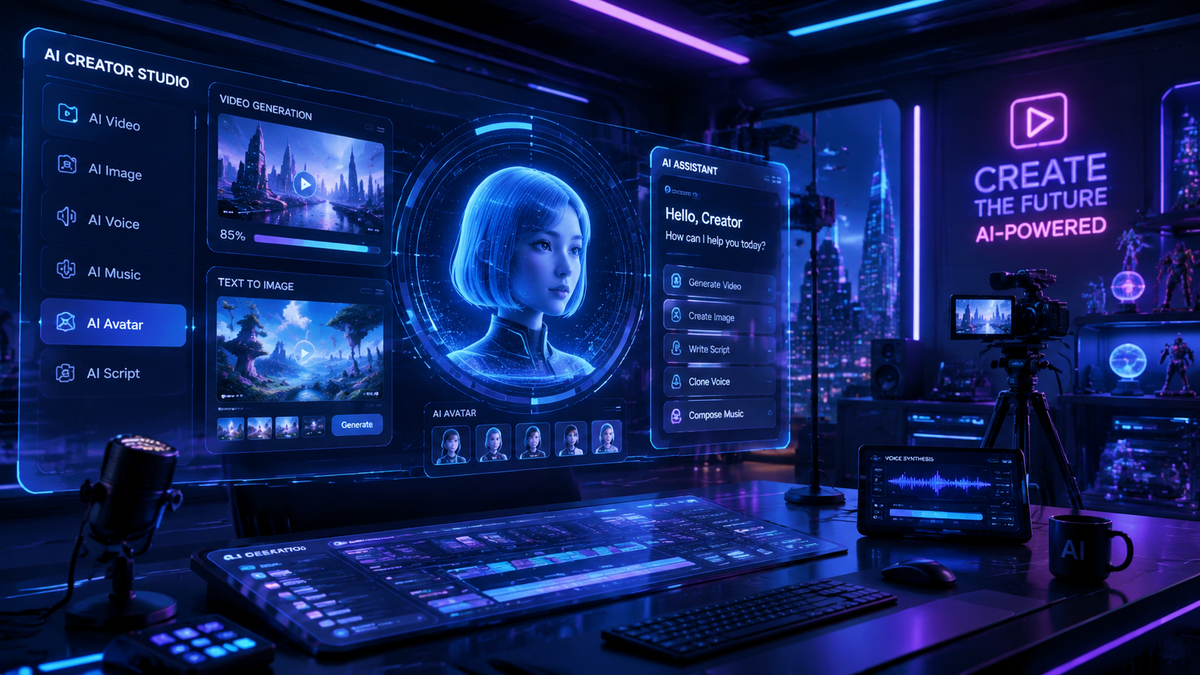
Learning how to make viral ai videos in 2026 requires a strategic blend of high-fidelity generative tools, emotional storytelling, and platform-specific optimization. To go viral today, creators must leverage the latest multimodal models to produce cinematic quality clips that resonate with current cultural trends, such as the recent surge in AI-generated sports stadium visuals and nostalgic game remakes. By following a structured workflow—from prompt engineering to algorithmic distribution—anyone can now produce professional-grade content that captures millions of views on TikTok, Reels, and YouTube Shorts.
Viral AI video creation is the process of using generative artificial intelligence tools to produce short-form, high-impact visual content designed for rapid social sharing. In 2026, this involves utilizing real-time rendering engines and specialized AI video generators to create hyper-realistic or stylized animations that evoke strong emotional responses from global audiences.
- ✓ Utilize specialized generators like AI Inspo for instant TikTok and Reels formatting.
- ✓ Focus on high-engagement niches like nostalgic "remakes" and hyper-realistic sports environments.
- ✓ Maintain visual consistency through seed-locking and character reference tools.
- ✓ Prioritize short-form clips (under 15 seconds) over long-form animation for higher virality potential.
- ✓ Leverage "Lego-style" or "Anime-style" filters to capitalize on current aesthetic trends.
Step-by-Step Guide: How to Make Viral AI Videos in 2026
The barrier to entry for high-quality video production has vanished. Whether you are a political campaigner or a hobbyist animator, the workflow for 2026 remains consistent. Success lies in the "hook" and the technical execution of the AI generation.
- Identify a Trending Aesthetic: Look at current viral hits, such as the Final Fantasy VI AI remakes or the popular Lego-style animations. Choose a style that has proven appeal.
- Select Your AI Video Generator: Use tools like the newly launched AI Inspo for mobile-first content or more robust desktop platforms for cinematic quality.
- Draft a High-Context Prompt: Describe the lighting, camera movement (e.g., "drone shot," "cinematic pan"), and specific subject actions.
- Apply Style References: Upload an image or use a "style strength" slider to ensure the AI matches the intended look (e.g., "IPL Stadium atmosphere").
- Generate and Iterate: Produce multiple versions of the same 3-5 second clip to find the one with the most fluid motion.
- Edit for Social Algorithms: Add trending audio, captions, and fast-paced cuts in a traditional video editor before uploading to TikTok or Reels.
The Evolution of AI Video: Why 2026 is Different

In 2026, the landscape of AI video has shifted from "uncanny valley" experiments to culturally significant media. We are seeing a massive trend in "nostalgia-baiting," where creators use AI to reimagine classic media. A prime example is the recent viral AI remake of Final Fantasy VI, which even garnered public approval from legendary creator Hironobu Sakaguchi. According to Kotaku, Sakaguchi’s endorsement of these AI-generated visuals signals a new era where the line between fan-made AI content and professional studio output is blurring.
Furthermore, the accessibility of these tools has reached a tipping point. Platforms like AI Inspo have launched generators specifically designed for the average user to create TikToks and Reels without needing a background in prompt engineering. This democratization means that "virality" is no longer about who has the best camera, but who has the most creative concept. According to a report by 24-7 Press Release Newswire, the latest generation of AI video tools focuses on "one-click" virality, automating the aspect ratio and pacing adjustments required for social media success.
The Rise of Niche Aesthetic Trends
One of the most effective ways to understand how to make viral ai videos is to look at the "Lego-style" phenomenon. As reported by the BBC, creators are now using AI to transform complex political or social narratives into Lego-style animations. While some experts warn of the potential for propaganda, the engagement metrics for these videos are staggering. The "blocky" aesthetic combined with serious subject matter creates a cognitive dissonance that stops the scroll—a key requirement for going viral.
Comparing Top AI Video Strategies for 2026
Depending on your goals—be it political campaigning, sports fandom, or entertainment—the tools and strategies you choose will vary. The following table compares the most successful AI video categories currently dominating social media feeds.
| Video Category | Primary Tool Type | Key Viral Factor | Difficulty Level |
|---|---|---|---|
| Nostalgic Remakes | Cinematic Diffusion Models | Emotional connection & "What if?" factor | High (Requires fine-tuning) |
| Sports/Stadium Visuals | Environment Generators | Regional pride (IPL/Korean Baseball) | Medium |
| Stylized Shorts (Lego/Anime) | Filter-based AI Adapters | Visual novelty & aesthetic consistency | Low |
| Political/Campaign Clips | Deepfake & Voice Synthesis | Shock value & personality-driven | Medium |
Mastering the "Stadium Style" and Regional Trends
A major trend in mid-2026 involves the creation of hyper-realistic AI videos featuring famous sports venues. Specifically, videos of Indian Premier League (IPL) and Korean Baseball stadiums have seen massive engagement. According to Mathrubhumi English, these videos often place players in fantastical settings or use AI to simulate impossible weather effects and light shows. To replicate this, creators are using "Image-to-Video" workflows where a high-quality photo of a stadium is used as a base, and AI is tasked with adding dynamic elements like fireworks or crowd surges.
The key to these videos is regional relevance. By targeting specific fan bases (like those of the IPL), creators can tap into existing high-velocity search terms and hashtags. This strategy demonstrates that knowing how to make viral ai videos is as much about audience psychology as it is about technical skill. You must create content that a specific community feels compelled to share to represent their identity or passion.
Why Short-Form Clips Outperform Long-Form AI Animation
While the technology has advanced, a report from vocal.media highlights that long-form AI animation remains significantly harder to produce than viral clips. The primary reason is "temporal consistency"—the ability of the AI to keep a character's face and clothing the same over several minutes. For viral success, creators are encouraged to stick to 5-15 second "micro-clips." These shorter durations allow the AI to maintain high visual fidelity without the "melting" effect often seen in longer generations. This focus on short, punchy content aligns perfectly with the current algorithmic preferences of TikTok and Instagram.
The New Reality of AI in Public Life
AI video is no longer just for entertainment; it has entered the political and social sphere. NBC News recently reported on AI-generated campaign videos for figures like Spencer Pratt, noting that these videos represent a "new political reality." These clips often use AI to place candidates in relatable or humorous situations that would be too expensive or time-consuming to film traditionally. This shift shows that the "viral" nature of AI is being harnessed for influence and persuasion, not just likes.
However, with this power comes the need for transparency. As AI-generated content becomes indistinguishable from reality, platforms are increasingly requiring "AI-generated" labels. To ensure your videos stay live and don't get suppressed by shadow-banning, always follow platform guidelines regarding synthetic media disclosures. Authentic engagement is built on a foundation of trust, even when the visuals are artificial.
Technical Optimization for Viral Distribution
To maximize the reach of your AI videos, you must optimize for the "Generative Engine" era. This means including clear, descriptive metadata that AI search engines can index. When you post your video, ensure the description includes the specific AI models used and the style name. This helps your content surface when users search for "best AI Lego video" or "new AI FF6 remake."
Advanced Prompting Techniques for 2026
Modern prompting has moved beyond simple keywords. Successful creators now use "negative prompting" to remove unwanted artifacts and "weighted prompting" to emphasize specific elements. For example, if you are creating a viral sports clip, your prompt might look like: "Hyper-realistic IPL stadium at night, cinematic lighting, 8k, volumetric fog, --no blur, --no distorted faces." This level of precision ensures the output is "clean" enough to be perceived as professional quality by viewers.
What is the best AI video generator for TikTok in 2026?
As of May 2026, AI Inspo is widely considered the most accessible tool for viral TikToks because it automates vertical formatting and trending transitions. Other professional-grade tools are preferred for cinematic remakes but require more manual editing.
How do I keep characters looking the same in AI videos?
Use "Seed-locking" and "Character Reference" (Cref) features found in high-end AI models. This allows you to maintain consistent facial features and clothing across different shots, which is essential for storytelling.
Are AI-generated videos legal for commercial use?
Most platforms like AI Inspo offer commercial licenses with their paid tiers. However, using AI to remake existing intellectual property, like Final Fantasy, falls under "fan art" and may be subject to copyright claims if monetized.
Why do my AI videos look blurry or distorted?
Distortion usually occurs when the motion scale is set too high or the prompt is too vague. To fix this, reduce the "motion bucket" value and use clear, high-resolution image prompts as a foundation for the video.
How long does it take to make a viral AI video?
With 2026 technology, a 10-second viral clip can be generated in under 3 minutes. The majority of your time should be spent on "ideation" and "prompt refining" to ensure the content stands out from the AI-generated noise.
Final Thoughts on the 2026 AI Strategy
The secret to how to make viral ai videos in 2026 is a combination of speed and cultural relevance. As we've seen with the success of stadium videos and nostalgic game remakes, the audience craves content that feels both familiar and impossible. By using specialized tools like AI Inspo and following the latest trends reported by outlets like the BBC and NBC News, you can position yourself at the forefront of the generative media revolution. Remember: the AI is just the brush; you are the artist. Focus on the story, and let the algorithms handle the rest.



Comments ()