
How to Make AI Video in 2026: A Complete Guide
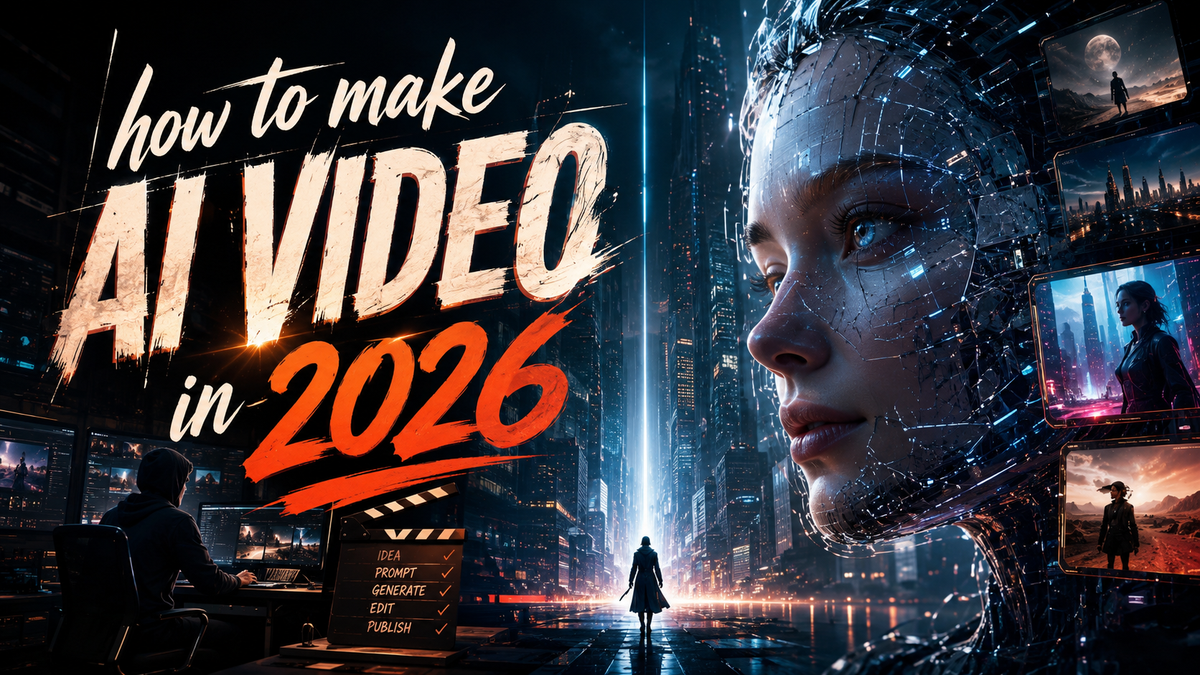
How to Make AI Video in 2026: The New Era of Content Creation
Making an AI video in 2026 is as simple as typing a text prompt, choosing a reference video for style, and letting generative engines handle the rest — but truly mastering the process requires understanding the latest tools, ethics, and platform policies. This complete guide walks you through every step, from selecting the right software to publishing your AI-generated content on platforms like YouTube, which now automatically labels AI videos.
Making an AI video in 2026 is a three-stage process: ideating with text-to-video generators, customizing with reference videos and AI music, then finalizing with built-in ad tools and platform compliance. Tools like Edimakor V5.0.0 and dedicated AI music generators make the workflow faster than ever.
- ✓ AI video creation in 2026 relies on text-to-video engines that accept reference videos for consistent style and motion.
- ✓ YouTube now automatically labels AI-generated content; compliance is mandatory for monetization and visibility.
- ✓ AI music generators can produce custom soundtracks that sync perfectly with your video, eliminating licensing headaches.
- ✓ Political campaigns and music artists are already using AI video tools to produce viral content at a fraction of traditional costs.
- ✓ The best results come from combining multiple AI tools — a text generator, a video generator, and an AI audio platform.
What Is AI Video Creation in 2026?
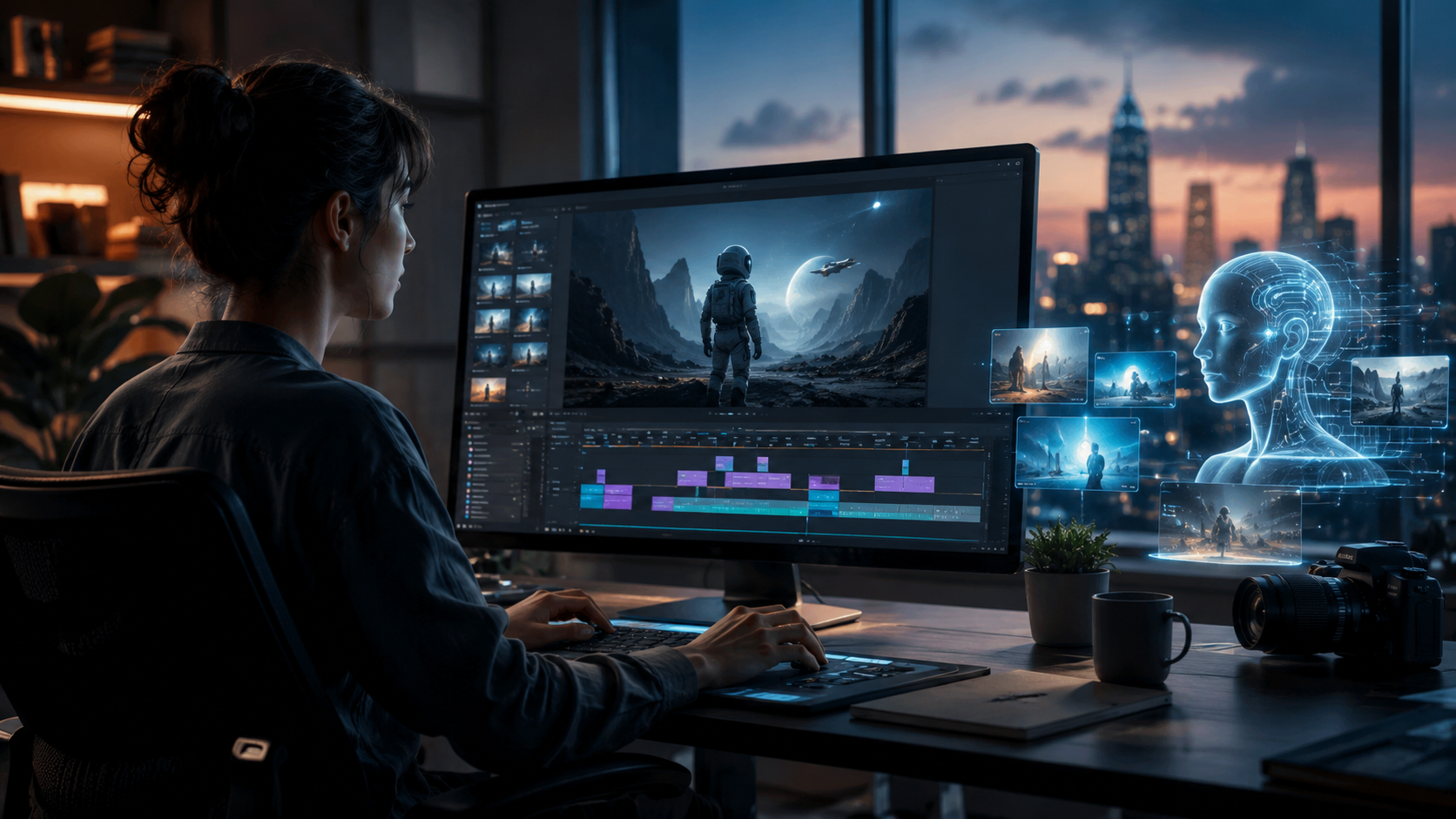
According to a June 2026 Cybernews article, AI video generators have surged in capability, transforming text prompts into high-resolution clips with consistent character animation, camera movement, and even lip-sync. The technology now understands scene dynamics, lighting, and emotional tone, making it suitable for professional music videos, political ads, and social media content. In 2026, the term “how to make ai video” no longer means stitching together stock footage — it means generating original visual narratives from scratch using generative AI.
The Core Technologies Powering AI Video
Modern AI video tools rely on diffusion models trained on billions of video clips. They can accept multiple inputs: a text description, an image to guide style, or a reference video to copy motion patterns. Edimakor V5.0.0, released in early June 2026, introduced the “Reference to Video” feature that allows users to upload a short clip and have the AI replicate its camera angles and pacing while generating new content. This was a major leap forward, as reported by the Caledonian Record on June 3, 2026.
Essential Tools for Making AI Videos in 2026
To answer “how to make ai video in 2026” comprehensively, you need to know the tool ecosystem. The market has matured beyond single-platform solutions into interoperable suites that handle video generation, music creation, and ad insertion.
AI Video Generators
Leading platforms now offer text-to-video, image-to-video, and reference-to-video modes. Edimakor V5.0.0 is one of the most talked-about releases, with its AI Ads feature that automatically creates promotional overlays and call-to-action buttons. The Cybernews article noted that the rise of AI video generators has cut production time for short-form content from days to minutes.
AI Music Generators
A complete AI video needs audio. Ventureburn’s June 8, 2026 article listed the 10 best AI music generators for 2026, capable of producing custom tracks in any genre. These tools sync to the video’s length and mood, and some even generate lyrics from your prompt. For music video creators, ePHOTOzine (June 5, 2026) highlighted how to create a full music video by pairing an AI video software with an AI music generator, achieving studio-quality results without hiring musicians.
Editing and Optimization Tools
Once your AI video is generated, tools like Edimakor V5.0.0 also include a built-in timeline editor, text overlays, and AI-powered color grading. Additionally, YouTube’s auto-labeling system (announced by TechCrunch on May 27, 2026) scans uploaded videos for AI-generated content and adds a visible label, so creators should verify that their output is properly tagged to avoid demonetization.
| Feature | Edimakor V5.0.0 | Other Leading Generators | AI Music Add-ons |
|---|---|---|---|
| Reference video input | ✓ Full support | Limited or beta | N/A |
| AI ad integration | ✓ Built-in | External plugins | N/A |
| Custom music generation | Third-party sync | Third-party sync | Native (e.g., Soundraw, Mubert) |
| YouTube auto-label compliance | Metadata tags included | Manual upload | N/A |
| Average generation speed | 2–5 minutes per 30-sec clip | 3–8 minutes per 30-sec clip | Instant |
Step-by-Step Guide: How to Make AI Video in 2026
Follow this numbered process to create your first AI video, based on the latest 2026 workflow best practices.
- Define your concept and script. Write a detailed text prompt including scene descriptions, camera angles, lighting, and emotional tone. For example, “A futuristic city at sunset, drone flyover, neon lights, epic music in the background.”
- Select a reference video (optional but recommended). If you want a specific motion style, upload a short clip to Edimakor V5.0.0 or a similar tool that supports reference-to-video. The AI will analyze the movement and replicate it in your new video.
- Generate the video. Enter your prompt, choose resolution (1080p or 4K), and select the duration. Hit generate. Wait 2–5 minutes for the AI to produce the clip.
- Create custom AI music. Use a tool from Ventureburn’s 2026 list to generate a soundtrack that matches your video’s mood. Adjust tempo, instruments, and length to align with the visuals.
- Edit and ad enhancements. Import the video and music into Edimakor V5.0.0 or your editor. Use the AI Ads feature to add non-intrusive overlays, product placements, or sponsor callouts. Trim, color-correct, and add text as needed.
- Apply YouTube AI labels. Before uploading, ensure the video metadata includes an AI-generated flag. YouTube’s automatic scanning will also label it, but proactively checking avoids surprises. The TechCrunch article confirmed that the policy takes effect across all uploads.
- Publish and monitor. Upload to YouTube, social media, or your website. Analyze engagement — AI videos often get higher click-through rates when labeled transparently, as trust increases.
Best Practices for AI Video in 2026: Ethics, Quality, and Compliance
As AI video becomes mainstream, creators must navigate new rules. YouTube’s auto-labeling system, reported by TechCrunch on May 27, 2026, is a significant change. Videos that are fully or partially generated by AI now carry a visible label, which affects how audiences perceive the content. To maintain trust, always disclose AI involvement even if the platform does it for you.
Quality Control Tips
AI videos can still suffer from glitches — weird hand movements, inconsistent lighting, or morphing faces. Always review the output frame by frame for critical details. Tools like Edimakor V5.0.0 have a “fix region” feature that lets you re-render specific parts. According to the Cybernews article, the best results come from iterative prompting: run the generation multiple times, tweaking the text each time until the video matches your vision.
Ethical Considerations
The Time magazine article (June 3, 2026) highlighted how strange AI videos boosted Spencer Pratt’s political campaign, raising questions about deepfakes and manipulation. While the technology can be used effectively for satire or creative expression, avoid creating misleading content that could deceive voters or spread misinformation. Always use AI video responsibly — clearly mark synthetic content and never impersonate real people without consent.
Real-World Applications: Music Videos and Political Campaigns
In 2026, two verticals are driving the adoption of how to make ai video: music and politics. ePHOTOzine’s June 5 guide showed that independent musicians can now produce a full music video in a day using AI video software and AI music generators. The article specifically mentioned using Edimakor and a top AI music tool to generate synchronized visuals and soundtracks, cutting costs from thousands of dollars to practically zero.
Meanwhile, Time magazine’s coverage of Spencer Pratt’s campaign revealed that AI videos — even weird, surreal ones — can go viral and influence voter sentiment. The campaign used AI video generators to produce dozens of short clips daily, each tailored to different demographic groups. This strategy, while controversial, demonstrated the immense reach and speed of AI-generated political content. It also underscored the need for clear labeling to maintain democratic integrity.
Future Trends: What’s Next for AI Video in 2026 and Beyond
Based on the research, several trends are accelerating. First, the integration of AI ads directly into video generators (as Edimakor V5.0.0 did) suggests that monetization will become seamless — creators can generate a video and immediately insert sponsored content without leaving the platform. Second, the YouTube auto-labeling mandate will likely spread to other platforms like TikTok and Instagram, standardizing transparency across the industry.
Additionally, the rise of AI music generators means that soundtracks will no longer be an afterthought. Ventureburn’s list of 10 best AI music generators for 2026 includes tools that can match the exact rhythm of your AI video, allowing for perfect sync without manual editing. As these tools improve, the entire video creation pipeline — from script to music to visuals to distribution — will be fully automated.
Frequently Asked Questions About Making AI Video in 2026
Can I make a full-length movie with AI video in 2026?
Yes, but most tools are optimized for short clips (up to 60 seconds). For longer projects, you can generate multiple segments and stitch them together in an editor. The Cybernews article noted that multi-segment generation is improving rapidly, with some platforms supporting up to 10-minute sequences in late 2026.
Do I need a powerful computer to run AI video software?
No, most AI video generators are cloud-based. You only need a modern web browser and a stable internet connection. Edimakor V5.0.0, for instance, processes everything on remote servers and streams the result to your device.
Will YouTube demonetize my AI video if I don’t label it?
According to TechCrunch’s May 27, 2026 report, YouTube will automatically label AI videos, but failing to manually comply with their metadata guidelines could result in restricted monetization or removal. Always add the AI-generated tag in your upload settings.
How much does it cost to make an AI video in 2026?
Many AI video generators offer free tiers with watermarks or limited resolution. Premium plans range from $20 to $100 per month, depending on output quality and number of generations. AI music generators often have separate subscriptions starting at $10 per month.
Can AI video replicate my own face for personalized content?
Yes, some advanced tools allow you to upload a reference image of a person and generate videos with that face. However, ethical use is critical — do not use others’ likenesses without explicit permission. The Time magazine article about Spencer Pratt’s campaign raised concerns about unauthorized impersonation.
Are AI video generators replacing human editors completely?
Not yet. While AI handles generation, human oversight is still needed for quality control, storytelling, and ethical checks. The ePHOTOzine guide emphasized that the best music videos combine AI efficiency with human creative direction.



Comments ()