
How to Make AI Shorts: The 2026 Viral Video Creation Guide
Learning how to make ai shorts in 2026 involves leveraging the latest Gemini Omni integration and generative video tools to automate the scripting, visual generation, and editing process. By utilizing YouTube's native AI remixing features and third-party generative models, creators can now transform simple text prompts or existing long-form content into high-engagement vertical videos in minutes.
AI Shorts are short-form vertical videos (under 60 seconds) created using generative artificial intelligence tools like Gemini Omni or Sora to handle scriptwriting, voiceovers, and visual synthesis. In 2026, the process is primarily driven by "Ask YouTube" conversational search and automated remixing tools that allow for instant content iteration and viral-ready formatting.
- ✓ Leverage Gemini Omni within YouTube for real-time video remixing and AI-powered conversational editing.
- ✓ Use "Ask YouTube" search to identify trending niches and viral hooks before generating your script.
- ✓ Incorporate generative animation tools, as seen in recent Netflix initiatives, to create high-fidelity visual narratives.
- ✓ Prioritize human-in-the-loop editing to avoid "AI slop" and maintain high-quality creator standards.
Step-by-Step Guide: How to Make AI Shorts in 2026
The landscape of content creation has shifted from manual editing to prompt-based orchestration. With the announcements from Google I/O 2026, the barrier to entry has never been lower, but the competition for attention is higher. To stand out, you must use the integrated ecosystem of AI tools effectively.
- Identify Your Niche via "Ask YouTube": Use the new AI-powered conversational search to ask what topics are currently trending in the Shorts feed.
- Generate a Script with Gemini Omni: Input your topic into the Gemini interface to generate a 55-second script optimized with a high-retention hook.
- Synthesize Visuals: Use generative video models to create background footage or use the "Shorts Remix" tool to transform existing high-performing videos into new assets.
- Apply AI Voiceovers and Captions: Select a natural-sounding neural voice and use auto-captioning features to ensure accessibility and engagement.
- Final Review and Distribution: Review the content to ensure it doesn't fall into the "AI slop" category by adding unique transitions or personal commentary before hitting publish.
The Evolution of YouTube Shorts with Gemini Omni
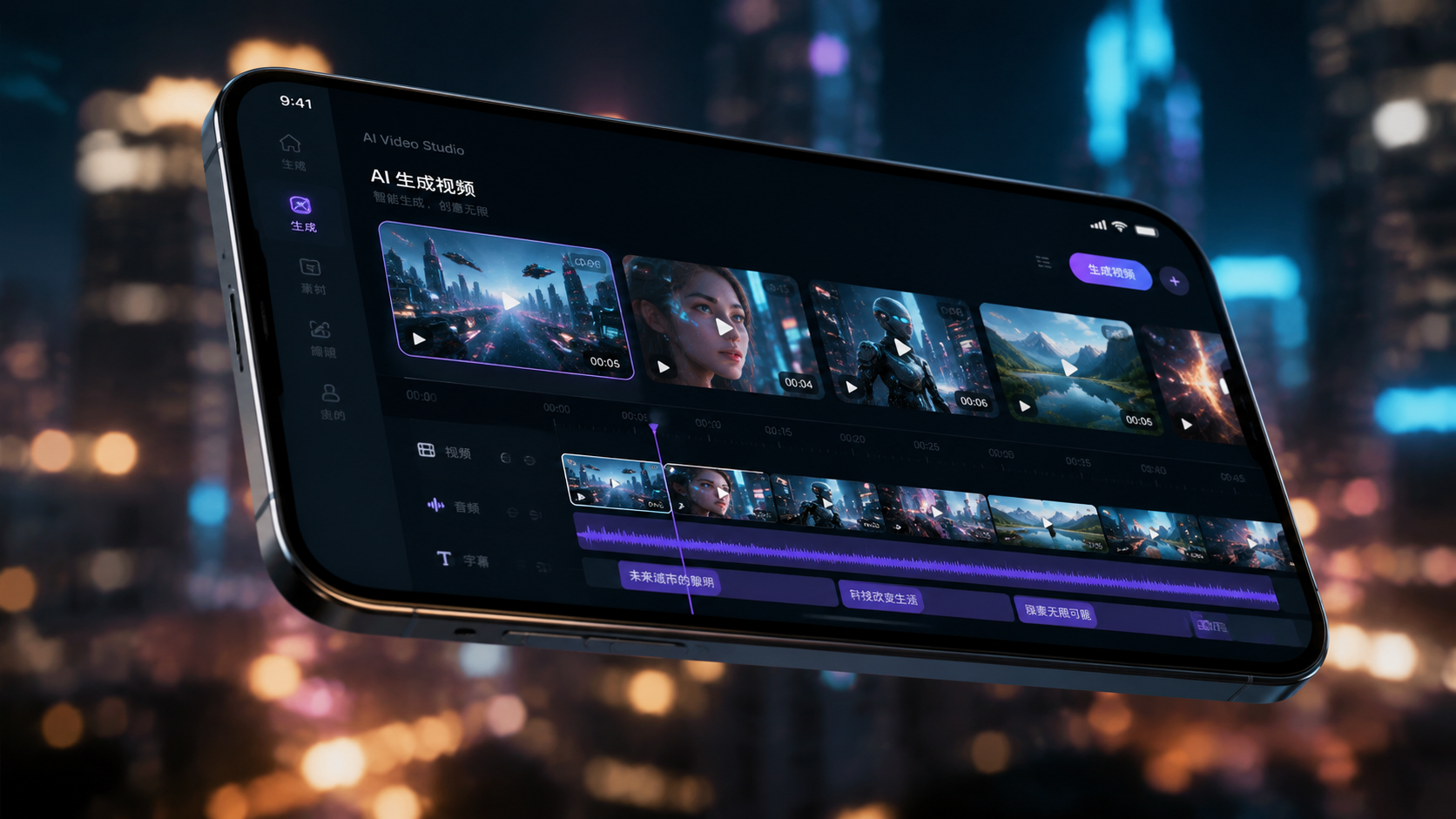
Following the major updates at Google I/O 2026, YouTube has fundamentally changed how to make ai shorts by embedding Gemini Omni directly into the creator studio. This integration allows for "multimodal creation," meaning the AI understands text, audio, and video simultaneously. According to the YouTube Official Blog, these tools are designed to assist creators in brainstorming rather than just replacing the creative spark. The goal is to reduce the "blank page" syndrome that many new creators face.
One of the most significant additions is the "Ask YouTube" feature. This conversational AI doesn't just find videos; it analyzes them. Creators can use this to see why a specific video went viral and ask the AI to draft a script that follows a similar emotional arc. TechCrunch reports that Gemini Omni in Shorts can now suggest the exact timestamp for a "drop" or a transition based on the rhythm of the background music you've selected, making professional-level editing accessible to everyone.
Advanced Remixing and Ownership
YouTube’s new Gemini-powered remixing tools have sparked a conversation about the future of digital rights. As noted by Startup Fortune, these tools allow creators to "remix" existing content with unprecedented depth, changing the art style, the speaker’s voice, or even the background setting while maintaining the original movement. This makes the process of how to make ai shorts a collaborative effort between the original creator and the AI-driven remixer.
Combating AI Slop
While the tools are powerful, there is a growing concern regarding "AI slop"—low-quality, mass-produced content that lacks substance. Android Central highlights that Google's new tools could potentially flood the platform with repetitive content. To succeed in 2026, your strategy for how to make ai shorts must include a "human-in-the-loop" phase where you refine the AI's output to ensure it provides genuine value or unique entertainment to the viewer.
Comparing 2026 AI Video Creation Tools
To choose the right workflow, it is essential to understand the capabilities of the current market leaders. The following table compares the primary platforms used for generating short-form content in 2026.
| Feature | YouTube Gemini Omni | Netflix Gen-AI (Animation) | Third-Party Gen-Video |
|---|---|---|---|
| Primary Use Case | Social Media / Shorts | High-end Animated Shorts | Cinematic B-Roll |
| Ease of Use | Very High (In-app) | Medium (Pro-sumer) | Low (Prompt-heavy) |
| Integration | Direct to YouTube | Internal Production | Manual Upload |
| Remixing Capability | Advanced AI-driven | N/A | Limited |
How to Make AI Shorts with Generative Animation
A surprising player in the 2026 creator economy is Netflix. While traditionally a streaming service, Engadget reports that Netflix is now utilizing generative AI to produce animated shorts. This technology is trickling down to independent creators, allowing them to use similar "style-transfer" models to turn a simple webcam recording into a high-fidelity 3D animation. This is a game-changer for creators who want to remain anonymous or create fantastical worlds without a Hollywood budget.
When considering how to make ai shorts that look professional, you should look into these animation-specific models. By feeding a basic storyboard into an AI animator, you can generate consistent characters across multiple videos. This builds brand recognition, which is a key factor in going viral on platforms like YouTube and TikTok. Statistics from recent industry reports suggest that animated AI content has a 30% higher retention rate among younger demographics compared to static AI imagery.
Scripting for the AI Era
The way we write for AI has changed. In 2026, scripts are no longer just dialogue; they are "prompt-scripts." This means including metadata for the AI to understand the tone, the lighting, and the camera movements. When you are learning how to make ai shorts, focus on mastering the art of the multimodal prompt. Instead of saying "a man walks," say "cinematic low-angle shot of a man walking through a neon-lit Tokyo street, 4k, hyper-realistic."
The Role of Conversational Search
The "Ask YouTube" conversational search is not just for viewers; it is a powerful research tool for creators. According to RouteNote, this feature brings AI search to video discovery, allowing creators to find "content gaps." For example, you can ask, "What are people asking about AI video that hasn't been answered in a Short yet?" The AI will analyze thousands of comments and search queries to give you a winning topic idea.
Monetization and the Future of AI Shorts
Monetizing AI-generated content in 2026 requires transparency. Platforms are increasingly using automated detection to label AI-generated media. However, this doesn't hinder reach; in fact, "AI-enhanced" is becoming a popular category of its own. When you master how to make ai shorts, you also need to master the platform's disclosure tools. According to Google I/O 2026 updates, properly labeled AI content is eligible for the same ad-revenue sharing as traditional content, provided it meets originality guidelines.
Ownership remains a hot-button issue. As Startup Fortune points out, when you use Gemini-powered remix tools, the "ownership" of the resulting clip is often shared or licensed under new creative commons frameworks. Creators must stay informed on the latest terms of service to ensure they can monetize their work long-term. The most successful creators are those who use AI to augment their unique voice, rather than those who let the AI speak for them.
Is it legal to monetize AI-generated Shorts in 2026?
Yes, you can monetize AI-generated Shorts as long as you comply with the platform's disclosure requirements. YouTube requires creators to label content that is significantly altered or generated by AI to maintain transparency with viewers.
What is "Ask YouTube" and how does it help creators?
"Ask YouTube" is a conversational AI search tool that allows creators to find trending topics and analyze viewer sentiment. It helps in the "how to make ai shorts" process by identifying content gaps and suggesting viral hooks based on real-time data.
Can I use Gemini Omni to edit my existing videos?
Absolutely. Gemini Omni includes powerful remixing tools that can take your existing long-form videos and automatically cut them into high-engagement Shorts, complete with AI-generated captions and optimized pacing.
How do I avoid my videos being labeled as "AI Slop"?
To avoid the "slop" label, ensure you are adding original value. Use AI for the heavy lifting—like editing and b-roll generation—but provide your own unique script, voiceover, or creative direction to ensure the content feels authentic.
Does Netflix offer tools for making AI Shorts?
While Netflix primarily uses generative AI for its own animated productions, the technology they have developed has influenced the wider market, leading to the release of high-end animation tools that independent creators can now use for their own Shorts.



Comments ()