
How to Make AI Music Videos: 2026 Complete Creator Guide
Learning how to make ai music videos in 2026 involves using generative video platforms to sync visual sequences with audio tracks through text-to-video or image-to-video processing. By leveraging advanced diffusion models and temporal consistency tools, creators can now generate cinematic, professional-grade music videos from simple text prompts or existing footage. The process has evolved from experimental glitches to industry-standard workflows used by legendary artists like the Rolling Stones and Peter Gabriel.
AI music video creation is the process of using artificial intelligence models to generate or enhance visual content that synchronizes with a musical track. In 2026, this is achieved by inputting a song into an AI video generator, which then uses temporal consistency and audio-reactive algorithms to produce high-fidelity visuals that match the rhythm, mood, and lyrics of the music.
- ✓ AI music videos now support full-length song synchronization with consistent character rendering.
- ✓ Modern tools allow for "digital de-aging," as seen in the latest 2026 Rolling Stones music video.
- ✓ Professional-grade results are achievable for indie musicians without the need for massive production budgets.
- ✓ Audio-reactive AI systems can now turn a single song into a complete, narrative music video automatically.
The Evolution of AI Music Video Production in 2026
The landscape of digital media has shifted dramatically this year. As of early 2026, the technology has moved past the "uncanny valley" phase that dominated earlier attempts. According to recent reports from EurekAlert!, new AI systems have been developed that can turn a song into a complete music video by analyzing the frequency, tempo, and lyrical sentiment of the audio file. This automated synchronization ensures that visual transitions occur perfectly on the beat, a task that previously took human editors dozens of hours to perfect.
Furthermore, high-profile collaborations have validated the medium. A notable example includes a Full Sail University graduate who recently created a critically acclaimed AI music video for Peter Gabriel. This shift toward mainstream acceptance is further evidenced by the New York Daily News reporting that the Rolling Stones utilized AI in May 2026 to make band members appear younger in their latest video, proving that AI is not just for "generating" new content, but for sophisticated visual effects and digital makeup.
Step-by-Step Guide: How to Make AI Music Videos
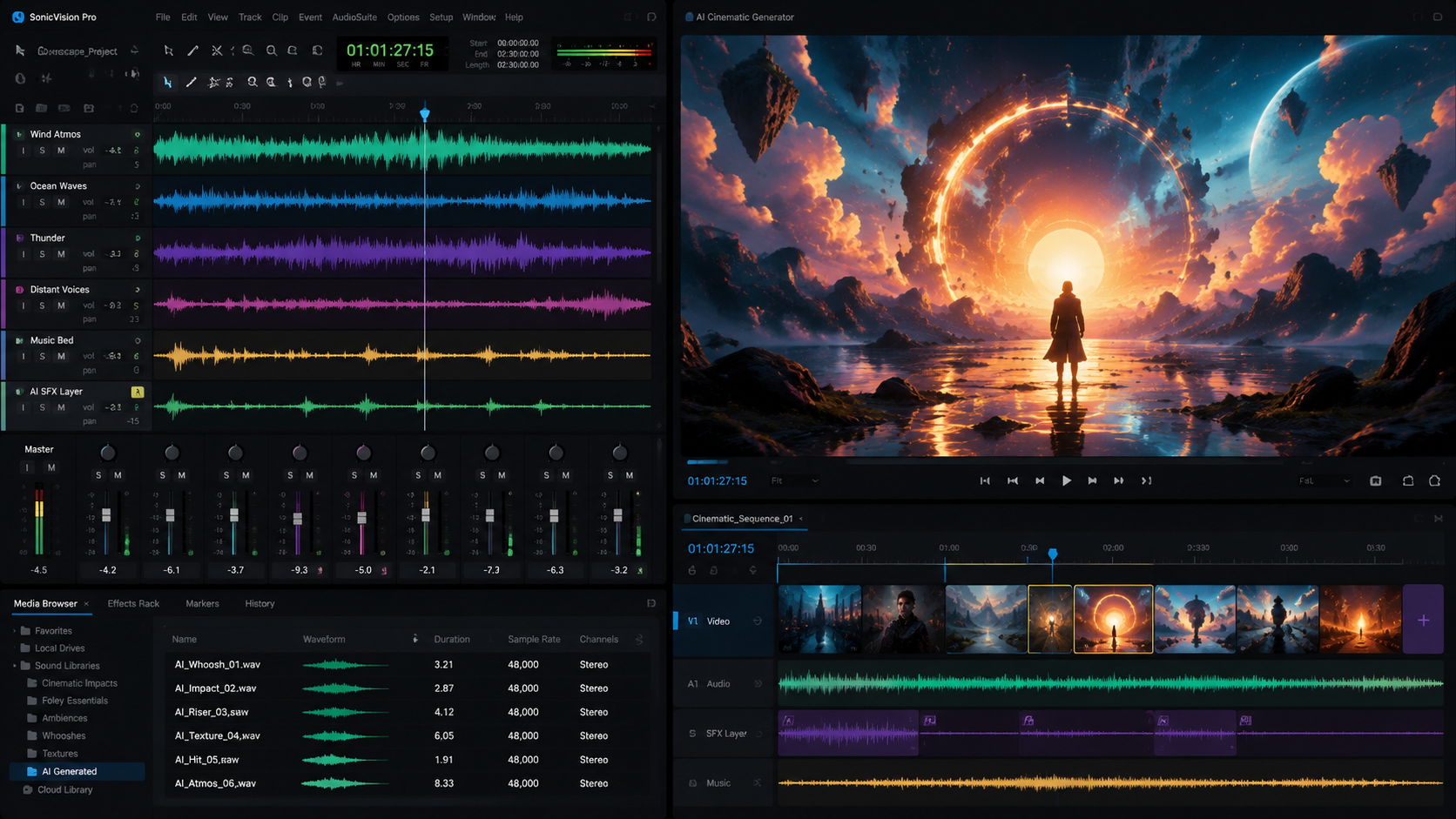
If you are looking to create your first visual masterpiece, follow these industry-standard steps for 2026. Whether you are an indie artist or a professional creator, the workflow for how to make ai music videos has become increasingly streamlined.
- Prepare Your Audio Track: Ensure your song is in a high-quality format (WAV or FLAC). AI generators in 2026 use the metadata and waveform patterns to determine the pacing of the visual cuts.
- Select Your AI Video Platform: Choose a tool based on your style—options range from narrative text-to-video generators to abstract audio-reactive visualizers.
- Define Your Visual Style and Storyboard: Input text prompts that describe the aesthetic (e.g., "1970s cinematic film grain," "cyberpunk neon," or "oil painting animation").
- Upload Reference Images (Optional): For character consistency, upload "seed" images of the artist to ensure the AI maintains the same appearance throughout the video.
- Generate and Iterate: Run the generator in segments. Most creators find that generating 10-15 second "scenes" and stitching them together yields better results than generating a 4-minute video in one go.
- Post-Production Refinement: Use traditional editing software or AI upscalers to enhance the resolution to 4K or 8K and add final color grading.
Top 5 AI Music Video Generators for 2026
The market for generative tools has matured, providing creators with specialized options. According to a 2026 study by New Wave Magazine, the choice of tool often depends on whether the musician wants a narrative-driven video or a more abstract, visualizer-style experience. Recent testing by NoHo Arts District highlighted five key platforms that have become the gold standard for indie musicians this year.
| Tool Name | Primary Feature | Best For | Ease of Use |
|---|---|---|---|
| Sora Gen-3 | Temporal Consistency | Narrative Storytelling | Intermediate |
| AudioVisualizer Pro | Real-time Audio Sync | EDM and Lo-Fi Artists | Beginner |
| DeepFlicker AI | Digital De-aging/VFX | Professional Music Videos | Advanced |
| BeatSync Studio | Automatic Cut-on-Beat | Fast Content Creation | Beginner |
| Visionary.ai | Stylized Animation | Indie/Artistic Projects | Intermediate |
Understanding Audio-Reactive Technology
Modern AI systems in 2026 are "audio-aware." Unlike early versions that simply moved pixels randomly, current models use a process called "latent space manipulation" tied to the audio's amplitude. This means if a bass drum hits, the AI can trigger a specific visual "pulse" or change the lighting within the generated scene. This level of integration is what makes how to make ai music videos so effective for modern social media platforms like TikTok and YouTube Shorts.
The Rise of Digital De-aging and Character Consistency
One of the biggest breakthroughs reported by the New York Daily News in May 2026 is the use of AI for "youth restoration." For legacy artists, this allows them to appear as they did in their prime. For new artists, this means they can maintain a consistent "avatar" or character across multiple videos without needing to film in person. This technology relies on LoRA (Low-Rank Adaptation) models that "train" the AI on a specific person's face, ensuring they look the same in every frame.
Best Practices for Professional AI Visuals
While the tools are powerful, the quality of your output depends heavily on your prompting strategy. Expert creators recommend using "weighted prompts" where you can tell the AI which elements are most important. For example, you might weight "cinematic lighting" more heavily than "background details" to ensure the subject of your music video pops.
Avoiding the "AI Look"
As PCMag noted in their May 2026 review, "I Made a Song and Music Video With AI. Can You Tell What's Wrong With Them?", the primary challenge is still avoiding minor artifacts or "hallucinations" in the video. To combat this, professional creators often use a hybrid approach. They might film a basic "plate" of the artist performing and use AI to transform the environment around them, rather than generating the entire human figure from scratch. This maintains the emotional connection of a human performance while utilizing the infinite creativity of AI.
Legal and Ethical Considerations in 2026
When learning how to make ai music videos, it is crucial to stay informed about copyright. In 2026, most major platforms require an "AI-generated" disclosure tag. Furthermore, ensure that the AI model you use is trained on ethically sourced datasets to avoid potential licensing issues with your music distributor. Many platforms now offer "Copyright-Safe" modes that only use public domain or licensed imagery for their generation process.
Common Challenges and Solutions
Despite the advancements, creators still face hurdles such as flickering or "morphing" where objects change shape unexpectedly. The solution in 2026 is the use of "ControlNets," which act as a digital skeleton for the video. By providing the AI with a structural map of the movement you want, you can prevent the background from shifting and keep the visual narrative stable throughout the entire song.
Another common issue is the "resolution gap." While many AI models generate at 720p or 1080p to save processing power, music videos generally require 4K. Using an AI-based temporal upscaler after the generation process can solve this, adding detail and sharpness that wasn't present in the initial render.
Frequently Asked Questions
How much does it cost to make an AI music video in 2026?
Costs vary depending on the platform, but most indie musicians can produce a high-quality video for between $20 and $100 in subscription or processing fees. Professional-grade tools with high-resolution rendering may cost more, but they remain significantly cheaper than traditional film crews.
Can I use my own face in an AI music video?
Yes, by using "Image-to-Video" or "Face-Swap" AI models, you can integrate your own likeness into the generated footage. This is a popular technique for artists who want to maintain their brand identity while using fantastical AI environments.
Do I need a powerful computer to generate AI videos?
No, most leading AI music video tools in 2026 are cloud-based. This means all the heavy processing happens on the provider's servers, allowing you to create videos using a standard laptop or even a tablet.
How long does it take to generate a 3-minute music video?
While the actual rendering might take a few hours, the process of prompting, refining, and editing typically takes 1 to 3 days for a polished, professional-looking result. Automated "one-click" systems can do it in minutes, but with less creative control.
Will AI music videos be accepted on VEVO or YouTube?
Yes, as of 2026, both VEVO and YouTube accept AI-generated content provided it adheres to their disclosure policies. Many major label artists are now using AI for portions of their official videos, making it a standard industry practice.
In conclusion, mastering how to make ai music videos is a vital skill for the modern creator. By combining human emotion and musical talent with the generative power of artificial intelligence, you can produce visual experiences that were once reserved for big-budget studio productions. As the technology continues to evolve throughout 2026, the only limit to your music video production is your imagination.



Comments ()