
How to Make AI Marketing Videos: 2026 Strategy Guide
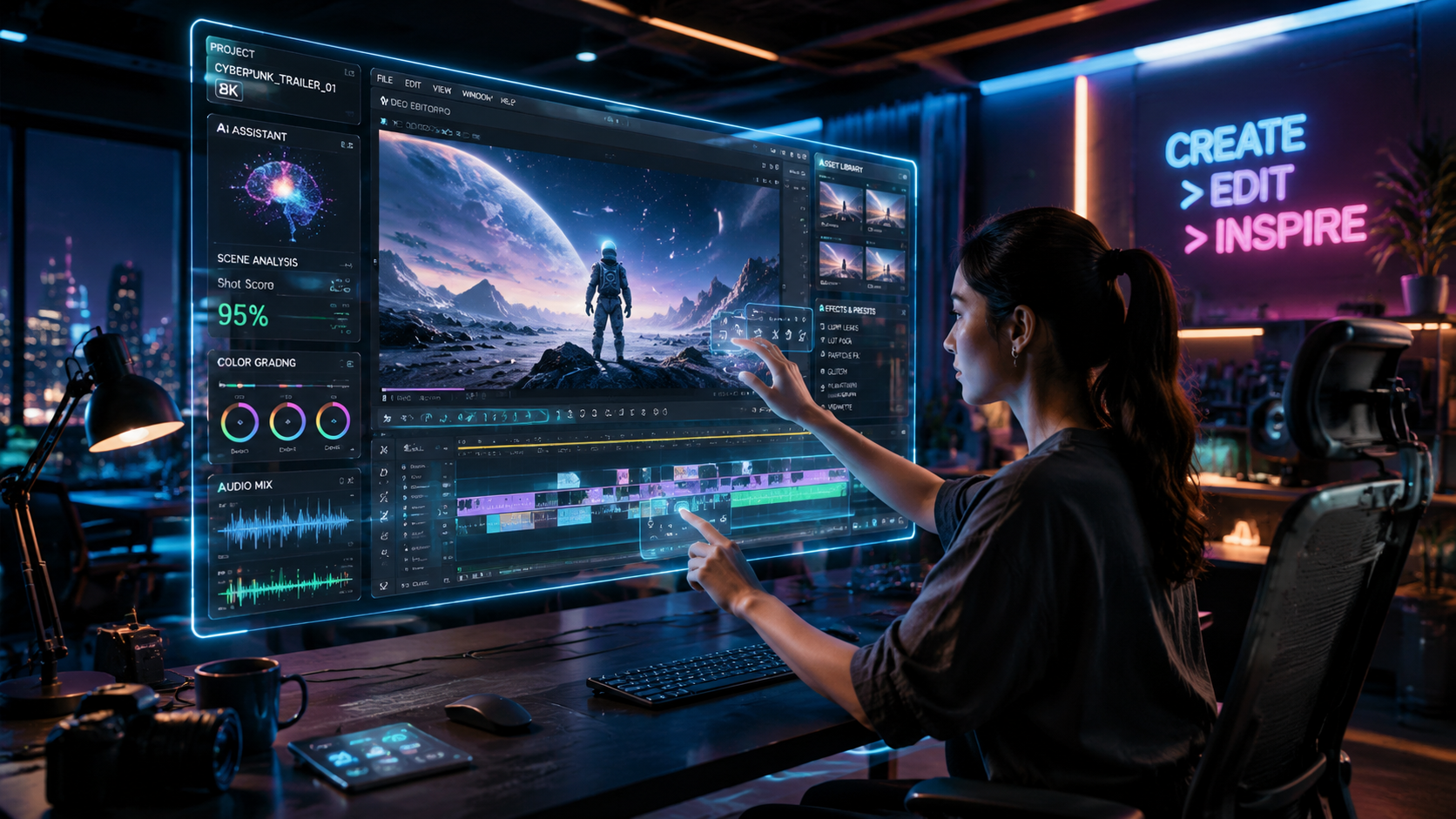
Learning how to make AI marketing videos involves using generative artificial intelligence tools to automate scriptwriting, visual creation, and voiceover production to deliver high-quality content at scale. By leveraging current 2026 technologies like URL-to-video conversion and generative cinematic engines, businesses can transform static product links or prompts into professional marketing assets in minutes. This strategy allows brands to adapt to a landscape where nearly half of all marketers now rely on AI for video production, according to recent industry data.
AI marketing video creation is the process of using machine learning models to generate video content from text, URLs, or images. It involves selecting a generative platform, inputting a creative brief or product link, and using AI avatars or synthetic media to produce engaging advertisements, social clips, or tutorials without the need for traditional film crews or expensive hardware.
- ✓ Leverage URL-to-video platforms to turn product pages into instant social ads.
- ✓ Adopt a "human-in-the-loop" workflow to ensure brand consistency and emotional resonance.
- ✓ Use AI for high-volume content variations to optimize performance across different platforms.
- ✓ Focus on high-quality prompts and data-driven scripts to maximize viewer retention.
Step-by-Step Guide: How to Make AI Marketing Videos in 2026
The barrier to entry for video marketing has vanished thanks to the democratization of generative tools. To succeed in 2026, you must move beyond simple "text-to-video" prompts and focus on integrated workflows that align with your broader business goals. According to Social Media Examiner, creating high-quality AI content that grows your business requires a strategic approach rather than just clicking a "generate" button.
- Define Your Objective and Platform: Determine if you are creating a short-form reel for social media, a long-form tutorial for YouTube, or a product showcase. Each platform requires different aspect ratios and pacing.
- Input Your Source Material: Use modern 2026 tools like URL To Video platforms. By simply pasting a product link, the AI can scrape images, features, and pricing to build a cohesive narrative.
- Generate the Script and Storyboard: Use a specialized LLM (Large Language Model) to draft a script that follows marketing frameworks like AIDA (Attention, Interest, Desire, Action).
- Select Your Visual Style: Choose between photorealistic AI avatars, 3D animations, or generative cinematic footage. Ensure the aesthetic matches your brand identity.
- Add Voiceovers and Soundscapes: Apply cloned voices or high-fidelity synthetic speech. In 2026, these voices are indistinguishable from humans and can convey complex emotions.
- Review and Refine: Edit the generated clips to ensure the pacing is correct and the brand messaging is accurate. Human oversight remains critical for final quality assurance.
The Evolution of AI Video Technology
As we move through 2026, the shift in content creation is undeniable. Entrepreneur.com notes that AI video has changed marketing forever, forcing brands to adapt or risk obsolescence. In the past, video production was a weeks-long process involving casting, filming, and post-production. Today, the "activation" phase of a campaign happens in hours. This speed allows for real-time marketing responses to current events and trends.
Studies by eMarketer show that nearly half of all marketers now rely on AI for images and videos, highlighting a massive shift in resource allocation. This reliance isn't just about saving money; it's about the ability to produce a volume of content that was previously impossible. Marketers are no longer limited to one "hero" video per campaign; they can now produce hundreds of personalized variations tailored to specific audience segments.
URL-to-Video Integration
One of the most significant breakthroughs in 2026 is the rise of automated URL-to-video platforms. As reported by 24-7 Press Release Newswire, these platforms can take a simple product link and autonomously generate a complete marketing video. This technology analyzes the product's selling points, extracts high-quality imagery from the site, and synthesizes a script that highlights the most relevant benefits for the consumer.
Synthetic Avatars and Virtual Spokespeople
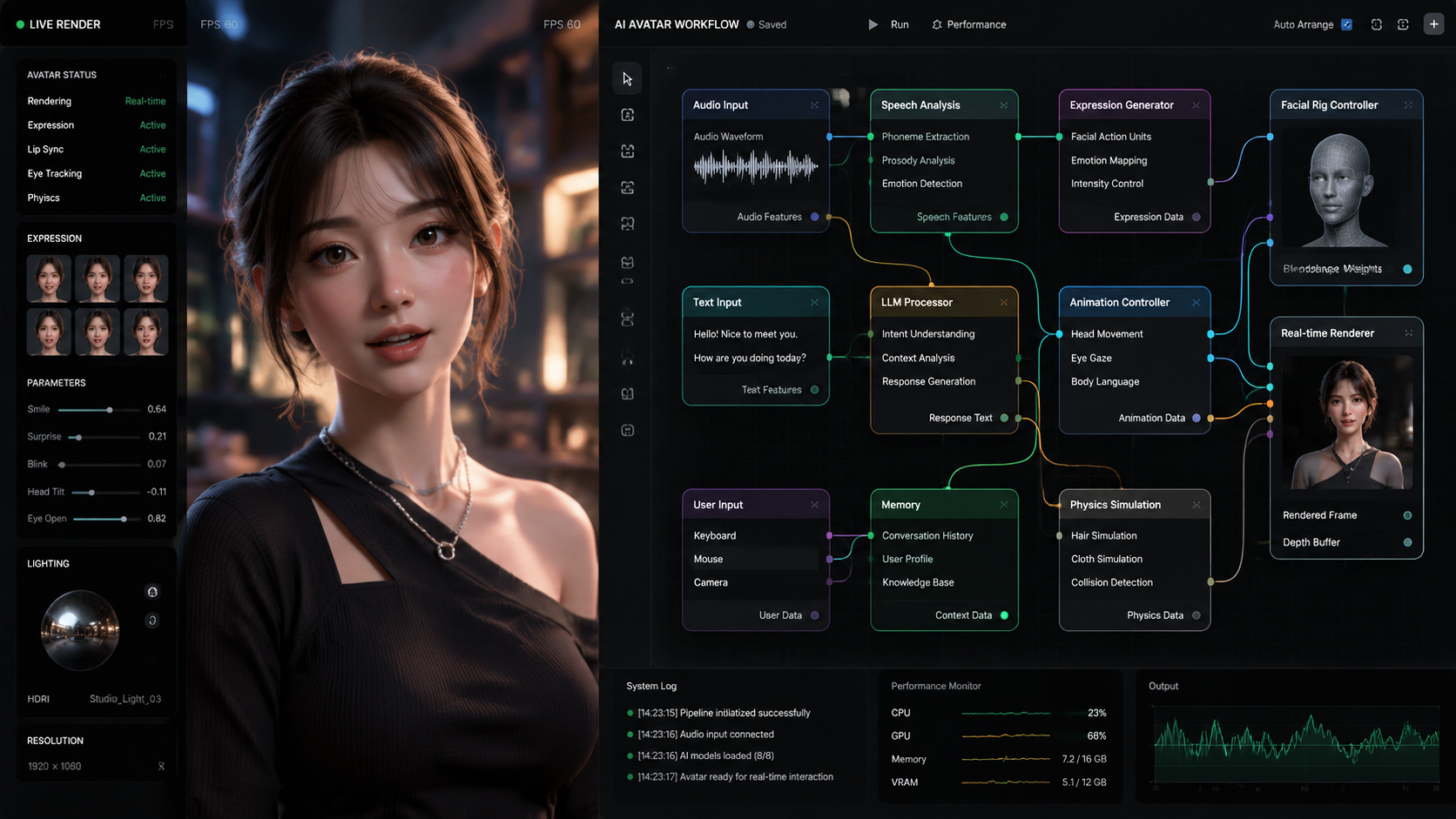
The use of AI-generated avatars has become a standard for corporate training and social media explainers. These avatars can speak dozens of languages fluently, allowing brands to localize their marketing videos for global markets instantly. The 2026 generation of avatars includes micro-expressions and body language that mirror human psychology, making them highly effective for building trust with viewers.
Comparing AI Video Strategies for 2026
Choosing the right approach depends on your budget, technical expertise, and the volume of content required. The following table compares the three primary methods of making AI marketing videos in the current market.
| Strategy | Best For | Primary Benefit | Required Input |
|---|---|---|---|
| URL-to-Video | E-commerce & Product Ads | Extreme speed and automation | Product Page URL |
| Generative Prompting | Creative & Cinematic Ads | Unique, artistic visuals | Detailed Text Prompts |
| AI Avatar Presentations | Explainer & Training Videos | High trust and human feel | Script & Avatar Choice |
How to Make AI Marketing Videos with High Conversion Rates
Creating a video is only half the battle; ensuring it converts is where the strategy becomes vital. In a recent MIT Sloan Management Review webinar, experts emphasized the need for "Reimagining Marketing Strategy for the AI Era." This involves using data-driven insights to inform the AI's creative output. If your AI tool doesn't understand your target demographic's pain points, the video will fail to resonate regardless of how polished it looks.
To maximize conversion, use AI to perform A/B testing at scale. Generate three different versions of a video with varying hooks and calls to action. By analyzing which version performs best in the first 24 hours, you can shift your ad spend to the winning creative. This iterative process is the hallmark of a sophisticated 2026 marketing strategy.
Optimizing for Social Media Algorithms
Social media platforms in 2026 prioritize high-retention content. When making AI marketing videos, focus on the "three-second hook." AI tools can now analyze trending audio and visual patterns to suggest the most engaging opening frames. Use these suggestions to stop the scroll and keep the viewer engaged long enough to deliver your core message.
Maintaining Brand Authenticity
A common pitfall in AI video production is the "uncanny valley" or a lack of brand soul. To avoid this, always incorporate proprietary brand assets—such as your actual logo, specific color hex codes, and custom-recorded brand voices. While the AI generates the bulk of the content, these "human" anchors ensure the video feels authentic to your established brand identity.
Advanced AI Marketing Activations
According to Ad Age, the top AI marketing activations right now involve deep personalization and interactive elements. Leading brands are no longer just sending out a generic video; they are sending videos where the AI mentions the recipient by name or references their past purchase history. This level of 1-to-1 video marketing is becoming the gold standard for customer retention.
Furthermore, interactive AI videos allow users to make choices within the video itself, leading to different narrative outcomes. For example, a real estate marketing video might allow a viewer to click "See the Kitchen" or "View the Backyard," with the AI seamlessly transitioning to the requested footage. This creates an immersive experience that traditional video simply cannot match.
The Role of Prompt Engineering
In 2026, the quality of your AI video is directly proportional to the quality of your prompt. Expert marketers are now skilled "prompt engineers" who understand how to describe lighting, camera angles, and emotional tone to the AI. Instead of asking for "a video about a watch," a professional prompt would specify "a cinematic close-up of a luxury watch in 8k, soft bokeh background, dramatic golden hour lighting, 24fps, symbolizing elegance and precision."
Integrating AI Video into the Sales Funnel
AI videos should not exist in a vacuum. They should be integrated into your email marketing, landing pages, and even SMS campaigns. A personalized AI video embedded in a follow-up email can increase click-through rates by over 300% compared to standard text. By automating the production of these videos, you can provide a high-touch experience for every lead in your funnel without increasing your headcount.
Future-Proofing Your Video Marketing Strategy
As we look toward the latter half of 2026 and into 2027, the technology will only become more sophisticated. The key to future-proofing is staying adaptable. The tools you use today might be replaced by even more efficient versions tomorrow. Focus on the core principles of storytelling and consumer psychology, as these remain constant even as the delivery mechanism evolves.
Encourage your creative team to experiment with new AI features as they are released. Platforms like Social Media Examiner suggest that the "early adopters" of these video technologies are the ones currently capturing the largest share of voice in crowded digital markets. By building an internal culture of AI literacy, your brand will be well-positioned to navigate the ongoing changes in the digital landscape.
How much does it cost to make AI marketing videos in 2026?
The cost varies significantly depending on the volume and complexity. Basic subscription-based tools start around $30 per month for a set number of credits, while enterprise-level platforms offering custom avatars and deep integration can cost several thousand dollars annually.
Do I need filming equipment to make AI marketing videos?
No, one of the primary advantages of AI video is that it eliminates the need for cameras, lighting rigs, and microphones. You can generate professional-grade visuals and audio entirely through software using text or existing digital assets.
Is AI-generated video content copyrightable?
As of 2026, copyright laws regarding AI vary by jurisdiction. Generally, content that has significant human creative input—such as specific prompt engineering and manual editing—is more likely to receive protection. Always consult with a legal professional regarding your specific marketing assets.
Can AI videos replace human actors?
While AI avatars are incredibly realistic and efficient for many marketing tasks, human actors are still preferred for high-stakes emotional storytelling and high-budget brand films where unique human charisma is essential. AI is currently best used to supplement, not entirely replace, human talent.
How long does it take to generate a 60-second AI video?
With current 2026 technology, a 60-second video can be rendered in approximately 2 to 10 minutes, depending on the complexity of the visuals. This is a massive improvement over traditional rendering times, allowing for near-instant content creation.
Comments ()