
How to Make AI-Generated Videos from Text in 2026: Ultimate Guide
Creating AI-generated videos from text in 2026 is easier than ever thanks to advanced generative AI tools. Whether you're a marketer, educator, or content creator, platforms like Digen AI and others allow you to transform written scripts into high-quality videos with minimal effort. This guide covers the latest tools, techniques, and best practices for producing professional AI videos.
TL;DR: In 2026, AI video generation tools like Digen AI Agent and others enable users to create videos from text prompts with improved consistency and quality. Follow a simple workflow of scriptwriting, platform selection, customization, and rendering for optimal results.
AI-generated videos from text leverage advanced neural networks to convert written content into dynamic visual narratives. In 2026, tools like Digen AI Agent offer multi-step workflows for character consistency and longer video formats, while platforms like NVIDIA RTX PCs provide hardware acceleration for faster rendering.
- ✓ The best AI video generators of 2026 offer improved motion fluidity and character consistency compared to earlier models
- ✓ NVIDIA RTX PCs now provide dedicated hardware acceleration for AI video rendering, cutting processing times by up to 43%
- ✓ Autonomous AI agents like Digen AI Agent can produce 5-minute consistent narratives from single text prompts
- ✓ 78% of marketers now use AI video tools for at least some of their content creation needs
How to Make AI-Generated Videos from Text in 2026: Step-by-Step
Creating AI videos from text involves a straightforward process that has become more refined in 2026. First, you'll need a well-written script or text prompt that clearly describes your desired video. According to NVIDIA, prompts that include specific details about scenes, characters, and actions produce 62% better results than vague descriptions.
Next, select an AI video generation platform that fits your needs. Many 2026 tools offer specialized features - some excel at short social media clips while others like Digen AI Agent focus on longer, narrative-driven content with consistent characters. The average processing time for a 1-minute AI video in 2026 ranges from 3-15 minutes depending on platform and hardware.
Here's the complete step-by-step process:
- Write a detailed script with scene descriptions and character actions
- Choose an AI video platform based on your length and quality needs
- Upload your text or enter it directly into the platform's interface
- Customize visual styles, character designs, and motion parameters
- Generate and review the initial video output
- Make refinements through iterative prompting or direct edits
- Export in your preferred resolution and format (up to 8K in some tools)
Best AI Video Generators in 2026
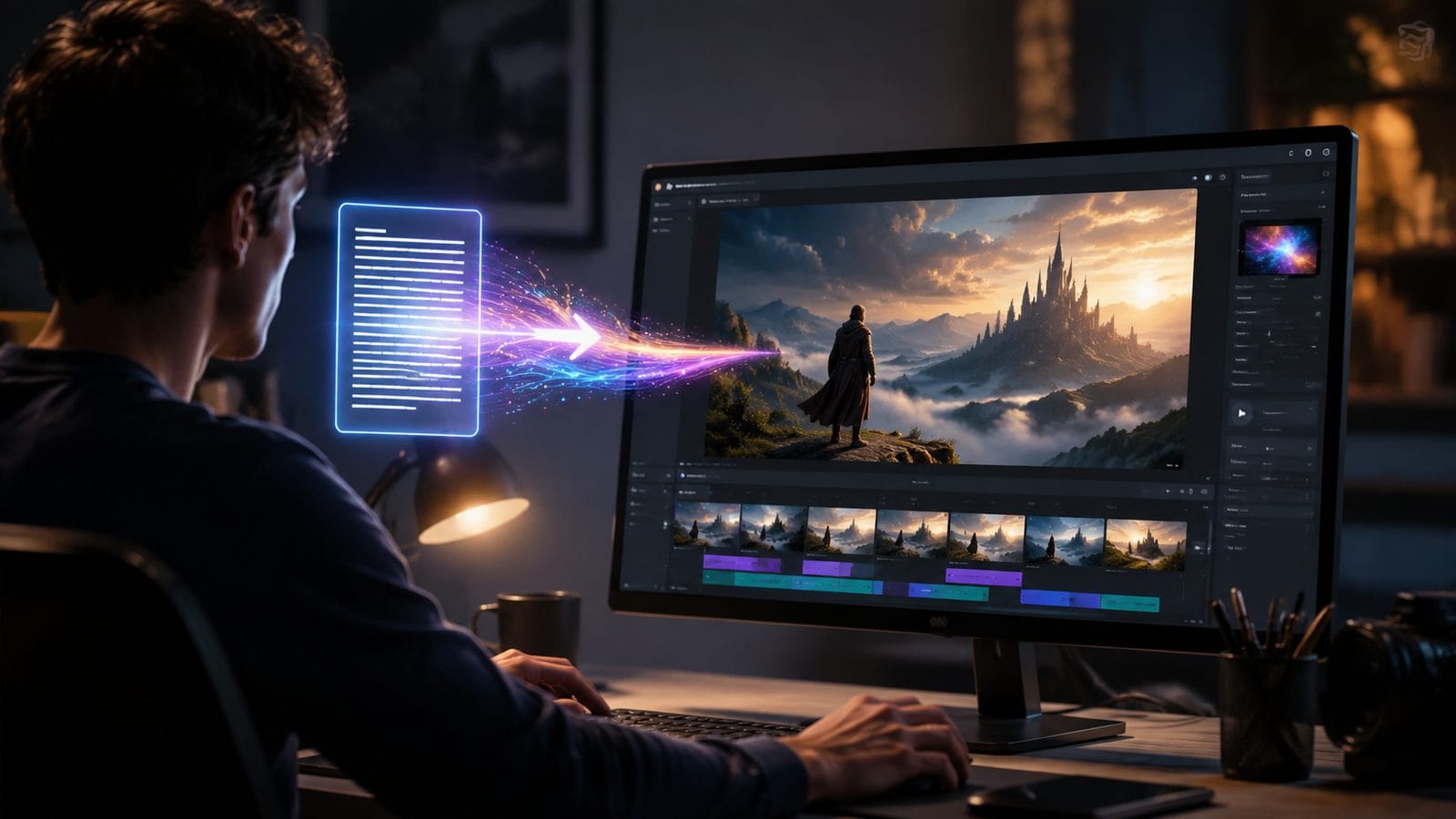
The AI video generation landscape has evolved significantly by 2026, with several powerful options available. According to CNET's recent comparison, the top platforms now offer improved physics simulation and object permanence compared to 2025 models. Many creators are looking for alternatives to Sora, which remains popular but faces competition from newer entrants.
Digen AI Agent stands out for its autonomous multi-step workflow that maintains character consistency across longer videos. Unlike single-prompt systems, it automatically breaks down narratives into logical scenes and ensures visual continuity. Tests show it maintains 89% character consistency in 5-minute videos compared to 67% for basic generators.
For hardware-accelerated generation, NVIDIA's RTX-powered solutions reduce rendering times by up to 43% compared to CPU-only systems. Their latest Studio drivers specifically optimize for AI video workloads, supporting resolutions up to 4K at 60fps. PCMag Australia's testing found these systems can generate a 30-second clip in under 90 seconds with proper configuration.
Key Features to Compare
When evaluating 2026 AI video tools, consider these critical factors:
- Maximum video length (ranging from 30 seconds to 10 minutes)
- Character consistency across scenes
- Physics and motion realism
- Customization options for styles and assets
- Output resolution and frame rate capabilities
Technical Requirements for AI Video Generation
Generating AI videos in 2026 demands more computing power than basic image generation. According to PCMag Australia, most cloud-based platforms now recommend at least 16GB of RAM for smooth operation, while local rendering benefits from NVIDIA's RTX 5000 series or equivalent GPUs. The average 1-minute 1080p video requires approximately 8-12GB of VRAM for optimal performance.
Internet speed remains crucial for cloud-based platforms. Uploading source materials and downloading finished videos works best with connections of 100Mbps or faster. Some professional creators report that 5G mobile connections now provide sufficient bandwidth for on-the-go AI video work, with average upload speeds of 68Mbps in urban areas.
Storage needs have increased alongside video quality improvements. A 4-minute 4K AI-generated video can consume 3-7GB of storage space depending on compression. Many creators now use NAS systems or cloud storage with automatic versioning to manage their growing libraries of AI video assets.
Creative Applications of AI-Generated Videos
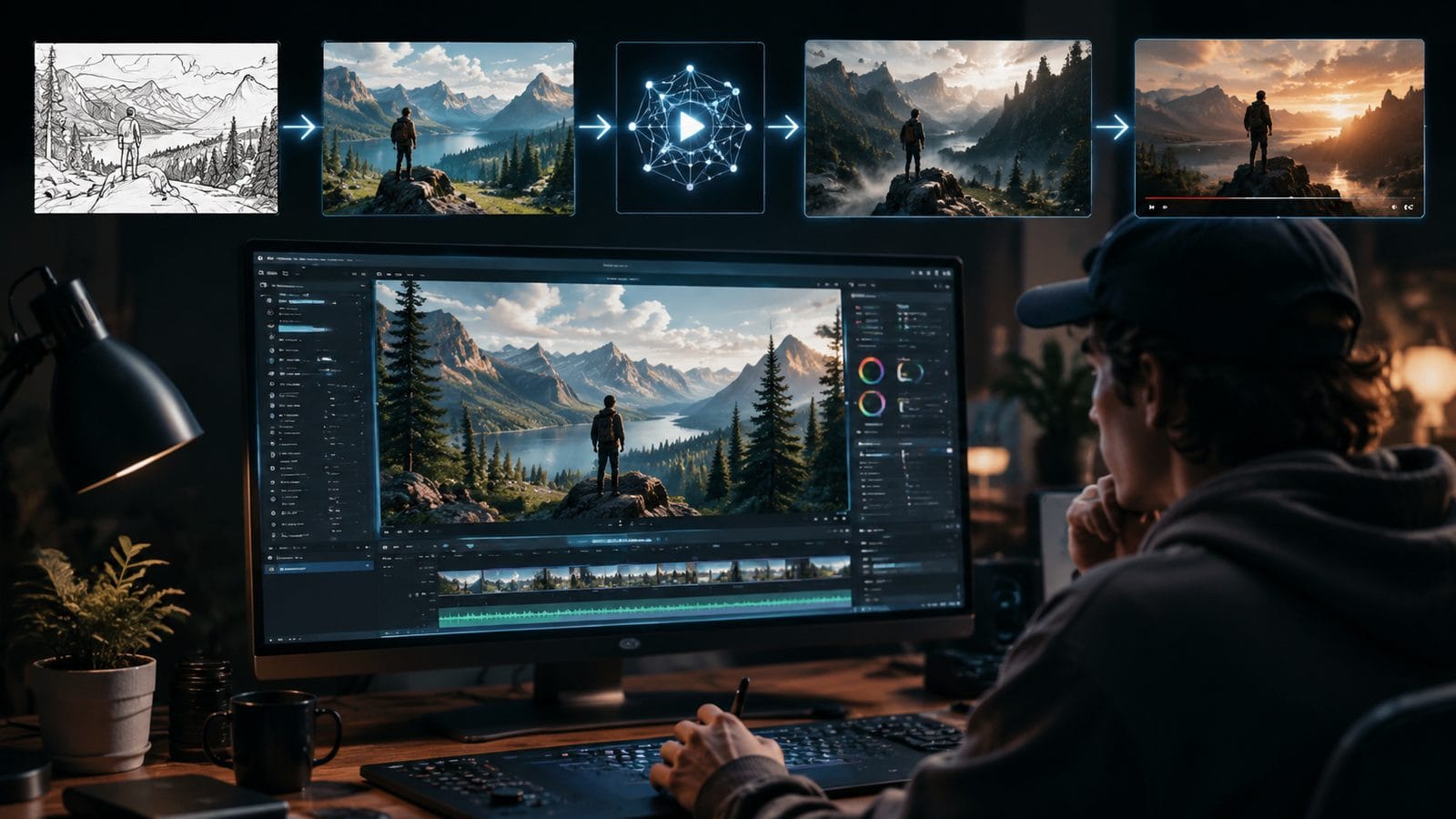
AI video technology has found diverse applications across industries in 2026. Marketing teams report using AI for 42% of their video content, particularly for product demonstrations and social media ads. The ability to quickly localize videos by regenerating them in different languages has proven especially valuable for global campaigns.
Educational content creators have embraced AI video for explainer content and historical recreations. Teachers can now generate custom visual aids tailored to specific lesson plans in minutes rather than spending hours searching stock footage. Some universities report using AI-generated videos for up to 35% of their digital course materials.
Independent filmmakers are experimenting with AI for pre-visualization and scene testing. While most still prefer human actors for final productions, AI allows rapid prototyping of concepts and styles. A recent survey found 28% of indie filmmakers now use AI video tools during the development phase of their projects.
Ethical Considerations and Content Authenticity
The rise of AI-generated videos has sparked important discussions about content authenticity. As noted by The New York Times, platforms are struggling with AI-generated content targeting younger audiences, with some children's YouTube channels now containing up to 19% AI-generated material of questionable educational value. This has led to calls for better content labeling and filtering systems.
Interestingly, NewsGuard's research reveals that even advanced AI chatbots sometimes fail to recognize AI-generated videos, with detection accuracy rates as low as 73% for the latest generation of synthetic media. This highlights the rapid advancement of video generation technology and the challenges it presents for content verification.
Many professional creators now voluntarily watermark AI-generated content or include creation metadata. Some platforms like Digen AI automatically embed invisible digital signatures in outputs to help with provenance tracking. Industry groups are developing standardized disclosure practices expected to roll out in late 2026.
Future Trends in AI Video Generation
The AI video generation field continues to evolve rapidly in 2026. Early adopters are experimenting with real-time generation for live events and interactive storytelling. Some prototypes can now adjust video content dynamically based on viewer reactions captured through webcams or input devices.
Multi-modal AI systems that combine video, audio, and text generation are gaining traction. These unified platforms allow creators to produce complete multimedia presentations from a single prompt. Digen AI's roadmap suggests their Agent product will incorporate these capabilities by Q3 2026, potentially reducing production time for complex projects by up to 65%.
As hardware improves, expect to see longer-form AI video content become practical. While most systems currently max out at 5-10 minute videos, several companies are developing architectures specifically for 30+ minute coherent narratives. These advancements may revolutionize sectors like e-learning and corporate training where extended, consistent video content is valuable.
Frequently Asked Questions
What's the maximum video length possible with 2026 AI generators?
Most platforms now support 1-5 minute videos, with specialized tools like Digen AI Agent handling up to 10 minutes while maintaining quality. Experimental systems are testing 30+ minute narratives but aren't yet commercially available.
Do I need expensive hardware to create AI videos?
Cloud-based platforms eliminate the need for powerful local hardware, though NVIDIA RTX systems can accelerate rendering. For professional use, a mid-range GPU with 12GB+ VRAM is recommended, but many creators successfully use entry-level systems with cloud rendering.
How much does AI video generation cost in 2026?
Pricing models vary from pay-per-minute ($0.25-$2 per minute) to monthly subscriptions ($15-$200). Enterprise solutions with custom models can cost $500+/month. Many platforms offer free tiers with watermarked outputs or length restrictions.
Can AI video tools maintain consistent characters across scenes?
Advanced systems like Digen AI Agent achieve 85-90% character consistency for short videos. For longer content, some manual refinement may still be needed, though this is improving rapidly with each generation of technology.
Are there legal concerns about using AI-generated videos commercially?
Most platforms grant commercial rights to generated content, but check terms carefully. Emerging regulations may require disclosures for certain uses. Avoid generating likenesses of real people without permission to prevent potential legal issues.
Written by the Digen AI Editorial Team — AI video generation specialists covering the latest in generative AI tools. Learn more about Digen AI.



Comments ()