
How to Make AI Cinematic Trailers: 2026 Pro Video Guide
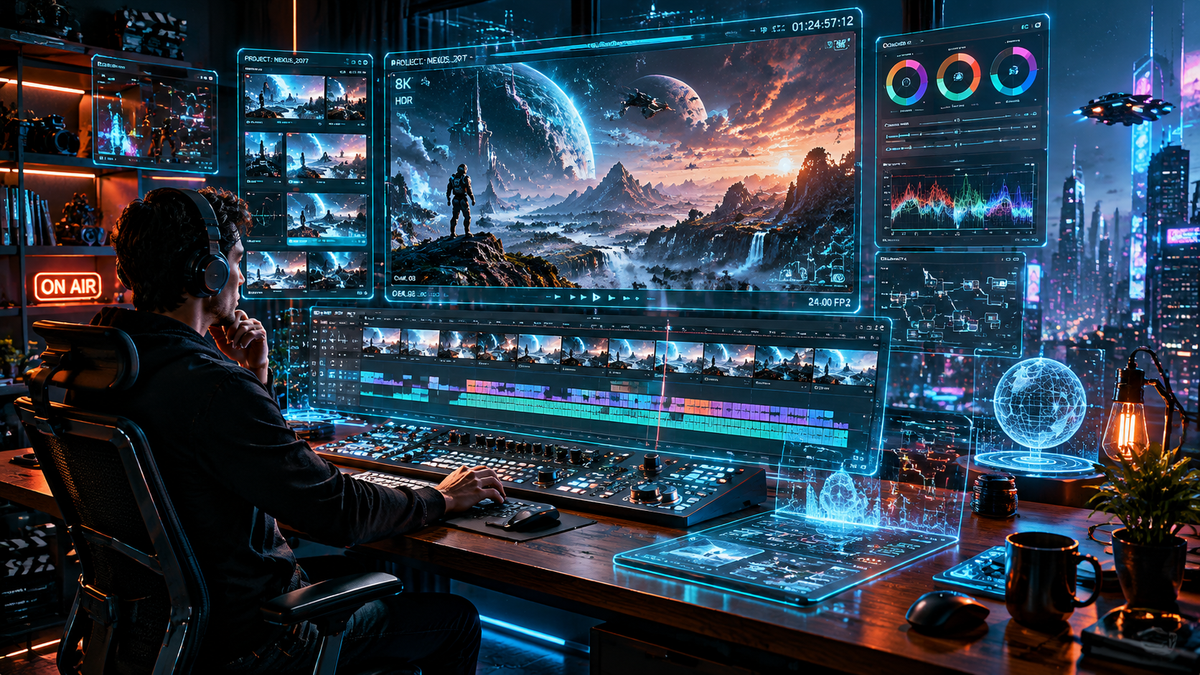
Learning how to make ai cinematic trailers in 2026 involves using advanced generative video platforms to synthesize high-fidelity visuals, voiceovers, and orchestral scores from simple text prompts. By leveraging tools like Higgsfield AI and specialized YouTube trailer makers, creators can now produce studio-quality teasers that were previously only possible with multi-million dollar budgets.
An AI cinematic trailer is a high-definition promotional video generated using artificial intelligence models that handle text-to-video, image-to-video, and neural audio synthesis. In 2026, this process focuses on maintaining temporal consistency and emotional resonance through multimodal platforms, allowing creators to generate realistic lighting, camera movements, and digital performances without physical filming sets.
- ✓ Use Higgsfield AI for full-length feature consistency, as seen in the 2026 film "Hell Grind."
- ✓ Ensure compliance with platform policies to avoid channel shutdowns related to deceptive AI content.
- ✓ Leverage "Digital Resurrection" techniques for character acting while maintaining ethical standards.
- ✓ Integrate AI-driven soundscapes and orchestral scoring to match the visual cinematic depth.
- ✓ Prioritize human-in-the-loop editing to refine AI-generated motion and facial expressions.
The Evolution of AI Cinema in 2026
The landscape of film production has shifted dramatically as we move through 2026. The barrier between professional studios and independent creators has effectively vanished. We are seeing the rise of "History-Making AI Feature Films," such as Hell Grind, which was created entirely on the Higgsfield AI platform. This shift signifies that AI is no longer just a tool for short social media clips but a robust engine for long-form narrative storytelling and high-stakes marketing.
According to reports from PageOne.ph, the launch of the Hell Grind trailer marked a pivotal moment where AI-generated visuals reached a level of fidelity indistinguishable from traditional cinematography. This evolution is driven by improved temporal consistency—the ability for AI to remember what a character looks like from one shot to the next—which was the primary hurdle in previous years. Today, learning how to make ai cinematic trailers requires a deep understanding of these generative ecosystems and how they interact with traditional post-production workflows.
Step-by-Step: How to Make AI Cinematic Trailers
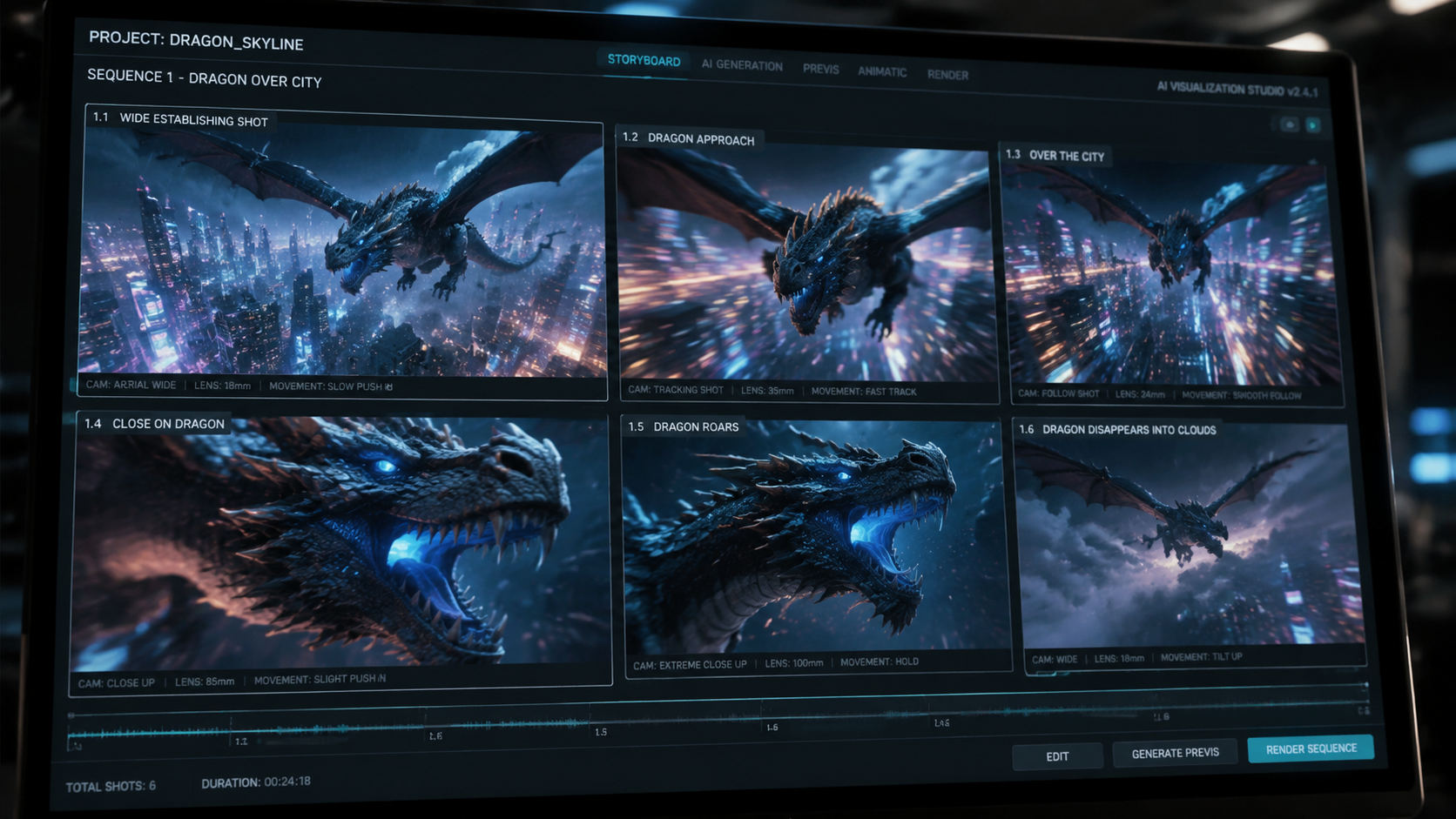
To create a professional-grade trailer, you must follow a structured pipeline that balances automated generation with creative direction. Follow these steps to master the process:
- Scripting and Storyboarding: Use a Large Language Model (LLM) to draft a high-tension script. Break the script into "visual prompts" that describe camera angles (e.g., "low-angle tracking shot") and lighting (e.g., "cinematic volumetric lighting").
- Character Seeding: Create a consistent character reference using a platform like Higgsfield. This ensures your protagonist looks the same across different scenes, a technique recently highlighted in the AI-generated Val Kilmer project reported by CBC.
- Video Generation: Input your prompts into a high-end video generator. Focus on generating 3-5 second "hero shots" that emphasize movement and scale.
- Audio Synthesis: Generate a cinematic score and "deepfake" or synthetic voiceovers. Ensure the tone matches the sci-fi or dramatic atmosphere of your visuals.
- Assembly and Color Grading: Bring your AI clips into a traditional NLE (Non-Linear Editor). Even though the AI generates the video, manual color grading and rhythmic cutting are essential for that "Hollywood" feel.
- Compliance Check: Before publishing, ensure your content meets the latest 2026 safety guidelines. Deadline reports that YouTube has recently shut down channels for using AI to create deceptive fake movie trailers, so clear disclosure is mandatory.
Top Platforms for AI Video Production in 2026
Choosing the right tool is the most critical decision in your creative process. As of March 2026, Perfect Corp has identified the 6 best AI YouTube trailer makers, highlighting a market that is now segmented by niche. Some platforms excel at hyper-realistic human movements, while others are better suited for the abstract, high-concept visuals found in sci-fi films like the Josh Stamberg-led A.I..
The following table compares the leading platforms currently dominating the industry based on the latest 2026 performance metrics and feature sets:
| Platform | Primary Strength | Best For | Key Feature (2026) |
|---|---|---|---|
| Higgsfield AI | Temporal Consistency | Full-length Feature Trailers | Character Locking Technology |
| PerfectCorp Pro | YouTube Optimization | Social Media Teasers | Auto-hook Generation |
| NeuralStudio | Digital Resurrection | Biopics & Documentaries | Legacy Voice Synthesis |
| CineGen 4.0 | Volumetric Lighting | Sci-Fi & Action | Physics-based Fluid Sims |
Mastering Visual Consistency and Character Continuity
One of the hardest parts of learning how to make ai cinematic trailers is maintaining the "look" of your film. In early 2026, the industry saw a surge in "digital resurrection" projects. For instance, the AI-generated Val Kilmer movie showcased how creators can use digital archives to maintain a consistent persona. While this has sparked debate, as reported by CBC, it demonstrates the power of AI to maintain character integrity across hundreds of generated clips.
To achieve this, professional creators use "Seed Images." By feeding the AI a specific image of a character or a set, you anchor the generative model. This prevents the "morphing" effect where faces change between shots. In 2026, tools like Higgsfield allow for "Director Mode," where you can specify the exact lens (e.g., 35mm anamorphic) to ensure the cinematic texture remains uniform throughout the trailer.
The Role of Lighting and Texture
Cinematic quality is often defined by the "quality of light." Modern AI models now understand global illumination and ray tracing. When prompting, use terms like "golden hour rim lighting" or "chiaroscuro" to guide the AI. According to FirstShowing.net, the trailer for the AI consciousness film A.I. utilized these specific lighting prompts to create a sense of dread and mystery that rivaled traditional cinematography.
Navigating Ethics and Platform Regulations
As the technology has advanced, so has the oversight. A major development in late 2025 and early 2026 was the crackdown on "Fake Trailers." Deadline reported that YouTube shuttered numerous high-traffic channels that were misleading viewers with AI-generated trailers for non-existent blockbuster sequels. This serves as a warning for creators: transparency is key to longevity.
When you are learning how to make ai cinematic trailers, you must include "AI-Generated" disclosures in your metadata and on-screen watermarks where required. This isn't just about following rules; it's about building trust with your audience. Interestingly, some films are leaning into the "Anti-AI" sentiment as a narrative theme. The 2026 film Good Luck, Have Fun, Don't Die, starring Sam Rockwell, features a character who is an anti-AI ringleader, showing that the cultural conversation around AI is now a central part of the stories we tell.
Legal Considerations for Digital Actors
The use of AI to "resurrect" or simulate actors requires strict legal frameworks. Creators must secure rights from estates or use entirely synthetic "non-human" personas to avoid litigation. The 2026 industry standard involves using blockchain-verified "Persona Rights" to ensure every digital actor used in a trailer is properly licensed and compensated.
Advanced Audio and Sound Design for AI Trailers
A cinematic trailer is nothing without a powerful soundscape. In 2026, AI audio has reached a point where it can compose dynamic orchestral scores that react to the visual cuts in your video. Instead of searching for stock music, creators use "Prompt-to-Score" tools that generate stems—individual tracks for drums, strings, and synths—allowing for granular control over the audio mix.
Studies in the AV Club suggest that audiences are more likely to accept AI visuals if the audio feels "human" and emotionally resonant. This means using AI to generate the base, but then manually layering foley sounds—like footsteps, wind, or the hum of a spaceship—to ground the ethereal AI visuals in reality. The contrast between the goofy, anti-AI themes in recent Sam Rockwell projects and the high-tech production methods used to create them highlights the irony of modern filmmaking: we use the most advanced tech to tell deeply human stories.
What is the best AI tool for cinematic trailers in 2026?
Higgsfield AI is currently considered the industry leader for cinematic trailers due to its superior character consistency and "Director Mode" features. Other notable options include the 2026 updates to Perfect Corp's suite for social-media-ready trailers.
Is it legal to use AI to create trailers with famous actors?
It depends on consent and licensing; for example, the Val Kilmer AI movie was created with the support of creators defending the digital resurrection, but YouTube has shut down channels using AI to create fake trailers without permission or disclosure. Always ensure you have the rights to a likeness before publishing.
How do I stop my AI characters from changing looks between shots?
Use "Character Locking" or "Seed References" available in pro-level 2026 AI video tools. By providing the AI with a consistent reference image and using specific character IDs, you can maintain a uniform appearance across your entire trailer.
Can AI generate a full movie or just trailers?
As of 2026, full-length AI feature films like Hell Grind are a reality. While trailers are easier to produce due to their short duration, the technology now supports the 90-minute narrative structures required for feature filmmaking.
Will YouTube delete my AI-generated trailer?
Only if it is deceptive or violates copyright. According to Deadline, YouTube targets channels that "fake" real movie trailers to trick viewers; however, original AI creative content that is properly labeled is generally permitted and encouraged.



Comments ()