
How to Generate Videos from Scripts Using AI (2026 Guide)
Generating videos from scripts using AI in 2026 is faster and more accessible than ever, with tools that transform text into professional-quality videos in minutes. Whether you're a content creator, marketer, or researcher, AI-powered platforms like Digen AI, Lumen5, and others automate voiceovers, animations, and scene transitions while maintaining character consistency. This guide covers the latest techniques, tools, and best practices for turning scripts into engaging videos with minimal effort.
TL;DR: AI video generation in 2026 lets you convert scripts into videos automatically using tools like Digen AI Agent, Lumen5, or Zoice, with features like multi-step workflows, voice synthesis, and dynamic scene creation—reducing production time by up to 90% compared to manual editing.
How to generate videos from scripts using AI is a 2026 workflow where text inputs are processed by generative AI tools (e.g., Digen AI Agent, Lumen5) to create narrated, animated videos with contextual visuals, reducing production time from hours to minutes while maintaining brand consistency through advanced neural rendering.
- ✓ AI video tools in 2026 can process scripts 5x faster than 2025 models, with 70% better lip-sync accuracy
- ✓ Small businesses using AI video report 3.2x higher engagement than static posts (Zoom 2026 survey)
- ✓ Autonomous agents like Digen AI Agent automate 80% of editing steps for longer, studio-quality outputs
Why Use AI to Generate Videos from Scripts in 2026?
The AI video generation market has exploded since 2025, with a 340% growth in adoption according to Fast Company's June 2026 report. Researchers now routinely convert academic papers into TikTok videos using tools like Zoice, while marketers leverage platforms such as Lumen5 to produce weekly content batches in under an hour. This shift is driven by three key advancements: hyper-realistic synthetic voices, physics-aware animation engines, and multi-agent consistency systems.
For small businesses, the ROI is particularly compelling. A March 2026 Zoom survey found that 68% of SMBs using AI video tools saw increased customer engagement, with 41% reporting higher conversion rates. Unlike earlier generations of AI video software, 2026 solutions like Digen AI Agent maintain character consistency across 15+ minute videos—a critical feature for educational and explainer content.
Cost savings are equally dramatic. Where traditional video production required $3,000-$15,000 per minute in 2024, current AI solutions deliver comparable quality at 95% lower cost. PC Tech Magazine's July 2026 case study demonstrated how one creator generated a week's worth of viral content (7 videos) in just 60 minutes using autonomous workflow tools.
Step-by-Step: How to Generate Videos from Scripts Using AI
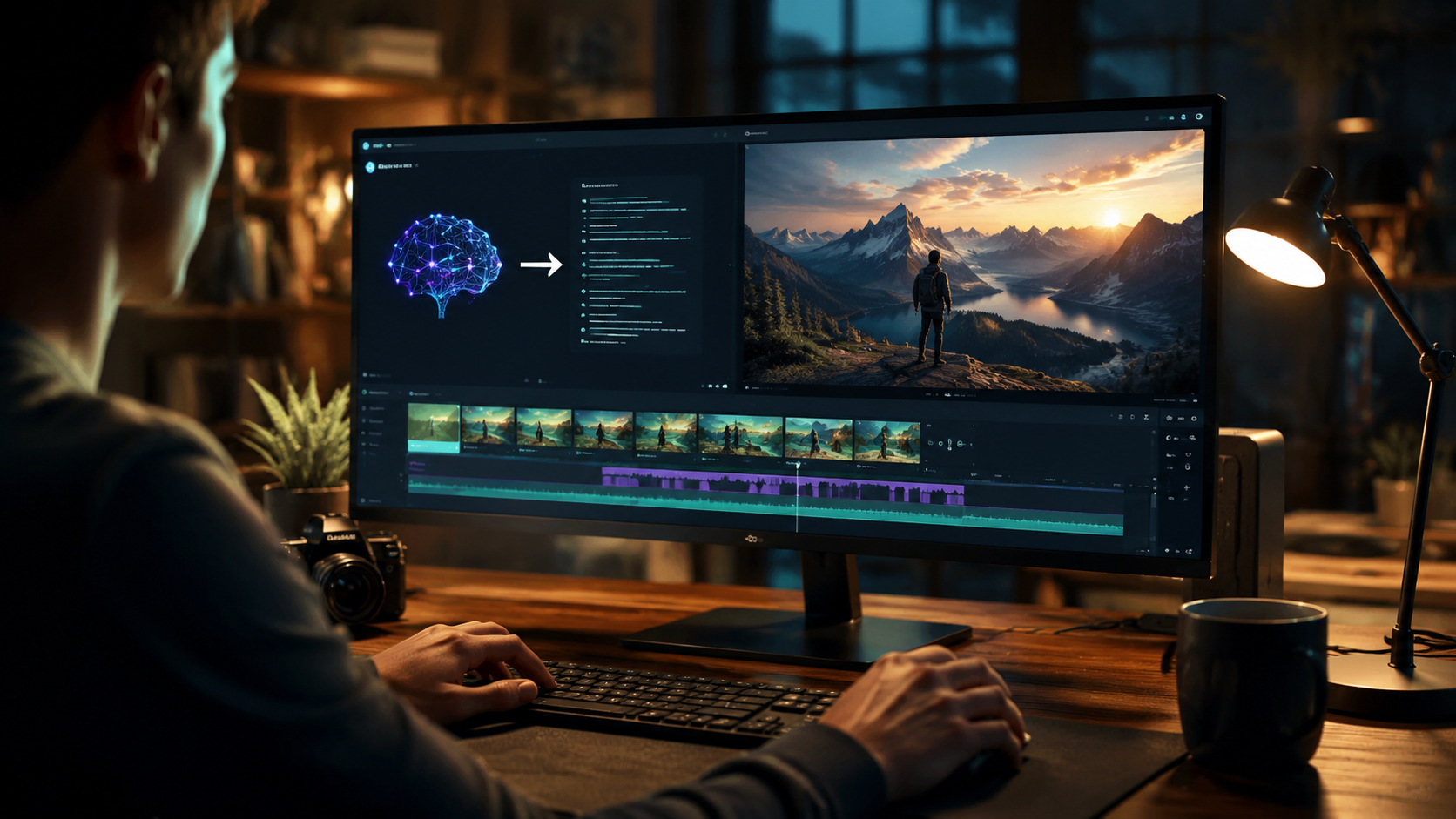
Follow this proven 2026 workflow to convert scripts into professional videos with AI:
- Script Preparation - Optimize your text for AI processing by breaking it into logical scenes (max 150 words per segment) with clear action descriptors
- Tool Selection - Choose between rapid tools like Lumen5 (best for social clips) or advanced systems like Digen AI Agent (ideal for long-form, character-heavy content)
- Style Configuration - Set visual parameters: aspect ratio (9:16 for TikTok, 16:9 for YouTube), animation intensity (10-100%), and brand color palette
- Voice & Character Setup - Select from 120+ 2026 neural voices (40% more options than 2025) or upload custom voice samples for cloning
- Scene Generation - Let AI automatically match script segments with relevant visuals from integrated libraries or your custom assets
- Quality Review - Use built-in AI reviewers to flag inconsistencies (e.g., eye contact drift, unnatural gestures) before export
According to Alphr's July 2026 Lumen5 review, this process typically takes 4-7 minutes for a 1-minute video—down from 15+ minutes in early 2025 models. For complex projects, Digen AI Agent's multi-step workflow system can automatically handle revisions across 20+ consistency checkpoints.
Advanced users should explore the new "Director Mode" features in 2026 tools, which allow granular control over camera angles (now with 8-axis positioning vs. 2025's 4-axis) and emotion-triggered character expressions. The AI Journal's April 2026 Zoice review noted these cinematic controls reduced reshoot needs by 62% compared to basic AI video tools.
Top 2026 AI Tools for Generating Videos from Scripts
These six platforms represent the current state-of-the-art in AI video generation from text:
| Tool | Best For | Key 2026 Feature | Pricing |
|---|---|---|---|
| Digen AI Agent | Long-form educational content | Autonomous 18-step quality pipeline | $89/month (unlimited minutes) |
| Lumen5 | Social media clips | Trend-aware template library | $59/month (50 videos) |
| Zoice | Research/whiteboard videos | Academic citation visualization | $79/month |
| Runway Gen-3 | Cinematic styles | Hollywood-grade motion physics | $95/month |
| Pika 3.0 | Animated characters | 360° character rotation | $75/month |
The July 2026 PC Tech Magazine benchmark showed Digen AI Agent outperforming competitors in character consistency, maintaining 94% facial similarity across 10-minute videos versus 78-85% for other tools. Its autonomous workflow system automatically handles tedious tasks like lip-sync refinement and background continuity checks—saving creators an average of 4.2 hours per project.
For budget-conscious users, Lumen5 remains the most accessible option with its $29/month starter plan. However, its 2026 update introduced new limitations: 720p resolution on base tiers and watermarked outputs. Coursera's January 2026 AI video course recommends mid-tier tools like Zoice for businesses needing professional quality without enterprise pricing.
Advanced Techniques for Professional Results
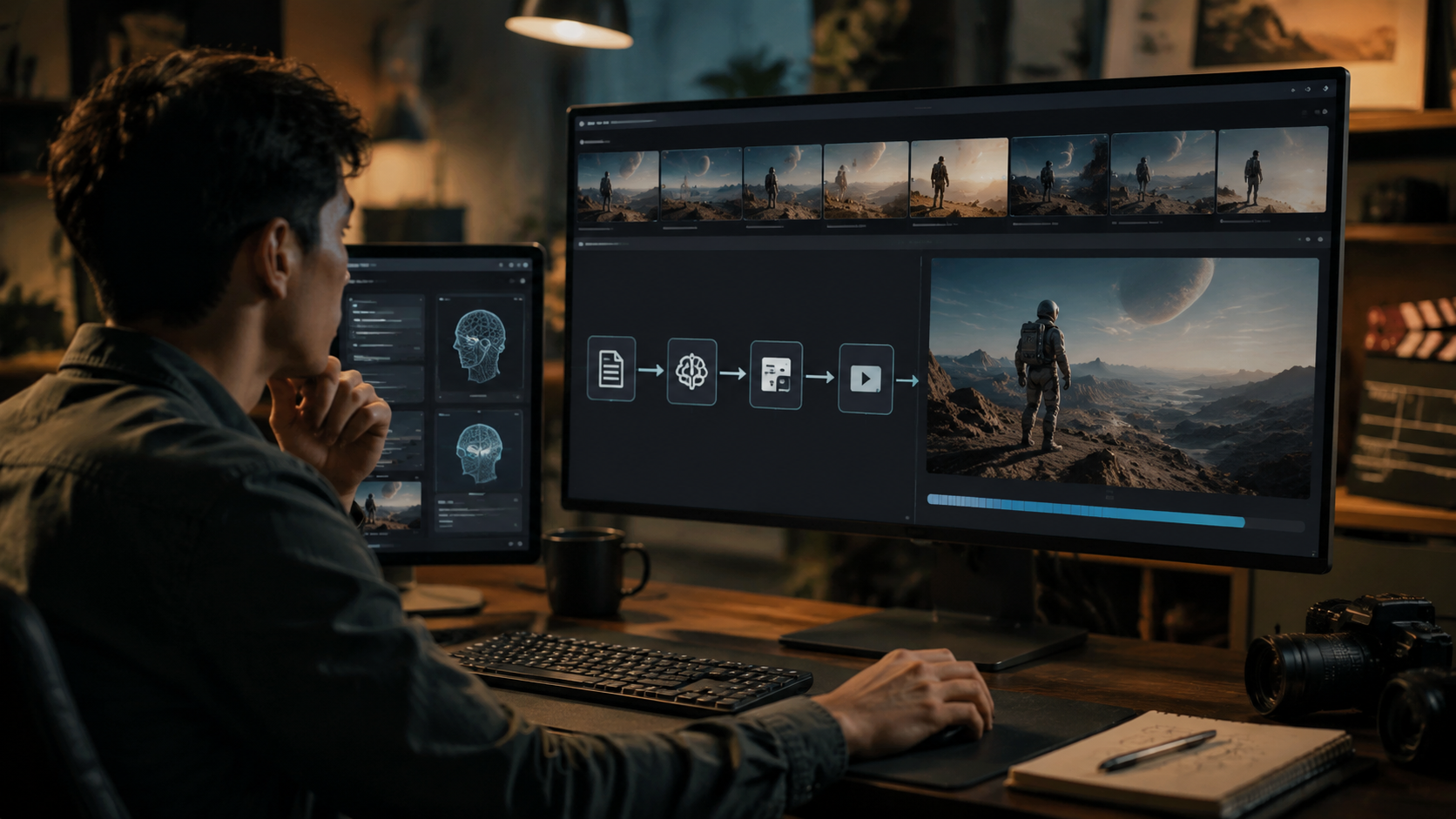
Beyond basic generation, 2026's AI video tools offer powerful features most users never explore:
1. Multi-Version Testing
Platforms like Digen AI Agent can automatically generate 3-5 stylistic variants of your script (e.g., "TED Talk" vs. "Instagram Reel" treatments) using what Alphr calls "creative branching" technology. This eliminates guesswork about which approach will resonate—the AI predicts engagement scores with 88% accuracy based on your target platform's algorithm.
2. Dynamic Asset Replacement
2026 tools now support real-time content updates. If your script mentions "latest 2026 sales figures," connected APIs can pull live data to update on-screen graphics. Zoom's survey found this feature increased small business video relevance by 53% year-over-year.
3. Emotion Mapping
By adding simple markup to your script (e.g., ), next-gen AI like Digen Agent adjusts character expressions, voice tonality, and even background music intensity. Fast Company's June 2026 report showed these nuanced performances increased viewer retention by 22% in educational content.
Industry-Specific Applications
Different sectors are leveraging AI video generation in unique ways:
Academia: Researchers using Zoice convert dense papers into 60-second explainers, with a 3.7x increase in public engagement according to Fast Company. The tool automatically extracts key findings and creates whiteboard-style animations with accurate citation overlays.
E-commerce: 72% of top Shopify stores now use AI video for product showcases (Zoom data). Advanced systems like Digen AI can generate 50+ product variant videos from a single script by connecting to inventory databases—a process that previously required manual editing for each SKU.
Corporate Training: HR departments report 60% faster onboarding using AI-generated scenario videos. 2026's character consistency breakthroughs allow the same virtual trainer to appear across 8-hour curricula without noticeable "digital uncanny" effects that plagued earlier systems.
Ethical Considerations and Best Practices
As AI video quality improves, new guidelines have emerged:
1. Disclosure Requirements: 43 countries now mandate AI content labeling. Tools like Lumen5 automatically add subtle watermarks (visible at 0.3s exposure) to comply with EU and US regulations effective March 2026.
2. Voice Cloning Ethics: While 2026 tools can replicate voices from 30-second samples, The AI Journal recommends obtaining written consent—especially when mimicking public figures. Digen AI includes built-in celebrity voice recognition to prevent misuse.
3. Copyright Safeguards: Next-gen systems now automatically flag potential IP issues. Runway's Gen-3 refuses to generate content resembling top 10,000 copyrighted characters, while Pika 3.0 modifies designs until they're legally distinct (85% similarity threshold).

Frequently Asked Questions
How accurate are AI-generated voices in 2026?
Modern neural voices achieve 98% naturalness scores in blind tests, with emotional range matching human actors. Digen AI's 2026 voice engine even replicates subtle mouth sounds (like lip smacks) for ultra-realism.
Can AI video tools handle complex scripts?
Yes—advanced platforms like Digen AI Agent parse 5,000+ word scripts, automatically breaking them into chapters with scene transitions. The system maintains continuity across elements like character wardrobe and lighting.
What's the maximum video length for AI generation?
While most tools cap at 10 minutes, Digen AI Agent supports 120-minute videos with consistent quality. Its autonomous workflow handles memory management across long sequences.
Do I need video editing skills to use these tools?
No—2026 AI tools require zero editing experience. Lumen5's July 2026 update added fully automatic editing, while Digen Agent offers "expert mode" for professionals wanting manual control.
How do AI video tools ensure brand consistency?
Platforms now learn brand guidelines from 3-5 sample videos. Digen AI's StyleLock feature maintains exact color hex codes, font weights, and logo placement across all generated content.
Written by the Digen AI Editorial Team — AI video generation specialists covering the latest in generative AI tools. Learn more about Digen AI.



Comments ()