
How to Generate AI Music Videos: 2026 Creative Guide
Learning how to generate AI music videos involves using generative video models to transform audio tracks into high-fidelity visual narratives. In 2026, this process has been streamlined through multimodal platforms like OpenAI’s Sora and Google Flow, allowing creators to sync complex cinematography with rhythmic beats automatically. By leveraging these advanced neural networks, artists can produce professional-grade music videos in a fraction of the time and cost required for traditional live-action shoots.
AI music video generation is the process of using artificial intelligence models—such as Sora, Google Flow, or Sondo AI—to create synchronized visual content for songs. It works by analyzing audio frequencies and lyrics to generate matching cinematic scenes, style-consistent characters, and rhythmic edits through text-to-video and audio-to-video prompts.
- ✓ OpenAI’s Sora and Google Flow Omni are the leading professional platforms in 2026.
- ✓ Sondo AI has reached a milestone of 15 million generated videos, proving mass-market viability.
- ✓ Google Flow Music now offers dedicated mobile apps for on-the-go video production.
- ✓ High-fidelity "Omni" upgrades allow for real-time video editing using natural language agents.
The Evolution of AI Music Video Production in 2026
The landscape of digital media has shifted dramatically this year. As of May 2026, the barrier between professional studios and independent creators has all but vanished. According to Mashable, the release of the first major music video fully generated by OpenAI’s Sora has set a new benchmark for visual fidelity, showcasing fluid movement and physics-based lighting that was previously impossible for AI to replicate accurately. This milestone signifies that AI is no longer just for experimental "glitch" aesthetics but is a primary tool for mainstream music releases.
Furthermore, the scale of adoption is staggering. TMX Newsfile reports that Sondo AI has officially surpassed 15 million AI-generated music videos on its platform. This surge in volume is driven by the integration of AI-powered music creation tools that allow users to generate both the melody and the visual accompaniment simultaneously. For indie artists, this means an "indie single rollout" can now include a full-length cinematic video without a five-figure production budget.
Step-by-Step: How to Generate AI Music Videos
- Prepare Your Audio Track: Upload your final mix (WAV or MP3) to your chosen AI platform. Ensure your metadata includes tempo (BPM) and mood tags to help the AI "feel" the rhythm.
- Define Your Visual Concept: Use a text-to-video prompt to describe the setting, character style, and color palette. For example: "A futuristic neon cityscape in 8k, cyberpunk aesthetic, following a lone guitarist."
- Select Your Model: Choose between high-end cinematic models like Sora for narrative depth, or Google Flow for rapid, rhythm-synced editing.
- Apply Omni Agents: Utilize the new 2026 "Flow Agents" to refine specific scenes. You can give verbal commands like "make the lighting warmer during the chorus" or "add more motion blur to the drums."
- Render and Post-Process: Export your video in 4K or 8K resolution. Use AI upscaling tools if your platform provides them to ensure the highest visual clarity.
Comparing the Top AI Music Video Apps of 2026
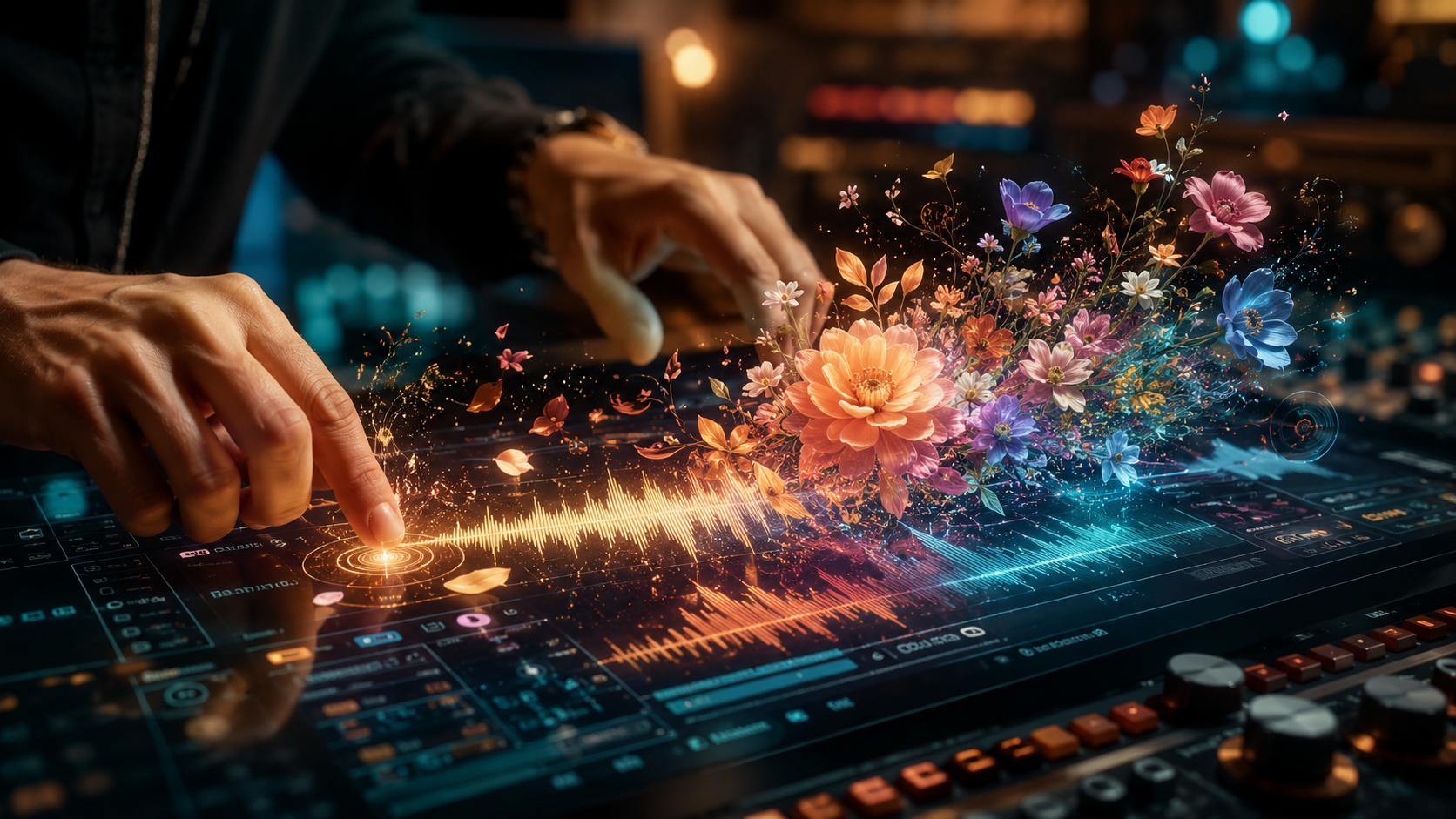
Choosing the right tool depends on your specific needs—whether you are looking for cinematic realism or a mobile-first workflow. As reported by 9to5Google, the recent "Omni" upgrades to Google Flow have introduced dedicated apps that bridge the gap between desktop power and mobile convenience. These tools now include "Gemini Omni" integration, which acts as a virtual director, suggesting camera angles based on the emotional arc of your song.
For those prioritizing pure visual spectacle, OpenAI’s Sora remains the gold standard. However, Geek Vibes Nation recently tested several apps for an indie single rollout and found that the best app for music videos in 2026 often comes down to the "agentic" capabilities—the ability of the AI to follow complex instructions throughout a four-minute track without losing character consistency.
| Platform | Primary Strength | Best For | Key 2026 Feature |
|---|---|---|---|
| OpenAI Sora | Hyper-realistic Physics | Cinematic Narratives | Multi-shot Consistency |
| Google Flow | Ecosystem Integration | Rapid Editing & Syncing | Gemini Omni Agents |
| Sondo AI | Ease of Use | Social Media Content | 1-Click Lyric Sync |
| Luma Dream Machine 3 | Action Sequences | High-Energy Tracks | Direct Audio-to-Motion |
How to Generate AI Music Videos with Google Flow Omni
Google’s latest update to the Flow ecosystem has changed how artists approach video editing. By integrating "Flow Music" with "Gemini Omni," the platform can now interpret the lyrics of a song to generate relevant imagery. If your song mentions "rain on a windowpane," the AI automatically generates that specific visual asset and times it to the exact millisecond the word is sung. This level of precision was a primary focus of the Google Blog announcement in May 2026.
The new dedicated mobile apps for Google Flow allow creators to record a demo on their phone and immediately generate a high-quality visual draft. This "mobile-first" approach is designed for the TikTok and Reels era, where speed is as important as quality. The "Omni" upgrade specifically refers to the model's ability to handle text, audio, and video inputs simultaneously, ensuring that the visual transitions are perfectly quantized to the beat of the music.
Advanced Prompting Techniques for Music Videos
To get the most out of these tools, your prompts should be structured in "scenes." Instead of one long prompt, break your video into segments: Intro, Verse 1, Chorus, Verse 2, and Outro. In 2026, most platforms support "Chained Prompts," where the AI maintains the same character and environment across these different segments. Using keywords like "dynamic camera movement," "anamorphic lens," and "volumetric lighting" will significantly improve the professional look of the output.
The Challenges of AI Generation: What Can Go Wrong?
Despite the massive leaps in technology, AI music videos are not without their flaws. A recent investigative piece by PCMag titled "I Made a Song and Music Video With AI. Can You Tell What's Wrong With Them?" highlighted common pitfalls. These include "hallucinations" where instruments might merge into a performer's hands or the background might shift inconsistently during fast-paced sequences. Understanding these limitations is key to knowing how to generate ai music videos that look intentional rather than accidental.
The "uncanny valley" effect remains a concern for photorealistic human characters. To combat this, many creators in 2026 are opting for stylized aesthetics—such as 3D animation, oil painting styles, or futuristic surrealism—where minor AI inconsistencies are less distracting. As the technology matures, the focus is shifting from "can the AI do this?" to "how can the creator direct the AI effectively?"
Overcoming Visual Inconsistency
One of the best ways to maintain consistency is to use "Seed References." By providing the AI with a single reference image of your protagonist or setting, you can lock in the visual identity. Most 2026 models now feature a "Character Lock" toggle, which ensures that your lead singer doesn't change hair color or clothing style between the first verse and the bridge.
The Future of Music Visuals: Beyond 2026
As we look toward the latter half of the decade, the integration of AI agents will become even more seamless. We are already seeing "New agents" in Google Flow that can act as lighting technicians or wardrobe stylists. The goal is a fully collaborative environment where the artist acts as the director, and the AI handles the technical execution of the frames. According to Google, the goal of Gemini Omni is to make video creation as intuitive as having a conversation.
With over 15 million videos already generated on platforms like Sondo AI, the sheer volume of content is forcing a shift in how we value music videos. They are becoming more personalized and ephemeral. In the near future, we may see "reactive" music videos that change their visuals based on the listener's environment or time of day, all powered by the same generative engines we are using today to create static video files.
Frequently Asked Questions
What is the best app for generating AI music videos in 2026?
Currently, OpenAI’s Sora is considered the best for high-end cinematic quality, while Google Flow is the top choice for creators who need tight integration with mobile apps and real-time editing agents.
Is it legal to use AI-generated music videos for commercial release?
Yes, most professional platforms in 2026 provide commercial usage rights with their paid subscriptions, though you should always check the specific terms of service for the model you are using.
How long does it take to generate a full 3-minute music video?
With the 2026 upgrades to Google Flow and Sondo AI, a draft video can be generated in under 10 minutes. High-resolution rendering and fine-tuning with Omni agents may take 1-2 hours depending on the complexity.
Do I need a powerful computer to run these AI tools?
No, most modern AI video generation is cloud-based. Platforms like Google Flow and Sora run on remote servers, meaning you can direct the process from a standard laptop or even a mobile device.
Can AI sync the video to the beat of my music automatically?
Yes, "rhythmic quantization" is a standard feature in 2026. Models now analyze the waveform of your audio to ensure that cuts, transitions, and motion pulses align perfectly with the tempo of the track.



Comments ()