
How to Create Viral Videos with AI: 2026 Strategy Guide

The landscape of digital storytelling has undergone a seismic shift as we move through 2026. The ability to create viral videos with AI is no longer a niche skill for tech enthusiasts; it has become the standard for creators, marketers, and influencers aiming to capture the shrinking attention spans of global audiences. With the emergence of hyper-realistic rendering and mobile-first generation tools, the barrier to entry for high-production value content has vanished, allowing anyone with a prompt to compete with major studios.
To create viral videos with AI in 2026 is the process of using generative models like Seedance, Grok, or specialized text-to-video engines to produce high-engagement content. This involves leveraging automated editing, deepfake technology for parody, and mobile-optimized AI tricks to generate clips that resonate with social media algorithms and cultural trends.
- ✓ Utilize mobile-integrated tools like Grok for rapid, trend-based video creation.
- ✓ Prioritize hyper-realistic "Seedance" style quality for maximum social sharing.
- ✓ Shift focus from OpenAI's Sora to more accessible, specialized 2026 video engines.
- ✓ Focus on niche aesthetics, such as Lego-style or stylized parodies, to bypass saturation.
- ✓ Maintain ethical standards to avoid platform-level deepfake bans.
The Evolution of AI Video Content in 2026
In 2026, the definition of "viral" has evolved alongside the technology used to create it. We have moved past the era of jittery, uncanny AI clips into an age of seamless photorealism. According to The AI Journal, modern AI video generators now allow creators to produce viral clips directly from text with a level of fidelity that was impossible just two years ago. This shift has democratized the "Hollywood look," allowing independent creators to produce cinematic parodies and high-concept shorts that regularly outperform traditional media.
However, the industry has also faced significant pivots. One of the most shocking developments of the year was when OpenAI pulled the plug on Sora in March 2026. According to NPR, this decision was driven by mounting deepfake concerns and the platform's struggle to manage the viral spread of misinformation. This vacuum has been filled by a new generation of tools that balance creative freedom with built-in safety protocols, leading to a more diverse ecosystem of video generation platforms.
The Rise of Stylized and Parody Content
As photorealism becomes common, creators are finding that unique art styles often drive more engagement. For instance, the team behind the AI Lego-style videos has seen massive success by using blocky, nostalgic aesthetics to lampoon serious political events. This suggests that to create viral videos with AI, one must look beyond realism and explore creative abstraction that triggers emotional responses or humor.
Top Tools to Create Viral Videos with AI This Year
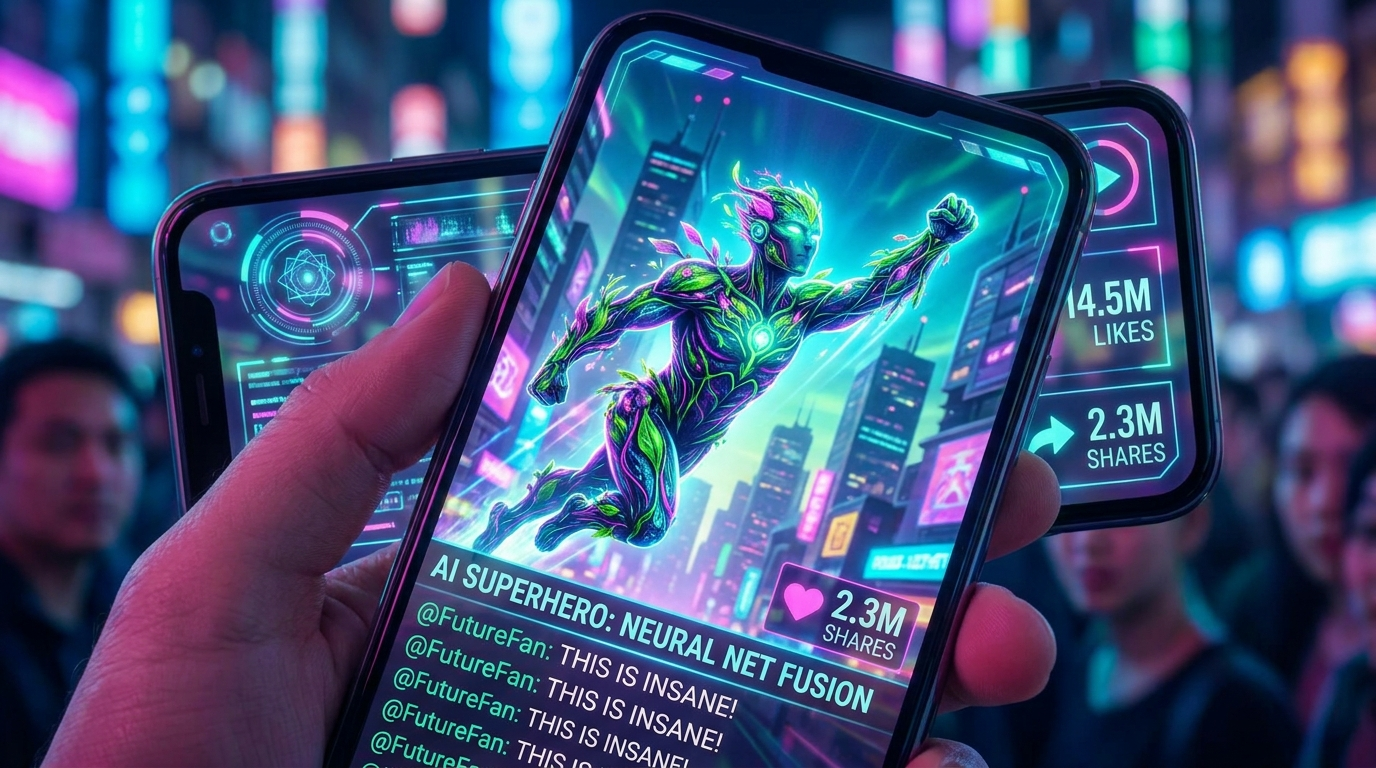
Choosing the right platform is critical for your 2026 content strategy. The market has bifurcated into high-end cinematic engines and rapid-fire mobile tools. According to QUASA Connect, there are currently five dominant AI video generators that lead the market in terms of user retention and viral output. These tools have integrated features like automatic captioning, trend-analysis prompts, and direct-to-social publishing.
| AI Tool | Primary Strength | Best For | Platform |
|---|---|---|---|
| Seedance | Hyper-realistic Deepfakes | Cinematic Parody / Hollywood Style | Desktop/Pro |
| Grok Mobile | Speed & Integration | Social Media Trends (e.g., Hulk AI) | Mobile (X Integrated) |
| Lego-Gen AI | Stylized Animation | Political Satire / Storytelling | Web-based |
| The AI Journal Engine | Text-to-Clip Efficiency | Quick Social Snippets | Web/API |
| Quasa Video Pro | Commercial Quality | Brand Marketing | Professional Suite |
The Seedance Phenomenon
Seedance has become a household name in 2026 by powering some of the most shared videos of the year. Notable examples include the Cruise vs. Pitt deepfake series, which Deadline reported went viral for its indistinguishable-from-reality quality. While these tools offer immense power, they require a nuanced understanding of lighting and physics prompts to achieve the "viral-ready" polish that audiences now expect.
Step-by-Step: Using AI to Create Viral Social Content
To create viral videos with AI that actually convert views into followers, you need a repeatable workflow. The "Grok Mobile Trick" has become a popular method for creators to stay relevant. According to Mshale, this technique involves using specific mobile prompts—such as the "Hulk AI Video" prompt—to generate high-energy, character-driven content directly on a smartphone. This accessibility means that a creator can see a trend at 9:00 AM and have an AI-generated response live by 9:15 AM.
First, identify a trending audio or concept. In 2026, algorithms prioritize "remixability." Use your AI engine to generate a visual that subverts expectations. For example, instead of a standard dance video, use a prompt that transforms the creator into a stylized 3D character or places them in a surreal environment. The key is the first three seconds; the visual hook must be so unique that the user stops scrolling immediately.
Optimizing for the Algorithm
Viral success isn't just about the video; it's about how the AI understands the metadata. Many 2026 tools now include "SEO-generation" for video descriptions. When you create viral videos with AI, ensure you are using the built-in trend analysis features to select keywords that are currently peaking in the platform's internal search engines. This synergy between visual AI and data-driven AI is the secret sauce of 2026's top influencers.
Ethical Considerations and Platform Policies
As we navigate the mid-2020s, the ethics of AI video have moved from theoretical debates to hard platform rules. The shutdown of Sora by OpenAI serves as a stark reminder that the industry is under heavy scrutiny. Creators must be transparent about their use of synthetic media. Most major platforms now require an "AI-Generated" label, and failing to include it can lead to shadowbanning or permanent account suspension.
Furthermore, the use of celebrity likenesses, while popular for parodies like the Seedance Hollywood videos, exists in a legal gray area. According to Deadline, while some parodies are protected, others have faced copyright strikes when the AI-generated content is used for commercial gain without permission. To create viral videos with AI sustainably, focus on original characters or clearly transformative parodies that fall under fair use guidelines.
The Future of AI Video: What's Next in 2026?
Looking toward the latter half of 2026, we expect to see even deeper integration between AI video and augmented reality (AR). The "viral" videos of tomorrow won't just be flat screens; they will be immersive experiences that users can step into. The technology used to create the Lego-style Trump parodies is already being adapted for real-time interactive filters that allow viewers to change the art style of a video as they watch it.
The democratization of these tools means that the "viral" window is shorter than ever. To stay ahead, creators must constantly experiment with new models. Whether it is the rapid mobile tricks of Grok or the high-fidelity outputs of Quasa Connect's top-rated generators, the goal remains the same: using AI to enhance human creativity, not replace it. The most successful creators in 2026 are those who use AI as a high-speed paintbrush to bring their most imaginative (and often absurd) ideas to life.
Frequently Asked Questions
What is the best AI video generator in 2026?
Currently, Seedance is considered the best for hyper-realistic cinematic content, while Grok is the leader for mobile-integrated viral trends. The choice depends on whether you prioritize visual fidelity or speed of execution.
Is Sora still available for creating viral videos?
No, OpenAI officially pulled the plug on Sora in March 2026 due to deepfake concerns and regulatory pressure. Creators have since migrated to alternative platforms like Seedance and specialized generative engines.
How do I make a viral Hulk AI video?
Using the "Grok Mobile Trick," you can use specific character-swap prompts on your phone to generate high-energy superhero content. This method is currently one of the fastest ways to trend on social media platforms.
Can I use AI to create videos of celebrities?
While parody videos of celebrities like Tom Cruise and Brad Pitt have gone viral using Seedance, it is important to follow platform-specific disclosure rules. Unauthorized commercial use of a celebrity's likeness can lead to legal action or content removal.
Do I need a powerful computer to create viral videos with AI?
In 2026, no. Many of the most popular viral video tools are cloud-based or mobile-optimized, allowing you to generate high-quality 4K clips directly from a smartphone or a standard web browser.
Comments ()