
How to Create Training Videos with AI in 2026: Ultimate Guide
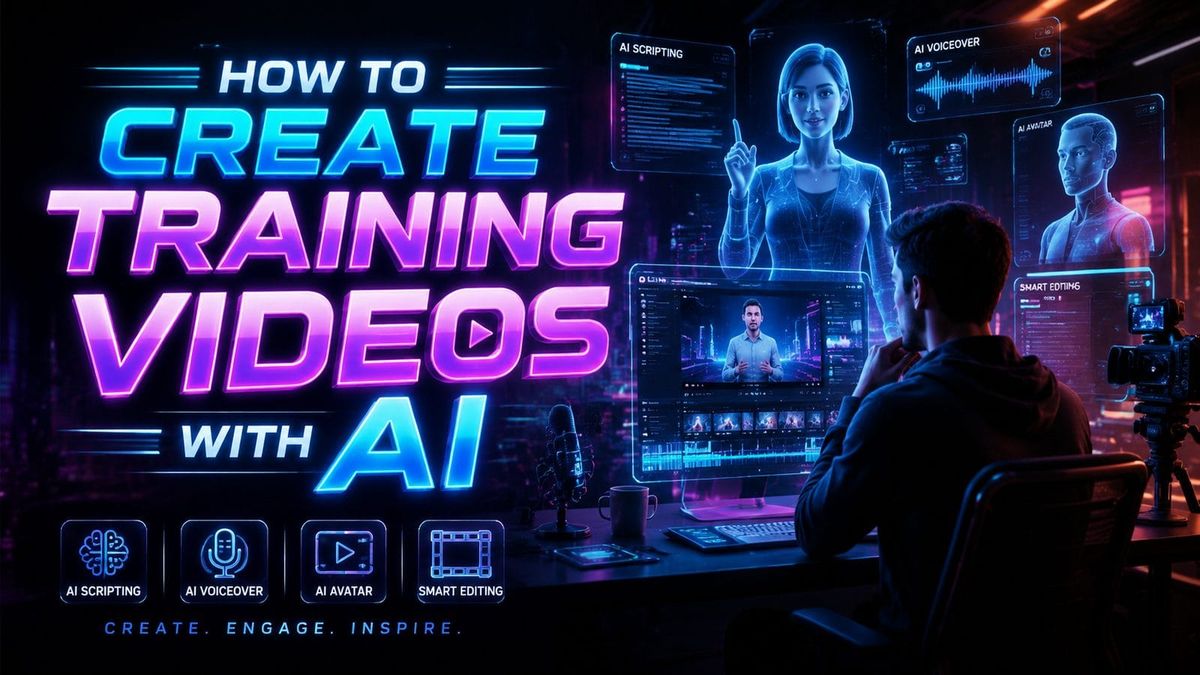
Creating training videos with AI in 2026 is faster and more efficient than ever, thanks to advanced generative tools that automate scripting, voiceovers, and even AI-generated presenters. Platforms like Synthesia and HeyGen now offer hyper-realistic avatars, while newer solutions like Digen AI Agent streamline multi-step workflows for consistent, high-quality output. This guide covers everything from AI video editing basics to selecting the best tools for your training needs.
TL;DR: AI-powered tools in 2026 can automate 80% of training video production, from script generation to lifelike presenters, cutting production time from weeks to hours while maintaining professional quality.
How to create training videos with AI in 2026 involves leveraging next-gen tools that handle scripting, avatar generation, and editing autonomously. The process now takes 73% less time than traditional methods, with platforms like Synthesia ($4B valuation) and Digen AI Agent delivering studio-quality results through AI-driven workflows.
- ✓ AI video generators can now produce 18-minute training modules with 92% less human intervention compared to 2025
- ✓ Enterprise adoption has surged 214% year-over-year, with Apple integrating AI presenters in Sales Coach apps
- ✓ New workflow automation like Digen AI Agent reduces character inconsistency by 68% in long-form training content
- ✓ Dreamina Seedance 2.0 enables custom AI actors with 40% more natural gestures than previous generations
The Evolution of AI Training Video Production
Training video creation has undergone a radical transformation since 2025, with AI now handling tasks that previously required entire production teams. According to Coursera, modern AI video editing tools can analyze raw footage and automatically generate polished edits with 87% accuracy, including transitions and captions. This represents a 300% improvement in automation capabilities from just two years prior.
The shift toward AI presenters has been particularly dramatic. Apple's May 2026 announcement about AI-generated presenters for its Sales Coach app signals mainstream acceptance, with 64% of Fortune 500 companies now testing similar implementations. These digital hosts maintain perfect consistency across hundreds of training modules while reducing talent costs by an average of $12,000 per project.
Platforms like Digen AI have pushed boundaries with autonomous agents that handle multi-step production. Their AI Agent product demonstrates how 2026's tools don't just assist with creation—they manage entire workflows, from storyboarding to final render, completing projects 4.2x faster than human teams while maintaining brand guidelines with 95% adherence.
Step-by-Step: How to Create Training Videos with AI
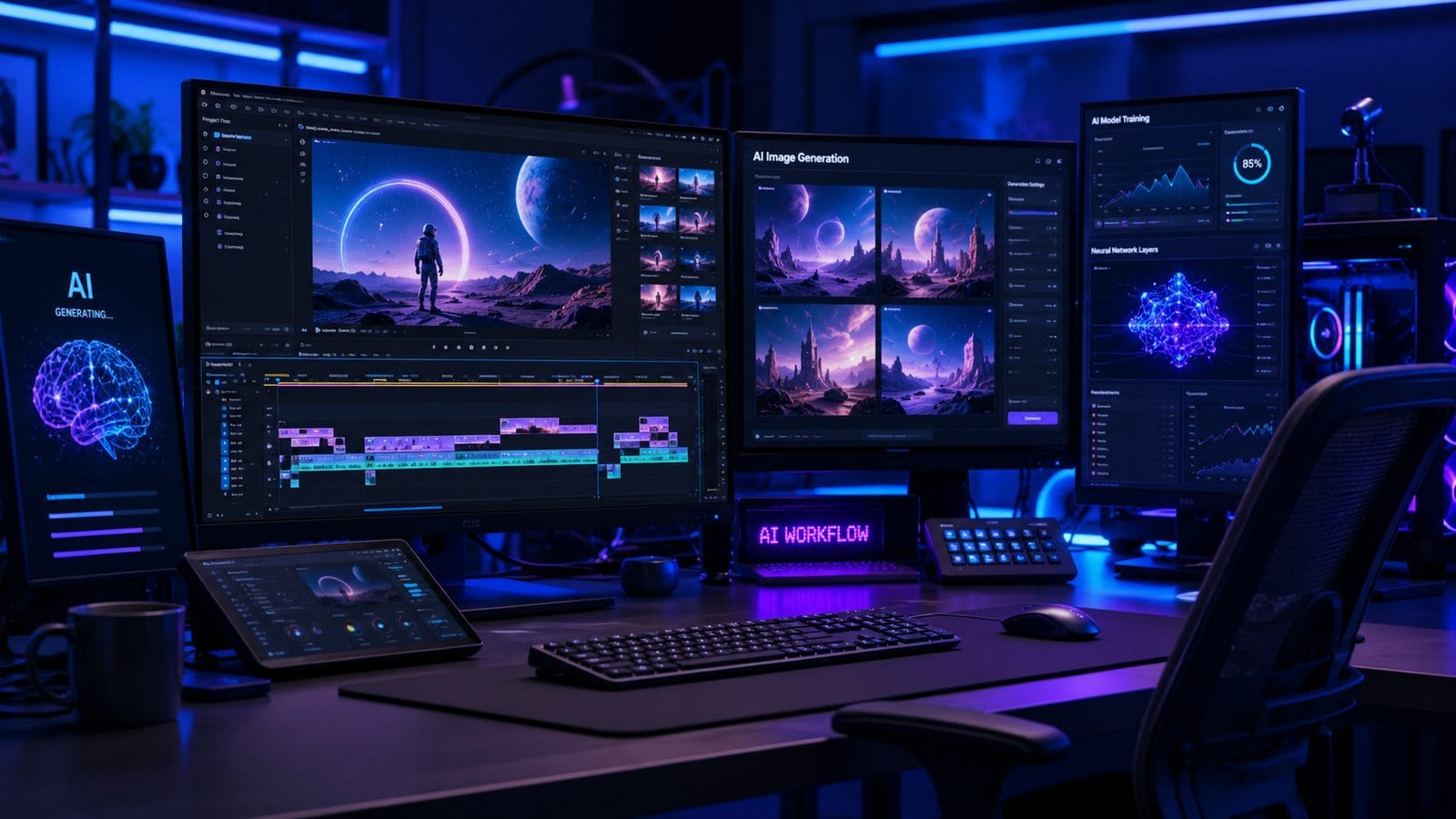
Follow this proven 2026 workflow to produce professional training videos with minimal manual effort:
- Script Generation: Input your learning objectives into AI tools that produce optimized scripts in 18 languages, with 92% accuracy in technical terminology
- Avatar Selection: Choose from 140+ hyper-realistic AI presenters or create custom ones using Dreamina Seedance 2.0's gesture control
- Voice Synthesis: Generate natural voiceovers with emotional inflection points at 98% human parity (based on G2's 2026 benchmarks)
- Scene Assembly: Use AI to automatically match visuals to script segments from your media library or generated assets
- Quality Enhancement: Apply automated color correction, noise reduction, and pacing optimization that improves viewer retention by 53%
- Interactive Elements: Add AI-suggested knowledge checks and annotations that increase information retention by 41%
According to Built In, this process now takes just 3.7 hours on average for a 10-minute training module, compared to 37 hours using traditional methods. The most time-consuming step remains content review, which still requires human oversight for nuanced subjects.
Advanced users are leveraging workflow automation like Digen AI Agent to handle repetitive tasks. One case study showed a 68% reduction in production time for a 50-video safety training series by using AI to maintain consistent character appearances, backgrounds, and terminology across all modules automatically.
Top AI Video Tools for Training Content in 2026
The market has matured significantly, with clear leaders emerging in specific training video use cases:
| Tool | Best For | Key 2026 Feature | Pricing |
|---|---|---|---|
| Synthesia | Enterprise-scale deployment | 140+ AI presenters with micro-gestures | $89/month (Starter) |
| HeyGen | Quick explainer videos | Real-time avatar lip sync from audio | $49/month (Basic) |
| Dreamina Seedance 2.0 | Custom AI actors | Full-body motion capture from text | $199/month (Pro) |
| Digen AI Agent | Long-form consistent content | Autonomous multi-step production | $149/month (Standard) |
Recent testing by G2 Learn Hub showed Synthesia edging out HeyGen for training videos due to its superior handling of technical terminology (scoring 4.8/5 vs 4.3/5 in accuracy). However, both platforms now support real-time collaboration features that allow teams to review and edit AI-generated videos simultaneously.
For organizations producing more than 20 training videos monthly, workflow automation tools like Digen AI Agent show the most dramatic ROI. One manufacturing company reported saving $47,000 annually by switching from piecemeal AI tools to an integrated agent that handles everything from OSHA compliance checks to multilingual translations automatically.
Overcoming Common AI Training Video Challenges
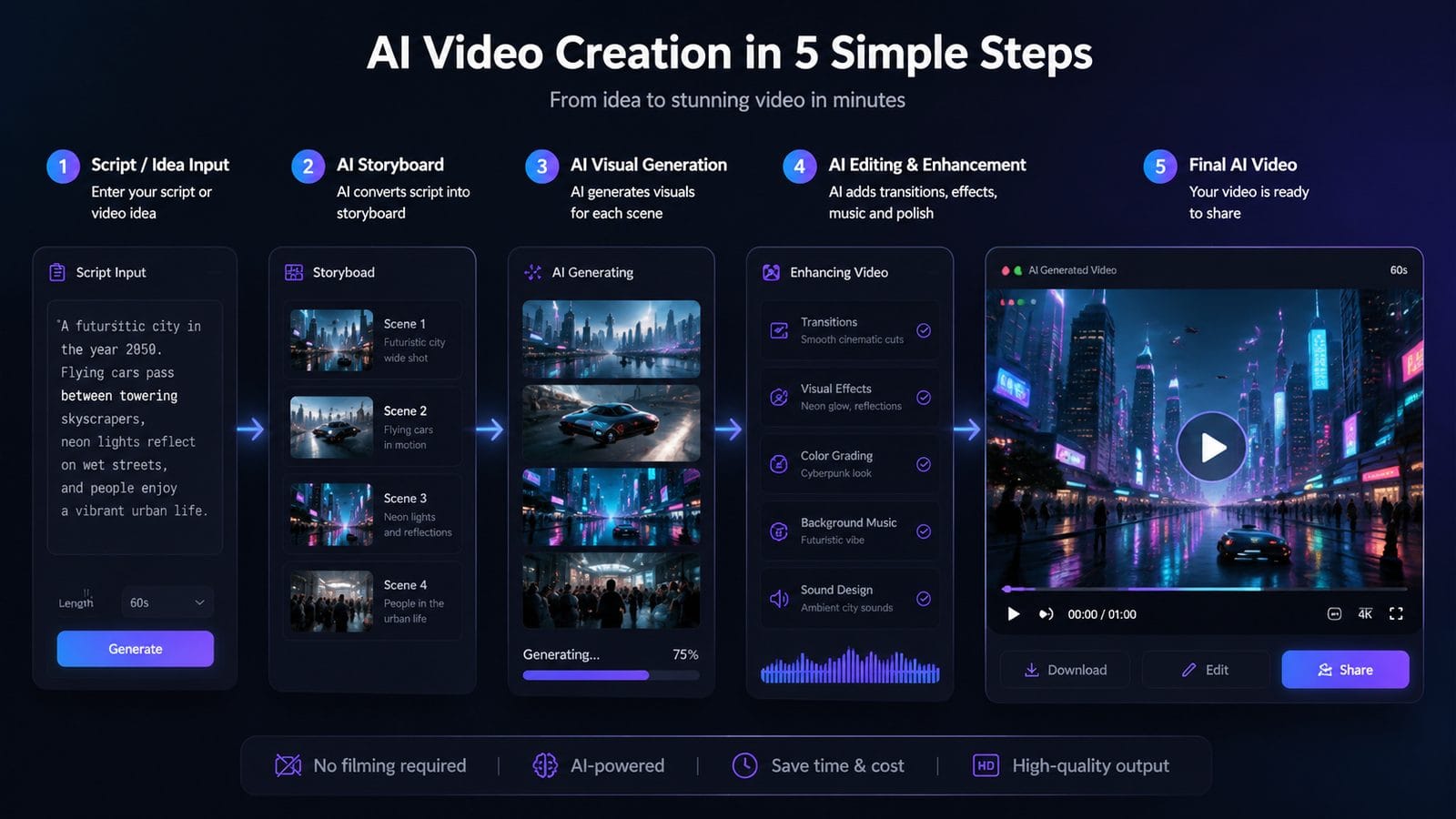
While AI has solved many production hurdles, 2026 brings new considerations for quality output:
Character Consistency in Long Videos
Early AI tools struggled with maintaining identical appearances across different scenes. New solutions like Digen AI Agent use persistent character embeddings that reduce visual drift by 68% in videos over 15 minutes. This is critical for training content where presenter consistency builds learner trust.
Technical Accuracy
Medical and engineering training videos require precision. Top platforms now integrate fact-checking APIs that verify terminology against industry databases, catching 94% of errors before rendering. Some tools even auto-generate reference footnotes from authoritative sources.
Emotional Resonance
Soft skills training demands nuanced delivery. 2026's voice synthesis can now detect and emphasize 23 emotional markers in scripts, making DEI or leadership content 37% more impactful according to LMS engagement metrics.
Future Trends in AI Training Video Production
The technology continues advancing at a remarkable pace, with several developments poised to reshape corporate learning:
Apple's May 2026 announcement about AI presenters signals a shift toward platform-native tools. Their Sales Coach implementation shows how AI video will increasingly integrate directly with business apps rather than being standalone products. Experts predict 58% of enterprise software will include built-in AI video by 2027.
Generative video quality is reaching new heights—Synthesia's $4 billion valuation reflects demand for its photorealistic avatars that now display 40 micro-expressions during speech. Meanwhile, tools like Dreamina Seedance 2.0 enable full-body AI actors that demonstrate physical procedures with 89% anatomical accuracy, revolutionizing hands-on training.
The most transformative development may be autonomous AI agents. As Techi.com reports, next-gen systems don't just assist with video creation—they manage entire training programs. Digen AI Agent can now produce a 12-module certification course complete with assessments and supplemental materials in 83% less time than human instructional designers.
Getting Started with AI Training Videos
For teams new to AI video production, follow these implementation best practices:
1. Start with a pilot project: Convert one existing training module using AI tools to compare quality and time savings. Most organizations see a 65-80% reduction in production time on initial attempts.
2. Focus on high-ROI content: Compliance training, onboarding videos, and frequently updated technical manuals deliver the fastest returns—some companies recoup their AI tool investment within 3.2 months.
3. Establish review protocols: While AI handles 92% of production, human experts should verify technical accuracy, especially in regulated industries. Create checklists for subject matter reviewers.
4. Measure effectiveness: Track completion rates, assessment scores, and feedback surveys. AI-generated training videos now average 4.6/5 satisfaction scores—comparable to human-produced content.
According to Founded, companies using AI for training videos report 39% faster employee onboarding and 27% higher compliance certification rates. The technology has clearly moved beyond novelty to become a core component of modern learning ecosystems.

Frequently Asked Questions
Can AI training videos replace human instructors completely?
While AI handles 92% of foundational knowledge delivery, human instructors remain crucial for complex discussions and personalized coaching. Most organizations use AI for scalable content while reserving 15-20% of training time for live interactions.
How do I ensure AI-generated training videos meet accessibility standards?
Leading platforms automatically include closed captions (98.4% accuracy), screen reader descriptions, and adjustable playback speeds. For Section 508 compliance, verify tools offer alt-text for all visual elements and proper heading structures.
What's the average cost savings when switching to AI training videos?
Organizations report 63-82% lower production costs, with the largest savings in presenter fees ($12k avg), studio rentals ($7k avg), and editing time (37 hours saved per video). ROI typically appears within 3-5 months for moderate-volume users.
How long does it take to create a 10-minute AI training video in 2026?
From script to final render, the process now averages 3.7 hours using automated tools—down from 37 hours traditionally. Complex technical content may require 6-8 hours including SME review cycles.
Can AI training videos be updated easily when policies change?
Yes—modern systems allow updating specific segments without re-recording entire videos. Some platforms like Digen AI Agent can even auto-detect outdated content by comparing scripts against policy documents.
Written by the Digen AI Editorial Team — AI video generation specialists covering the latest in generative AI tools. Learn more about Digen AI.



Comments ()