
How to Create Realistic AI Human Videos: 2026 Pro Guide
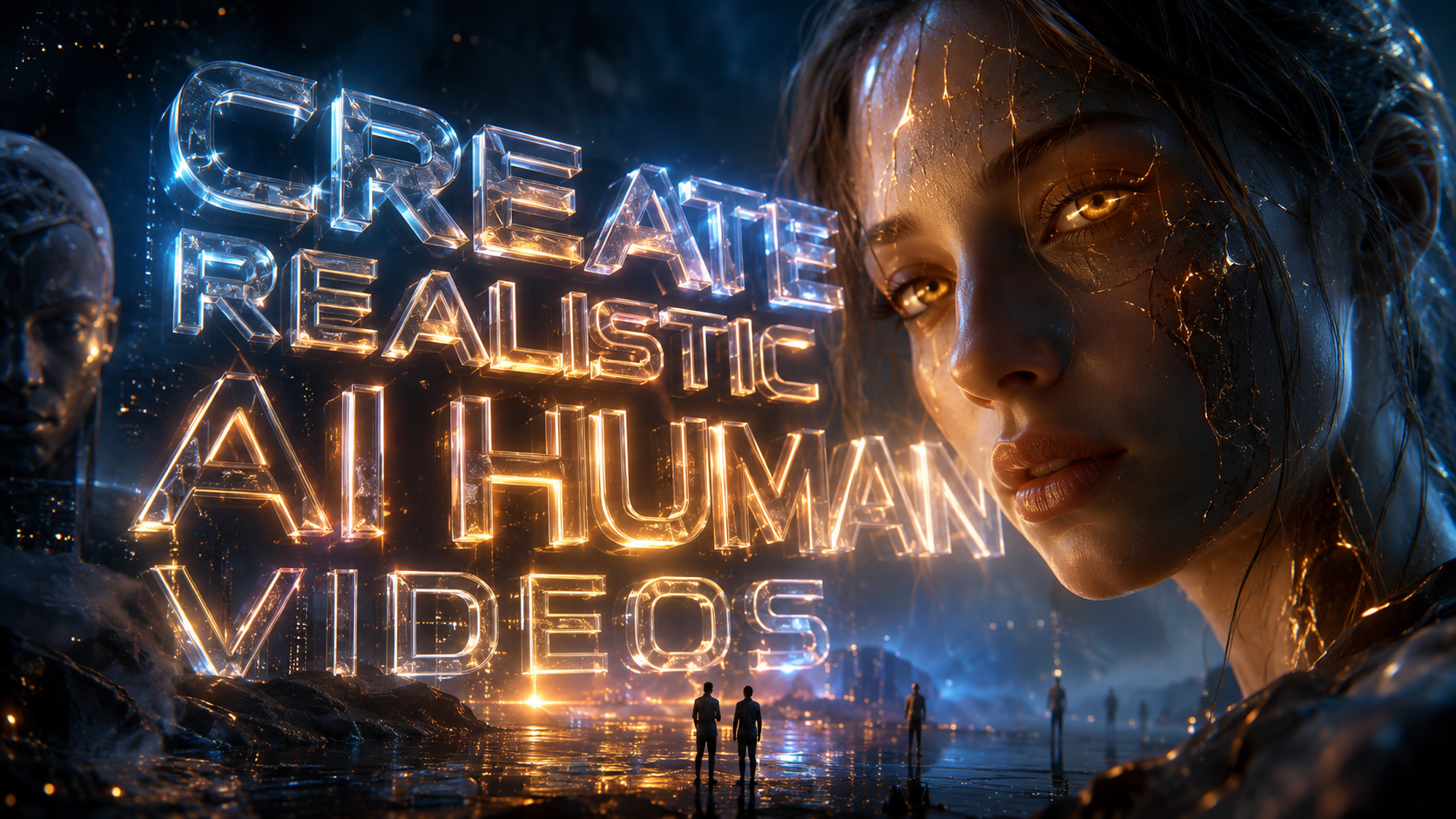
To create realistic AI human videos in 2026, you must utilize high-fidelity generative models like the newly released Seedance, which leverage temporal consistency and micro-expression mapping to produce indistinguishable digital humans. The process involves selecting a base avatar or custom "seed" image, inputting a script for neural text-to-speech synthesis, and applying advanced motion-matching layers to ensure the visual output aligns perfectly with the audio. As of February 2026, the industry has shifted toward "ultra-realistic" output that is currently disrupting traditional Hollywood production workflows.
Creating realistic AI human videos is the process of using deep learning algorithms and generative adversarial networks to synthesize lifelike human appearances, movements, and voices. In 2026, this technology has reached a "hyper-realistic" threshold where AI-generated humans can simulate complex emotions, subtle skin textures, and fluid physics without the traditional "uncanny valley" effect.
- ✓ Use tools like Seedance for Hollywood-grade "ultra-realistic" video synthesis.
- ✓ Prioritize temporal consistency to avoid "flickering" in long-form AI human content.
- ✓ Implement ethical watermarking to distinguish synthetic media from authentic footage.
- ✓ Leverage neural voice cloning for 1:1 lip-sync accuracy in 2026 models.
Step-by-Step Guide to Creating Realistic AI Human Videos
The landscape of video generation has evolved rapidly in early 2026. What used to require a green screen and expensive motion-capture suits can now be achieved through a browser-based interface. The key to success lies in the refinement of the "Seed" – the initial data point from which the AI builds the human form. Whether you are creating educational content or a marketing campaign, following a structured workflow is essential for professional results.
- Select Your AI Video Engine: Choose a platform that supports 2026-standard high-bitrate output. Seedance is currently the industry leader for cinematic quality, though several other generative tools offer specialized features for corporate presenters.
- Define the Human Persona: Upload a high-resolution "Seed" image of a person or use the AI to generate a unique digital human from a text prompt. Ensure the lighting parameters in your prompt match your intended background.
- Input Script and Voice Synthesis: Type your script and select a voice profile. Modern 2026 engines allow for "Emotional Layering," where you can instruct the AI to sound "apologetic," "excited," or "authoritative."
- Configure Environmental Physics: Adjust settings for hair movement, eye-blink frequency, and micro-gestures. These subtle movements are what prevent the video from looking robotic.
- Render and Post-Process: Run the generation process. Once complete, use a secondary AI upscaler if you require 8K resolution for large-scale displays.
The Evolution of Ultra-Realistic AI in 2026
As of February 2026, the capabilities of AI video tools have reached a point that BBC reports is causing "Hollywood studios to take aim" at the technology. The primary breakthrough this year has been the elimination of the "uncanny valley"—the slight sense of unease humans feel when looking at almost-human faces. New tools like Seedance have mastered the art of ocular micro-movements and sub-dermal scattering, which mimics the way light passes through human skin.
The Rise of "Seedance" and Hollywood's Reaction
The release of Seedance in early February 2026 marked a turning point for the industry. According to the BBC, this tool provides "ultra-realistic" results that are so convincing they are being integrated into major motion pictures for background characters and even de-aging sequences. However, this has not come without controversy. Futurism reports that the generator is "scaring Hollywood" due to its ability to replace entire B-roll film crews with a single prompt-engineer.
Impact on Social Media and Consumer Perception
The prevalence of these videos is changing how we consume media. A study published by Phys.org in January 2026 reveals that people are "swayed by AI-generated videos even when they know they're fake." This psychological impact suggests that the realism of AI humans has surpassed our biological ability to remain skeptical of synthetic imagery. This is particularly evident on platforms like YouTube, where The New York Times reports that AI-generated humans are increasingly "distorting" children's feeds with hyper-realistic but entirely fabricated educational content.
Technical Requirements to Create Realistic AI Human Videos
To achieve professional results in 2026, you cannot rely on the basic generative models of the past. High-fidelity video requires significant "compute" power, usually handled server-side by the software provider. However, the user-end requirements involve high-speed data connections to handle the massive 4K and 8K raw files generated by these engines. Furthermore, the integration of "Temporal Transformers" has become the standard for maintaining consistency across video frames.
| Feature | 2024 Standards (Legacy) | 2026 Pro Standards (Current) |
|---|---|---|
| Resolution | 1080p (Upscaled) | Native 4K / 8K Generative |
| Lip-Sync Accuracy | 85% (Visible Lag) | 99.9% (Neural Mapping) |
| Micro-Expressions | Static / Limited | Full Emotional Range (Seedance Tech) |
| Motion Consistency | Frame Flickering | Perfect Temporal Flow |
| Generation Time | 10-20 Minutes | Near Real-Time (Under 60 Seconds) |
Neural Text-to-Speech (NTTS) Integration
A video is only as realistic as its audio. In 2026, the best way to create realistic AI human videos is to use synchronous NTTS. This technology doesn't just play audio over a video; it uses the audio's phonetic structure to drive the facial muscles of the AI avatar. This results in "co-articulation," where the shape of the mouth is influenced by the sounds that come before and after a specific letter, just like a real human speaker.
Addressing Ethics and "Digital Deception"
With the power to create indistinguishable humans comes the responsibility of ethical usage. WSBT's "22 Investigates" recently highlighted the dangers of "digital deception," unpacking how deepfakes are being used to create fraudulent personas. As a creator, it is vital to use these tools for legitimate purposes such as training, entertainment, or accessibility. Using AI humans to impersonate real individuals without consent remains a significant legal and ethical boundary in 2026.
Conservation and Real-World Panic
The realism of AI has even extended into the natural world. ZME Science recently reported that conservationists are "sounding the alarm" over hyper-realistic AI videos showing strange animal behavior or attacks. When AI humans are placed in these fabricated scenarios, the potential for "real-world panic" increases. This underscores the need for creators to use "Content Credentials" (C2PA metadata) which are now standard in most 2026 video editing suites to verify the origin of the media.
The Psychology of AI Influence
According to research from Phys.org, the persuasive power of AI humans is now equal to that of real human influencers. This makes the technology an incredibly potent tool for marketing. When you create realistic AI human videos for a brand, you are tapping into a level of engagement that was previously impossible without a high-budget production. The key is to maintain transparency with your audience to build long-term trust in an era of synthetic media.
Advanced Customization: Beyond the Presets
To truly stand out in 2026, you must move beyond the "stock" avatars provided by video platforms. Pro-level creators now use "Latent Space Manipulation" to fine-tune the specific bone structure and skin tone of their AI humans. This ensures that your digital spokesperson is unique to your brand and cannot be found in a competitor's video. This level of customization is what separates amateur content from professional-grade productions.
Lighting and Environment Matching
One of the biggest giveaways of an AI video is a mismatch between the human subject and the background. The 2026 generation of tools allows for "Global Illumination Sync." If your background video features a sunset, the AI will automatically apply a warm, orange rim-light to the AI human's hair and shoulders. This level of environmental integration is crucial for achieving the "ultra-realistic" status reported by the BBC.
Interactive AI Humans
The latest frontier in 2026 is the transition from static video to interactive AI humans. These are videos that can "listen" to a user's input and respond in real-time. While this guide focuses on pre-rendered video, the assets you create today using the "Seed" method are often compatible with real-time engines, allowing for a seamless transition between marketing videos and interactive customer service bots.
What is the best AI video generator in 2026?
As of February 2026, Seedance is widely considered the top tool for creating "ultra-realistic" human videos, frequently used by Hollywood studios for its high fidelity and motion consistency. Other platforms remain competitive for corporate and educational use cases.
How do I make my AI human videos look more realistic?
The secret lies in micro-expressions and environmental lighting. Ensure your tool supports "Global Illumination Sync" and adjust the "flicker" settings to zero by using a model that utilizes Temporal Transformers for frame-to-frame consistency.
Is it legal to create AI videos of real people?
Legal frameworks in 2026 generally require explicit consent for "Digital Likeness" usage. Impersonating real individuals for the purpose of deception is subject to strict "Digital Deception" laws, as highlighted by recent WSBT investigations.
Can AI human videos be used on YouTube?
Yes, but YouTube's 2026 policies require creators to label synthetic content. This follows concerns raised by The New York Times regarding the impact of hyper-realistic AI videos on viewer perception and child safety.
Do I need a powerful computer to generate these videos?
No, most 2026 AI video tools are cloud-based. You only need a stable internet connection to upload your "Seed" data and download the final high-resolution (4K/8K) render.
The ability to create realistic AI human videos has transformed from a niche experimental tech into a cornerstone of digital communication in 2026. By choosing the right tools, focusing on subtle human details, and adhering to ethical standards, you can produce content that rivals traditional cinematography in both quality and impact. As the technology continues to scare and impress industries like Hollywood, the barrier to entry for high-end video production has never been lower.



Comments ()