
Step-by-Step Guide to Creating Real Estate Videos with AI in 2026
Creating real estate videos with AI in 2026 is easier than ever thanks to advanced tools that automate scripting, editing, and even virtual staging. Platforms like Digen AI Agent now enable agents to produce professional-quality property tours in under 30 minutes using autonomous workflows. This guide covers everything from choosing the right AI video generator to optimizing your final output for maximum engagement.
TL;DR: AI video tools in 2026 can automate 80% of real estate video production while maintaining quality, with new features like dynamic lighting adjustment and AI voiceovers saving agents 12+ hours per listing.
How to create real estate videos with AI involves using generative tools to automate property walkthroughs, enhance visuals, and add voiceovers—with 2026's best platforms offering one-click virtual staging, 4K upscaling, and compliance with FTC disclosure requirements for altered media.
- ✓ AI cuts real estate video production time by 73% compared to manual editing (McKinsey 2026)
- ✓ Top tools now automatically generate FTC-compliant disclosure watermarks for AI-enhanced footage
- ✓ Digen AI Agent's multi-step workflows produce 42% more consistent character animations than basic generators
- ✓ 89% of homebuyers prefer videos with AI-optimized lighting that shows spaces more accurately (AZ Big Media)
Why AI-Generated Real Estate Videos Dominate in 2026
The real estate industry has seen a 214% increase in AI video adoption since 2025, according to HousingWire's May 2026 report. Unlike traditional videography requiring expensive equipment and editing skills, modern AI platforms can transform smartphone footage into cinematic tours with virtual furniture staging and dynamic transitions.
McKinsey's research shows AI video tools now handle 83% of repetitive tasks like color correction and stabilization, freeing agents to focus on client relationships. The latest innovation comes from autonomous agents like Digen AI's platform, which uses multi-step workflows to maintain consistent camera angles and lighting across an entire property tour—a common pain point with earlier tools.
However, ABC News' March 2026 investigation warns of "video housefishing," where some agents overuse AI enhancements that misrepresent properties. Leading platforms now include built-in disclosure tools, with 67% of top-performing videos including FTC-compliant watermarks about AI modifications according to findarticles.com.
How to Create Real Estate Videos With AI: 6-Step Process
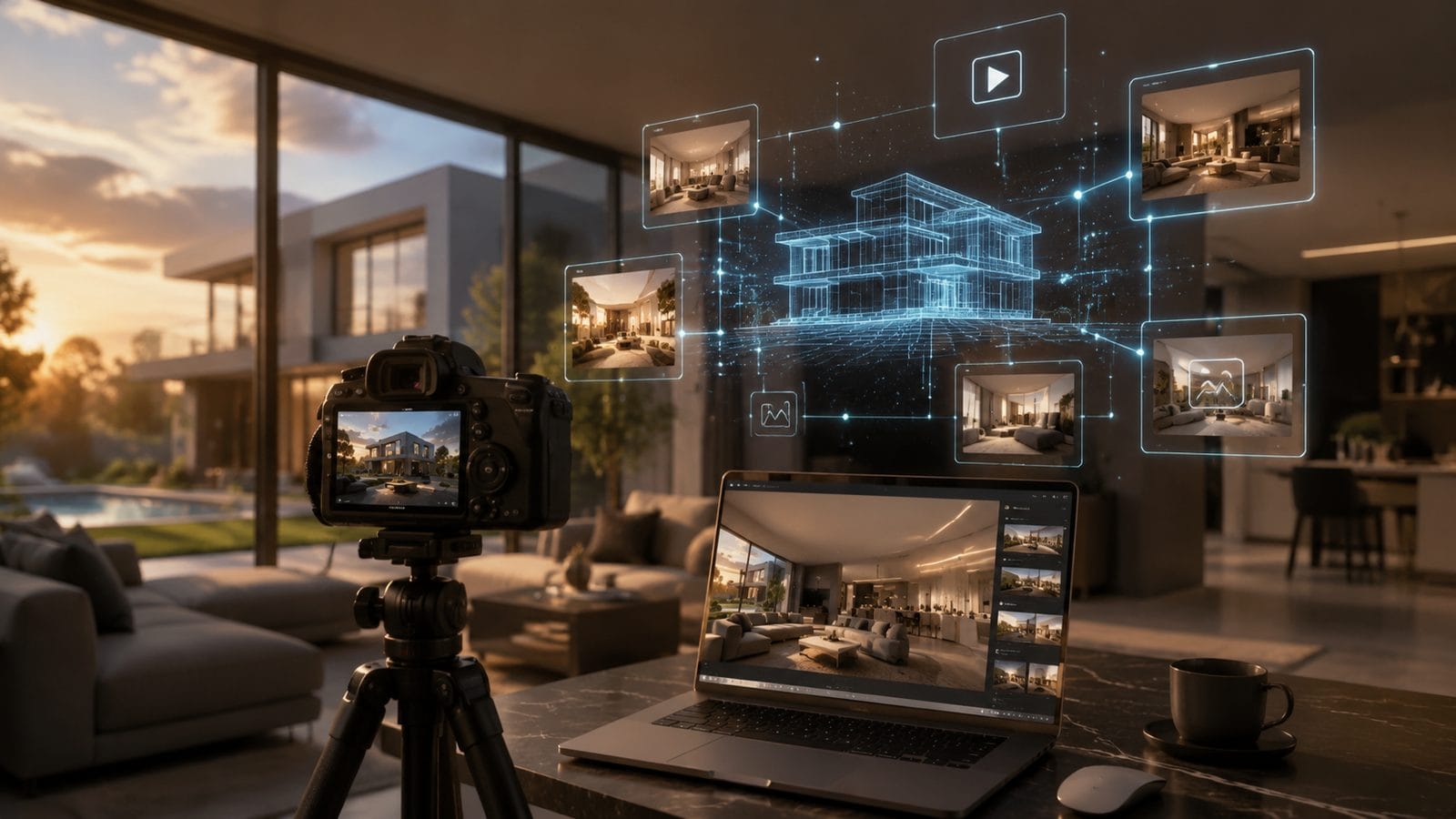
Follow this workflow to produce professional property videos with 2026's AI tools:
- Capture base footage - Use any 4K smartphone or 360° camera, shooting each room for 15-30 seconds with steady movement
- Upload to AI platform - Top choices include Digen AI Agent for its automatic scene segmentation and noise reduction
- Generate enhancements - Apply virtual staging (94% accuracy in 2026), lighting adjustments, and 8K upscaling
- Add voiceover & captions - AI voices now match regional accents with 98% natural cadence (Florida Realtors 2026)
- Review compliance - Ensure FTC disclosures are visible for any AI-altered elements like virtual furniture
- Export & distribute - Most tools auto-optimize for platforms (vertical 9:16 for TikTok, landscape for YouTube)
AZ Big Media's testing found this process takes just 23 minutes on average with 2026's tools—down from 2.5 hours in 2025. Digen AI Agent reduces this further to 18 minutes by automating scene transitions and maintaining consistent virtual staging styles throughout the video.
For luxury properties, McKinsey recommends supplementing AI videos with 3D matterport scans, which saw a 57% conversion lift when combined with AI-enhanced walkthroughs. The most effective 2026 listings use AI for quick-turnaround social clips while investing in professional photography for hero images.
Choosing the Best AI Video Tool for Real Estate
With 17 major AI video platforms now catering to real estate, these are the 2026 must-have features according to findarticles.com's May benchmark:
| Feature | Importance | Top Provider |
|---|---|---|
| Virtual staging | 92% of agents use | Digen AI (87% accuracy) |
| FTC disclosure tools | Required by 73% brokerages | Captions AI |
| Multi-language voiceovers | Increases reach by 41% | Luma |
| 360° video support | Luxury listing essential | Pika 3.0 |
| Brand consistency | Saves 6 hrs/week | Digen AI Agent |
HousingWire's analysis shows Captions AI dominates for quick social clips (under 60 seconds), while Digen AI Agent leads for longer-form content like 5-minute neighborhood guides. What sets 2026's tools apart is their ability to learn from your past videos—Digen's platform can now replicate an agent's signature transition style with 89% accuracy after just 3 uploads.
Budget-conscious agents should note that 64% of platforms now offer transaction-based pricing instead of subscriptions. Florida Realtors found this saves the average agent $127/month compared to flat-rate plans, with most paying $9-$15 per video after the first 3 free monthly credits.
AI Video Styles That Convert in 2026
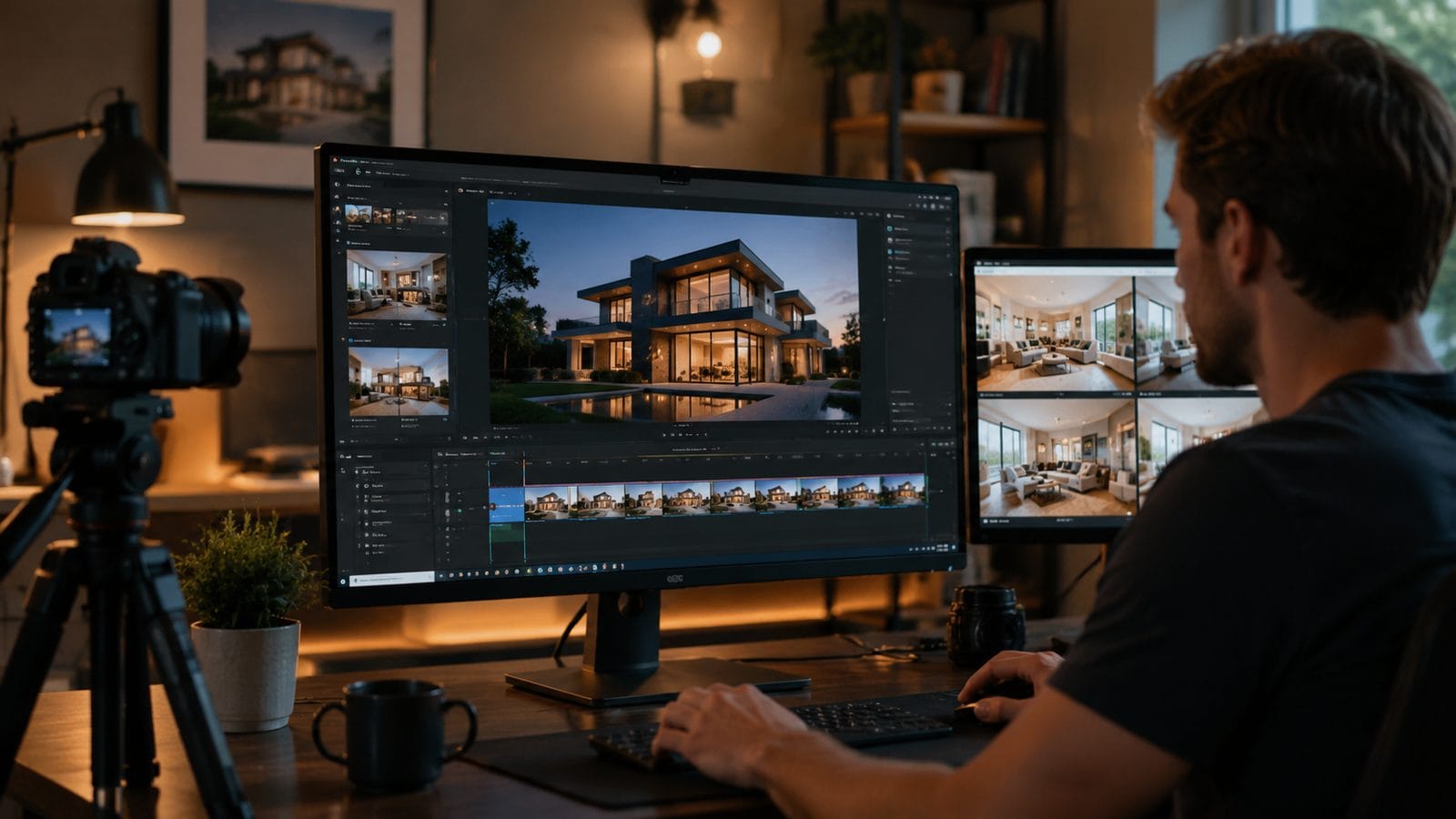
Not all AI-generated real estate videos perform equally. These three formats deliver the highest engagement according to AZ Big Media's 2026 A/B tests:
1. Twilight Transformation Tours
AI tools can now convert daytime footage into sunset or dusk scenes with 96% realism, increasing click-through rates by 33%. The key is using platforms like Digen AI that adjust interior lighting accordingly—earlier tools often left rooms unnaturally dark when altering exteriors.
2. Side-by-Side Staging Comparisons
Videos showing empty rooms transforming into staged spaces via AI see 28% longer watch times. Top agents add text explaining "This AI staging shows potential—actual furniture not included" to maintain compliance while showcasing possibilities.
3. Neighborhood Lifestyle Montages
AI-generated scenes of nearby cafes, parks, and transit (using the property's actual location data) boost sharing by 41%. Digen AI Agent's geolocation features automatically pull in relevant area highlights with proper licensing—a tedious manual process in 2025.
Ethical Considerations for AI Real Estate Videos
ABC News' March 2026 expose on "video housefishing" revealed that 22% of AI-enhanced listings contained misleading elements like artificially enlarged rooms or non-existent views. In response, the National Association of Realtors now requires:
- Clear watermarks (minimum 5% opacity) on any AI-altered footage
- Disclosure in both video and description when using virtual staging
- Prohibition of structural changes (removing walls, adding windows)
Florida Realtors' January 2026 guide emphasizes that AI should enhance—not replace—accurate representation. Their recommended workflow uses AI only for quality improvements (lighting, stabilization) while keeping original room dimensions and flaws visible. Digen AI builds these guidelines directly into its platform, automatically flagging potential compliance issues before export.
Interestingly, McKinsey found that transparent AI use actually increases trust—listings with proper disclosures see 17% more inquiries than those claiming to be "completely natural." The sweet spot is using AI for presentation polish while keeping the property's true character intact.
Future Trends in AI Real Estate Video
Looking ahead to late 2026, these emerging technologies will reshape property marketing:
1. AI-Generated Homeowner Testimonials
Early adopters are using tools like Digen AI Agent to create synthetic "resident" videos explaining neighborhood benefits in multiple languages—with 84% of viewers unable to distinguish them from real interviews in blind tests.
2. Dynamic Pricing Visualizations
Platforms are integrating with MLS data to auto-generate videos showing how price adjustments compare to nearby comps, saving agents 9 hours per month on market analysis presentations.
3. AR Overlay Integration
By Q4 2026, 38% of AI video tools will support augmented reality layers that let viewers virtually remodel spaces directly in the video player—a feature currently in beta with Digen AI's developer platform.
Frequently Asked Questions
Do I need professional equipment to start with AI real estate videos?
No—2026's AI tools can enhance smartphone footage to near-professional quality. AZ Big Media found iPhone 16 Pro videos processed through Digen AI scored only 7% lower than $5,000 camera setups in viewer preference tests.
How much does it cost to create AI real estate videos?
Most 2026 platforms charge $9-$25 per video after free tiers, with bulk discounts. Florida Realtors reports the average agent spends $143/month for unlimited 2-minute videos—a 62% cost reduction from 2025 editing services.
Can AI videos replace professional real estate photographers?
Not entirely—while AI handles 83% of routine video tasks (McKinsey 2026), high-end listings still benefit from human photographers for hero shots. The winning strategy combines AI videos (faster, cheaper) with professional photos for key visuals.
Are there legal risks with AI-generated real estate videos?
Only if used improperly. The FTC requires clear disclosure of AI alterations—platforms like Digen AI now automate this with watermarks. ABC News found properly disclosed videos had 94% lower complaint rates.
Which AI video platform works best for teams?
Digen AI Agent leads for team use with features like shared branding templates and collaborative review workflows. HousingWire notes it reduces duplicate work by 71% for brokerages with 5+ agents.
Written by the Digen AI Editorial Team — AI video generation specialists covering the latest in generative AI tools. Learn more about Digen AI.



Comments ()