
How to Create Faceless YouTube Channel AI: 2026 Strategy

Learning how to create faceless youtube channel ai strategies in 2026 involves leveraging a suite of generative tools to automate scriptwriting, voiceovers, and visual production without ever appearing on camera. By integrating advanced text-to-video models and AI-driven editing assistants, creators can now build high-revenue channels that focus on niche authority rather than personal branding. This approach allows for rapid scaling, with some top-tier creators generating upwards of $700,000 annually through automated content streams.
A faceless YouTube channel AI is a content creation model where artificial intelligence generates the video's script, voiceover, and visuals (stock footage or AI-generated avatars) to produce engaging content without a human presenter. In 2026, this process is fully streamlined through multimodal AI tools that convert simple text prompts into high-definition, viral-ready video content for both Long-form and Shorts formats.
- ✓ Use multimodal AI tools like Sora or Kling for high-fidelity, text-to-video generation.
- ✓ Focus on high-CPM niches such as finance, AI news, or sleep-aid content for maximum ROI.
- ✓ Automate SEO and metadata using AI assistants to ensure high visibility in YouTube's 2026 algorithm.
- ✓ Leverage "AI slop" or ambient content strategies for passive revenue through long-duration views.
Step-by-Step Guide: How to Create Faceless YouTube Channel AI
The barrier to entry for video production has vanished in 2026. To start your journey, you must first identify a niche where visual presence is secondary to the value of the information or the atmosphere provided. According to The AI Journal, the rise of faceless content is driven by the audience's increasing preference for concise, information-dense videos over personality-driven vlogs.
- Niche Selection and Research: Use AI analytics tools to identify trending topics with high search volume and low competition.
- Scripting with LLMs: Utilize advanced Large Language Models to draft scripts optimized for audience retention and YouTube’s 2026 ranking factors.
- AI Voice Synthesis: Generate natural-sounding narrations using "Speech-to-Speech" or "Text-to-Speech" tools that offer emotional inflection.
- Visual Assembly: Use text-to-video AI generators or automated stock footage assemblers to create the visual layer of your content.
- AI-Driven Editing: Apply automated captions, transitions, and B-roll using AI video editors like Metricool or specialized assistants.
- Optimization and Upload: Generate AI thumbnails and SEO-optimized descriptions to ensure your video reaches the target demographic.
The Evolution of Faceless Content in 2026
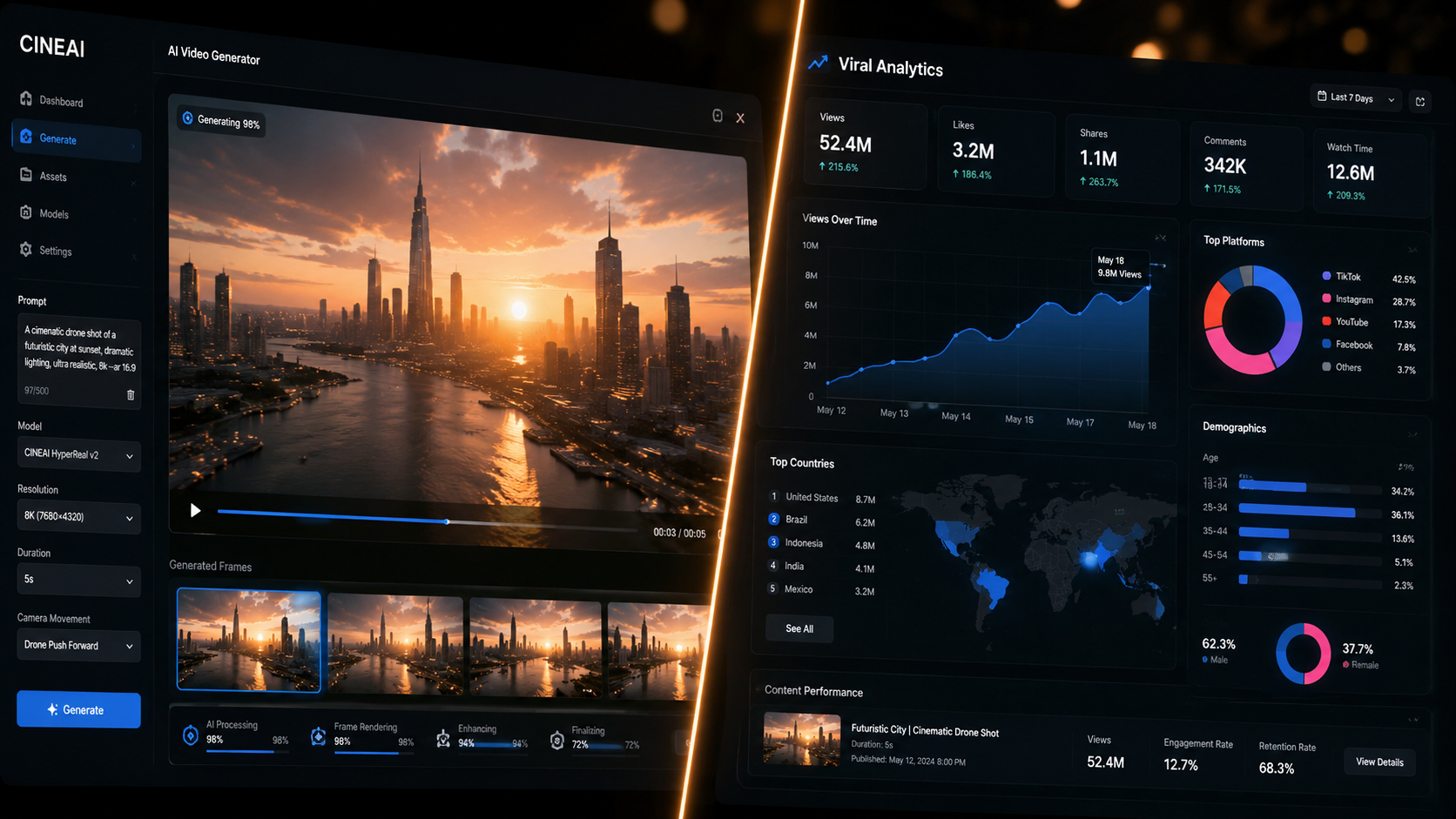
The landscape of digital content has shifted dramatically. As reported by Fortune in December 2025, a 22-year-old college dropout demonstrated the massive potential of this model by earning $700,000 a year from "AI slop"—ambient or repetitive content that viewers often "sleep through" or use as background noise. This highlights a shift from active engagement to passive consumption, where AI-generated visuals provide a consistent, soothing, or informative stream of data.
Furthermore, Techloy notes that starting a faceless channel in 2026 requires less technical skill than ever before, but a higher degree of strategic "prompt engineering." The focus is no longer on how to edit a video, but on how to direct an AI to edit it for you. This democratization of content creation means that the quality of the "hook" and the relevance of the data are the primary differentiators in a crowded marketplace.
The Power of AI Shorts and Vertical Content
Short-form content remains the fastest way to grow a subscriber base. TyN Magazine emphasizes that "Faceless" Shorts are particularly effective because they rely on fast-paced visual storytelling rather than a relatable host. Using text-to-video AI tools, creators can produce dozens of Shorts daily, testing various hooks to see what the algorithm favors. This high-volume approach is a cornerstone of the 2026 strategy for how to create faceless youtube channel ai success.
| Feature | Traditional Video Creation | AI-Faceless Strategy (2026) |
|---|---|---|
| Production Time | 10–20 Hours per video | 30–60 Minutes per video |
| Equipment Cost | $1,000+ (Camera, Mic, Lighting) | $20–$100 (AI Tool Subscriptions) |
| Scalability | Limited by creator's physical time | Infinite via automation and parallel processing |
| Primary Skillset | On-camera presence & Editing | Prompt Engineering & Data Analysis |
Top Niches for Faceless AI Channels
Success in the faceless space is highly dependent on niche selection. AWISEE.com identified the top 9 most successful faceless YouTube channels in 2026, noting that "Cash Cow" channels in the finance, technology, and "calm" sectors (meditation/sleep) see the highest profit margins. These niches benefit from high CPMs (Cost Per Mille) because advertisers are willing to pay a premium to reach audiences interested in high-ticket items or wellness solutions.
Another emerging trend is the "AI News" niche. As technology moves faster than human reporters can keep up with, automated channels that summarize the latest AI breakthroughs in real-time are seeing explosive growth. By using AI assistants to scrape news and generate summaries, creators can be the first to report on breaking stories, capturing the "trending" traffic before mainstream media outlets can respond.
Educational and "How-To" AI Channels
Educational content is evergreen. In 2026, AI-generated tutorials—ranging from coding to cooking—utilize digital avatars or top-down AI-generated animations to explain complex concepts. This removes the need for a studio setup. According to Metricool, using AI assistants for content practices allows creators to maintain a consistent posting schedule, which is the single most important factor for long-term algorithmic success.
Advanced Tools for Your 2026 AI Strategy
To truly master how to create faceless youtube channel ai workflows, you must move beyond basic chatbots. The 2026 toolkit includes multimodal models that understand the relationship between sound and image. For example, some tools now automatically sync the "beat" of AI-generated background music with the transitions in an AI-generated video, creating a seamless professional feel without manual intervention.
Voice cloning technology has also reached a point of "uncanny valley" perfection. Creators can now license the voices of professional narrators or create unique synthetic personas that remain consistent across hundreds of videos. This consistency helps in building "brand voice" even in the absence of a face. The AI Journal highlights that these synthetic personas are often more reliable and cost-effective than hiring human voice talent for every upload.
Integrating AI Editing Assistants
Editing is often the bottleneck for creators. In 2026, AI editing assistants can take a raw script and a folder of assets (or a prompt) and produce a rough cut in seconds. These tools analyze the pacing of the narration and automatically insert relevant B-roll, captions, and sound effects. This allows a single creator to manage a portfolio of 5 to 10 channels simultaneously, a feat that was impossible just a few years ago.
Optimizing for the 2026 YouTube Algorithm
YouTube’s algorithm in 2026 is highly sophisticated, focusing on "User Satisfaction Signals" rather than just click-through rates. This means your AI-generated content must provide genuine value or entertainment. Metricool suggests that the best practices involve using AI not just for creation, but for "Predictive Analytics." These tools can forecast which topics will trend in the next 48 hours, allowing you to stay ahead of the curve.
SEO for faceless channels now involves "Semantic Mapping." This means your titles, descriptions, and even the spoken words in your AI voiceover must align with the semantic clusters YouTube uses to categorize content. Including the keyword how to create faceless youtube channel ai naturally within the first 30 seconds of your video's audio script is a critical tactic for ranking in voice-search and generative search results.
The Role of AI Thumbnails
A video is only as good as its click-through rate. In 2026, AI image generators like Midjourney or DALL-E (latest versions) are used to create hyper-realistic or stylized thumbnails that stand out in a crowded feed. A common strategy involves A/B testing two AI-generated thumbnails simultaneously using YouTube's native testing tools to see which visual style resonates most with the current audience trends.
Monetization and Long-Term Sustainability
While AdSense remains a primary revenue stream, successful faceless channels in 2026 diversify their income. Affiliate marketing is particularly effective; for instance, a channel focused on "Best AI Tools" can generate significant commissions by linking to the software mentioned in the video. Fortune reports that the most successful creators are those who treat their channels as "digital real estate," building assets that accrue value over time.
Sustainability in the AI space also means staying compliant with platform policies. YouTube now requires disclosure for "altered or synthetic content" that appears realistic. Adhering to these transparency guidelines is essential to avoid shadow-banning. By being transparent about the use of AI, creators can build a "tech-forward" brand that audiences trust for its efficiency and modern aesthetic.
Is it still profitable to start a faceless YouTube channel in 2026?
Yes, it is highly profitable. With the ability to produce high-quality content at a fraction of the traditional cost, creators can achieve high margins, with some reporting annual earnings of $700,000 using automated AI strategies.
What are the best AI tools for faceless videos?
In 2026, the best tools include multimodal text-to-video generators like Sora, advanced voice synthesis platforms for emotional narration, and AI editing assistants like Metricool for SEO and scheduling.
Do I need to show my face to get monetized?
No, YouTube does not require creators to show their face for monetization. As long as the content is original, provides value, and follows the platform's Community Guidelines and synthetic content disclosure rules, it is eligible for the Partner Program.
How long does it take to create an AI video?
Using a fully integrated 2026 AI workflow, a creator can produce a high-quality 10-minute video in approximately 30 to 60 minutes, compared to the 10+ hours required for traditional manual production.
What is "AI slop" and how does it make money?
"AI slop" refers to low-effort, ambient, or repetitive AI-generated content, such as white noise or basic visual loops. It generates revenue primarily through high watch time from users who leave the videos playing in the background or while sleeping.



Comments ()