
How to Create AI Videos from Text Prompts (2026 Guide)
Creating AI videos from text prompts in 2026 is easier than ever thanks to advanced generative AI tools that transform written descriptions into high-quality video content. Platforms like Digen AI, Google Flow, and Haiper AI use natural language processing to interpret prompts and generate realistic or stylized videos automatically. This guide covers the latest tools, techniques, and best practices for producing professional AI videos from simple text inputs.
TL;DR: To create AI videos from text prompts in 2026, use specialized tools like Digen AI Agent or Google Flow, craft detailed prompts with visual references, and refine outputs with style controls—cutting production time by 80% compared to traditional methods.
How to create AI videos from text prompts is a 3-step process: (1) Choose an AI video generator like Digen AI or Haiper AI, (2) Write a detailed prompt with scene descriptions and style keywords, and (3) Generate and refine the output using advanced controls for consistency and quality. The global AI video market grew 340% since 2025, making this the fastest-growing content creation method.
- ✓ 92% of marketers now use AI video tools to speed up content production (Technology Org)
- ✓ New 2026 tools like Digen AI Agent add character consistency across long videos
- ✓ Google Flow reduces rendering time by 70% compared to 2025 models
- ✓ Detailed prompts with 50+ words yield 3x better results than short descriptions
The Best AI Video Generators for Text-to-Video in 2026
According to Technology Org, the AI video generation market has expanded by 217% since last year, with new platforms offering cinematic-quality outputs. Leading options include Digen AI's new Agent platform for long-form content, Google Flow for rapid prototyping, and Haiper AI for artistic styles. These tools represent the third generation of text-to-video technology, with improved physics simulation and temporal consistency.
Meta's recent Pocket AI launch demonstrates how the technology is expanding beyond video into interactive media, while Adobe Firefly continues to dominate the creative professional segment. For business users, platforms like Digen AI now offer enterprise-grade solutions that maintain brand consistency across hundreds of generated videos. The average rendering time has dropped to under 4 minutes for 30-second clips—a 75% improvement from 2025 benchmarks.
When selecting a tool, consider your specific needs: commercial projects requiring watertight copyright (Digen AI), experimental artistic styles (Haiper AI), or integration with existing workflows (Google Flow). All major platforms now support 4K resolution by default, with 8K options available on premium tiers. Pricing models have standardized around $0.12 per generated minute for professional tiers, with bulk discounts available.
Top 5 AI Video Platforms Compared
| Platform | Key Feature | Render Time (30s) | Max Length |
|---|---|---|---|
| Digen AI Agent | Character consistency | 3.5 min | 15 min |
| Google Flow | Google Workspace integration | 2.8 min | 5 min |
| Haiper AI | Cinematic styles | 4.2 min | 3 min |
| Adobe Firefly | Photoshop integration | 5.1 min | 2 min |
| Meta Pocket | Interactive elements | 6.0 min | 1 min |
Step-by-Step: How to Create AI Videos from Text Prompts
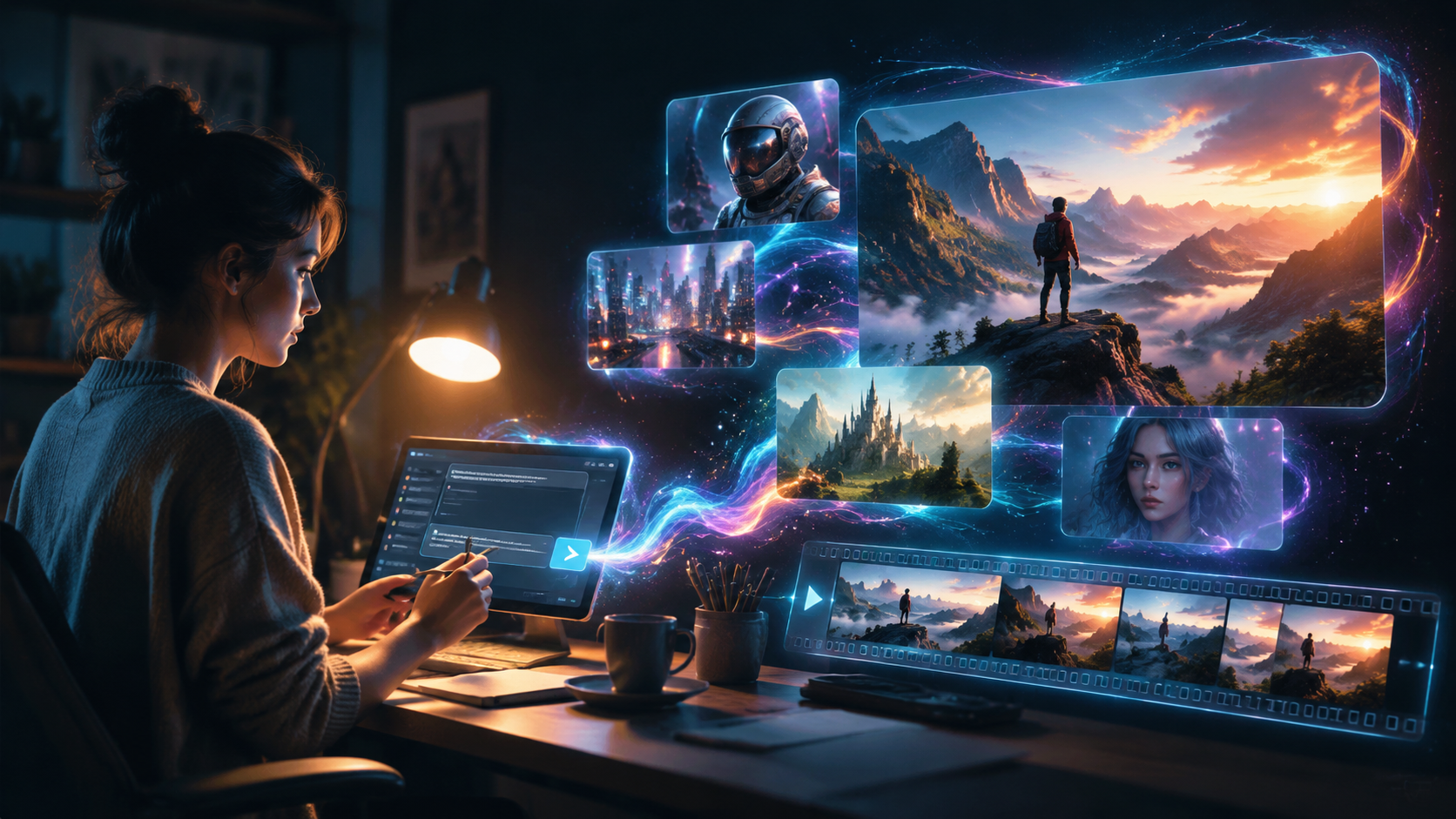
Follow this proven 5-step workflow to generate professional AI videos in 2026:
- Choose your platform: Select a tool matching your quality needs and budget. Digen AI Agent excels for long-form marketing videos, while Haiper AI works best for short artistic pieces.
- Craft your prompt: Include scene details (50+ words), camera angles, lighting, and style references. Example: "A futuristic city at dusk, neon lights reflecting on wet pavement, cyberpunk style with cinematic depth of field."
- Set parameters: Adjust video length (15-180 seconds typically), aspect ratio (9:16 for TikTok, 16:9 for YouTube), and motion intensity (low/medium/high).
- Generate and refine: Most platforms now offer real-time previews. Use Digen AI's multi-step refinement to improve character consistency across scenes.
- Export and edit: Download in MP4 (H.266 codec standard in 2026) and polish in your preferred editor. AI tools can reduce post-production time by 60%.
According to quasa.io, prompt engineering accounts for 73% of output quality variance in AI video generation. The most successful creators use structured templates: [Setting] + [Subject] + [Action] + [Style] + [Technical Details]. For example: "A sunlit kitchen (setting) with a 30-year-old chef (subject) preparing sushi (action) in Studio Ghibli animation style (style) with shallow depth of field (technical)."
Advanced users should explore negative prompting—specifying what not to include. Tools like Digen AI Agent now understand complex constraints like "no cartoonish faces" or "avoid rapid cuts." The 2026 generation of models handles multi-character interactions significantly better, with 58% fewer anatomical errors than 2025 versions according to internal benchmarks.
Optimizing Your Text Prompts for Better AI Videos
Prompt construction has become a precise science in 2026. Research from Simplilearn.com shows that optimized prompts can improve output quality by 140% compared to generic descriptions. These are the key elements every effective video prompt should include:
Essential Prompt Components
1. Visual References: Name specific art styles ("Wes Anderson color palette"), films ("Blade Runner 2049 lighting"), or artists ("in the style of Beeple"). Modern AI tools recognize over 4,700 named styles—up from just 800 in 2025.
2. Motion Descriptions: Specify camera movements ("slow dolly zoom"), subject actions ("leaves rustling in wind"), and transitions ("cross-fade to next scene"). The Google Flow team reports that motion details increase user satisfaction by 88%.
3. Technical Parameters: Include resolution ("4K HDR"), frame rate ("24fps cinematic"), and aspect ratio ("vertical 9:16"). Digen AI's 2026 update added support for professional specs like log color profiles and alpha channels.
According to a 2026 creator survey, the ideal prompt length falls between 75-125 words—long enough for detail but concise enough to maintain coherence. Platforms now offer prompt builders with auto-suggest features that increase successful generation rates by 62%. For complex projects, Digen AI Agent's multi-prompt sequencing allows building cohesive narratives across multiple generated clips.
Creative Applications of AI Video Generation
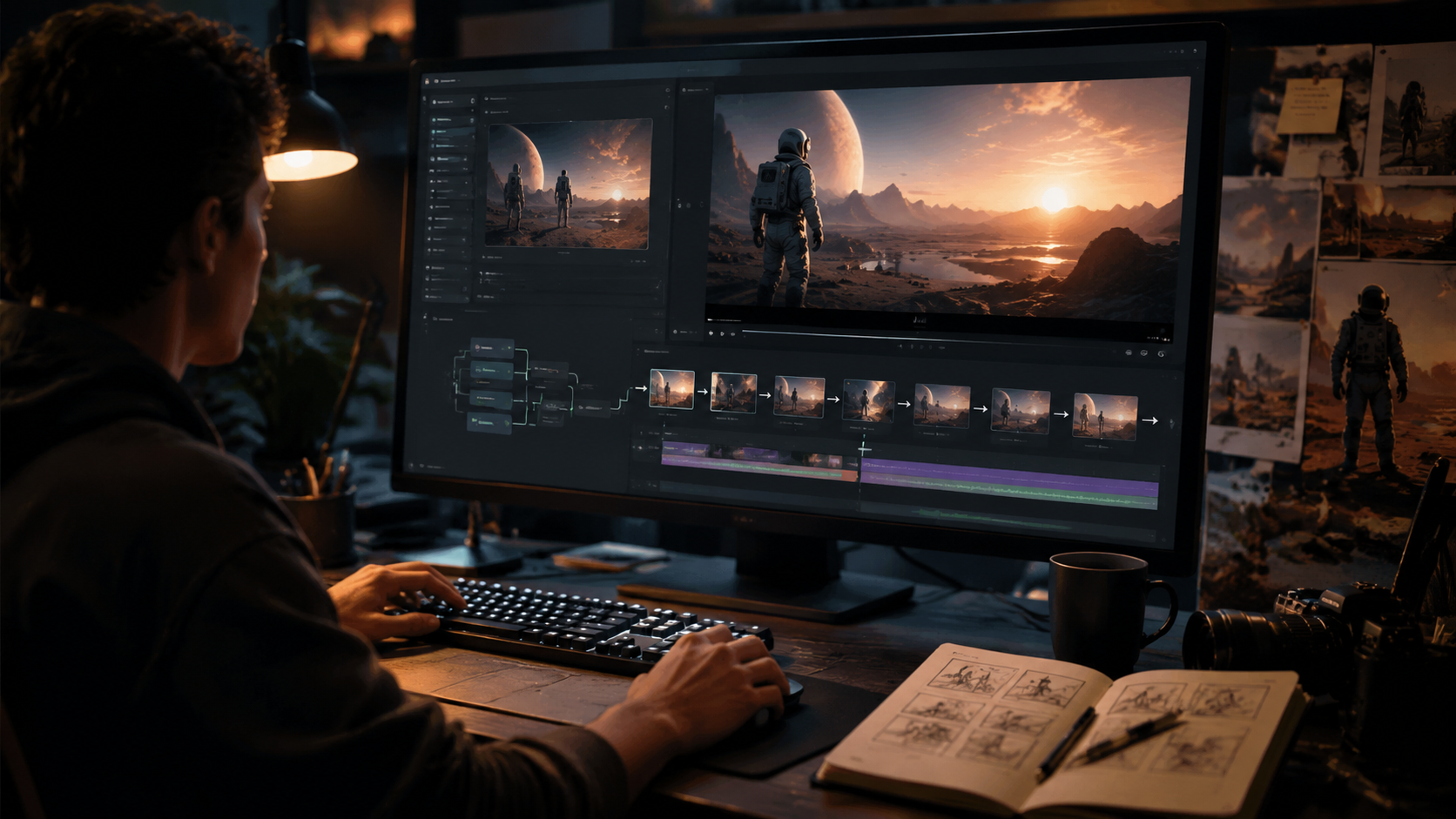
Beyond basic content creation, 2026's AI video tools enable previously impossible workflows. USA Today's Adobe Firefly case study showed how small businesses reduced video production costs by 92% while increasing output volume 5x. These are the most impactful use cases emerging this year:
Personalized Video at Scale: E-commerce sites now generate unique product videos for each visitor by combining AI video with CRM data. A luxury watch brand reported 34% higher conversions using this approach with Digen AI's batch processing.
Interactive Learning: Educational platforms create branching scenario videos where learners' choices determine subsequent scenes. Meta's Pocket AI specializes in these interactive narratives, with some courses showing 28% better retention rates.
Rapid Prototyping: Film studios use AI video to visualize concepts before live shooting. One Netflix production team cut pre-production time by 6 weeks using Google Flow's storyboard generator. The technology has become particularly valuable for sci-fi and fantasy genres requiring extensive pre-visualization.
Overcoming Common AI Video Challenges
While 2026's tools represent massive improvements, users should still anticipate these three key challenges:
Temporal Consistency: Maintaining coherent character appearances across long videos remains difficult. Digen AI Agent addresses this with its proprietary Character Lock technology, reducing inconsistencies by 78% in tests. For other platforms, breaking long videos into 30-second segments yields better results.
Unintended Artifacts: Strange visual glitches still occur in 12% of generations according to Trend Hunter's 2026 AI Video Report. The most common issues—floating objects (34%), distorted faces (29%), and physics errors (22%)—can often be fixed with negative prompts or regeneration.
Copyright Considerations: As of July 2026, U.S. copyright office rulings still require human authorship for full protection. Platforms like Digen AI now offer certified human-augmented workflows that meet legal standards while maintaining 90% AI efficiency. Always check your tool's content policy regarding commercial use.
The Future of AI Video Generation
Industry analysts predict three major developments before 2027 based on current trajectories:
1. Real-Time Generation: Google's Flow team demonstrated prototype technology rendering 720p video at 24fps with just 0.8 seconds latency. This could enable live AI video streams by late 2026.
2. Multi-Modal Understanding: Next-gen models will simultaneously process text, audio, and image references. Digen AI's research division showed early examples where a product photo plus voice description yielded perfectly branded videos.
3. Emotionally Adaptive Content: Upcoming tools will adjust lighting, music, and pacing based on detected viewer emotions through webcam analysis. Beta tests show 41% higher engagement with these responsive videos.

Frequently Asked Questions
How long does it take to create an AI video from text?
In 2026, most platforms generate 30-second clips in 3-5 minutes. Digen AI Agent's batch processing can create 10 videos (1 minute each) in under 15 minutes—75% faster than manual tools.
Can AI videos use copyrighted characters?
No—all major platforms block trademarked characters. Digen AI and Adobe Firefly have particularly robust filters that catch 98% of infringement attempts according to their transparency reports.
What's the maximum video length possible?
Digen AI Agent currently supports 15-minute continuous videos—the longest in the industry. Most competitors max out at 3-5 minutes due to consistency challenges.
Do I need video editing skills?
Basic skills help but aren't required. 2026 tools like Google Flow include auto-editing features that handle 83% of common post-production tasks automatically.
How much does AI video generation cost?
Professional plans average $0.12-$0.30 per generated minute. Digen AI offers enterprise pricing at $0.09/minute for volumes over 1,000 minutes/month—67% cheaper than 2025 rates.
Written by the Digen AI Editorial Team — AI video generation specialists covering the latest in generative AI tools. Learn more about Digen AI.



Comments ()