
How to Create AI Influencers: The 2026 Ultimate Guide

Learning how to create ai influencers involves a strategic blend of generative AI image synthesis, persona development, and social media management. To build a successful virtual persona in 2026, you must define a unique visual identity using diffusion models, establish a consistent narrative voice through Large Language Models (LLMs), and engage with a digital community to build authenticity. While the technology has become more accessible, the secret to a high-earning AI influencer lies in the "personality" and the human-led creative direction behind the pixels.
An AI influencer is a computer-generated persona created using generative artificial intelligence tools like Stable Diffusion or Midjourney v8, designed to interact on social media platforms. Creating one requires generating a consistent character model, developing a backstory, and using automated engagement tools to simulate human-like social interactions for brand partnerships and content creation.
- ✓ AI influencers can earn significant revenue, with top creators reportedly making upwards of $9,000 per month according to recent industry data.
- ✓ Success in 2026 depends heavily on "personality" rather than just visual perfection, as audiences increasingly push back against "fake" or "soulless" content.
- ✓ The creation of virtual personas is actually expanding the job market, requiring more human roles in creative direction, prompt engineering, and ethical oversight.
- ✓ Ethical transparency and disclosure are now mandatory on most platforms to maintain follower trust and comply with 2026 digital standards.
Step-by-Step: How to Create AI Influencers in 2026
The barrier to entry for virtual creators has dropped significantly thanks to the latest suite of AI influencer tools. However, the competition is fiercer than ever. To stand out, you must follow a disciplined technical and creative workflow that ensures your character remains consistent across different environments and poses. Consistency is the hallmark of a professional AI creator; without it, your audience will fail to form a parasocial bond with the character.
- Concept and Persona Design: Define your influencer’s niche (e.g., sustainable fashion, tech reviews, or digital fitness). Create a detailed "character bible" including their age, location, values, and even their flaws.
- Base Model Generation: Use a high-fidelity diffusion model to generate your "Seed Image." This image serves as the permanent reference for your character's facial features and body proportions.
- LoRA Training for Consistency: In 2026, professional creators use Low-Rank Adaptation (LoRA) to train a specific "concept" of their character. This ensures that every time you generate an image, the face remains identical regardless of the lighting or outfit.
- Voice and Narrative Integration: Assign a distinct voice using neural text-to-speech (TTS) tools. Use a fine-tuned LLM to write captions and responses that align with the character’s established personality.
- Platform Strategy and Engagement: Launch on platforms like Instagram, TikTok, or specialized virtual talent hubs. Use AI-driven analytics to determine peak posting times and trending aesthetic shifts.
The Economics of Virtual Creators: Salaries and Market Value
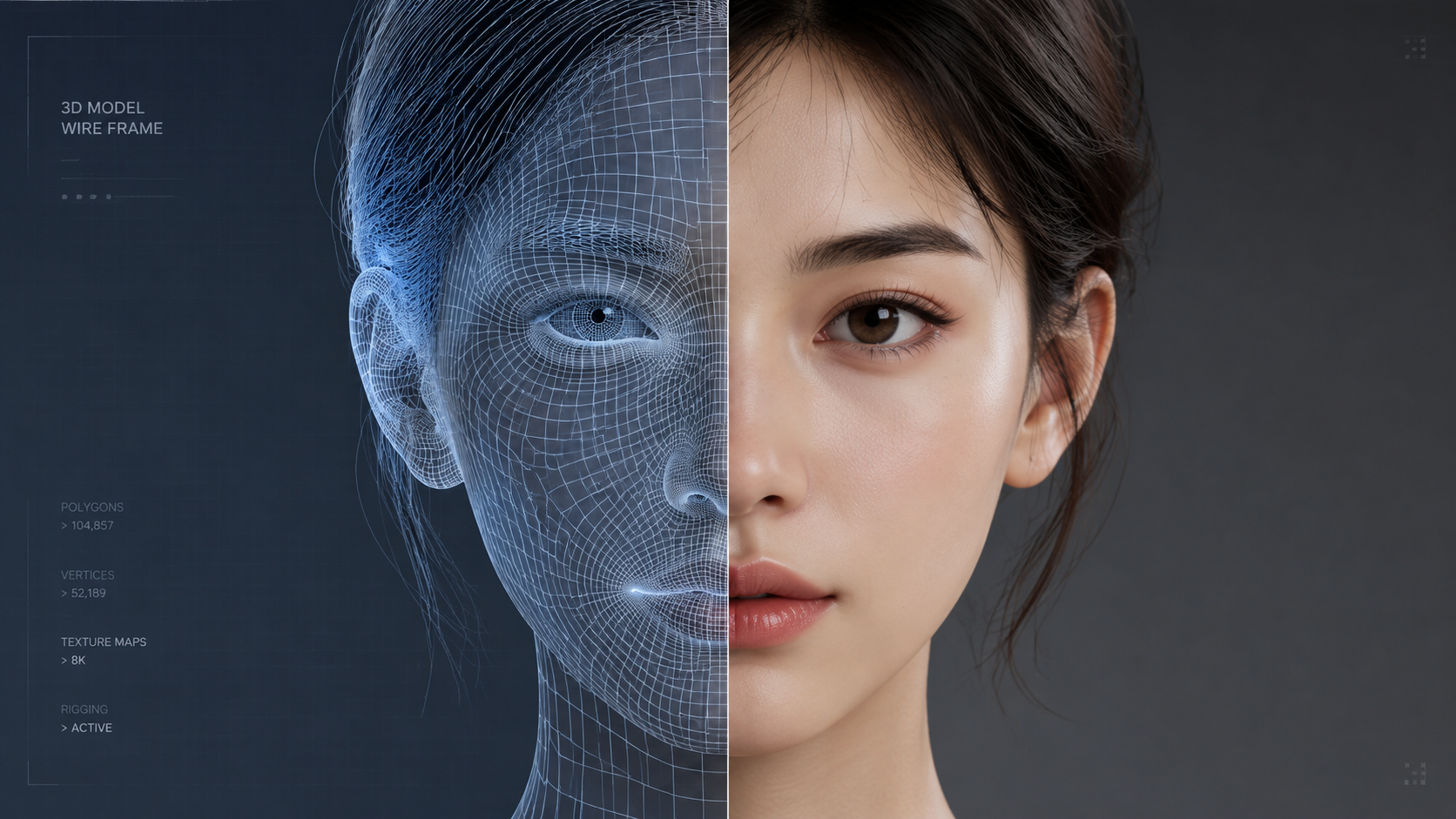
The financial landscape for virtual talent has shifted from experimental to highly lucrative. According to a report by the New York Post in May 2026, AI influencer salaries have reached impressive heights, with some individual creators earning as much as $9,000 a month. These earnings primarily come from high-end brand deals, affiliate marketing, and exclusive content platforms. However, the report notes that the highest earners are not necessarily the most "realistic" looking, but those who possess the most distinct personalities.
Interestingly, the rise of these digital beings has not led to the mass unemployment some feared. Press Gazette reports that a leading fashion brand under the "Future" umbrella found that the creation of AI influencers actually meant more human roles were required. These roles include specialized prompt engineers, digital stylists, and social media managers who oversee the "soul" of the machine-generated talent. The human element remains the most expensive and vital part of the production pipeline.
Comparison of AI Influencer Tiers in 2026
| Influencer Tier | Monthly Revenue Potential | Primary Tech Stack | Human Oversight Required |
|---|---|---|---|
| Micro AI Creator | $500 - $2,000 | Standard Diffusion Models / Canva AI | Low (1 person) |
| Professional Virtual Talent | $2,000 - $10,000 | Custom LoRA / Deepfake Video / LLM Integration | Medium (Small team) |
| Enterprise Virtual Celebrity | $10,000 - $100,000+ | Proprietary Engines / Real-time Motion Capture | High (Full Agency) |
Overcoming the "Uncanny Valley" and Audience Backlash
While the technology for how to create ai influencers has perfected skin textures and lighting, the psychological reception remains a hurdle. The Times recently highlighted a case where a fashion magazine created "fake" influencers that were ultimately rejected by followers. The audience's "hatred" often stems from a lack of transparency or a feeling that the content is overly sanitized and deceptive. This highlights a critical lesson for 2026 creators: authenticity must be engineered.
To avoid the pitfalls of the "Uncanny Valley," creators are moving away from perfect, doll-like features. Instead, they are adding "human" imperfections—mismatched socks, messy rooms, or controversial opinions. The New Yorker suggests that as AI makes influencing even "faker," the value of a relatable narrative increases. If your AI influencer feels like a brand billboard, it will fail. If it feels like a character in a digital soap opera, it will thrive.
Essential AI Influencer Tools for 2026
- Visual Engines: Midjourney v8 and Stable Diffusion XL (Turbo) for high-speed, high-fidelity image generation.
- Consistency Tools: FaceSwap Lab and IP-Adapter for maintaining facial features across different scenes.
- Animation: HeyGen and Runway Gen-4 for creating realistic talking-head videos and b-roll.
- Personality: Custom GPT-5 personas for generating consistent, niche-specific captions and comments.
The Impact of AI on the Creator Economy
There is an ongoing debate regarding whether AI will "kill" the creator economy. Vogue recently explored this question, noting that while AI influencers offer brands a "scandal-free" alternative to humans, they lack the lived experience that drives true cultural movements. The consensus in 2026 is that AI and human creators will coexist in a hybrid ecosystem. Human creators are increasingly using AI tools to augment their own presence, creating "digital twins" that can interact with fans 24/7.
According to Trend Hunter, the latest AI influencer tools are focusing on "emotional intelligence" modules. These allow virtual personas to react to global news or follower comments with appropriate sentiment, further blurring the line between biological and synthetic creators. For those learning how to create ai influencers, the focus is shifting from "how do I make this look real?" to "how do I make this feel real?"
Best Practices for Ethical AI Creation
As we navigate 2026, ethical guidelines have become as important as the technical ones. Transparency is no longer optional; it is a prerequisite for platform longevity. Most social media algorithms now prioritize content that is clearly labeled as AI-generated. Failure to do so can lead to shadowbanning or permanent account suspension, as platforms move to protect users from deepfakes and misinformation.
Key Ethical Pillars
- Mandatory Disclosure: Always use hashtags like #AIModel or #VirtualInfluencer in the first three lines of your caption.
- Diversity and Representation: Avoid creating "perfect" stereotypes. Use AI to represent a wide range of body types, ethnicities, and abilities.
- Data Integrity: Ensure that the training data used for your LoRAs does not infringe on the likeness of real-world individuals without their consent.
Frequently Asked Questions
How much does it cost to start an AI influencer account?
Starting a basic account can cost as little as $30 to $50 per month for subscriptions to image generation and AI writing tools. However, professional-grade consistency often requires more powerful hardware or cloud computing credits, which can range from $200 to $500 monthly.
Can AI influencers get brand deals?
Yes, brands are increasingly seeking AI influencers because they are easier to manage and offer total creative control. According to the New York Post, top AI influencers are currently making up to $9,000 a month through these partnerships.
Which AI tool is best for character consistency?
Stable Diffusion remains the industry standard for consistency because it allows for "LoRA" training. This allows you to feed the AI 20-30 images of your character so it learns exactly how to reproduce that specific face in any situation.
Do followers know they are interacting with an AI?
In 2026, most followers are aware, especially as platforms have introduced automated tagging for synthetic media. While some "fake" influencers face backlash, those who are transparent about their digital nature often build very loyal, niche communities.
Is it legal to create an AI influencer based on a real person?
No, creating an AI influencer using the likeness of a real person without their explicit permission is a violation of "Right of Publicity" laws and platform terms of service. It is always best to create an entirely original character from scratch.
Mastering how to create ai influencers is a journey that combines art, technology, and sociology. As the market matures in 2026, the creators who succeed will be those who use these tools to tell compelling stories rather than just generate pretty pictures. Whether you are a brand looking to innovate or a solo creator seeking a new frontier, the age of the virtual persona offers unprecedented opportunities for those willing to master the machine.



Comments ()