
How to Create AI Cinematic Trailers: 2026 Master Guide
Learning how to create ai cinematic trailers involves a multi-stage workflow that integrates generative video models, AI-assisted sound design, and narrative prompting to produce professional-grade visuals. In 2026, this process has evolved from experimental clips to a legitimate filmmaking medium, as evidenced by AI-generated features screening at prestigious venues like the Cannes and Tribeca Film Festivals.
AI cinematic trailer creation is the process of using generative artificial intelligence tools to synthesize high-fidelity visual sequences, voiceovers, and orchestral scores from text or image prompts. By leveraging 2026-era diffusion models, creators can produce photorealistic trailers that maintain character consistency and cinematic lighting without the need for traditional film crews or physical locations.
- ✓ Master character consistency by using reference seeds and advanced "Actor-Lock" features in 2026 video models.
- ✓ Integrate AI-generated scores and foley to match the high-stakes pacing of modern cinematic trailers.
- ✓ Adhere to new 2026 platform regulations by ensuring all AI content is clearly labeled and avoids unauthorized celebrity likenesses.
- ✓ Utilize multi-modal prompting to bridge the gap between abstract ideas and festival-quality visual storytelling.
The Step-by-Step Process: How to Create AI Cinematic Trailers
Creating a trailer that rivals Hollywood productions requires more than just a single prompt. It is an iterative process of refining aesthetics and timing. With the 2026 premiere of the AI-generated film Dreams of Violets at the Tribeca Festival, the industry has seen a shift toward high-concept, emotionally resonant AI storytelling that demands a structured approach.
- Concept and Scripting: Define your narrative arc. Use a Large Language Model (LLM) to draft a 60-second "beat sheet" focusing on three acts: the hook, the escalation, and the climax.
- Visual Style and Character Seeding: Select your visual palette. Use "Image-to-Video" workflows where you first generate a high-quality 4K base image to establish lighting, costume, and environment.
- Generating Video Sequences: Input your prompts into a video diffusion engine. Focus on "camera movement" keywords like dolly zoom, low-angle pan, or cinematic tilt to give the AI clips a professional feel.
- Voiceover and Dialogue: Use high-fidelity voice synthesis. Ensure the emotional tone matches the visuals—whether it is the gritty narration of a noir heist or the ethereal tone of a sci-fi epic.
- Sound Design and Scoring: Layer orchestral AI music with foley effects. Sound is 50% of the cinematic experience; ensure the "hits" in the music align with the cuts in your video.
- Post-Production and Upscaling: Assemble your clips in a non-linear editor (NLE). Use AI upscalers to ensure the final output meets the 4K or 8K standards required for festival screenings.
The Evolution of AI Cinema in 2026
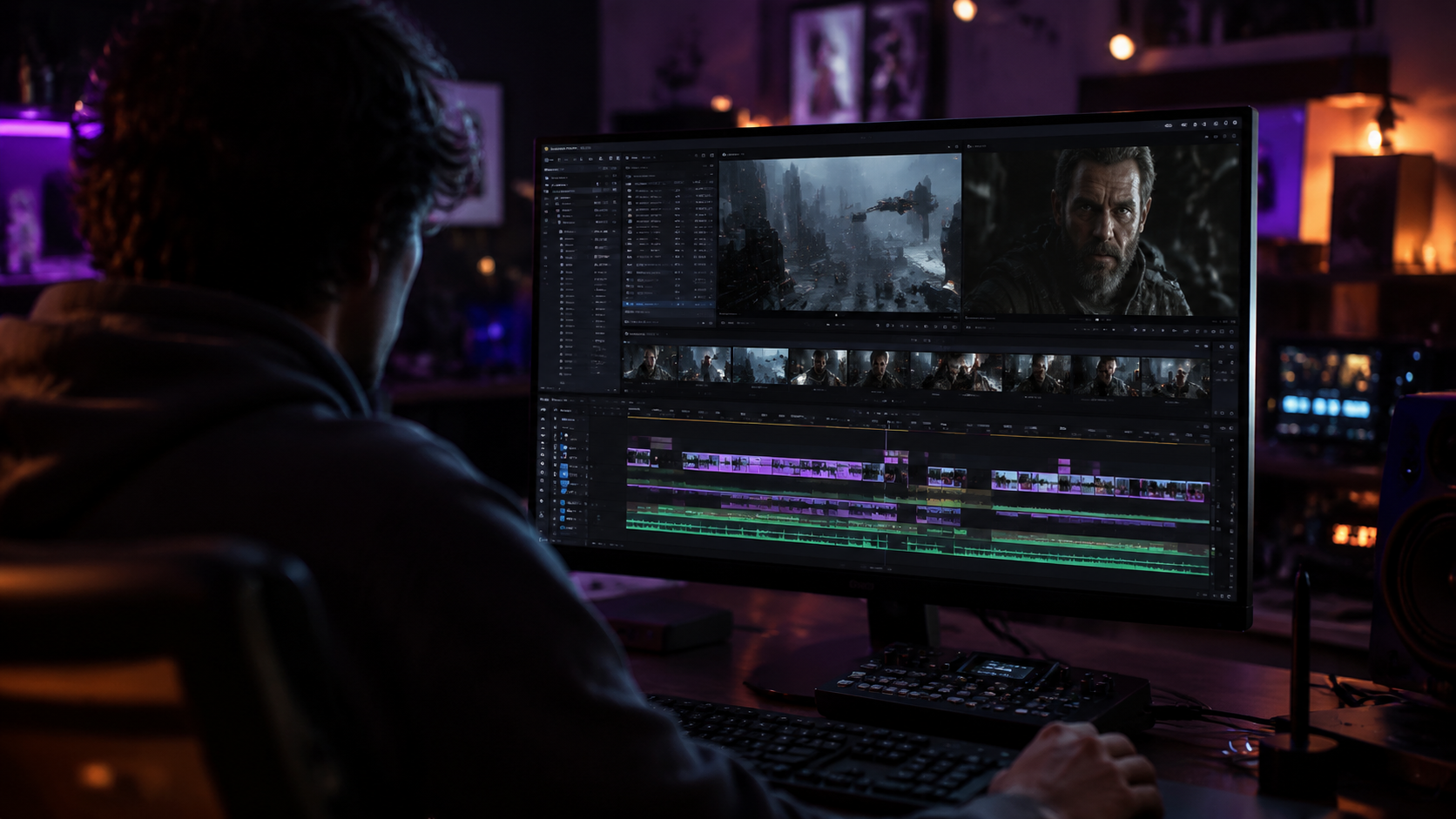
The year 2026 marks a turning point for artificial intelligence in the film industry. No longer relegated to "fan-made" concepts, AI-generated content is now competing on the world’s biggest stages. According to Page Six, the world’s first ever AI feature film premiered at Cannes in May 2026, signaling that the technology has reached a level of maturity that satisfies even the most rigorous critics.
This shift is driven by the ability of AI to handle complex emotional narratives. For example, Consequence of Sound reported on the premiere of Dreams of Violets, an AI-generated film centered on the Iranian resistance. This project demonstrates that how to create ai cinematic trailers is no longer just about flashy effects; it is about using synthetic media to tell stories that might otherwise be impossible to film due to political or financial constraints.
The Rise of "Resurrection" Cinema
One of the most controversial yet fascinating trends in 2026 is the use of AI to bring back legendary performers. Variety recently reported that Val Kilmer was "resurrected" by AI for the trailer of As Deep as the Grave. This process involves training a model on thousands of hours of historical footage to recreate a digital twin capable of new performances. While this raises significant ethical questions, it showcases the power of AI in maintaining the legacy of iconic actors in a cinematic context.
Technical Requirements for Professional AI Trailers
To achieve the level of quality seen in the AI sci-fi heist feature screened at Cannes, creators must understand the technical nuances of 2026 generative tools. High-end trailers now utilize "Temporal Consistency Engines" which prevent the "shimmering" or "morphing" effects that plagued early AI videos. Understanding these settings is vital for anyone learning how to create ai cinematic trailers for professional distribution.
| Feature | Standard AI Trailer (2024-25) | Cinematic AI Trailer (2026) |
|---|---|---|
| Resolution | 1080p (Upscaled) | Native 4K / 8K Diffusion |
| Character Consistency | Randomized / Varying | Actor-Lock / Seed Persistence |
| Frame Rate | 12-24 FPS | 60 FPS with AI Interpolation |
| Audio Integration | Generic Stock Music | Syncopated AI Orchestration |
| Runtime Capacity | 3-5 Second Clips | 15-30 Second Continuous Shots |
Mastering Prompt Engineering for Trailers
In 2026, prompting has moved beyond simple descriptions. Professional creators use "Director Prompts" that include technical camera specifications. For instance, instead of prompting "a spaceship in space," a professional might use: "Anamorphic 35mm lens, extreme wide shot of a derelict freighter orbiting a dying star, rim lighting, high contrast, slow push-in, 8k resolution, photorealistic textures." This level of detail ensures the AI understands the "language of film."
Distribution and Legal Compliance in the AI Era
As the ability to create hyper-realistic trailers has grown, so has the scrutiny from major platforms. According to a report by Deadline, YouTube began shutting down channels using AI to create "fake" movie trailers that misled millions of viewers. This crackdown emphasizes the importance of transparency. When you are learning how to create ai cinematic trailers, it is essential to label your work as "AI-Generated" to maintain account standing and trust with your audience.
Legal frameworks have also tightened. The 2026 guidelines require creators to have explicit permission when using AI to replicate the voices or likenesses of living or deceased individuals. The success of projects like As Deep as the Grave relies on legal partnerships between tech firms and estates, proving that the future of AI cinema is as much about law as it is about lore.
Navigating the Festival Circuit
For those aiming for the Cannes or Tribeca stage, the bar is exceptionally high. No Film School notes that the AI sci-fi heist film screened at Cannes was praised not just for its tech, but for its "human-centric" direction. Festivals are looking for creators who use AI as a tool to enhance a vision, rather than a crutch to replace one. This means your trailer must show a clear "director's hand" through consistent color grading and thematic depth.
Advanced Soundscapes for AI Trailers
A cinematic trailer is nothing without a compelling auditory experience. In 2026, AI audio tools can now "read" the visual movement in a video and suggest corresponding sound effects. This is a game-changer for independent creators who do not have access to a full sound department. Studies show that viewers perceive video as higher quality if the audio is crisp and professionally mixed, even if the visuals have minor imperfections.
When building your trailer, consider using "Dynamic Scoring" AI. These tools allow you to upload your video edit, and the AI will compose a score that swells and fades in direct response to the action on screen. This ensures that the "epic boom" of your trailer hits exactly when the title card appears, creating that visceral cinematic impact.
Is it legal to use AI to create movie trailers with famous actors?
In 2026, using a celebrity's likeness without permission is largely prohibited on major platforms like YouTube and can lead to legal action. However, projects like "As Deep as the Grave" show that with estate permission, AI resurrection is a growing professional field.
Which AI tools are best for cinematic video in 2026?
The best tools currently feature "Temporal Consistency" and "Actor-Lock" capabilities, allowing for stable characters across multiple shots. Professional creators often combine several models—one for visuals, one for voice, and another for the orchestral score.
How long does it take to create a 60-second AI trailer?
While the AI generates clips in minutes, the full process of scripting, refining prompts, and editing usually takes 10 to 20 hours for a festival-quality result. This includes the time needed for upscaling and sound layering.
Can AI-generated trailers be entered into major film festivals?
Yes, as of 2026, major festivals like Cannes and Tribeca have categories or screening slots specifically for AI-enhanced and AI-generated films, provided they meet high artistic and technical standards.
What is "Character Seeding" in AI filmmaking?
Character seeding is the technique of using a consistent reference image or "seed" number to ensure that a character looks the same in every shot of the trailer. This is crucial for maintaining the narrative flow and professional feel of the project.



Comments ()