
How to Create AI Avatars: The Complete 2026 Guide
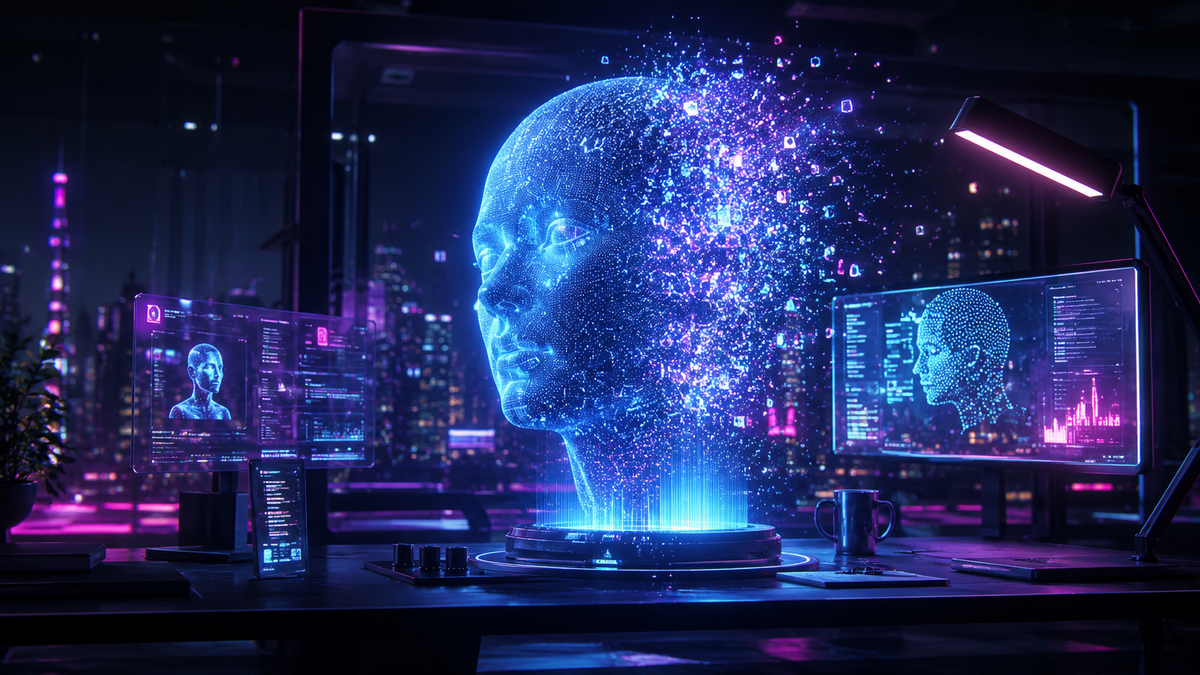
To learn how to create ai avatars in 2026, you must select a specialized generative platform, upload a high-quality dataset of your likeness (or use text-to-image prompts), and fine-tune the model to match your desired aesthetic. Modern tools now allow for real-time animation and voice cloning, enabling you to deploy these digital personas across social media, virtual reality, and corporate video platforms with minimal technical expertise.
An AI avatar is a digitally synthesized representation of a human or character created using machine learning models like GANs or diffusion transformers. In 2026, creating one involves selecting a tool (like Google’s YouTube Shorts creator or Apple’s Animato-powered tools), training the AI on your specific features, and exporting the resulting 3D or 2D model for use in video, gaming, or virtual communication.
- ✓ AI avatars have moved beyond static images to fully animated, real-time 3D models integrated into platforms like YouTube Shorts.
- ✓ Apple’s acquisition of Animato in May 2026 has revolutionized mobile avatar creation through advanced patent-backed facial tracking.
- ✓ Legal compliance and "Best Practices" are now essential to navigate the copyright and likeness risks associated with synthetic media.
- ✓ Professional-grade avatars can now be generated in nine streamlined steps, from data collection to final API integration.
Step-by-Step: How to Create AI Avatars in 2026
The process of generating a digital twin has become significantly more accessible over the last twelve months. Whether you are a content creator looking to automate your workflow or a business professional seeking a consistent brand presence, the following steps represent the industry standard for 2026.
- Select Your Platform: Choose between consumer-grade apps (like the new Google AI avatar suite) or professional development environments (like Hostinger’s 9-step generator framework).
- Define the Avatar Type: Decide if you need a "Stylized" avatar (cartoonish or artistic) or a "Photorealistic" digital twin.
- Data Input: Upload 10–20 high-resolution photos from various angles or record a 30-second video clip to capture facial expressions and micro-movements.
- Configure Voice Synthesis: If your avatar needs to speak, use a voice cloning tool to match the digital persona to your natural vocal cadence.
- Model Training: Initiate the cloud-based training process. In 2026, this typically takes between 5 to 15 minutes depending on the complexity of the model.
- Customization and Rigging: Adjust hair, clothing, and background environments. Modern tools now use "Auto-Rigging" to ensure the avatar moves naturally in 3D space.
- Review and Refine: Use image enhancer tools to fix any artifacts or "uncanny valley" glitches in the eyes or mouth.
- Integration: Export your avatar in the required format (e.g., .vrm for VR, .mp4 for video, or live API stream for apps).
- Legal Documentation: Ensure you have the rights to the generated likeness, especially for commercial use-cases.
The Evolution of AI Avatar Technology in 2026
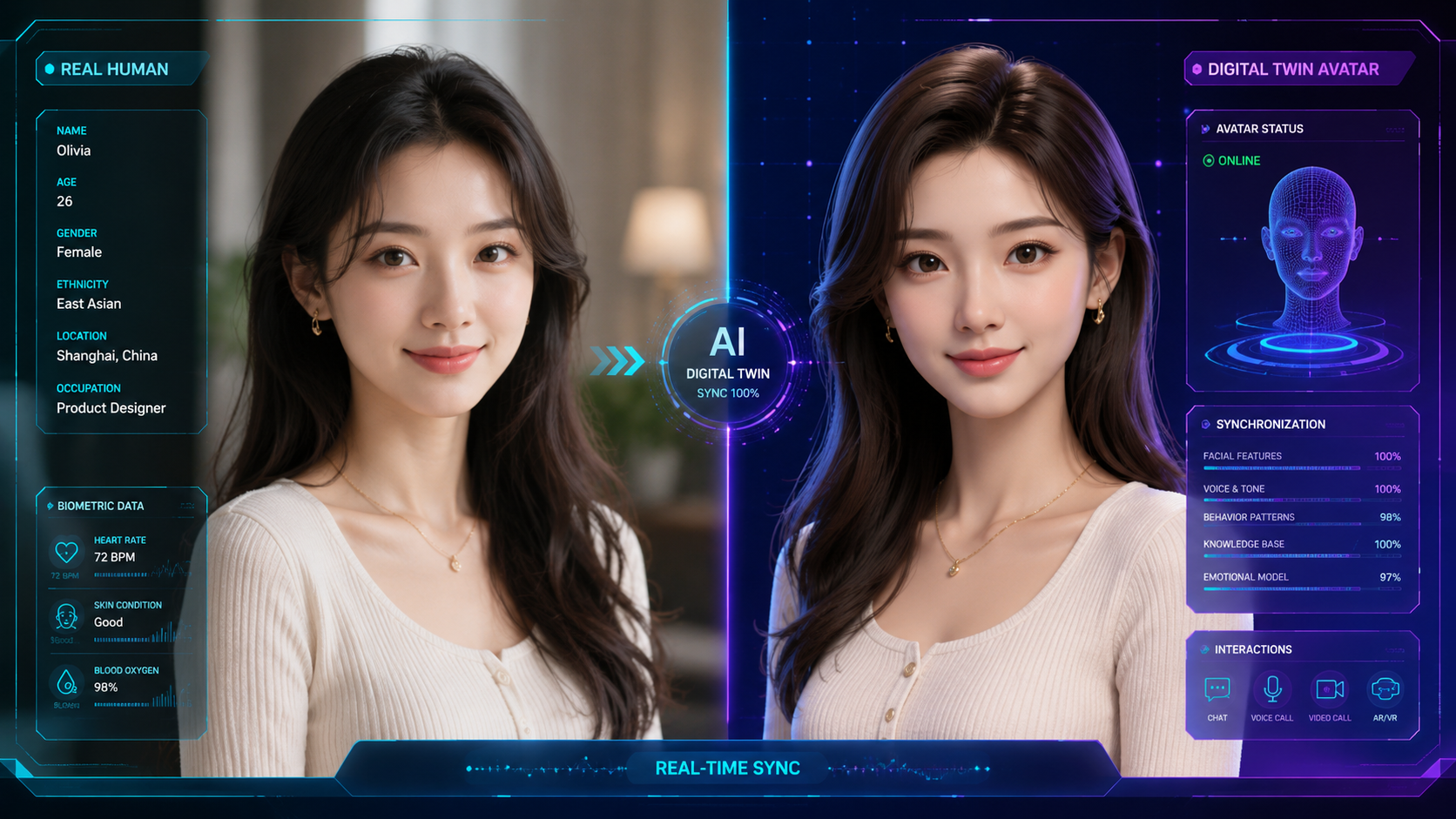
The landscape of digital identity changed dramatically in the first half of 2026. A major milestone occurred on May 20, 2026, when Apple acquired the key talent and patents behind Animato, a move that Road to VR reports will likely integrate high-fidelity facial tracking directly into the next generation of mobile devices. This acquisition signals a shift from server-side generation to on-device, real-time avatar rendering, making "how to create ai avatars" a standard feature of smartphone operating systems.
Furthermore, the ubiquity of these tools has expanded. As reported by Spectrum News in April 2026, AI avatars are now "popping up in places you wouldn’t expect," including customer service kiosks, healthcare consultations, and personalized education portals. This expansion is driven by the decreasing cost of compute power and the increasing sophistication of large multimodal models (LMMs) that can handle both visual and auditory data simultaneously.
The Rise of Social Media Integration
Social media giants have fully embraced synthetic media. In April 2026, Google introduced AI-generated avatars specifically for YouTube Shorts. This feature allows creators to maintain a consistent persona without ever appearing on camera, using text-to-speech and motion-capture technology to drive the avatar’s performance. This has lowered the barrier to entry for creators who value privacy or lack expensive studio equipment.
Comparing the Top AI Avatar Creation Methods
When deciding how to create ai avatars, you must balance quality, cost, and ease of use. The following table compares the primary methods available in the 2026 market.
| Method | Best For | Processing Time | Technical Level |
|---|---|---|---|
| Mobile Integrated (Apple/Google) | Social Media & Messaging | Instant / Real-time | Beginner |
| Professional Web Generators | Marketing & Training Videos | 10–30 Minutes | Intermediate |
| Custom API Development | Enterprise Apps & SaaS | Hours (Training) | Advanced |
| Open-Source Diffusion Models | High-End Artistic Control | Variable | Expert |
Legal Risks and Ethical Best Practices
As the technology becomes more powerful, the legal framework surrounding it has become more complex. According to the law firm ArentFox Schiff, businesses must now navigate significant legal risks, including right-of-publicity issues and deepfake regulations. In their December 2025 briefing, they emphasized that "best practices" involve obtaining explicit written consent from any individual whose likeness is used to train an AI model.
Moreover, the "The Good Men Project" highlighted in May 2026 that while creating stunning visuals is easier than ever, users must be wary of "biometric data privacy." When you upload your face to a generator, you are providing sensitive biological markers. It is crucial to use platforms that offer end-to-end encryption and clear data deletion policies to ensure your digital identity is not misused or sold to third-party data brokers.
Protecting Your Digital Likeness
In 2026, "Digital Rights Management" (DRM) for faces has become a reality. Many creators now use blockchain-based watermarking to prove that an avatar belongs to them. When learning how to create ai avatars for professional use, always check if the platform provides a "Certificate of Authenticity" or a non-fungible token (NFT) hash to verify the origin of the synthetic media.
Advanced Customization: Beyond the Basics
Creating a basic avatar is simple, but making it "stunning" requires additional tools. Recent trends in May 2026 show a surge in the use of "Image Enhancer Tools" alongside avatar generators. These secondary AI layers fix common issues like blurry textures, inconsistent lighting, and the "dead eye" look that often plagues synthetic humans. By running your avatar through an enhancer, you can achieve 8K resolution and naturalistic skin textures that are indistinguishable from real photography.
According to Hostinger’s latest technical guide, the most successful AI avatar generators now utilize a 9-step architecture that includes "Emotion Mapping." This allows the avatar to not just speak, but to express subtle cues like empathy, excitement, or skepticism. This is particularly useful in the "Business of AI Avatars," where corporate training videos require a high degree of emotional intelligence to engage employees effectively.
Real-Time Interaction and Latency
The "Complete 2026 Guide" would be incomplete without mentioning latency. For those looking to use avatars in live settings—such as Zoom meetings or Twitch streaming—low latency is key. The current gold standard is a response time of under 100 milliseconds. Achieving this usually requires a dedicated GPU or a high-speed 6G connection, which began rolling out in major urban centers earlier this year.
Future Outlook: What’s Next for AI Avatars?
Looking toward the end of 2026 and into 2027, we expect the "Apple-Animato" synergy to result in "Holographic Avatars" that can be projected into physical space using AR glasses. The boundary between the physical and digital self is blurring. We are moving toward a "Persistent Avatar" model, where a single digital identity can move seamlessly between a Google Meet call, a VR game, and a social media post, maintaining the same clothes, voice, and personality across all platforms.
As Spectrum News noted, the unexpected places these avatars are appearing—like at the bedside of hospital patients to provide 24/7 companionship—suggests that the human-AI bond is strengthening. Understanding how to create ai avatars is no longer just a technical skill; it is a foundational part of digital literacy in the mid-2020s.
Frequently Asked Questions
Is it legal to create an AI avatar of a celebrity?
Generally, no. According to legal experts at ArentFox Schiff, using a celebrity's likeness without permission violates "Right of Publicity" laws, which have been significantly strengthened in 2026 to prevent unauthorized commercial deepfakes.
What is the best free tool for creating AI avatars in 2026?
Google's integration within YouTube Shorts is currently the most robust free option for casual users. It allows for high-quality motion capture and voice synthesis without a subscription fee, though it is limited to use within the Google ecosystem.
How many photos do I need to train a photorealistic avatar?
While some tools claim to work with one photo, industry standards in 2026 suggest 15 to 20 high-resolution images. These should include different lighting conditions and facial expressions to ensure the AI captures the full geometry of your face.
Can I use my AI avatar for professional video conferencing?
Yes, many platforms now offer "Virtual Camera" drivers. Once you create your avatar, you can select it as your input device in apps like Zoom or Microsoft Teams, allowing your digital twin to represent you in real-time meetings.
Do I own the copyright to the avatar I create?
Ownership depends on the platform's Terms of Service. While you usually own the "likeness," the underlying code and generated pixels may be subject to shared ownership or licensing agreements with the software provider. Always review the 2026 updated service agreements.



Comments ()