
How to Create AI Avatars 2026: The Ultimate Pro Guide
To learn how to create AI avatars 2026, you must utilize multimodal generative platforms that synchronize high-fidelity facial mapping with neural voice cloning. The process involves capturing a short video sample of yourself or a digital character and using a diffusion-based rendering engine to synthesize a virtual twin capable of real-time interaction. In 2026, this technology has moved beyond static images into fully autonomous agents used for corporate meetings, global sports events like the FIFA World Cup, and social media presence.
An AI avatar is a digitally synthesized representation of a human or fictional character powered by machine learning models that simulate realistic movement, speech, and personality. In 2026, creating one involves selecting a base model, training it on personal biometric data, and deploying it across platforms like Zoom or social media for automated communication and content creation.
- ✓ AI avatars in 2026 now support real-time interaction and "digital twin" capabilities for professional meetings.
- ✓ High-profile adoption by CEOs like Mark Zuckerberg has normalized virtual presence in corporate environments.
- ✓ The 2026 FIFA World Cup is pioneering the use of avatars for fan engagement and instant tech updates.
- ✓ Ethical "future-proofing" for actors now includes licensing their own AI likenesses for digital performances.
The Step-by-Step Process: How to Create AI Avatars 2026
Creating a high-quality digital representation has become significantly more streamlined this year. Whether you are a business professional looking to automate your presence or a creator building a brand, the following steps represent the gold standard for how to create ai avatars 2026. The shift this year is toward "persistent identity," where your avatar maintains a consistent look and voice across multiple digital environments.
- Select Your Avatar Type: Decide between a "Digital Twin" (a photo-realistic clone of yourself) or a "Stylized Character" (a unique 3D model). For professional use, most users are now opting for digital twins that can integrate directly into communication suites.
- Capture High-Fidelity Source Data: Use your smartphone or webcam to record a 2-minute "baseline" video. Ensure you are in a well-lit area and perform a range of facial expressions. According to iLounge, the latest 2026 beginner guides emphasize that lighting is the single most important factor for neural rendering quality.
- Upload to a Neural Rendering Engine: Process your footage through a generative platform. These engines now use "Zero-Shot" learning, meaning they can create a full range of motion from very limited data.
- Configure Voice Synthesis: Record a few script samples to clone your voice. Modern 2026 tools now include "Emotional Layering," allowing your avatar to sound frustrated, excited, or empathetic depending on the context of the conversation.
- Deploy and Integrate: Once rendered, connect your avatar to your preferred platforms. As of March 2026, Zoom has introduced an AI-powered office suite that allows your avatar to attend meetings on your behalf, taking notes and responding to basic queries.
The Evolution of Digital Presence in 2026
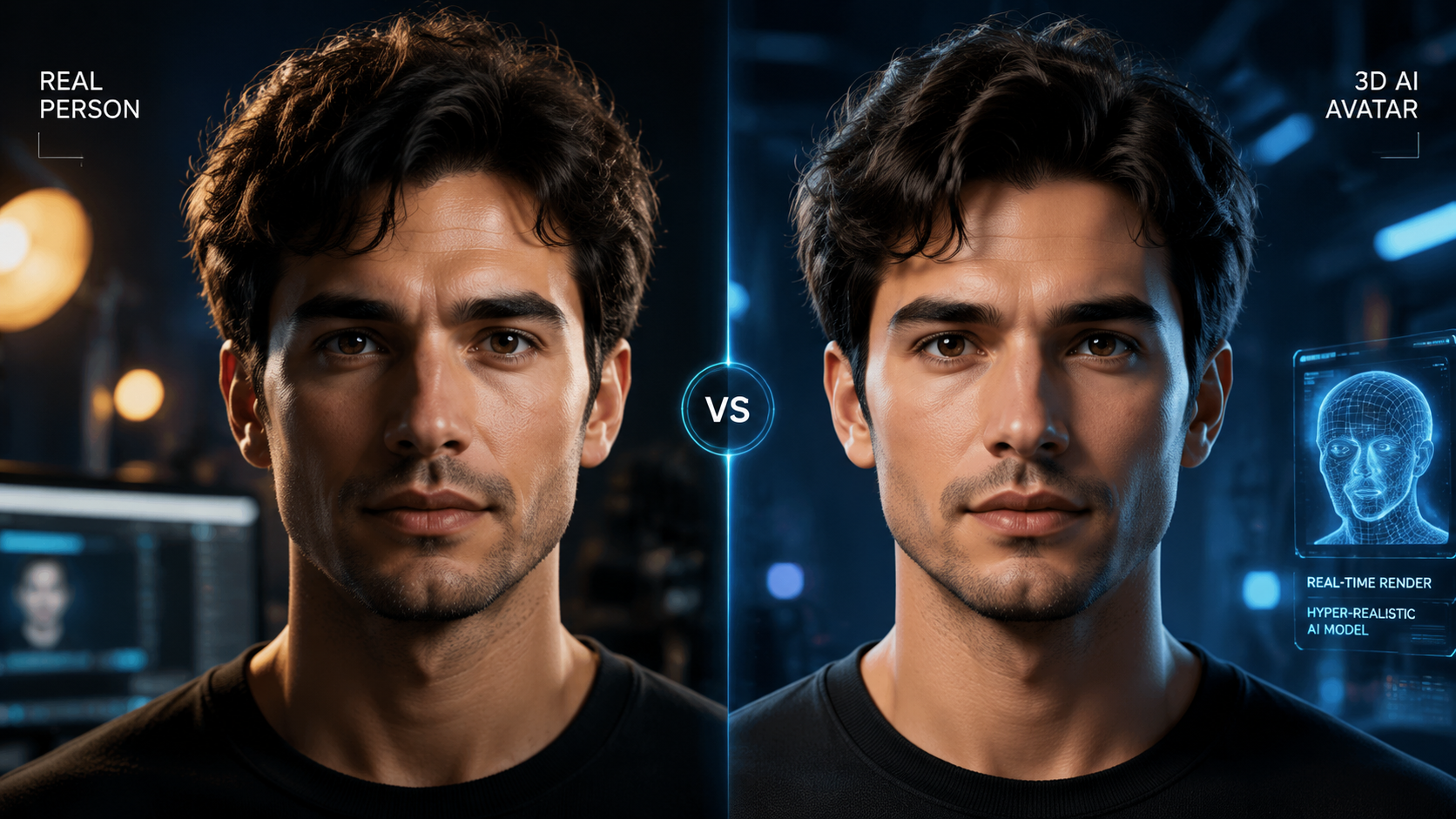
The landscape of digital identity has shifted dramatically this year. We are no longer looking at "uncanny valley" puppets; instead, AI avatars have become essential tools for global communication. A major driver of this change has been the high-profile adoption by industry leaders. For instance, Observer recently reported that Mark Zuckerberg has joined a growing list of CEOs who have created sophisticated A.I. avatars of themselves to handle routine public appearances and internal company broadcasts.
This trend isn't limited to the tech elite. The accessibility of these tools means that small business owners and educators are now using avatars to scale their impact. By creating a digital version of themselves, they can "be" in multiple places at once, providing personalized video messages to thousands of clients simultaneously. This year marks the definitive end of the "static" profile picture, replaced by dynamic, speaking entities.
Real-Time Interaction and the FIFA 2026 Influence
The 2026 FIFA World Cup has served as a massive global laboratory for avatar technology. According to The Times of India, the tournament's tech upgrade includes not just instant offside alerts and new VAR tools, but also the deployment of AI avatars for fan navigation and real-time commentary. These avatars provide a blueprint for how to create ai avatars 2026 that can handle high-pressure, real-time data environments. Fans can interact with virtual legends of the sport, asking questions and receiving instant, AI-generated responses based on live match statistics.
Comparing AI Avatar Platforms in 2026
Choosing the right tool depends on your specific needs—whether you require a tool for professional meetings, social media influence, or cinematic performance. The following table compares the leading categories of avatar technology available this year.
| Feature Category | Professional/Corporate | Creative/Entertainment | Social/Influencer |
|---|---|---|---|
| Primary Use Case | Zoom meetings, HR training | Film, "Ethical" acting | Instagram, TikTok, X |
| Rendering Speed | Real-time (Low Latency) | High-detail (Pre-rendered) | Near real-time |
| Voice Tech | Neural Clone (Monotone-stable) | Emotional/Performative | Multi-lingual/Trendy |
| Key 2026 Feature | Automated Note-taking | Digital Likeness Licensing | Autonomous Engagement |
Professional and Ethical Considerations for AI Actors
As the technology for how to create ai avatars 2026 becomes more prevalent, the conversation around the ethics of digital performance has reached a fever pitch. In early 2026, the creator of Tilly Norwood doubled down on the use of AI "actors," claiming it is actually a more ethical way to perform. As reported by Variety, proponents argue that by "future-proofing" themselves with AI, human actors can protect their likenesses and continue to earn royalties from digital performances without the physical strain of long shoots.
However, this shift has not been without controversy. The rise of "Fake Avatars" has become a significant social issue. The New York Times recently highlighted that hundreds of fake pro-Trump avatars have emerged on social media platforms, demonstrating how easily the technology can be weaponized for political misinformation. This underscores the importance of "Digital Watermarking," a mandatory feature in most 2026 avatar creation suites that identifies the content as AI-generated to maintain transparency.
Future-Proofing Your Career with AI Likeness
For creative professionals, the goal is no longer to fight the technology but to own it. Leading agencies now recommend that actors and public figures create "Official Neural Clones." By doing so, they maintain legal control over their digital self. This allows them to license their avatar for commercials, video games, or even corporate appearances, ensuring that the "how to create ai avatars 2026" workflow includes a robust legal and cryptographic framework for ownership.
Technical Requirements for High-End Avatar Creation
While basic avatars can be made on a smartphone, "Pro" versions require specific hardware and software configurations. In 2026, the integration of AI-powered office suites has lowered the barrier to entry, but the highest quality results still come from dedicated neural processing units (NPUs). If you are looking to create a professional-grade avatar, you should focus on the three pillars of digital synthesis: Mesh, Motion, and Mind.
Mesh: The Visual Foundation
The "Mesh" refers to the 3D structure of your avatar. In 2026, we use Sub-Surface Scattering (SSS) algorithms that mimic the way light penetrates human skin. When you follow a guide on how to create ai avatars 2026, ensure your software supports "Micro-Expression Mapping." This captures the tiny, involuntary movements of the eyes and lips that make an avatar look truly human rather than robotic.
Motion: Neural Kinematics
Motion is no longer about pre-recorded animations. Modern avatars use "Neural Kinematics" to react to their environment. If your avatar is "sitting" in a virtual Zoom room, it should shift its weight and adjust its eye contact based on who is speaking. TechCrunch recently noted that Zoom's new AI avatars for meetings, arriving this month, utilize this exact technology to make virtual presence feel indistinguishable from a physical camera feed.
Advanced Customization: Personalizing Your AI Persona
Once the visual and vocal components are set, the final stage in how to create ai avatars 2026 is the "Persona Layer." This is the "Mind" of the avatar—the LLM (Large Language Model) that dictates how it speaks and what it knows. For a corporate avatar, you might upload your company's handbook and your last six months of emails to train it on your specific professional tone.
For social media, the persona layer might be tuned to be more provocative or humorous. The key is consistency. In 2026, an avatar that changes its personality mid-conversation is seen as "glitchy." Professional creators use "Context Anchoring" to ensure their avatars stay in character, regardless of the questions they are asked by users or fans.
How long does it take to create an AI avatar in 2026?
For a basic avatar, the process takes less than 10 minutes using a smartphone app. However, a professional "Digital Twin" with full voice cloning and meeting integration typically requires 24 to 48 hours of neural processing time to ensure high-fidelity results.
Can my AI avatar attend Zoom meetings for me?
Yes, as of March 2026, Zoom has introduced an AI-powered office suite that allows your avatar to represent you in meetings. It can listen to the conversation, provide pre-approved responses, and deliver a detailed summary of the meeting to you afterward.
Is it legal to create an AI avatar of a celebrity?
In 2026, strict "Digital Likeness" laws are in place. Creating an avatar of someone else without their explicit legal consent is a violation of personality rights, and most major platforms use automated detection to block the creation of unauthorized celebrity clones.
What is the "Ethical Way to Perform" mentioned by actors?
According to industry experts cited by Variety, it involves actors licensing their digital likeness so they can earn income from AI-generated content. This allows them to "future-proof" their careers by controlling how their image is used in digital media without needing to be physically present.
Do I need expensive equipment to start?
No, most 2026 platforms are cloud-based. While a good camera and microphone help, the "heavy lifting" of the AI rendering is done on remote servers, making pro-level avatar creation accessible to anyone with a standard high-speed internet connection.
As we move further into 2026, the technology behind AI avatars will only become more integrated into our daily lives. From the stadiums of the World Cup to the boardrooms of Silicon Valley, the ability to project a digital version of ourselves is no longer a futuristic fantasy—it is a professional necessity. By following this guide on how to create ai avatars 2026, you are not just keeping up with a trend; you are securing your place in the new digital economy.



Comments ()