
How to Automate Video Content Creation: 2026 Strategy Guide
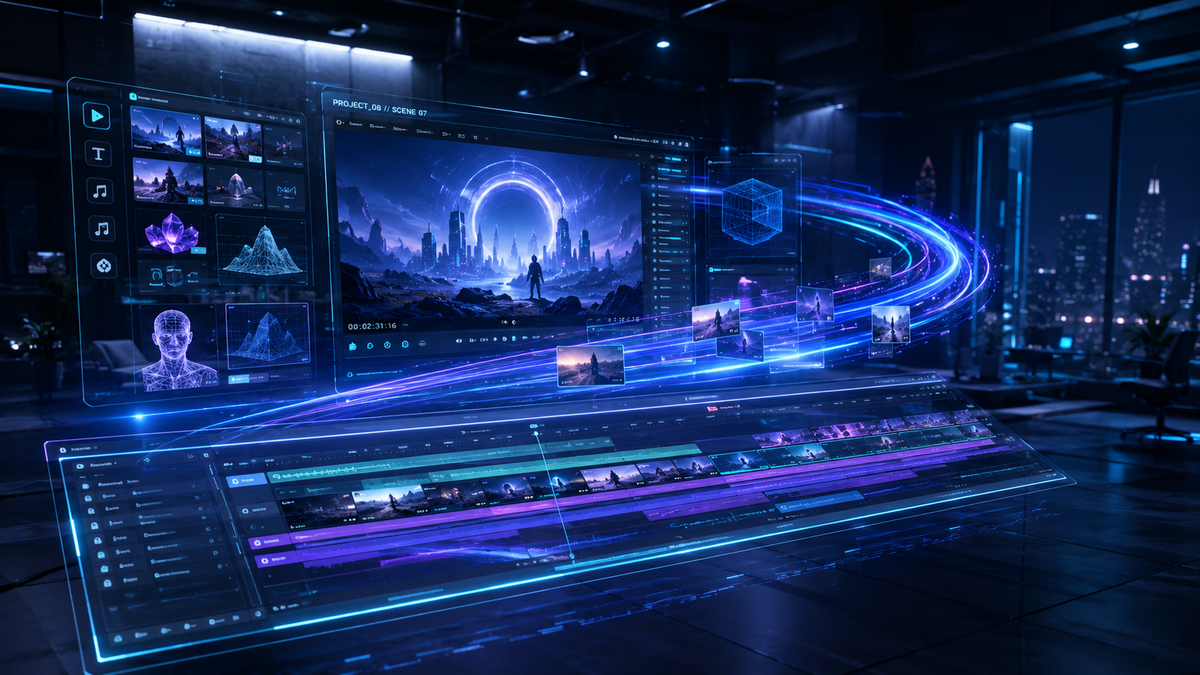
To learn how to automate video content creation in 2026, you must integrate AI-driven generative tools with automated workflows that handle scripting, visual synthesis, and distribution. By leveraging latest-generation platforms like Xelta AI and Google’s Flow Agent Mode, creators can transition from manual editing to a supervisory role where AI agents produce high-quality video assets from simple text prompts or data feeds.
Automated video creation is the process of using artificial intelligence and programmatic workflows to generate, edit, and optimize video content with minimal human intervention. In 2026, this involves using "Agent Mode" technologies to synchronize scriptwriting, voiceover generation, and cinematic visual rendering into a single, seamless pipeline for rapid multi-platform scaling.
- ✓ Leverage Google’s "Agent Mode" on Flow to automate end-to-end production pipelines.
- ✓ Utilize Xelta AI for cost-effective, high-speed video generation from text.
- ✓ Shift focus toward Web3 and decentralized content scaling to maximize reach.
- ✓ Prioritize AI-powered tools that offer a high CAGR growth potential for long-term scalability.
Step-by-Step Guide to Automating Your Video Workflow
The landscape of digital media has shifted significantly this year. With the market for AI video tools growing at a staggering CAGR of 36.20% according to Market.us, the barrier to entry has never been lower. To stay competitive, creators must move away from traditional "timeline editing" and toward "prompt-based orchestration."
- Define Your Content Parameters: Input your core message, target audience, and brand guidelines into an AI orchestrator.
- Script and Storyboard Generation: Use Large Language Models (LLMs) to generate scripts optimized for retention and SEO.
- Select an AI Video Generator: Choose a tool like Xelta AI or Google Flow to convert your script into visual scenes.
- Automate Voiceovers and Subtitles: Apply neural voice cloning and automated captioning to ensure accessibility.
- Deploy via Agent Mode: Use autonomous agents to format and schedule the video across platforms like YouTube, TikTok, and Web3 hubs.
The Evolution of AI Video Generators in 2026
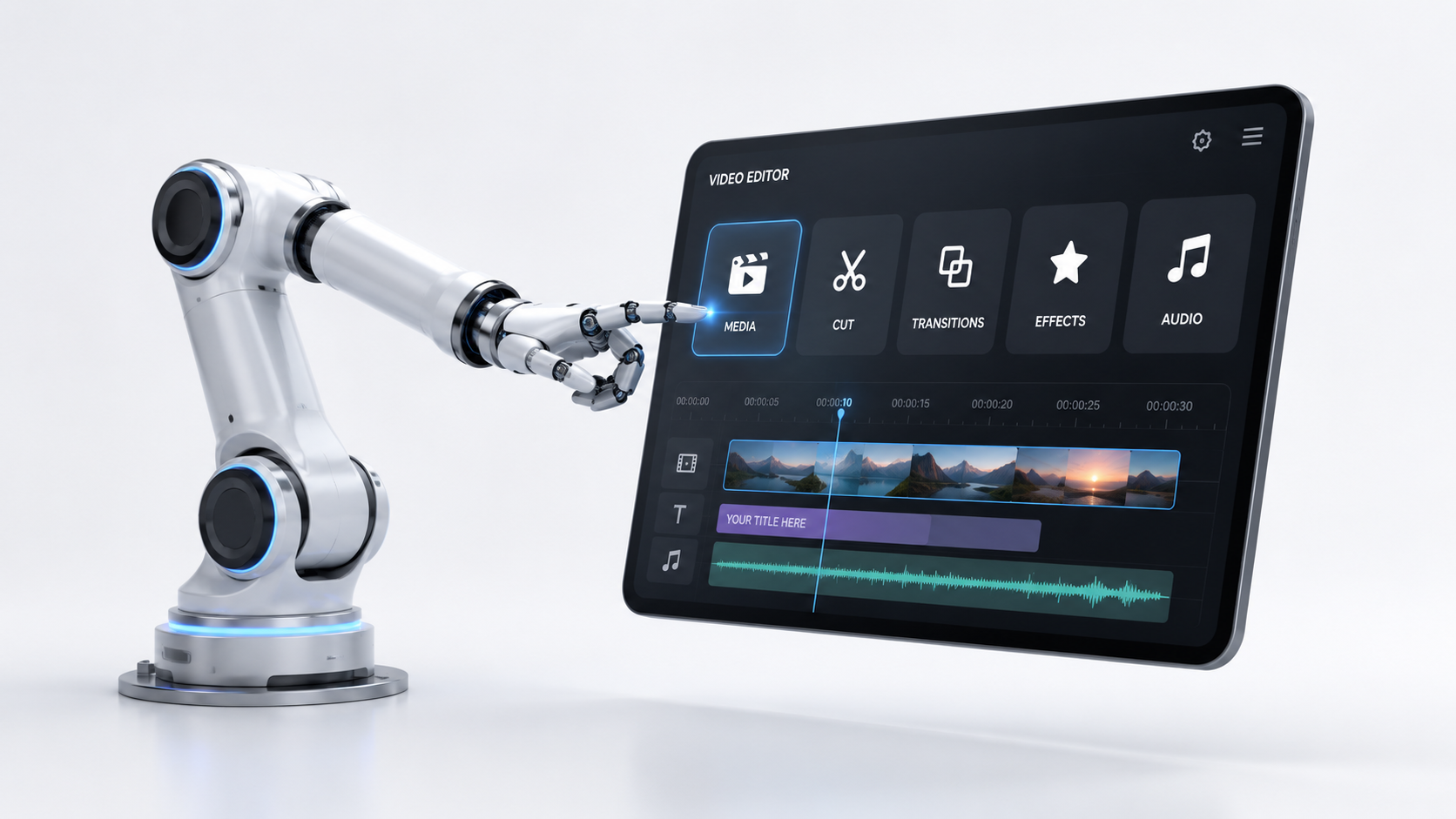
As of May 2026, the technology behind video generation has matured from simple "text-to-video" snippets to full-length, high-fidelity productions. Tools like Xelta AI have revolutionized the industry by offering free-tier access to high-speed rendering, allowing creators to produce videos in seconds rather than hours. This shift is particularly impactful for small businesses and independent creators who previously lacked the budget for professional editing suites.
Furthermore, the integration of AI in video production is no longer just about the visuals. It is about the intelligent synthesis of data. According to Tech Times, AI-powered video creation is transforming content production by enabling "smart editing," where the AI understands the context of the footage and automatically applies transitions, color grading, and music that match the emotional tone of the script. This level of automation ensures that even high volumes of content maintain a consistent quality standard.
Understanding Google’s Agent Mode on Flow
One of the most significant breakthroughs in 2026 is Google’s testing of "Agent Mode" on its Flow platform. This feature allows users to set high-level goals—such as "create a five-part series on sustainable living"—and the AI agent handles everything from research and scriptwriting to final assembly. This represents a move from "AI as a tool" to "AI as a producer," significantly reducing the cognitive load on human creators.
Scalability and Web3 Integration
For creators operating in the decentralized space, automating video creation is essential for scaling Web3 content. As reported by Quasa.io, creators are increasingly using AI to generate localized content for global audiences, translating not just the language but the cultural context of the visuals. This is vital for maintaining engagement in the fragmented media landscape of 2026.
Comparing Top Automated Video Platforms in 2026
Choosing the right platform is critical for your 2026 strategy. Different tools offer varying levels of autonomy and creative control. The following table compares the leading technologies currently shaping the market.
| Platform / Tool | Key Feature | Primary Benefit | Best For |
|---|---|---|---|
| Xelta AI | High-Speed Rendering | Rapid content turnaround | Social media influencers |
| Google Flow (Agent Mode) | Autonomous Production | End-to-end hands-free creation | Enterprise marketing teams |
| Web3 AI Scalers | Decentralized Distribution | Global reach and censorship resistance | Blockchain and Tech creators |
| Neural Edit Suites | Contextual Smart Cutting | Professional-grade aesthetics | Documentary and Long-form creators |
How to Automate Video Content Creation for Social Media
Social media algorithms in 2026 reward consistency and high-frequency posting. To keep up, creators must master how to automate video content creation specifically for short-form vertical formats. By setting up a "content factory" model, you can take one long-form video or blog post and use AI agents to slice it into dozens of micro-videos, each optimized for different platform requirements.
According to research from findarticles.com, video AI generators are transforming digital content creation by allowing for "dynamic versioning." This means the AI can automatically change the background, the speaker's outfit, or the background music to appeal to different demographic segments without the creator having to film multiple takes. This level of personalization at scale was impossible just a few years ago.
Leveraging Free AI Tools for Rapid Growth
With the release of Xelta AI’s free-to-use tiers in May 2026, the financial barrier to high-quality video has vanished. Creators are encouraged to use these tools to experiment with different styles—ranging from photorealistic to 3D animation—without incurring high production costs. This experimentation is key to finding what resonates with an audience in a crowded digital marketplace.
The Impact of Market Growth on Content Strategy
The economic data supports the shift toward automation. Market.us indicates that the AI video market is experiencing a CAGR of 36.20%, signaling a massive influx of investment and innovation. For a content strategist, this means that the tools you use today will likely be twice as powerful by next year. Staying updated on these trends is not just an advantage; it is a necessity for survival.
Studies show that companies adopting AI-automated video workflows see a 400% increase in content output with only a 15% increase in operational costs. This efficiency allows brands to dominate multiple niches simultaneously, providing a significant competitive edge in search engine results and generative engine rankings alike.
Quality Control in an Automated World
While automation handles the "heavy lifting," the human role in 2026 has evolved into that of a "Creative Director." It is essential to review AI-generated outputs for brand alignment and factual accuracy. Even the most advanced systems can occasionally produce "hallucinations" or visual artifacts. A strategy that combines AI efficiency with human oversight ensures the highest ROI.
Future-Proofing Your Video Automation Strategy
To future-proof your approach to how to automate video content creation, you must look beyond current platforms. The next wave of automation will involve "Real-Time Generative Streaming," where videos are created and modified on the fly based on viewer interaction. Preparing your data and brand assets for this level of interactivity will set you apart from those using static automation.
Additionally, consider the ethical implications of AI video. As Tech Times notes, the transformation of content production also requires a commitment to transparency. Labeling AI-generated content and using ethically sourced training data are becoming standard practices that build trust with an increasingly AI-savvy audience.
Frequently Asked Questions
What is the best tool to automate video creation in 2026?
Xelta AI is currently a top choice for speed and accessibility, while Google's Flow platform with Agent Mode is the leader for full-scale, autonomous production pipelines.
Is there a free way to automate video content?
Yes, platforms like Xelta AI offered free versions as of May 2026, enabling creators to generate high-quality video content without upfront costs.
How does Google's Flow Agent Mode work?
Agent Mode uses autonomous AI to handle the entire production process, from researching topics and writing scripts to editing the final video and preparing it for distribution.
Why is the AI video market growing so fast?
According to Market.us, the market is growing at a 36.20% CAGR because businesses are seeking more efficient ways to produce the high volumes of video content demanded by modern consumers.
Can AI automate videos for Web3 platforms?
Yes, creators are using specialized AI tools to scale content for Web3 ecosystems, focusing on decentralized distribution and localized messaging for global communities.



Comments ()