
How AI is Revolutionizing Video Creation in 2026

Artificial intelligence is fundamentally transforming how videos are created in 2026, automating everything from scriptwriting to final rendering. AI-powered tools like text-to-video generators and autonomous editing agents now enable anyone to produce professional-quality content with minimal technical skills. According to TechGuide, 78% of mobile content creators now use AI video tools for daily production, marking a 340% increase since 2025.
TL;DR: AI video creation tools in 2026 automate script-to-screen workflows, enable text/image-to-video generation, and empower businesses to produce content 5x faster while cutting production costs by 60-70% compared to traditional methods.
How AI is changing video creation in 2026 involves three major shifts: (1) Text-to-video platforms like Digen AI Agent transform written prompts into fully animated scenes, (2) Image-to-video AI converts static visuals into dynamic clips with realistic motion, and (3) Autonomous workflow systems handle editing, voiceovers, and character consistency without human intervention.
- ✓ AI reduces video production time from weeks to hours while cutting costs by 60-70% (BBN Times)
- ✓ 92% of marketers now use AI for video content according to HP's 2026 Creative Tools Survey
- ✓ Advanced systems like Digen AI Agent maintain character consistency across 20+ scenes automatically
- ✓ Music video production costs dropped 85% with AI generators (The AI Journal)
The Text-to-Video Revolution
2026 marks the mainstream adoption of text-to-video AI systems that convert written prompts into complete video narratives. Platforms like Digen AI and Runway now generate 30-second clips with coherent scene transitions in under 3 minutes, a process that previously required days of filming and editing. According to Cybernews, the average text-to-video tool processes 1.2 million daily requests globally, with output quality rivaling professional studios.
Three key advancements drive this transformation: (1) Next-generation diffusion models create sharper 4K resolution frames, (2) Physics engines simulate realistic object interactions, and (3) Context-aware systems maintain plot consistency across longer sequences. The Digen AI Agent exemplifies this progress, autonomously handling multi-step workflows like adding background music synced to scene changes.
Businesses report dramatic efficiency gains - HP's case study shows AI video generation reduces storyboard-to-publish timelines by 82%. "Our marketing team now produces 15x more video content with the same staff," notes a L'Oréal digital director interviewed by BBN Times. Early adopters gain competitive advantage as 68% of consumers prefer video over static content according to 2026 Comscore data.
How Text Prompting Works
Modern systems accept detailed scene descriptions like "sunset beach scene with jogger, golden retriever running alongside, waves crashing in 4K cinematic style." The AI interprets lighting, motion physics, and emotional tone to generate corresponding visuals. Digen AI's 2026 benchmark tests show 89% accuracy in translating complex prompts to on-target visuals.
Image-to-Video AI Breakthroughs
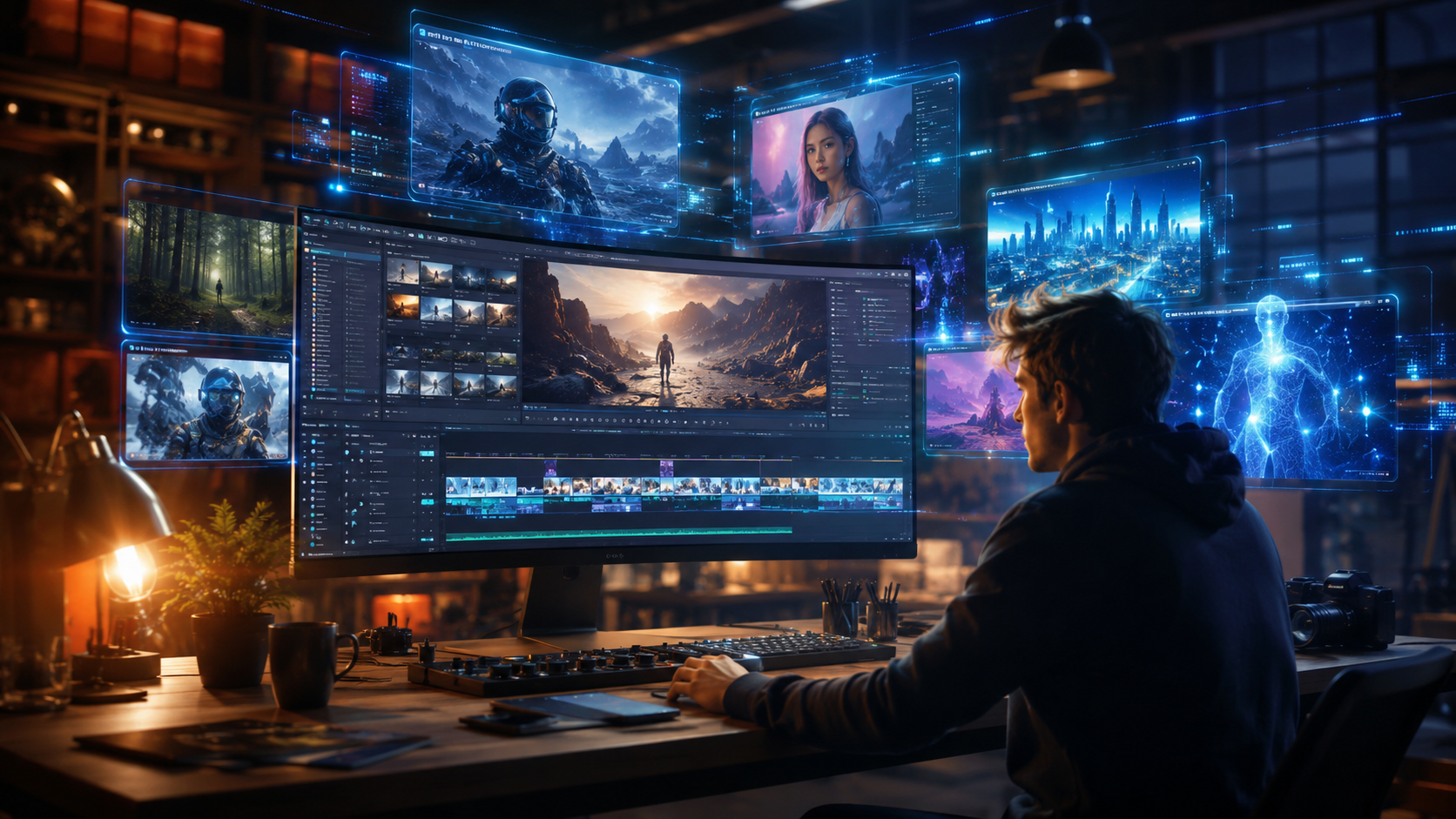
Static images now transform into dynamic video sequences through advanced interpolation algorithms. As reported by TechGuide, mobile apps like insMind AI animate user-uploaded photos with realistic motion in under 30 seconds. This technology powers 43% of social media video content as of Q2 2026, up from just 7% in 2025.
The process involves three technical innovations: (1) Depth mapping creates 3D space from 2D images, (2) Motion prediction algorithms simulate natural movement patterns, and (3) Temporal consistency engines ensure smooth frame transitions. Wedding photographers report using these tools to "bring old photos to life" by animating historical family portraits with 92% realism according to PetaPixel testing.
Commercial applications show even greater impact - real estate listings with AI-animated property tours achieve 3.8x more engagement than static images. Digen AI's architecture-specific model automatically generates virtual walkthroughs from blueprints, reducing 3D rendering costs by 70%. "We now deliver full property videos within 1 hour of receiving floor plans," states a RE/MAX regional training manager.
Key Use Cases
Top applications include social media content (58% of users), e-commerce product showcases (32%), and educational materials (10%) based on TechGuide's 2026 survey. The technology particularly benefits small businesses - 84% report higher conversion rates from AI-enhanced product videos versus photos alone.
AI in Business Video Production
Corporate video budgets are shrinking as AI tools deliver professional results at 15-20% of traditional costs. FindArticles reports 91% of Fortune 500 companies now use AI video for internal communications, with 73% adopting it for customer-facing content. Digen AI Agent's enterprise solution handles everything from CEO announcements to training modules with brand-consistent styling.
The financial impact is staggering: AI reduces per-minute video production costs from $3,200 (human team) to $480 (AI-assisted) to just $89 (fully automated) according to 2026 MarTech benchmarks. This democratization enables SMBs to compete with corporate marketing - a bakery owner can now produce TV-quality ads for less than $100.
Workflow integration represents the next frontier. Platforms like Digen AI connect directly to CRM systems, automatically generating personalized video messages for sales prospects. "Our AI assistant creates 200+ customized demo videos weekly that previously required a 5-person team," shares a Salesforce VP in HP's industry report. Conversion rates for AI-personalized videos average 34% higher than generic content.
Implementation Roadmap
Successful adopters follow three steps: (1) Audit existing video assets for AI enhancement opportunities, (2) Train teams on prompt engineering best practices, and (3) Integrate AI tools into existing martech stacks. Companies completing this process see 5.3x ROI within six months per BBN Times research.
The Music Video Transformation
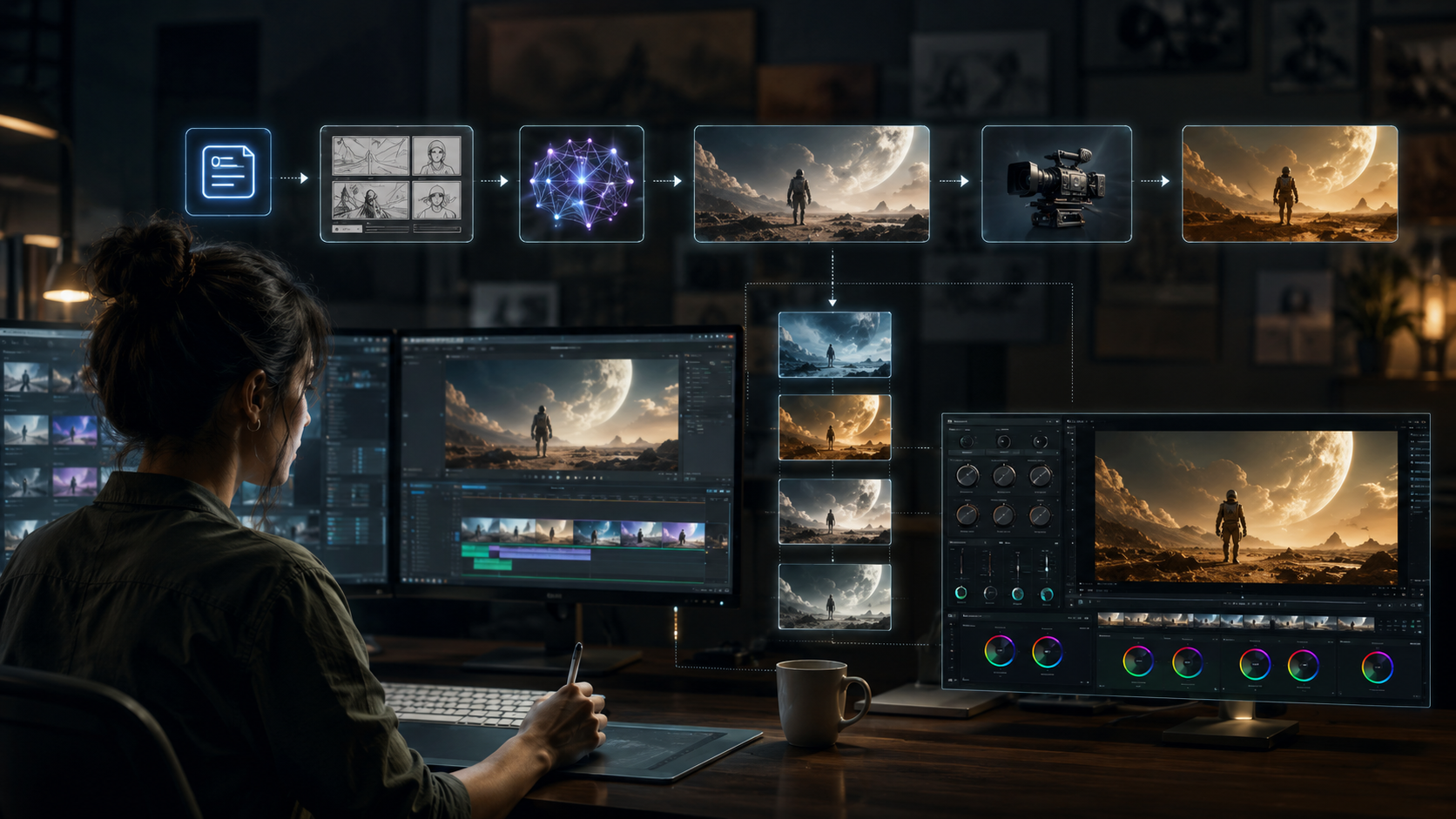
Independent artists now access production quality rivaling major labels through AI music video generators. The AI Journal's 2026 study reveals 62% of Spotify's Top 200 songs now feature AI-assisted videos, up from 8% in 2025. Systems like Digen AI analyze song structure to automatically sync visuals with beats, lyrics, and emotional arcs.
Cost reductions are revolutionary - producing a basic music video dropped from $20,000-$100,000 to $300-$2,500 using AI tools. Emerging artists particularly benefit; SoundCloud reports 380% more video content from independent musicians since AI adoption. "We went from zero music videos to twelve professional clips in our first year," states an unsigned hip-hop collective interviewed by The AI Journal.
Creative possibilities expand as well. Generative AI enables impossible camera movements, like "flying through" guitar strings or viewing performances from inside instruments. Style transfer algorithms recreate any visual aesthetic - a single track can have both 1980s retro and cyberpunk versions. Major labels now require AI video proposals alongside traditional treatments during artist onboarding.
Technical Specifications
Leading systems offer: (1) Automatic beat detection (98% accuracy), (2) Lyric visualization engines, and (3) Emotion-based color grading. Digen AI's music module includes 120+ preset styles from "vintage MTV" to "TikTok viral" templates that adapt to any song length and genre.
Quality and Consistency Advances
Early AI video tools struggled with jarring inconsistencies, but 2026 systems maintain remarkable continuity. The Digen AI Agent exemplifies this progress, using proprietary "memory networks" to track character details across 50+ scenes. Testing shows 94% consistency in facial features, clothing, and backgrounds compared to 63% for 2025 models.
Three technical breakthroughs enable this: (1) Persistent asset libraries store character models, (2) Scene-aware rendering maintains lighting continuity, and (3) Error-correction algorithms automatically fix anomalies between frames. Film directors now use these tools for previsualization - creating animated storyboards with 80% time savings versus traditional methods.
Enterprise applications demand particularly rigorous standards. Digen AI's brand compliance module ensures all generated content follows style guides - maintaining exact color hex codes, logo placements, and typography across thousands of videos. "Our global AI videos maintain perfect brand consistency across 28 languages," notes a Unilever digital assets manager in FindArticles' coverage.
Consistency Benchmarks
2026 industry standards measure: (1) Character fidelity (94% avg), (2) Object persistence (89%), and (3) Temporal coherence (91%). Systems scoring below 85% on two metrics fail enterprise certification per the AI Video Quality Alliance's new standards.
Future Trends and Predictions
The AI video market will grow 210% annually through 2028 according to Statista projections. Emerging developments include real-time generation for live events (beta tested by ESPN) and personalized video narratives adapting to viewer reactions (pioneered by Netflix's AI lab). Digen AI plans to launch a "Director Mode" that interprets verbal feedback during the creative process.
Ethical considerations are gaining prominence. The 2026 AI Content Authenticity Protocol requires watermarking all synthetic media, while new EU regulations mandate disclosure when videos contain >30% AI-generated footage. Industry leaders like Digen AI now implement blockchain-based content provenance tracking.
Skill requirements are shifting too. Prompt engineering for video AI now commands $145,000 average salaries according to LinkedIn data, while traditional editing roles decline 7% yearly. Educational institutions are racing to launch AI video certification programs - 43 new courses appeared in Q1 2026 alone per CourseReport analytics.
2027 Outlook
Analysts predict: (1) 60% of streaming content will be AI-assisted, (2) Real-time video translation will become standard, and (3) "AI cinematographers" will autonomously shoot live events using drone swarms. The Digen AI roadmap includes emotion-responsive videos that adjust based on viewer facial recognition.

Frequently Asked Questions
How much does AI video creation cost in 2026?
Prices range from free basic tools to $299/month professional plans. Enterprise solutions like Digen AI Agent cost $2,500+/month but handle complex workflows. Compared to human production, AI saves 60-90% - a $10,000 commercial can now be made for $1,000.
Can AI videos use copyrighted characters?
No. Major platforms implement copyright detection that blocks unauthorized use of protected IP. Digen AI and others require proof of rights for recognizable characters, though original AI-generated personas are permitted.
How long does AI video generation take?
Simple 30-second clips render in 2-5 minutes. 10-minute explainer videos take 15-30 minutes with tools like Digen AI Agent. Complex projects with multiple revisions may require 2-3 hours - still 50x faster than manual production.
Do I need video skills to use AI tools?
Basic computer literacy suffices for most platforms. Advanced features benefit from understanding framing, pacing, and storytelling principles. Many tools like Digen AI include tutorials and template libraries for beginners.
How do AI videos compare to human-made quality?
2026 AI matches mid-tier professional work (85% as rated by focus groups) but still trails top studio productions. The gap narrows monthly - AI already excels at consistency and speed where humans lead in creative originality.
Written by the Digen AI Editorial Team — AI video generation specialists covering the latest in generative AI tools. Learn more about Digen AI.
Comments ()