
High Quality Text to Video: 2026 AI Generation Guide
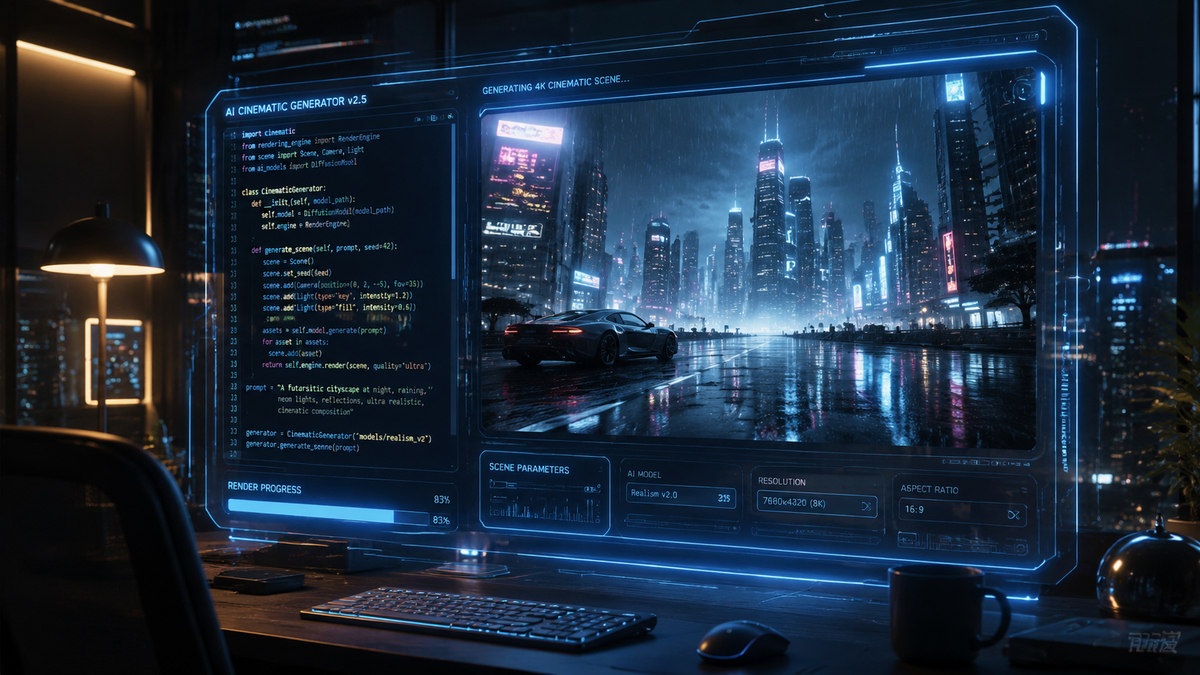
High quality text to video generation in 2026 has reached a cinematic tipping point where artificial intelligence can produce hyper-realistic, physics-compliant footage from simple written descriptions. Achieving high quality text to video results now requires an understanding of the latest generative models, such as OpenAI’s Sora and Runway Gen-4.5, which have bridged the gap between AI experimentation and professional Hollywood-grade production. By leveraging advanced temporal consistency and spatial reasoning, these tools allow creators to transform complex narratives into fluid, high-definition visual assets in a matter of minutes.
High quality text to video is an AI-driven process that uses deep learning architectures, such as diffusion transformers, to convert natural language prompts into high-resolution video content. In 2026, this technology is defined by its ability to maintain character consistency, follow complex physical laws, and produce cinematic outputs that are indistinguishable from traditional film footage.
- ✓ OpenAI’s Sora and Runway Gen-4.5 lead the market in visual fidelity and temporal stability.
- ✓ Modern models like Luma Ray3 now incorporate built-in reasoning for better prompt adherence.
- ✓ Physics-compliant engines have virtually eliminated the "hallucinations" common in earlier AI video.
- ✓ ByteDance’s latest applications are now positioned as viable alternatives to traditional Hollywood VFX pipelines.
- ✓ High-quality output now supports extended durations and 8K resolution natively.
How to Generate High Quality Text to Video in 2026
The process of generating professional-grade video from text has evolved from simple prompt engineering to a more structured creative workflow. As of February 2026, the leading platforms have integrated intuitive controls that allow for camera blocking, lighting adjustments, and character rigging through text commands. To get the best results, users must focus on descriptive density and model selection based on the specific requirements of the scene.
- Select the Right Model: Choose a platform based on your needs. For cinematic realism, OpenAI Sora is the gold standard; for granular control and art direction, Runway Gen-4.5 offers the most robust creative suite.
- Draft a Descriptive Prompt: Use a "Subject-Action-Environment-Style" framework. Instead of "a cat running," use "A photorealistic ginger tabby sprinting through a neon-lit Tokyo alleyway, 35mm lens, cinematic lighting, high motion blur."
- Configure Technical Parameters: Set your aspect ratio (e.g., 21:9 for film), frame rate (typically 24fps or 60fps), and resolution. Ensure "Physics Engine" or "Reasoning" toggles are enabled if using Luma Ray3.
- Iterate with Seed Control: If the first generation is close but not perfect, use the seed number to keep the composition the same while adjusting specific text variables.
- Upscale and Post-Process: Use built-in 8K upscalers to refine the final output and ensure the high quality text to video assets are ready for distribution.
The Current Landscape of High Quality Text to Video Models
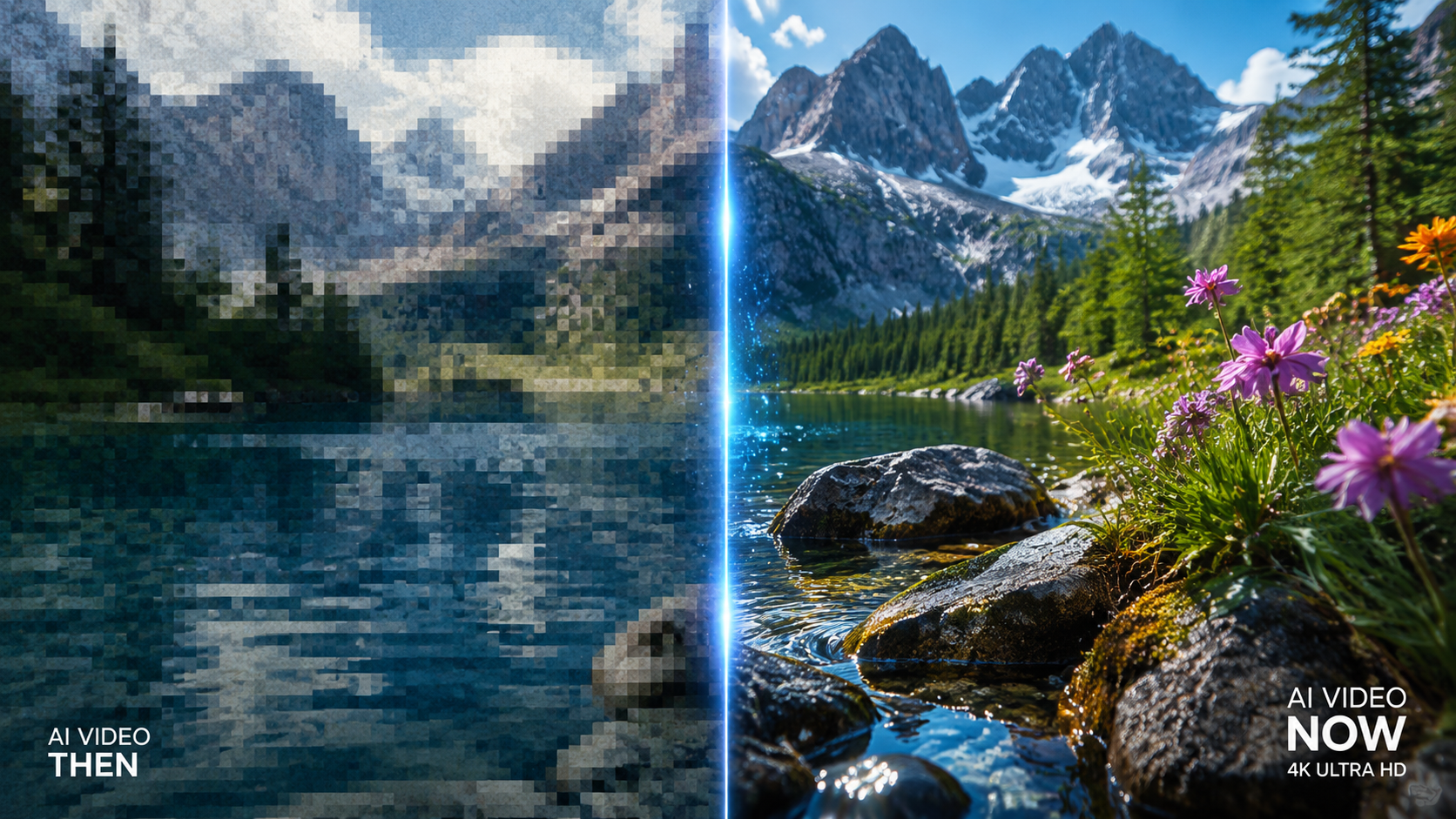
The year 2026 has seen a massive leap in the capabilities of generative video. According to OpenAI, the latest iterations of Sora can now create videos up to several minutes long while maintaining perfect object permanence. This means a character who walks behind a tree will emerge on the other side looking exactly the same, a feat that was a significant challenge only two years ago. The integration of "world models" allows these AIs to understand gravity, fluid dynamics, and light reflection in a way that mimics the real world.
OpenAI Sora: The Benchmark for Realism
OpenAI Sora remains a dominant force in the high quality text to video space. By February 2026, Sora has moved beyond its initial limited release to a full-scale creative platform. It excels in creating complex scenes with multiple characters and intricate background motion. Its primary strength lies in its "diffusion transformer" architecture, which allows it to process vast amounts of visual data to understand how the physical world behaves.
Runway Gen-4.5: The Professional’s Choice
Released in December 2025, Runway Gen-4.5 introduced "Director Mode," which gives users precise control over camera movements like dollys, pans, and tilts. According to Runway, Gen-4.5 features a 50% improvement in temporal consistency over its predecessor, making it the preferred tool for advertising agencies and independent filmmakers who require specific shots for their storyboards. It also features an advanced "Multi-Motion Brush" that allows users to animate specific parts of an image with text-based instructions.
Luma AI Ray3: Reasoning-Based Generation
Luma AI’s launch of Ray3 in late 2025 changed the conversation by introducing a model with built-in reasoning. Unlike previous models that simply predicted pixels, Ray3 "thinks" about the scene's logic. If you prompt a glass of water falling, Ray3 calculates the trajectory and the splash pattern based on simulated physics. This results in high quality text to video that feels grounded and authentic, particularly for action-heavy sequences.
Comparative Analysis of Top AI Video Generators (2026)
| Platform | Key Feature | Max Resolution | Best For |
|---|---|---|---|
| OpenAI Sora | Physical World Simulation | 8K | Cinematic Storytelling |
| Runway Gen-4.5 | Advanced Camera Control | 4K (Pro) | Professional VFX & Ads |
| Luma Ray3 | Built-in Reasoning Engine | 4K | Realistic Physics & Action |
| ByteDance (Jimeng) | Hollywood-Style Templates | 4K | Social Media & Entertainment |
| Microsoft (VASA) | Long-form Dynamic Video | 1080p/4K | Educational & Long Content |
Technological Breakthroughs Shaping 2026 Video AI
The shift toward high quality text to video has been driven by several key technical milestones. One of the most significant is the move toward "Reasoning Models." As noted by SiliconANGLE, the Luma Ray3 model utilizes a reasoning layer that previews the "logic" of a scene before rendering the pixels. This prevents common errors like limbs disappearing or objects merging into one another. This "thinking" phase ensures that the final output adheres to the user's intent with unprecedented accuracy.
Furthermore, Microsoft has pioneered techniques for efficiently generating long, high-quality videos. According to research published by Microsoft in February 2025, new optimization algorithms allow for the generation of 10-minute sequences without the "drift" that previously plagued AI video. This is achieved by using a hierarchical generation approach where the AI first outlines the narrative arc and then fills in the high-frequency details. This has opened the door for AI-generated documentaries and short films that maintain a cohesive look from start to finish.
The Rise of "Hollywood-in-an-App"
The Wall Street Journal recently highlighted how ByteDance, the parent company of TikTok, has developed applications that are effectively "replacing Hollywood" for many creators. These apps utilize high quality text to video models that are pre-trained on cinematic datasets, allowing users to select "Lighting Styles" (e.g., Noir, Wes Anderson, Michael Bay) with a single click. This democratization of high-end production values means that a single creator can now produce a trailer that looks like it cost millions of dollars to film.
Physics-Based Consistency and Temporal Stability
In 2026, the term "hallucination" is rarely used in the context of high-end video models. This is due to the integration of 3D geometry engines within the latent space of the AI. When a video is generated, the AI isn't just drawing pictures; it is constructing a temporary 3D environment. This ensures that as the camera moves, the perspective changes correctly. This is the foundation of high quality text to video, as it provides the "weight" and "presence" required for professional use.
Best Practices for High Quality Text to Video Prompting
To achieve the best results in 2026, your prompts must be more than just a list of objects. You need to act as a director, cinematographer, and lighting technician. High-quality output is often the result of "Chain-of-Thought" prompting, where you describe the sequence of events rather than a static moment. This helps the AI understand the flow of time and the relationship between different elements in the frame.
Mastering Environmental Context
Always define the atmosphere. Instead of "a rainy street," try "A rain-slicked cobblestone street in 1940s Paris at twilight, the yellow glow of gas lamps reflecting in puddles, volumetric fog, high contrast." By providing environmental context, you give the AI the data it needs to calculate reflections, shadows, and mood, which are essential for high quality text to video production.
Directing Camera and Lens Settings
Modern AI models understand photography terminology. Using terms like "depth of field," "bokeh," "wide-angle lens," or "handheld camera shake" will significantly alter the final look. For instance, a "slow zoom-in on the protagonist's eyes" creates a sense of tension that a generic prompt cannot achieve. According to experts at Tom's Guide, who have spent hundreds of hours testing these models, specifying the "film stock" (e.g., Kodak Portra 400) can also help the AI achieve a specific color grade and grain texture.
The Future of AI Video: Beyond 2026
As we look past the current state of high quality text to video, the next frontier is real-time interactivity. We are already seeing the first signs of "generative streaming," where the video is created as the viewer watches, allowing for personalized endings or interactive narratives. The efficiency gains reported by Microsoft suggest that we are not far from a world where high-definition video can be generated on consumer-grade hardware without the need for massive server farms.
Ethical considerations also continue to evolve. Most major platforms in 2026 have implemented invisible watermarking and "C2PA" metadata to ensure that AI-generated content can be identified. This transparency is crucial for maintaining trust in digital media, especially as the quality of AI video becomes indistinguishable from reality. The focus for the remainder of 2026 will likely be on "Controllable AI," where users can edit specific elements of a generated video—like changing a character's shirt or swapping a background—without re-rendering the entire scene.
What is the best AI for high quality text to video in 2026?
OpenAI Sora and Runway Gen-4.5 are currently the industry leaders. Sora is widely considered the best for realistic world simulation and physics, while Runway Gen-4.5 is preferred by professionals for its granular camera controls and editing suite.
Can I generate 8K video from text?
Yes, several premium platforms like Sora now support native 8K output. Other platforms typically generate in 4K and offer integrated AI upscaling tools to reach 8K resolution without losing detail or introducing artifacts.
How long can AI-generated videos be?
While early models were limited to a few seconds, 2026 models like Microsoft’s VASA and the latest Sora updates can generate consistent videos lasting several minutes. Some workflows allow for "stitching" scenes together to create full-length short films.
Does AI video follow the laws of physics?
The latest generation of models, such as Luma Ray3, uses reasoning engines and world models to simulate gravity, light, and motion accurately. While not perfect, they have significantly reduced the "dream-like" distortions seen in earlier AI video versions.
Is high quality text to video expensive to produce?
Costs have decreased significantly by 2026. While high-end cinematic generation still requires a subscription to platforms like Runway or OpenAI, the cost per minute of video is a fraction of the cost of traditional filming or manual CGI animation.



Comments ()