
HeyGen vs D-ID for AI Avatars: 2026 Comparison & Review
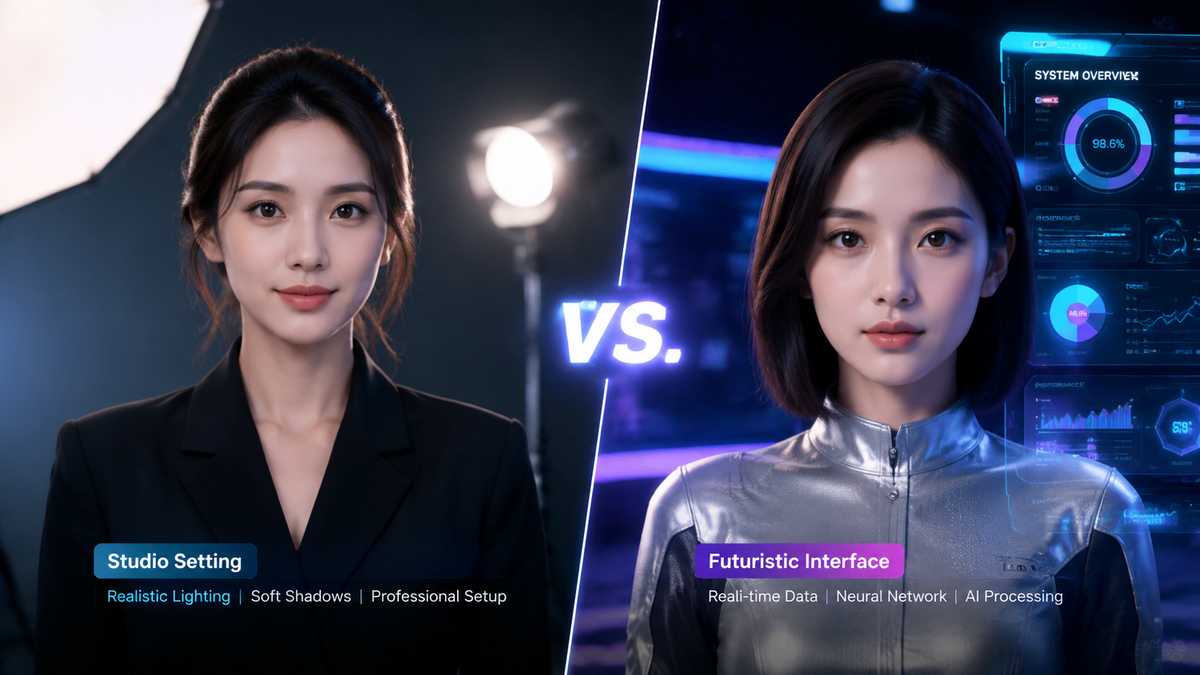
When comparing HeyGen vs D-ID for AI avatars, the choice depends on whether you prioritize hyper-realistic video production or interactive, real-time engagement. HeyGen is currently the industry leader for high-fidelity video cloning and seamless lip-syncing for marketing content, while D-ID has pivoted strongly toward "Visual AI Agents" that allow for real-time conversational interfaces. Both platforms have defined the 2026 landscape by moving beyond simple animation into full-scale digital twin automation.
HeyGen is the premier choice for creating professional-grade marketing videos with its "scary real" avatar cloning technology, whereas D-ID excels in providing interactive AI agents and API-driven solutions for real-time customer service. While HeyGen focuses on visual perfection and video storytelling, D-ID focuses on the future of the AI-human interface through responsive, live digital personas.
- ✓ HeyGen offers superior 4K video cloning and natural body movement for content creators.
- ✓ D-ID’s new 2026 Visual AI Agents enable real-time, two-way conversations with users.
- ✓ Both platforms now support instant multi-language translation and localized lip-syncing.
- ✓ HeyGen is preferred for YouTube and social media; D-ID is preferred for enterprise UX and web apps.
The Evolution of AI Avatars: HeyGen vs D-ID for AI Avatars in 2026
As we navigate through 2026, the landscape of synthetic media has shifted from "experimental" to "essential." The competition between HeyGen vs D-ID for AI avatars has intensified as both companies have integrated more sophisticated generative models. No longer are we looking at static images with moving mouths; we are now witnessing full-body synthesis where gestures, micro-expressions, and tonal shifts are indistinguishable from real human performance. This evolution is driven by the demand for personalized video at scale, allowing businesses to communicate with global audiences without the overhead of traditional film crews.
According to Analytics Insight, the best AI avatar creator tools in 2026 have moved toward "ambient integration," meaning these avatars are now appearing in everything from clinical healthcare settings to high-end retail kiosks. HeyGen has doubled down on the "Creator Economy," providing tools that allow a single individual to produce a year’s worth of video content in a single afternoon. Meanwhile, D-ID has focused on the "Interface Economy," transforming how we interact with websites by replacing text-based chatbots with photorealistic digital employees that can see and hear the user in real-time.
Choosing between these two powerhouses requires an understanding of your specific output goals. If you are looking to build a personal brand or a corporate training library, the visual fidelity of HeyGen’s latest "v4" avatars is unmatched. However, if your goal is to build a revolutionary user experience where an AI talks back to your customers on a landing page, D-ID’s new Visual AI Agents, as highlighted by Forbes in March 2026, offer a level of interactivity that HeyGen is only beginning to explore.
How to Create Your First AI Avatar Video
- Select Your Persona: Choose from a library of pre-made professional avatars or upload a high-resolution photo/video of yourself to create a digital twin.
- Input Your Script: Type your text or upload an audio file. In 2026, both platforms offer "Emotional Scripting" where you can tag specific sentences as "excited," "empathetic," or "authoritative."
- Customize the Environment: Select your background, framing (close-up vs. full body), and aspect ratio (9:16 for TikTok/Reels or 16:9 for YouTube).
- Generate and Translate: Hit the generate button. Use the built-in translation tools to automatically dub your video into over 100 languages with perfect lip-syncing.
- Export and Integrate: Download the MP4 file or use the provided API/Embed code to place your interactive agent directly onto your website.
HeyGen Review: The Gold Standard for Video Fidelity
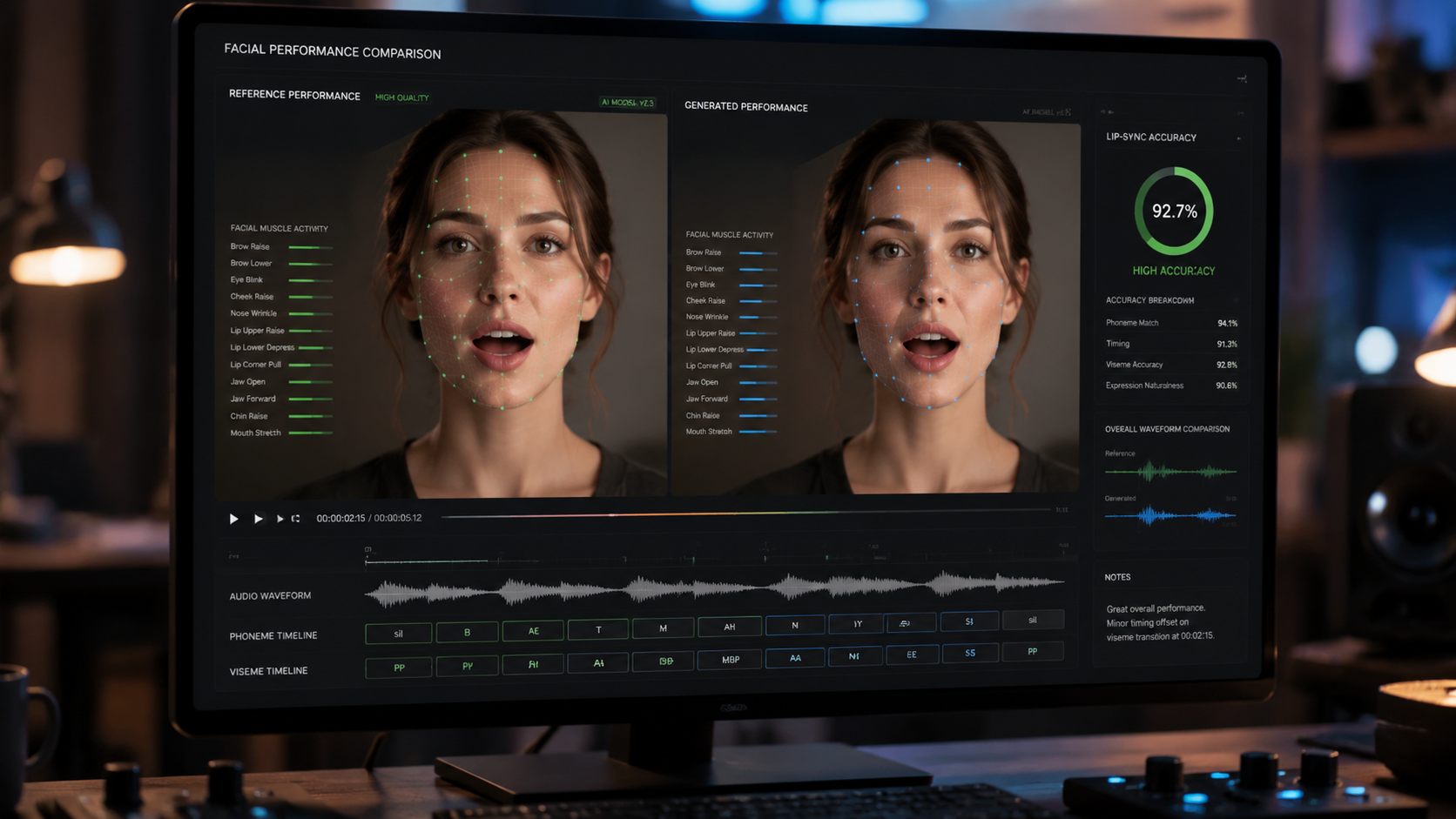
HeyGen has maintained its reputation for producing the highest quality visual output in the industry. As noted by Unite.AI in their April 2026 review, the latest version of HeyGen allows users to "clone themselves into a scary real AI avatar." This realism is achieved through proprietary neural rendering that captures the unique quirks of a person’s movements—the way they tilt their head, the subtle blinking of eyes, and the natural flow of hands during speech. For high-stakes marketing and enterprise communications, this level of polish is non-negotiable.
One of the standout features of HeyGen in 2026 is its "Instant Avatar" technology. Previously, creating a high-quality clone took days of processing; now, it can be done with just two minutes of smartphone footage. This has democratized professional video production, allowing small business owners to compete with major corporations. Social Media Examiner reports that businesses using HeyGen have seen a 40% increase in engagement on platforms like LinkedIn, as personalized video messages outperform traditional text-based outreach by a significant margin.
Key Features of HeyGen in 2026
- Generative Outfits: Change the clothing of your avatar with a text prompt, allowing one recording session to serve for multiple professional contexts.
- Team Collaboration Suites: Shared workspaces that allow marketing teams to edit scripts and manage avatar permissions across global departments.
- Advanced Lip-Sync v4: A significant leap in 2026 that eliminates the "uncanny valley" effect, even when translating English speakers into tonal languages like Mandarin.
D-ID: Leading the Charge in Interactive Visual AI Agents
While HeyGen wins on video aesthetics, D-ID is winning the war for functionality. In March 2026, Forbes reported on D-ID’s introduction of "New Visual AI Agents," which signal a fundamental shift in how humans interact with technology. These agents are not just videos; they are interfaces. By integrating LLMs (Large Language Models) directly into the avatar’s brain, D-ID has created a system where the avatar can listen to a user’s question via microphone and respond with localized speech and appropriate facial expressions in under 200 milliseconds.
This "Real-Time Streaming" capability is the cornerstone of D-ID’s 2026 strategy. It is particularly effective for e-commerce, where a digital concierge can guide a customer through a purchase, or in the "Ambient Clinical AI" space mentioned by Jakob Nielsen, where avatars can assist patients in navigating healthcare portals. D-ID’s API is also more robust for developers, making it the go-to choice for tech companies looking to embed AI personas into their own software ecosystems.
The Power of D-ID’s API and Integration
For developers and enterprise architects, D-ID offers a level of flexibility that is hard to beat. Their "Agents API" allows for the creation of scalable, low-latency video interactions. According to recent UX research, these visual interfaces provide a "Consumer Surplus" by making complex digital tasks feel more human and less mechanical. Whether it's an AI tutor that reacts to a student's confusion or a financial advisor that can explain market trends through a mobile app, D-ID is the engine behind the world's most interactive digital humans.
Feature Comparison: HeyGen vs D-ID for AI Avatars
To help you decide which platform fits your 2026 workflow, we have compiled a comparison of their core capabilities based on the latest software updates and user feedback from G2 Learning Hub and Analytics Insight.
| Feature | HeyGen (2026) | D-ID (2026) |
|---|---|---|
| Visual Realism | Industry-leading; 4K cinematic quality. | High quality; optimized for web streaming. |
| Real-Time Interaction | Limited; focused on pre-rendered video. | Advanced; specialized in "Visual AI Agents." |
| Avatar Creation | Instant Avatar (2-min setup). | Photo-to-Avatar and Creative Reality Studio. |
| Primary Use Case | Content Marketing & Social Media. | Customer Service & Interactive UX. |
| Translation | 100+ languages with emotional dubbing. | Global language support with low latency. |
Pricing and Accessibility in 2026
In 2026, both platforms have moved toward credit-based pricing models, though their target audiences differ. HeyGen’s pricing is structured for creators and marketing agencies who need high volumes of video minutes. Their "Pro" and "Enterprise" tiers offer features like custom font uploads, 4K resolution, and priority processing. Because HeyGen videos are often used for high-end advertising, the cost-per-minute reflects the value of replacing a traditional production studio.
D-ID, conversely, offers a more flexible "Pay-per-Session" model for its interactive agents, alongside traditional video generation credits. This makes it more affordable for developers who may have thousands of short interactions rather than a few long videos. According to G2 Learning Hub, D-ID remains a favorite for startups due to its accessible entry point and the ability to scale via API as the user base grows. Both platforms offer free trials, but in 2026, these trials are often limited to lower-resolution outputs or watermarked content to prevent deepfake misuse.
Choosing the Right Tool for Your Business
When deciding on HeyGen vs D-ID for AI avatars, the final verdict comes down to your "Output vs. Interaction" requirement. If your business model relies on "push" communication—sending out newsletters, posting to YouTube, or creating training modules—HeyGen is the superior tool. Its ability to create a "scary real" digital twin ensures that your brand maintains a premium look and feel that builds trust with viewers.
However, if your business relies on "pull" communication—where the user initiates the conversation and expects a response—D-ID is the clear winner. The 2026 shift toward AI-human interfaces means that having a responsive, visual agent on your site is becoming a standard UX expectation. As Jakob Nielsen’s UX Roundup suggests, the "AI Consumer Surplus" is found in these latent affordances—features that make technology more accessible and natural to use. D-ID facilitates this better than any other platform on the market today.
Which is better for YouTube: HeyGen or D-ID?
HeyGen is generally better for YouTube because of its superior 4K video quality and natural body language. It allows creators to produce high-fidelity content that looks like it was filmed in a professional studio, which is essential for maintaining viewer retention on visual platforms.
Can I create a real-time chatbot with HeyGen?
As of 2026, HeyGen focuses primarily on high-quality video generation rather than real-time interactive bots. For a real-time, conversational AI avatar that functions as a chatbot, D-ID’s Visual AI Agents are the industry-standard choice.
Is the lip-syncing in HeyGen vs D-ID for AI avatars natural?
Both platforms have made massive strides in 2026, but HeyGen currently holds a slight edge in lip-syncing realism for pre-recorded videos. D-ID’s lip-syncing is highly optimized for low-latency streaming, which is impressive but sometimes lacks the micro-expression detail found in HeyGen’s rendered videos.
Do I need professional equipment to clone myself?
No, in 2026, you only need a modern smartphone. HeyGen’s "Instant Avatar" technology can create a high-quality digital twin from just two minutes of footage recorded in natural lighting, making professional-grade AI clones accessible to everyone.
Are AI avatars safe to use for business?
Yes, both HeyGen and D-ID have implemented strict ethical guidelines and "Proof of Consent" protocols in 2026. Users must provide video evidence that they have the right to clone a specific person, and both platforms use advanced watermarking to identify AI-generated content.
Comments ()