
HeyGen vs D-ID Comparison 2026: Best AI Video Generator?

When choosing between heygen vs d-id comparison 2026, the decision depends on whether you prioritize hyper-realistic cinematic quality or high-speed, scalable corporate communication. In 2026, HeyGen leads for professional video marketing through its Avatar V technology, while D-ID remains the preferred choice for developers and users requiring rapid, real-time interactive digital humans.
HeyGen is a professional-grade AI video generation platform specializing in high-fidelity "Avatar V" technology for marketing, while D-ID is an industry-leading tool focused on real-time animation and API integration for interactive digital humans. Both platforms utilize generative AI to transform text into speaking-head videos with natural lip-syncing and emotional depth.
- ✓ HeyGen Avatar V has solved the "uncanny valley" problem with 4K resolution and natural micro-expressions.
- ✓ D-ID excels in API performance, offering the lowest latency for real-time AI agents and chatbots.
- ✓ HeyGen offers superior built-in editing tools, whereas D-ID is optimized for high-volume automated workflows.
- ✓ Both platforms now support over 140 languages with instant voice cloning and emotional tone adjustment.
The Evolution of AI Video: HeyGen vs D-ID Comparison 2026
As we navigate through 2026, the landscape of AI video generation has shifted from simple lip-syncing to full-body emotional intelligence. The heygen vs d-id comparison 2026 is no longer just about who can make a photo talk; it is about which platform provides the most authentic human connection. According to the G2 Learning Hub, these two giants continue to dominate the "Best AI Video Generators" list, though they have carved out distinct niches for different user bases.
HeyGen has transitioned into a full-scale creative studio. With the release of Avatar V, the platform has addressed the primary criticism of AI videos: the lack of soul. By utilizing advanced neural rendering, HeyGen videos now include natural shoulder movements, blinking patterns, and hand gestures that sync with the context of the speech. This makes it the go-to choice for brands that want to replace traditional video shoots with a digital twin that looks indistinguishable from a real person.
D-ID, on the other hand, has leaned heavily into the "Digital Human" infrastructure. While HeyGen focuses on the final video output, D-ID has mastered the art of live interaction. Their 2026 suite focuses on "Streaming AI," allowing businesses to integrate talking avatars into live customer service portals. If you need a video for a YouTube ad, you go to HeyGen; if you need a live AI concierge on your website, D-ID is the undisputed champion.
How to Choose the Right Platform for Your Workflow
- Identify your primary goal: Is it high-production marketing (HeyGen) or interactive automation (D-ID)?
- Evaluate the source material: Do you have a high-quality video of yourself for a digital twin, or just a static image?
- Determine the volume: Are you making one masterpiece a week or 1,000 personalized videos a day via API?
- Test the voice cloning: Compare the emotional range of the cloned voices against your specific industry jargon.
- Check integration: Ensure the platform connects with your existing CRM or CMS for seamless distribution.
Core Features and Technical Capabilities
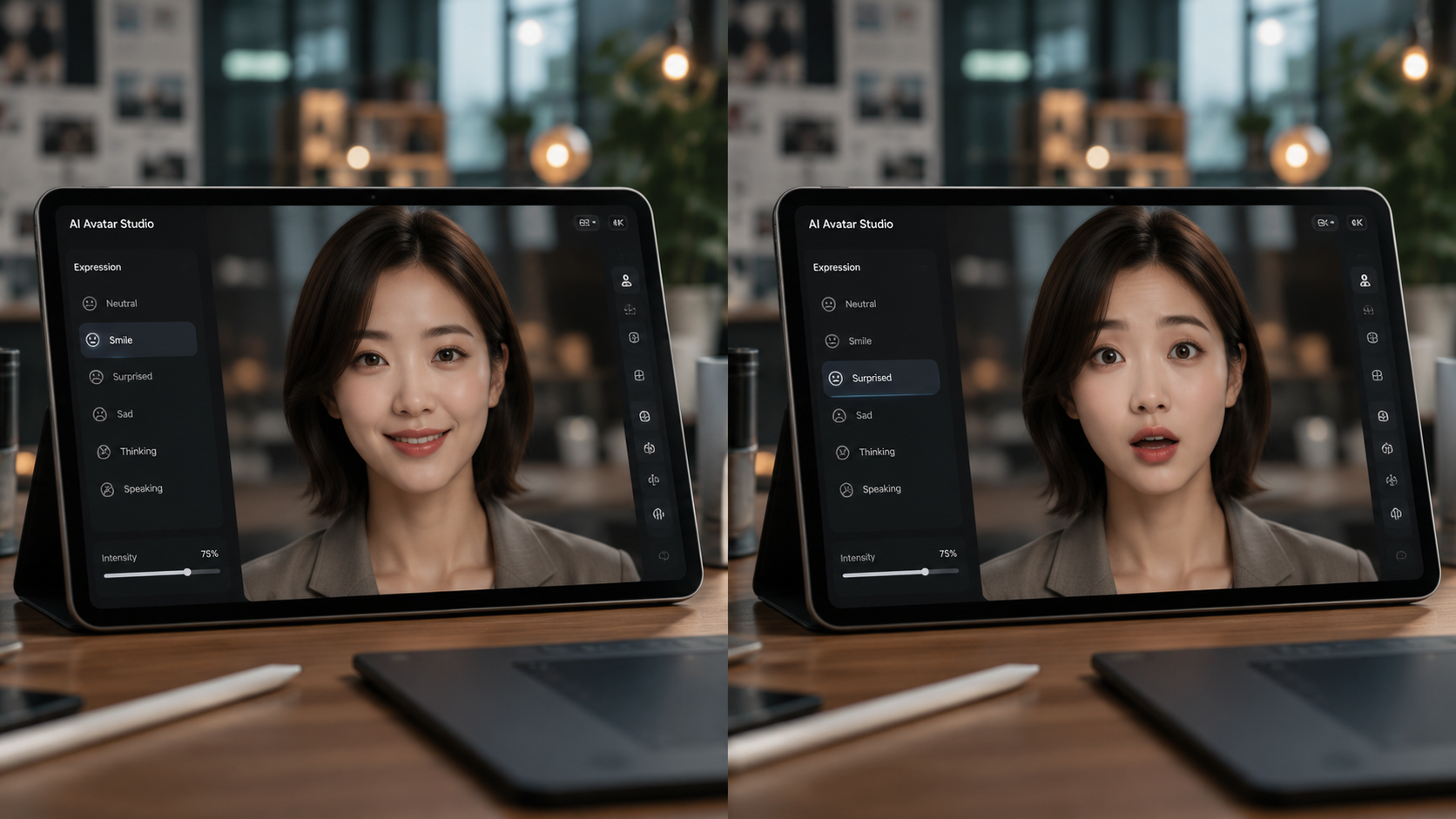
The technical gap between these platforms in 2026 is defined by their rendering engines. HeyGen’s latest updates, as noted by Geeky Gadgets, focus on solving the "biggest problem with AI videos"—stiffness. Their generative frames now predict body language based on the sentiment of the text. If the script is exciting, the avatar’s eyes widen and hand gestures become more frequent. This level of semantic-aware animation is currently a hallmark of the HeyGen ecosystem.
D-ID maintains its edge through its proprietary "Creative Reality™ Studio." In 2026, this studio has been upgraded to support instant 3D-from-2D conversion. You can upload a single portrait, and D-ID’s engine creates a 3D mesh that allows for slight head turns and depth perception that was previously impossible with flat images. For developers, D-ID’s API documentation remains the gold standard, offering extensive SDKs for mobile and web applications.
| Feature | HeyGen (2026) | D-ID (2026) |
|---|---|---|
| Primary Tech | Avatar V Neural Rendering | Live Streaming Text-to-Video |
| Best For | Marketing & Training Videos | Real-time Chatbots & APIs |
| Video Quality | Up to 4K Ultra HD | Up to 1080p (Optimized for Web) |
| Avatar Customization | High-fidelity Digital Twins | Photo-to-Avatar & 3D Stylization |
| Language Support | 140+ with Voice Cloning | 120+ with Emotional Synthesis |
| Pricing Model | Credit-based (Premium focus) | Tiered Subscription & API Usage |
HeyGen: The King of Professional Marketing Content
According to autogpt.net, HeyGen has become the "everything" tool for video creators in 2026. Their focus on the enterprise sector has led to features like "Team Workspaces" and "Brand Kits," which allow large organizations to maintain visual consistency across thousands of generated videos. The ability to swap outfits on avatars with a single click—using AI-generated fashion—has also made it a favorite for retail and e-commerce brands.
The heygen vs d-id comparison 2026 often highlights HeyGen's superior voice cloning. While both platforms offer cloning, HeyGen’s "Instant Clone" feature requires only 30 seconds of audio to produce a replica that captures the speaker's unique cadence and regional accent. In 2026, they introduced "Cross-Lingual Emotional Transfer," meaning if you record an angry clip in English, the AI can replicate that exact anger in a Japanese or German version of the video.
The Power of Avatar V Technology
Avatar V is the breakthrough that redefined the industry this year. Unlike previous versions that felt like "masks" over a video, Avatar V uses a generative model to rebuild the human form in every frame. This allows for complex interactions, such as the avatar holding a product or interacting with a virtual background. Cybernews reports that this technology has reduced the "bounce rate" of video ads by 40% because viewers no longer immediately perceive the content as AI-generated.
D-ID: The Leader in Interactive Digital Humans
D-ID’s strength lies in its speed and versatility. While HeyGen videos can take several minutes to render, D-ID has optimized its pipeline for "Zero-Latency" output. This is critical for the 2026 trend of AI-driven customer service. When a user speaks to an AI agent on a website, D-ID generates the visual response in real-time, creating a seamless conversation. This makes D-ID the primary choice for telecommunications and banking sectors where instant interaction is required.
Furthermore, D-ID’s integration with LLMs (Large Language Models) is more deeply embedded than its competitors. Users can build a "Brain" for their avatar directly within the D-ID interface, connecting it to their company’s knowledge base. This creates a turnkey solution for businesses wanting to deploy a 24/7 digital representative without needing a separate team of developers to bridge the gap between the AI’s "thoughts" and its "speech."
API and Developer Ecosystem
For those looking at the heygen vs d-id comparison 2026 from a technical perspective, D-ID’s API is significantly more robust for high-scale applications. It supports webhooks, real-time streaming, and mass-personalization features that allow a single video template to be rendered with 10,000 different names in a matter of minutes. This "Mass Personalization" is why D-ID remains a favorite for email marketing campaigns where every recipient receives a video of an avatar saying their name.
Pricing and Value for Money in 2026
Pricing structures for AI video have matured significantly. In 2026, both platforms have moved away from confusing "per-minute" billing toward more transparent "value-based" tiers. HeyGen typically positions itself as a premium service. Their "Creator" and "Business" plans are priced higher than the market average, but they justify this with the inclusion of 4K rendering and advanced editing features that eliminate the need for third-party software like Adobe Premiere.
D-ID offers a more accessible entry point for hobbyists and small businesses. Their "Lite" plan allows for a high volume of shorter, lower-resolution videos, which is perfect for social media content creators. However, their enterprise API pricing can scale quickly, as they charge based on "interaction seconds" for their live-streaming services. According to The Hans India, new competitors like Zoice are putting pressure on D-ID’s pricing, leading to more aggressive discounts for long-term contracts in 2026.
Which Platform Offers Better ROI?
Studies show that for internal training and corporate communications, HeyGen offers a higher ROI due to the sheer quality of the avatars, which leads to better employee engagement. For customer-facing applications and high-frequency social media posting, D-ID’s lower cost-per-video and faster turnaround time make it the more economically viable option for most small-to-medium enterprises (SMEs).
Conclusion: The Verdict for 2026
In the heygen vs d-id comparison 2026, there is no single "winner," but there is a "right choice" for your specific use case. HeyGen has won the battle for visual fidelity and cinematic storytelling. It is the tool you use when the video is the product. D-ID has won the battle for utility and integration. It is the tool you use when the video is the interface.
As AI continues to evolve, both platforms are moving toward a future where "video generation" is just one part of a larger "AI Identity" ecosystem. Whether you choose HeyGen for its stunning Avatar V realism or D-ID for its unmatched interactive capabilities, you are investing in the cutting edge of human-computer interaction. For most professional creators in 2026, a hybrid approach—using HeyGen for high-stakes marketing and D-ID for automated customer touchpoints—is the most effective strategy.
Is HeyGen or D-ID better for YouTube creators?
HeyGen is generally better for YouTube creators because of its 4K output and superior "Avatar V" gestures, which keep viewers engaged longer. D-ID is better suited for creators who need to produce a high volume of short-form "talking head" clips quickly.
Can I use my own voice in both platforms?
Yes, both platforms support high-quality voice cloning in 2026. HeyGen’s cloning is often cited as being more natural for long-form narration, while D-ID offers better emotional control for short, punchy sentences.
Which platform is easier for beginners?
HeyGen offers a more intuitive, drag-and-drop "Canva-like" interface which is easier for beginners. D-ID is user-friendly but its true power lies in its API and developer tools, which require a bit more technical knowledge to maximize.
Do these tools support real-time translation?
Yes, both tools feature instant translation and lip-syncing for over 120 languages. You can upload a video in English, and both HeyGen and D-ID can output that same video in Spanish or French with the lips perfectly matched to the new language.
Are AI-generated videos labeled as "AI" in 2026?
Yes, both platforms adhere to the 2026 industry standards for AI transparency, automatically embedding digital watermarks and metadata (C2PA) to identify the content as AI-generated for ethical purposes.



Comments ()