
Google YouTube Shorts AI Video: The 2026 Ultimate Guide
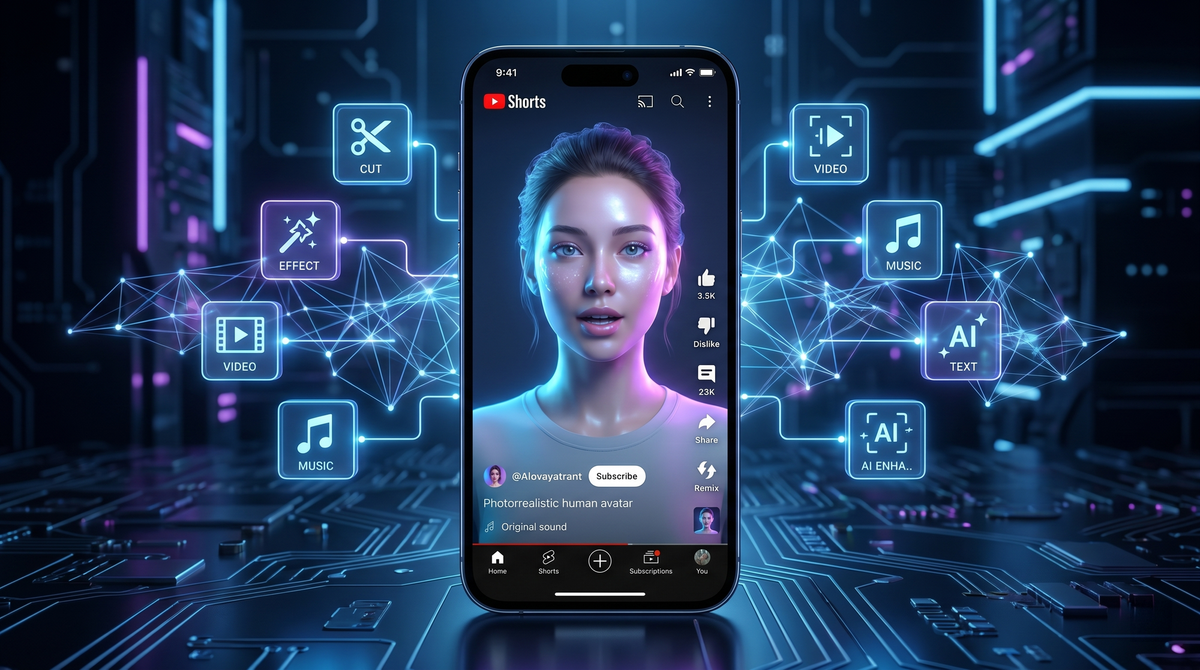
The landscape of digital storytelling has undergone a seismic shift in 2026, driven primarily by the integration of sophisticated generative models into the world's most popular video platforms. As creators look for more efficient ways to engage audiences, the rise of google youtube shorts ai video technology has become the focal point of the creator economy. By combining Google’s massive compute power with the viral nature of short-form vertical video, the barrier to entry for high-production content has effectively vanished. Whether you are a seasoned YouTuber or a newcomer, understanding how these AI tools function is no longer optional—it is the key to remaining competitive in an increasingly automated feed.
Google YouTube Shorts AI video is a suite of creative tools powered by the Veo 3 generative model that allows users to create high-definition video clips, generate hyper-realistic digital avatars, and clone their own voice and likeness to automate content production directly within the YouTube mobile application as of 2026.
- ✓ Google has integrated the Veo 3 model directly into the YouTube Shorts creation flow for seamless video generation.
- ✓ New AI-generated avatars allow creators to "deepfake" themselves, cloning their look and voice for automated narration.
- ✓ Advanced safety features and digital watermarking are now standard for all AI-generated content on the platform.
- ✓ Real-time editing tools allow for text-to-video background swaps and cinematic style transfers.
The Evolution of Google YouTube Shorts AI Video in 2026
The journey toward fully integrated AI video creation reached a milestone in late 2025 and early 2026. According to the YouTube Official Blog (September 2025), the platform began unpacking a new suite of creative tools designed to democratize high-end visual effects. What started as simple green-screen replacements has evolved into a comprehensive generative ecosystem. Today, creators use these tools not just for fun filters, but as the primary engine for their content strategy, allowing for 24/7 presence without the need for constant filming.
The most significant leap forward came with the deployment of Veo 3. This model, according to blog.google (November 2025), was initially optimized for regional markets like MENA before seeing a global rollout. Veo 3 understands complex physics and lighting, ensuring that when you generate a background or an object for your Short, it looks indistinguishable from reality. This level of fidelity has transformed YouTube Shorts from a place for casual clips into a powerhouse for high-concept digital art and automated storytelling.
Key Features of the Veo 3 Integration
Veo 3 represents the third generation of Google’s video-focused neural networks. Unlike its predecessors, it is designed for speed and verticality. It can generate 6-second high-definition clips in under thirty seconds, which is the perfect duration for the fast-paced environment of Shorts. Additionally, the model supports "Dream Screen," a feature that allows creators to type a prompt and see a fully realized cinematic background wrap around them in real-time.
AI Avatars: Cloning Your Look and Voice
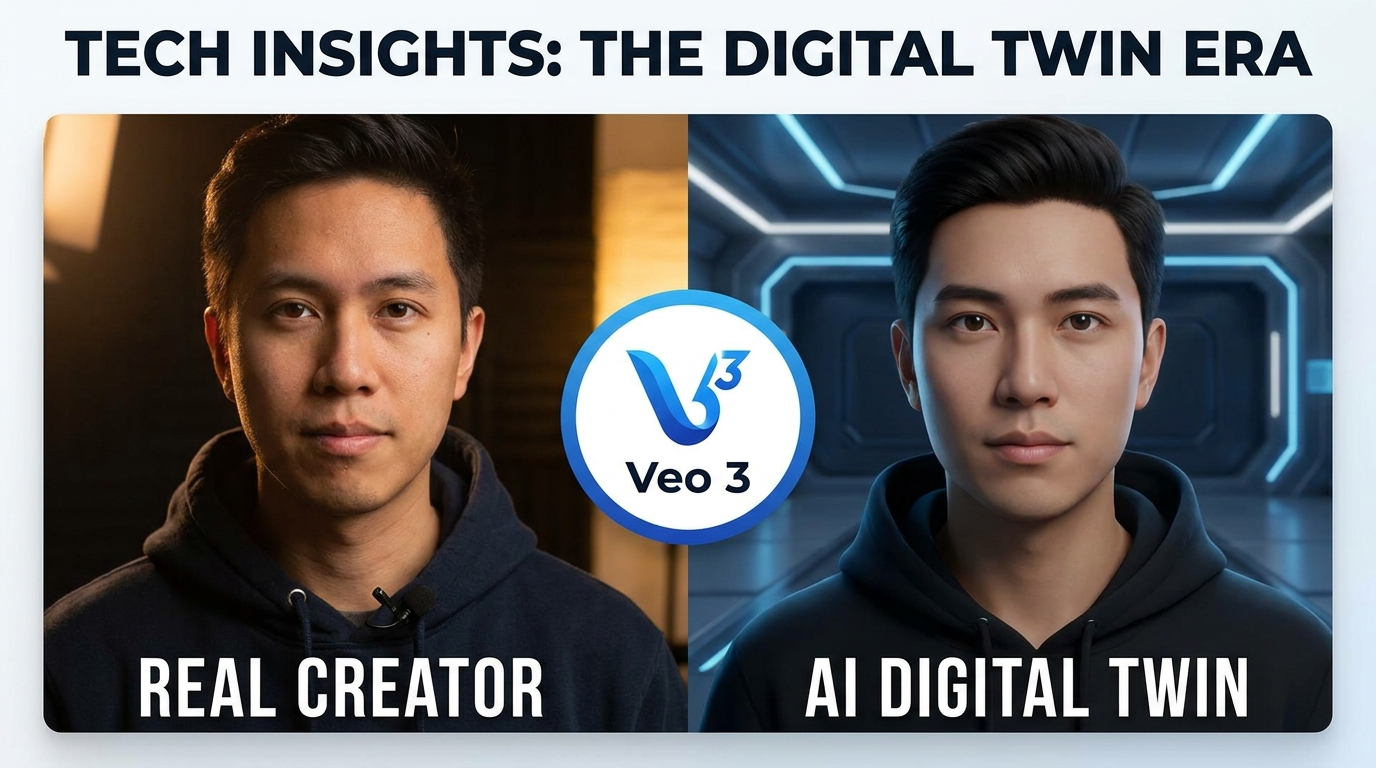
Perhaps the most talked-about update in 2026 is the introduction of AI-generated avatars. As reported by Engadget (April 2026), Google now allows creators to build digital twins that can stand in for them in videos. These avatars are not just static images; they are dynamic, rigged models that mimic the creator's unique facial expressions and body language. This technology has sparked a massive debate regarding the future of authenticity, yet its utility for creators managing multiple channels is undeniable.
According to HotHardware (April 2026), these avatars go beyond visuals—they also include voice cloning. By providing a small sample of audio, a creator can have their AI avatar read scripts in their own voice, complete with natural intonation and emotional range. This allows for the production of "faceless" content that still maintains the personal brand of the creator. While some critics, as noted by The Verge, suggest that Google is making it "easy to deepfake yourself," the platform has implemented strict biometric verification to ensure that only the rightful owner can clone their likeness.
The Technology Behind Digital Twins
The underlying tech uses a combination of NeRFs (Neural Radiance Fields) and advanced text-to-speech synthesis. When a creator records a setup video, the AI maps the geometry of their face and the nuances of their vocal cords. In the 2026 version of the YouTube app, this process takes less than five minutes. Once the profile is created, the creator simply inputs a script, and the **google youtube shorts ai video** engine handles the rest, rendering a video that looks like it was filmed in a professional studio.
Comparing AI Video Features on YouTube (2026)
To understand the full scope of the 2026 updates, it is helpful to look at the specific tools available to creators. The following table breaks down the core components of the AI suite now available within the YouTube Shorts creator studio.
| Feature Name | Primary Function | Model Used | Best For... |
|---|---|---|---|
| Dream Screen 2.0 | Generative Backgrounds | Veo 3 | Immersive storytelling |
| AI Avatar Pro | Likeness & Voice Cloning | Gemini Live Video | Automated narrations |
| Magic Edit | Object Replacement | Imagen Video | Fixing filming errors |
| Auto-Dub | Multi-language Voiceover | Universal Speech Model | Global audience reach |
How to Use Google YouTube Shorts AI Video Tools
Getting started with these tools is straightforward, as Google has integrated them directly into the "+" menu of the YouTube mobile app. To create an AI-driven Short, you first select the "Generate with AI" option. From there, you can choose to either generate a video from scratch using a text prompt or use your existing footage as a base for AI enhancement. The interface is designed to be intuitive, favoring natural language descriptions over complex technical settings.
For those looking to use the AI avatar feature, the process involves a one-time "Persona Setup." This requires a series of head movements and reading a short script to ensure the AI captures your essence accurately. According to the WSJ (September 2025), Google’s emphasis has been on making these tools accessible to "the next billion creators," specifically those who may not have access to expensive cameras or lighting rigs but have a smartphone and a story to tell.
Optimizing Prompts for Better Results
To get the most out of the **google youtube shorts ai video** generator, specificity is key. Instead of prompting for "a sunset," try "a cinematic 8k sunset over a cyberpunk Tokyo skyline with neon reflections on wet pavement." The Veo 3 engine thrives on descriptive adjectives and lighting cues. Creators are finding that the more they treat the AI as a cinematographer rather than just a search engine, the better the final output becomes.
Safety, Ethics, and Labeling in 2026
With the power to create hyper-realistic deepfakes comes significant responsibility. Google has been proactive in addressing the ethical concerns surrounding AI-generated content. Every video created using these tools is automatically embedded with a digital watermark (SynthID) that is invisible to the human eye but detectable by software. Furthermore, YouTube requires a clear "Generated with AI" label to be displayed on the video player for any content that features realistic synthetic people or events.
According to research from the 2026 Digital Integrity Report, over 70% of viewers feel more comfortable watching AI content when it is clearly labeled. Google’s commitment to transparency helps maintain trust on the platform. Additionally, the AI avatar tool is locked behind two-factor authentication and biometric locks, preventing unauthorized users from creating deepfakes of popular influencers without their consent. This balance of innovation and security is what has allowed the 2026 AI rollout to be largely successful despite initial public skepticism.
Frequently Asked Questions
Is the Google YouTube Shorts AI video tool free to use?
Yes, as of 2026, the basic generative features and Dream Screen are free for all creators, though some high-resolution rendering and advanced avatar features may require a YouTube Premium or Creator Studio Pro subscription.
Can I use my AI avatar to monetize my channel?
Absolutely. YouTube's 2026 monetization policies allow for AI-generated content to earn ad revenue, provided the content complies with community guidelines and is properly labeled as synthetic.
What is the maximum length of an AI-generated video?
While YouTube Shorts are limited to 60 seconds, the generative AI tools currently allow you to create individual clips up to 10 seconds long, which can then be stitched together seamlessly within the editor.
Does the AI clone my voice in other languages?
Yes, the 2026 Auto-Dub feature allows your cloned voice to speak in over 40 different languages while maintaining your unique vocal characteristics and tone.
Will using AI video hurt my reach in the algorithm?
No, the YouTube algorithm prioritizes engagement and watch time. Google has stated that AI-generated content is treated the same as traditional content, as long as it provides value to the viewer.
Conclusion: The Future of Short-Form Content
The integration of google youtube shorts ai video marks a turning point in how we define "creativity." In 2026, the focus has shifted from the technical ability to film and edit toward the imaginative ability to prompt and direct. As tools like Veo 3 and AI avatars become more sophisticated, the distinction between human-captured and AI-generated content will continue to blur, making the platform a more diverse and visually stunning space for audiences worldwide.
For creators, the message is clear: embrace the tools or risk being left behind. The ability to produce high-quality, localized, and consistent content at scale is a superpower that was previously reserved for major studios. In 2026, that power sits directly in the palm of your hand, inside the YouTube Shorts app. As we move forward, the most successful creators will be those who find the perfect harmony between human heart and artificial intelligence.
Comments ()