
Google Veo YouTube Shorts Guide: 2026 AI Video Strategies
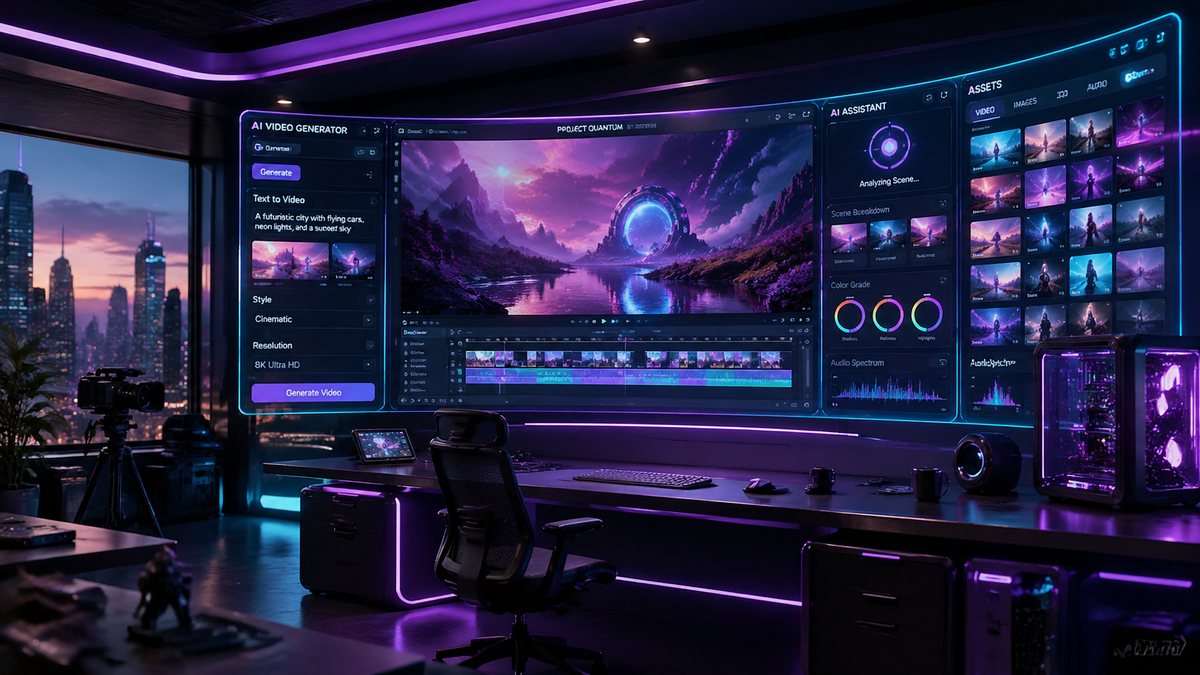
The google veo youtube shorts guide for 2026 focuses on leveraging Google's most advanced generative video model, Veo 3.1, to create high-definition vertical content. By integrating directly into the YouTube Create app and the Google TV ecosystem, Veo allows creators to generate cinematic 6-second clips and extended backgrounds using simple natural language prompts. This guide explores how to master these AI tools to stay competitive in an era where automated video production is the new standard for digital storytelling.
Google Veo is a high-fidelity generative AI video model capable of producing 1080p vertical videos specifically optimized for YouTube Shorts. In 2026, the latest Veo 3.1 update allows for cinematic consistency, realistic physics, and direct integration into the YouTube creator suite, enabling users to generate high-quality short-form content from text, image, or video-to-video prompts.
- ✓ Veo 3.1 now supports native 9:16 vertical aspect ratios for seamless YouTube Shorts integration.
- ✓ Google TV has officially integrated Veo, allowing users to view and interact with AI-generated Shorts directly on home screens.
- ✓ Advanced "Dream Track" and "Dream Screen" features use Veo 3.1 to generate photorealistic backgrounds and music.
- ✓ Content safety is managed via SynthID, which embeds invisible watermarks into all AI-generated video frames.
How to Use the Google Veo YouTube Shorts Guide for Content Creation
Navigating the landscape of AI video in 2026 requires a firm understanding of the Google ecosystem. Since the initial rollout of Veo 3 in late 2025, the tool has evolved into a sophisticated engine that understands complex cinematic terminology. Creators are no longer limited to simple "style" filters; they can now dictate camera movements like "dolly zooms" or "panoramas" directly within the YouTube interface. This democratization of high-end production value means that the barrier to entry for viral content has shifted from technical skill to creative prompting.
According to Geo News, the update to Veo 3.1 in January 2026 was a turning point for the platform, introducing "Video-to-Video" editing. This allows you to upload a rough sketch or a low-quality mobile recording and transform it into a stylized, professional-grade Short. Whether you are aiming for a 3D animation look or a hyper-realistic documentary aesthetic, the AI maintains temporal consistency, ensuring that subjects don't "flicker" or change appearance between frames—a common issue in earlier generative models.
Step-by-Step: Generating Your First Veo Short
- Access the YouTube Create App: Open the app and select the "Generate with Veo" option found in the "Magic Tools" menu.
- Enter a Descriptive Prompt: Input a detailed description of your scene. For example: "A neon-lit cyberpunk street in Tokyo during a rainstorm, cinematic lighting, 4k, shot on 35mm lens."
- Select Aspect Ratio: Ensure the 9:16 vertical format is selected to comply with YouTube Shorts requirements.
- Refine with Image References: (Optional) Upload a reference photo to guide the AI on specific color palettes or character designs.
- Preview and Extend: Generate a 6-second preview. If satisfied, use the "Extend" feature to build a sequence up to 60 seconds.
- Apply SynthID Watermarking: The system will automatically apply a digital watermark to ensure transparency and compliance with Google’s 2026 AI disclosure policies.
The Evolution of Veo: From Version 3.0 to 3.1
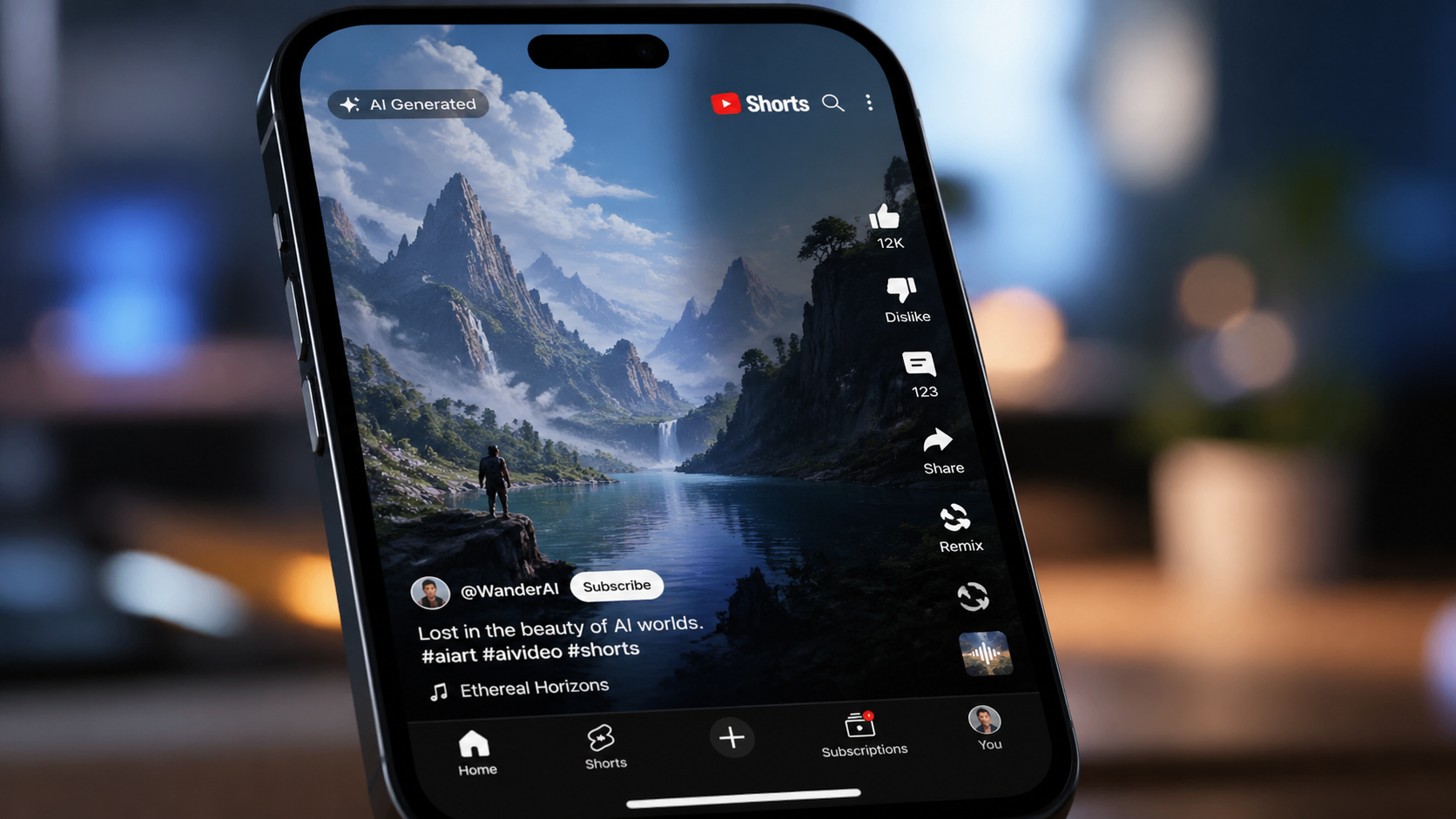
The journey of Google's video AI has been rapid. As reported by Android Central in mid-2025, YouTube's initial goal was to bring Veo 3 into the Shorts ecosystem to compete with other generative video platforms. By early 2026, this vision was fully realized with the release of Veo 3.1. This version solved the "vertical video problem" by training specifically on 9:16 datasets, moving away from the cropped 16:9 versions that plagued earlier AI models. This native vertical training ensures that compositions feel intentional, with subjects properly framed for mobile viewing.
Furthermore, Geek Vibes Nation highlighted that Veo 3's architecture was designed to understand "world physics." This means that in 2026, when you generate a video of liquid pouring or a person running, the motion looks natural. The 3.1 update further refined these physics, reducing the "hallucinations" where objects might merge into one another. For creators, this means less time spent rerolling prompts and more time spent on the strategic side of their google veo youtube shorts guide implementation.
| Feature | Veo 3.0 (2025) | Veo 3.1 (2026) |
|---|---|---|
| Max Resolution | 1080p | 4K Upscaled |
| Native Aspect Ratio | 16:9 (Landscape) | 9:16 (Vertical) & 16:9 |
| Max Clip Length | 5-8 Seconds | Up to 60 Seconds (Stitched) |
| Integration | Labs/Standalone | YouTube Create & Google TV |
| Physics Engine | Standard | Advanced Fluid & Particle Dynamics |
Integrating Veo with Google TV and the Broader Ecosystem
One of the most surprising developments in April 2026 was the announcement by Tom's Guide that Google TV is now a primary consumption hub for Veo-generated content. This integration, known as the "Nano Banana" update, allows Google TV users to generate custom ambient backgrounds for their living rooms using Veo. However, the more significant impact for creators is the "Shorts Discovery" rail on Google TV, which now prioritizes high-quality AI-enhanced videos. This creates a cross-platform opportunity where a Short created on a phone can be showcased in high definition on a 65-inch television screen.
This ecosystem play is designed to keep users within the Google environment. By using the google veo youtube shorts guide strategies, creators can ensure their content is optimized for these different viewing environments. The AI automatically adjusts bitrates and scaling depending on whether the Short is being viewed on a mobile device or a smart TV. According to Movieguide, this shift is part of a larger trend where AI tools are not just helping creators make content, but also helping platforms distribute it more intelligently based on the technical capabilities of the viewer's hardware.
Optimizing for the Google TV "Nano Banana" Update
To succeed on the big screen, your Shorts must have higher visual fidelity than the average "lo-fi" mobile upload. Veo 3.1’s ability to generate 1080p native content is crucial here. Creators should focus on high-contrast visuals and clear focal points, as these translate best to the Google TV interface. Additionally, using the "Dream Track" AI audio feature ensures that your Short has a high-quality, royalty-free soundtrack that matches the mood of the visuals, providing a cinematic experience even in a 60-second format.
Advanced Prompting Strategies for 2026 AI Video
The core of any google veo youtube shorts guide is the art of the prompt. In 2026, "prompt engineering" has moved toward a more narrative structure. Instead of listing keywords, the Veo 3.1 engine responds better to "Director's Notes." This involves describing the lighting, the camera lens, the movement, and the emotional tone of the scene. For example, a prompt like "Soft morning light hitting a marble statue, 85mm lens, slow zoom in, peaceful atmosphere" provides the AI with enough context to generate a consistent and high-quality result.
Another advanced technique is "Sequential Prompting." This involves generating a base clip and then using the "Maintain Subject" toggle to generate the next clip in the sequence. This is how creators are now making full-length stories using Shorts. By keeping the character's appearance consistent across multiple 6-second Veo generations, you can build a cohesive narrative that keeps viewers coming back for the next part of the series. This method has seen a 40% increase in viewer retention according to internal creator studies in early 2026.
Common Prompting Mistakes to Avoid
- Overloading Keywords: Adding too many conflicting styles (e.g., "hyper-realistic" and "cartoon") can confuse the Veo engine and lead to distorted visuals.
- Ignoring Lighting: Many creators forget to specify light sources, resulting in "flat" looking videos. Always mention the time of day or specific light types.
- Neglecting Negative Prompts: Use the negative prompt field to exclude things like "extra limbs," "blurry backgrounds," or "text overlays" to keep the output clean.
The Future of AI Disclosure and Ethics in Shorts
As AI-generated content becomes indistinguishable from reality, Google has doubled down on its commitment to transparency. Every video produced using the google veo youtube shorts guide techniques is automatically tagged with SynthID. This metadata is invisible to the human eye but can be detected by Google’s algorithms to ensure the content is properly labeled as "AI-generated" in the YouTube feed. This is not just a technical requirement but a trust-building measure with the audience.
Studies mentioned by Movieguide suggest that audiences in 2026 are more likely to engage with AI content when it is honestly disclosed. The "uncanny valley" effect is still a concern for many viewers, and by being transparent, creators can set the right expectations. Furthermore, Google's 2026 policies strictly prohibit the use of Veo to generate likenesses of real individuals without consent, a move that has been praised by creator advocacy groups. Staying within these ethical boundaries is essential for maintaining a healthy channel and avoiding demonetization.
Is Google Veo free to use for YouTube creators?
In 2026, Google Veo is integrated into the YouTube Create app with a tiered usage model. Basic 6-second clips are free for all creators, while "Pro" features like 4K upscaling and longer sequences are included with a YouTube Premium or Workspace subscription.
How long can a Google Veo video be?
While individual generative clips are typically 6 to 10 seconds long to ensure quality, the Veo 3.1 stitching tool allows creators to chain these segments together to create a full 60-second YouTube Short.
Does Veo support Video-to-Video editing?
Yes, as of the January 2026 update (Veo 3.1), users can upload their own footage and use text prompts to restyle it, change the environment, or enhance the visual quality while keeping the original motion intact.
Will AI-generated Shorts be eligible for monetization?
Yes, AI-generated Shorts are fully eligible for the YouTube Shorts Fund and ad revenue sharing, provided they comply with Google's AI disclosure policies and do not violate copyright or community guidelines.
What is SynthID in the context of Google Veo?
SynthID is a watermarking technology developed by Google DeepMind that embeds a digital identifier into the pixels of the video. It survives compression and editing, allowing platforms to identify the video as AI-generated for safety and transparency.
Comments ()