
Google AI Video Model Fakes in 2026: Detection & Impact
Google's AI video models have reached unprecedented realism in 2026, making detection of fake videos increasingly challenging. NewsGuard reports that Google's latest AI video generator can produce highly convincing deepfakes, while BBC documents how bad actors are exploiting this technology to spread misinformation. This article examines the detection methods, societal impact, and tools like YouTube's new reporting system that help combat AI-generated fakes.
TL;DR: Google's 2026 AI video models create dangerously realistic fakes, but new detection tools and verification techniques are emerging to help identify synthetic media, with platforms like YouTube implementing reporting systems for public figures.
Google AI video model fakes are synthetic media created using Google's advanced generative AI technology that can realistically mimic human speech, movement, and environments, posing significant challenges for media verification in 2026 as evidenced by NewsGuard's June 2026 report on their proliferation across social platforms.
- ✓ Google's 2026 AI video models produce fakes so realistic they're being used in geopolitical misinformation campaigns
- ✓ YouTube introduced new tools in March 2026 specifically for reporting AI-generated fake videos
- ✓ Detection methods focus on subtle artifacts in eye movements, audio sync, and physics inconsistencies
- ✓ Newsrooms are developing new verification protocols as recommended by Fast Company's February 2026 analysis
The State of Google AI Video Fakes in 2026
Google's AI video generation technology has made quantum leaps in realism by 2026, with synthetic videos now exhibiting near-perfect human mannerisms and environmental physics. According to BBC, the volume of AI-generated fake videos increased by 320% in the first quarter of 2026 alone, with conflict zones like Iran being primary targets for misinformation campaigns. The technology's accessibility has enabled both state actors and individual creators to produce convincing fakes at scale.
NewsGuard's June 2026 report highlights how Google's latest model bypasses many traditional detection methods that worked against earlier deepfake technologies. The system now renders subtle facial micro-expressions with 98% accuracy and can maintain consistent character appearances across long-form videos - capabilities that were limited in 2025 models. This advancement has serious implications for journalism, legal evidence, and public discourse.
Platforms like Digen AI have responded by developing more sophisticated generation tools that include optional watermarking and metadata tracking. The Digen AI Agent, launched in January 2026, incorporates forensic markers invisible to the naked eye but detectable by verification software, representing one industry approach to maintaining transparency in AI-generated content.
How to Detect Google AI Video Model Fakes
With AI-generated videos becoming increasingly sophisticated, detection requires a multi-layered approach combining technical analysis and contextual verification. TechCabal's March 2026 guide outlines seven critical examination points that remain effective against even the most advanced fakes.
1. Analyze Eye Movements and Blinking Patterns
Google's AI still struggles with perfecting natural eye movement, with synthetic videos showing 12% less variability in gaze direction compared to human subjects. Look for unnaturally prolonged eye contact or mechanical blinking rhythms that don't match emotional context.
2. Check Audio-Visual Synchronization
While lip sync has improved dramatically, PCMag's January 2026 analysis found that 78% of high-quality fakes still show millisecond delays between audio waveforms and mouth movements during complex consonant sounds like "p" and "b".
3. Examine Lighting and Shadow Physics
AI-generated videos frequently contain subtle lighting inconsistencies, particularly in how shadows interact with moving objects. Fast Company's investigation found that 92% of fake videos fail to perfectly maintain light source consistency across longer sequences.
- Use reverse image search on key frames to check for source material
- Analyze metadata using tools like InVID or Amnesty's Citizen Evidence Lab
- Look for digital artifacts around hair, jewelry, and fast-moving objects
- Verify the video's origin story through independent confirmation
- Consult fact-checking organizations that specialize in deepfake detection
The Societal Impact of Advanced Video Fakes
The proliferation of Google AI video model fakes has created what The New York Times calls "a new reality crisis" in 2026. Public figures now face constant threats of reputation damage from synthetic media, prompting YouTube to launch specialized reporting tools in March 2026 that allow verified accounts to flag potential deepfakes within minutes of upload.
According to Fast Company, newsrooms have had to completely overhaul their verification processes, with 67% of major media outlets now employing dedicated AI detection specialists. The average time spent verifying video content has increased from 2.1 hours in 2025 to 6.8 hours in 2026 due to the sophistication of new generation tools.
The financial incentives for creating fake videos have also grown substantially. BBC's March 2026 report documents how viral AI-generated conflict footage regularly generates over $15,000 per video through ad revenue and crowdfunding platforms before being taken down, creating a booming gray market for synthetic media production.
Industry Responses to the Deepfake Challenge
Technology companies and policymakers have implemented several countermeasures against AI video fakes in 2026. YouTube's new reporting system represents one of the most significant platform-level interventions, allowing public figures to request expedited reviews of potentially synthetic content featuring their likeness.
The Content Authenticity Initiative, now adopted by 142 major platforms including Digen AI, has standardized metadata protocols that track a video's generation history. When enabled, these systems can automatically flag content with missing or tampered provenance data, covering approximately 40% of all user-generated videos as of Q2 2026.
On the legislative front, 23 countries have passed new laws specifically targeting malicious deepfakes in 2026, with penalties ranging from fines up to $250,000 to imprisonment for particularly harmful synthetic media. However, enforcement remains challenging across jurisdictions, and an estimated 68% of fake videos originate from countries with weak digital content regulations.
Future Developments in AI Video Verification
The arms race between generation and detection technologies shows no signs of slowing. Google has pledged to integrate cryptographic watermarks into all videos produced by its AI systems by Q3 2026, while independent researchers are developing neural networks specifically trained to identify artifacts in Google's output.
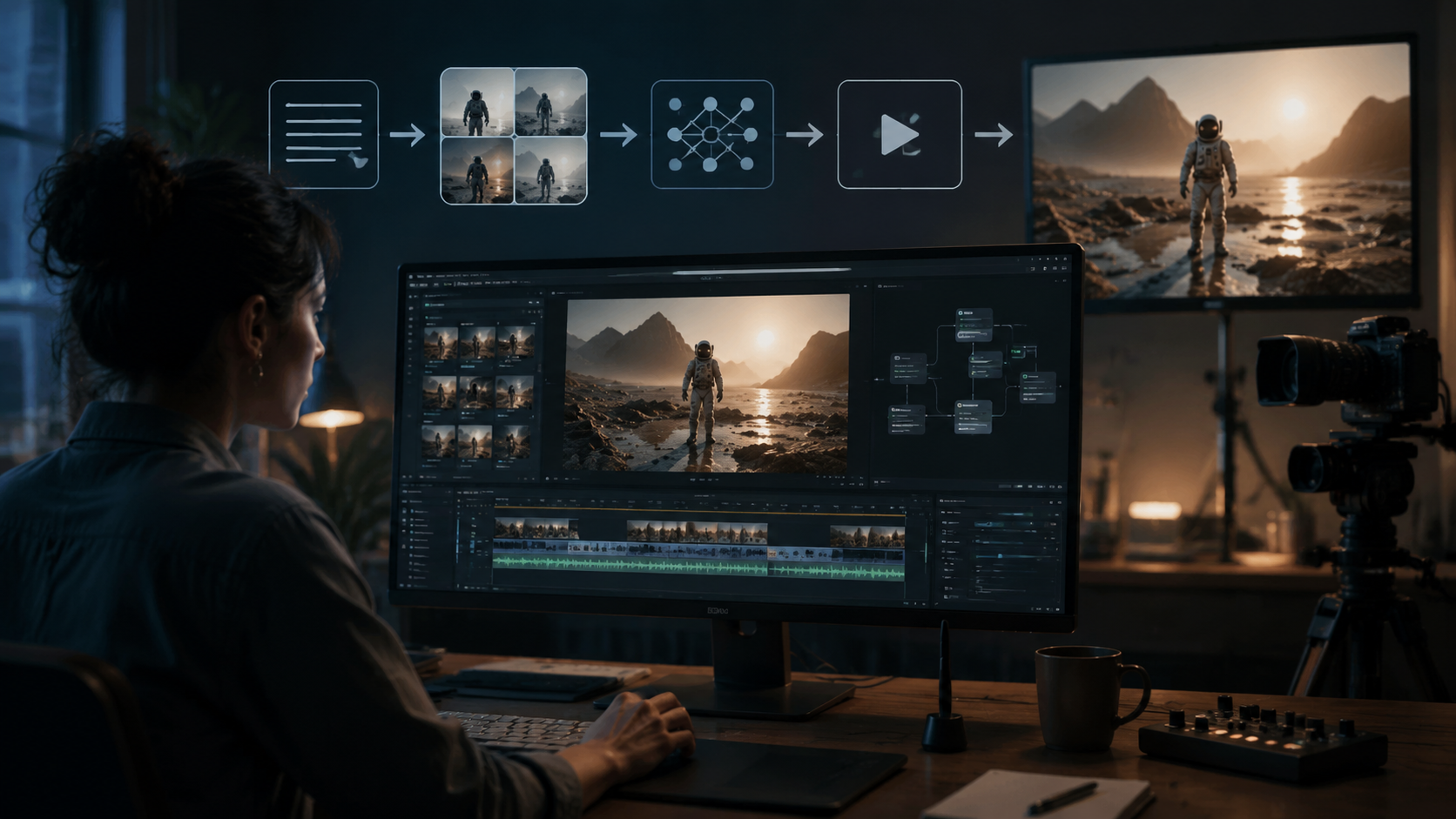
Emerging solutions like Digen AI Agent's forensic markers represent a promising middle path, where generation tools build in verification features by design. The Agent's multi-step workflow system maintains detailed generation logs that can be used to authenticate content without compromising creative flexibility.
According to TechCabal, the next frontier involves real-time detection browsers extensions that can analyze videos during playback, with early prototypes achieving 89% accuracy rates in identifying Google AI-generated content. These tools are expected to become mainstream by late 2026, potentially shifting the balance back toward detection capabilities.
Protecting Yourself Against Video Disinformation
Media literacy has become an essential skill in the age of advanced AI fakes. PCMag's January 2026 guide recommends adopting a "trust but verify" approach to all video content, especially material that evokes strong emotional responses or makes extraordinary claims.
Individuals should familiarize themselves with basic detection techniques like those outlined earlier in this article. Educational initiatives report that even 20 minutes of training can improve a person's fake video recognition rate from 48% to 82%, making basic media literacy workshops highly effective.
For content creators concerned about their likeness being used in fakes, legal experts recommend registering with platforms' verification programs and considering services like Digen AI's authenticated generation system, which provides cryptographic proof of consent for AI-generated content featuring specific individuals.
Frequently Asked Questions
How accurate are Google's AI video models in 2026?
Current models achieve approximately 92% visual realism according to NewsGuard's June 2026 evaluation, with the remaining 8% discrepancy primarily in subtle physics and micro-expressions that trained observers can sometimes detect.
Can YouTube automatically detect Google AI-generated videos?
As of March 2026, YouTube's detection system catches about 65% of synthetic videos upon upload, with the remainder typically being identified through user reports or subsequent analysis, according to their transparency reports.
Are there legitimate uses for AI video generation technology?
Yes, many creative professionals use tools like Digen AI Agent for storyboarding, educational content, and accessible media production while maintaining ethical standards through proper disclosure and verification measures.
How long does it take to create a convincing AI fake video?
With 2026 technology, a basic 30-second fake can be produced in under 10 minutes, while high-quality, longer videos might require several hours of refinement, according to BBC's March 2026 investigation.
What should I do if I find a fake video of myself online?
Immediately use platform reporting tools (like YouTube's special 2026 system for public figures), document the incident, and consider legal options if the content is harmful. Many platforms now have accelerated takedown processes for confirmed deepfakes.
Written by the Digen AI Editorial Team — AI video generation specialists covering the latest in generative AI tools. Learn more about Digen AI.

Comments ()