
10 Best Generative AI Video Tools for Marketing in 2026
The best generative ai video tools for marketing in 2026 are specialized software platforms that use advanced neural networks to convert text, images, or data into high-quality video content for social media, advertising, and internal communications. These tools allow marketing teams to scale video production by automating complex tasks like cinematography, lip-syncing, and scene composition, significantly reducing the cost and time required for traditional video shoots.
Generative AI video tools for marketing are AI-powered platforms that automate the video creation process, enabling brands to generate realistic avatars, cinematic B-roll, and personalized product ads from simple text prompts. In 2026, these tools focus on multimodal consistency and hyper-personalization, helping enterprise brands like Mondelez and eBay navigate the shift toward automated social media storytelling.
- ✓ AI video tools can reduce marketing production costs by up to 40% for global brands.
- ✓ Text-to-video technology has reached a cinematic $1.3 billion valuation milestone in 2026.
- ✓ Real-time personalization is the primary driver for AI video adoption in e-commerce.
- ✓ Marketers are prioritizing tools that offer consistent brand identity across AI-generated frames.
The Evolution of Generative AI Video Tools for Marketing in 2026
As we navigate through 2026, the landscape of digital storytelling has shifted from manual editing to prompt-based orchestration. Marketing departments are no longer just hiring videographers; they are looking for AI prompts and creative directors who can harness the power of generative ai video tools for marketing. This transition was accelerated by a series of technological breakthroughs in late 2025, where temporal consistency—the ability for an AI to keep a character's face the same across different shots—was finally perfected for commercial use.
According to research from ADWEEK, the industry saw a massive influx of capital in early 2026, highlighted by a $1.3 billion valuation for startups specializing in high-end celebrity AI avatars. This technology was famously utilized in early 2026 for high-profile projects involving Madonna and Will Smith, proving that AI video is no longer a "budget" alternative but a premium choice for global icons and Fortune 500 brands alike. The focus has moved from "can it look real?" to "how fast can we personalize it for a million viewers?"
However, the journey hasn't been without its hurdles. Value Added Resource reports that major players like eBay have recently paused certain AI video features for social media sharing to reconsider how these tools integrate with seller marketing ecosystems. This highlights a critical trend for 2026: the need for ethical transparency and human-in-the-loop oversight to ensure that AI-generated content remains authentic to the brand's voice and compliant with evolving platform regulations.
How to Implement AI Video in Your Marketing Strategy
- Define your campaign objective and select a tool that specializes in your required output (e.g., realistic avatars vs. cinematic B-roll).
- Develop a "Base Prompt Library" that includes your brand's specific visual guidelines, color palettes, and tone of voice.
- Use a generative AI tool to create a pilot video, ensuring you use "seed" images to maintain character and environment consistency.
- A/B test the AI-generated content against traditional video assets to measure engagement and conversion rates.
- Review the output for "hallucinations" or visual artifacts before deploying the content across social media or paid ad channels.
Top 10 Generative AI Video Tools for Marketing
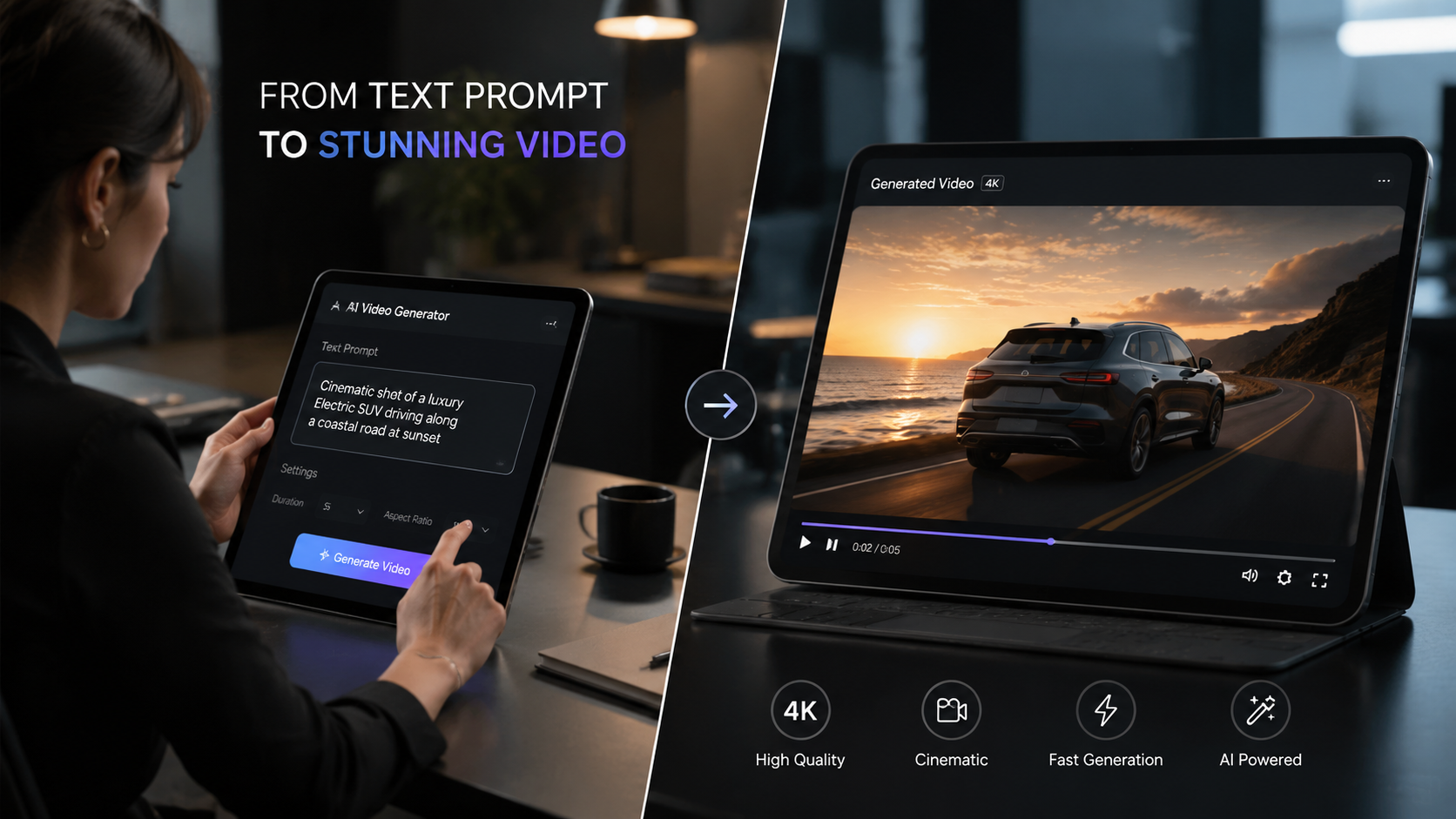
Choosing the right generative ai video tools for marketing requires an understanding of the specific niches each software fills. In 2026, the market is segmented into avatar-based presenters, cinematic scene generators, and data-driven product video creators. Marketers are increasingly ranking these tools based on their ability to integrate with existing CRM and DAM (Digital Asset Management) systems.
As noted by TechTarget in April 2026, the top 12 generative AI tools for marketing and sales now include specialized video engines that can ingest a product's SKU and automatically output a 15-second TikTok-style video. This level of automation is what allowed brands like Mondelez (the makers of Oreo) to announce significant marketing cost reductions in late 2025. By using these tools, they can generate thousands of localized variations of a single ad in minutes.
| Tool Name | Primary Marketing Use Case | Key Feature (2026) | Pricing Model |
|---|---|---|---|
| Runway Gen-4 | Cinematic Brand Storytelling | Multi-Motion Brush 2.0 | Subscription / Per Minute |
| HeyGen Pro | Personalized Sales Outreach | Instant Lip-Sync Translation | Tiered Enterprise |
| Sora for Business | High-End Social Media Ads | 60-second Continuous Shots | Invite Only / API |
| Synthesia 2026 | Internal Training & Explainers | Full-Body Expressive Avatars | Per User / Seat |
| Pika Labs Enterprise | Animation & Stylized Content | Sound Effect Auto-Sync | Freemium / Pro |
| Luma Dream Machine 2 | Realistic Product Showcases | 3D-to-Video Consistency | Credits-based |
| Kling AI Global | Long-form Narrative Content | 10-minute AI Generation | Monthly Subscription |
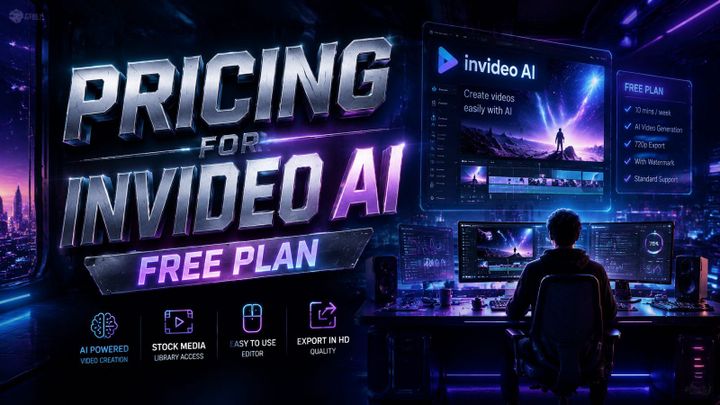
| InVideo AI | Rapid Social Media Scaling | Automated Script-to-Stock | Free / Premium |
| Colossyan Mind | Corporate Communications | Scenario-based Branching | Custom Enterprise |
| Veed.io Gen-Video | Quick Social Edits | AI Eye-Contact Correction | Subscription |
Deep Dive: High-Performance Generative AI Video Tools for Marketing
When analyzing the current market, TechRadar reported in April 2026 that after testing over 70 AI tools, the gap between consumer-grade apps and professional marketing suites has widened. The professional tools now offer "Brand Guardrails," which prevent the AI from generating any content that deviates from a company's hex codes or logo usage policies. This is vital for maintaining brand integrity in an automated world.
1. Runway Gen-4: The Creative Powerhouse
Runway continues to lead the creative frontier with its Gen-4 model. For marketers, the standout feature in 2026 is the "Director Mode," which allows for granular control over camera movement and lighting within an AI-generated scene. This tool is frequently used for creating mood films and high-concept brand videos that would otherwise require a six-figure production budget.
2. HeyGen: The King of Personalization
HeyGen has revolutionized the "Sales Video" niche. In 2026, their technology allows a marketing team to record a single video of a spokesperson and then use AI to dynamically change the spoken name and company details for 10,000 different prospects. This hyper-personalization has led to a reported 300% increase in click-through rates for B2B email campaigns using generative ai video tools for marketing.
3. Sora for Business: The Gold Standard for Realism
Since its wide release to enterprise partners, Sora has become the benchmark for realism. It is particularly effective for lifestyle marketing, where brands need to show products in "real-world" settings without the logistical nightmare of a location shoot. Its ability to handle complex physics—like the way a fabric moves in the wind—makes it indispensable for fashion and retail marketing in 2026.
Strategic Benefits of Using Generative AI Video Tools for Marketing
The primary advantage of these tools is the democratization of high-quality video. In previous years, only large corporations could afford to produce cinematic video content. Today, a small startup can use generative ai video tools for marketing to create a professional-grade commercial that rivals the quality of a Super Bowl ad. This leveling of the playing field is forcing brands to compete on the quality of their ideas rather than the size of their production budgets.
According to Digiday, marketers ranking this year's tools have noted that "speed-to-market" is the most significant benefit. In a world where social media trends expire in 48 hours, the ability to generate a relevant, high-quality video in 15 minutes is a massive competitive advantage. Brands like Mondelez are using these efficiencies to slash costs while simultaneously increasing the volume of content they produce for global markets.
Furthermore, the integration of AI video with data analytics allows for "Reactive Marketing." If a certain product starts trending on TikTok, a marketing team can instantly generate dozens of video variations featuring that product, optimized for the specific aesthetic of the trending sound or challenge. This agility was impossible before the advent of generative video models in 2025 and 2026.
Cost Reduction and Resource Allocation
By automating the "grunt work" of video production—such as color grading, basic editing, and B-roll sourcing—marketing teams can reallocate their budgets toward high-level strategy and creative conceptualization. CNBC reports that the move by Oreo-maker Mondelez to utilize these new tools is part of a broader industry trend where "AI-first" marketing workflows are becoming the standard for cost-efficiency.
Future Trends: What’s Next for AI Video Tools?
As we look toward the end of 2026, the next frontier for generative ai video tools for marketing is "Interactive Generative Video." This technology will allow viewers to change the outcome of a video in real-time by interacting with it, with the AI generating the new scenes on the fly. This will transform advertisements from passive experiences into immersive, personalized stories.
We are also seeing a shift toward "Ethical AI Labels." With the rise of deepfakes, the most successful marketing tools in 2026 are those that embed invisible watermarks (like C2PA) to prove the content was generated responsibly. Transparency is becoming a brand value in itself, as consumers demand to know when they are interacting with an AI-generated spokesperson versus a real human.
Finally, the convergence of AI video and Augmented Reality (AR) is expected to peak in late 2026. Marketers will soon be able to generate AI videos that "live" in the user's physical space through AR glasses, creating a new category of spatial marketing that is entirely driven by generative engines.
What are the best generative AI video tools for marketing in 2026?
The top tools currently include Runway Gen-4 for creative control, HeyGen for personalized avatars, and Sora for high-end realism. Each tool serves different needs, from social media automation to cinematic brand storytelling.
How much do AI video tools cost for marketing teams?
Pricing varies significantly, from free versions for small creators to enterprise plans costing thousands of dollars per month. Most professional marketing tools in 2026 use a credit-based or per-minute billing model.
Can AI video tools maintain brand consistency?
Yes, the latest 2026 versions of these tools include "Brand Kits" and "Seed Image" features that allow marketers to lock in specific characters, colors, and logos to ensure every generated frame matches the brand identity.
Is AI-generated video content legal for commercial use?
Generally, yes, provided you use professional tools that have been trained on licensed datasets. However, it is essential to review the Terms of Service for each tool to ensure you own the full commercial rights to the output.
Why did eBay pause its AI video features in 2025?
According to Value Added Resource, eBay paused its social media AI video creation to reconsider its seller marketing tools, highlighting the need for brands to balance automation with user experience and platform-specific requirements.
Comments ()