
Top Generative AI Video Tools for Businesses in 2026
Generative AI video tools for businesses are software platforms that utilize advanced machine learning models to create, edit, and enhance video content from text prompts or existing media. In 2026, these tools have become essential for corporate communication, marketing, and social media management by drastically reducing production costs and turnaround times. The most effective generative ai video tools for businesses currently offer hyper-realistic avatars, seamless multilingual dubbing, and automated B-roll generation that aligns with brand guidelines.
Generative AI video tools for businesses are AI-driven platforms like Sora, Runway Gen-4, and HeyGen that allow enterprises to produce high-fidelity video content using text-to-video and image-to-video technology. These tools enable rapid scaling of personalized marketing, internal training, and social media campaigns without the traditional overhead of film crews or expensive post-production software.
- ✓ AI video tools now allow for real-time 4K rendering and instant multilingual synchronization.
- ✓ Marketers rank video generation as the highest ROI category among generative AI applications in 2026.
- ✓ Enterprise-grade security and "brand-safe" training models are now standard features for top-tier platforms.
- ✓ Integration with social media algorithms has turned AI video into a primary driver for organic engagement.
How to Implement Generative AI Video Tools for Businesses
Adopting these technologies requires a structured approach to ensure brand consistency and data security. As of 2026, the barrier to entry has lowered, but the strategic implementation remains vital for long-term success. Organizations are moving away from one-off experiments and toward integrated video workflows that connect directly to their CMS and social media management platforms.
- Audit Content Needs: Identify high-volume video requirements such as personalized sales outreach, localized training modules, or daily social media updates.
- Select a Brand-Safe Platform: Choose a tool that offers "Private Model" training, ensuring your corporate data and assets are not used to train public models.
- Develop Prompt Templates: Establish a library of standardized prompts that include specific brand voice, lighting styles, and color palettes to maintain visual identity.
- Establish Human-in-the-Loop (HITL) Protocols: Designate editors to review AI-generated content for factual accuracy and emotional resonance before publication.
- Integrate with Analytics: Connect your video output to performance tracking tools to measure engagement and iterate on AI prompts based on viewer data.
The Evolution of Generative AI Video Tools for Businesses in 2026
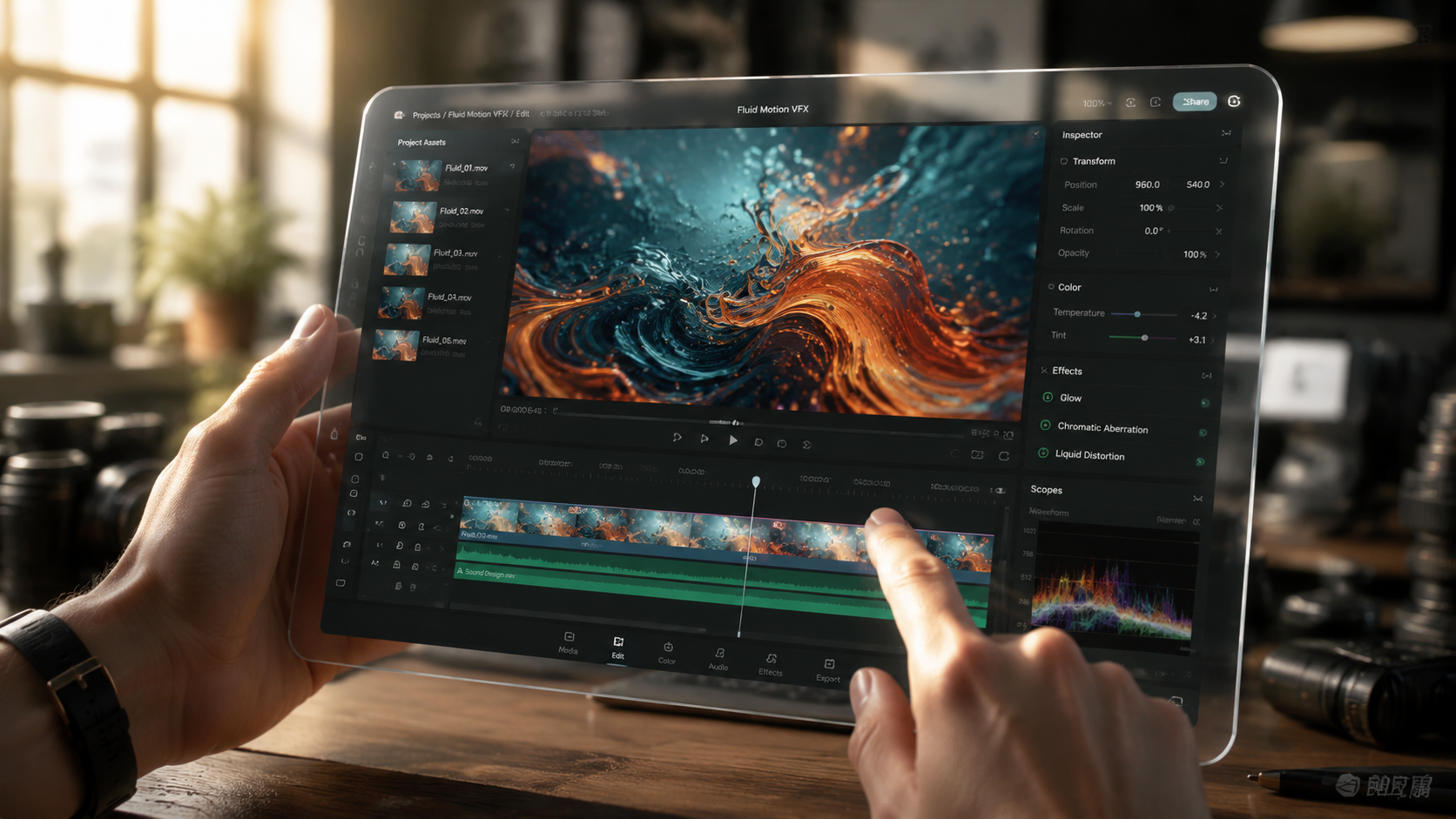
The landscape of digital media has shifted dramatically over the past year. According to Deloitte, generative AI video is now considered perfect for social media but poses a significant disruption to traditional social media companies that must now distinguish between human-led and AI-generated content. This disruption has forced businesses to be more transparent while simultaneously benefiting from the ability to produce "infinite" content variations for different audience segments.
Furthermore, a recent report by Andreessen Horowitz in their "Top 100 Gen AI Consumer Apps — 6th Edition" highlights that video generation apps have seen the fastest growth in the enterprise sector. Businesses are no longer just using these tools for simple animations; they are creating full-length advertisements and interactive training simulations. The focus in 2026 has shifted from "can we make a video?" to "how can we make this video more personalized?"
Comparison of Leading Enterprise Video AI Platforms
When selecting the right generative ai video tools for businesses, it is crucial to compare features such as rendering speed, avatar realism, and API accessibility. The following table breaks down the current market leaders based on 2026 industry standards.
| Feature | Enterprise Leader (Sora/Runway) | Avatar Specialist (HeyGen/Synthesia) | Marketing Suite (Canva/Adobe) |
|---|---|---|---|
| Primary Use Case | Cinematic B-Roll & Creative Ads | Training & Personalized Sales | Social Media & Quick Graphics |
| Max Resolution | 8K Ultra HD | 4K Cinematic | 4K Standard |
| Multilingual Support | Limited (Focus on Visuals) | 150+ Languages with Lip-Sync | 80+ Languages |
| Custom Brand Models | Yes (High Cost) | Yes (Standard) | Partial (Brand Kits) |
Top Trends for Generative AI Video Tools for Businesses
As we navigate through 2026, several key trends are defining how brands interact with their audiences. According to Business Insider, there are five generative AI trends currently changing the future for brands and creators. One of the most prominent is the rise of "Hyper-Personalization at Scale," where a single video script can be automatically rendered into thousands of unique versions, each addressing a specific customer by name and referencing their past purchase history.
Another significant trend is the integration of real-time physics engines into video generators. Earlier versions of AI video often struggled with "hallucinations" or unnatural movements. In 2026, tools have matured to include consistent character mapping and environmental physics, making AI-generated videos indistinguishable from live-action footage for most commercial purposes. This has led Digiday to report that marketers are ranking this year’s generative AI video tools as their most essential asset for performance marketing.
Improving Engagement with Generative AI Video Tools for Businesses
The primary goal for any business using these tools is to drive engagement. With the sheer volume of content being produced, quality and relevance have become the new benchmarks. WSJ reports that generative AI video could disrupt social media companies by flooding platforms with high-quality content, forcing algorithms to prioritize videos that demonstrate high "human-interaction" scores. For businesses, this means using AI to handle the labor-intensive production while keeping human creativity at the center of the storytelling process.
To stay competitive, companies are utilizing "AI-native" workflows. Instead of writing a script and then filming, they are using generative tools to brainstorm visual concepts, storyboard in real-time, and generate multiple endings for A/B testing. This iterative process allows for a level of optimization that was physically and financially impossible just two years ago.
Choosing the Right Generative AI Video Tools for Businesses
Selecting the right tool depends heavily on your specific industry and technical requirements. For instance, a global retail brand might prioritize a tool with robust localization features, while a boutique creative agency might look for a platform that offers the most granular control over camera angles and lighting. Simplilearn recently listed the "Top 10 AI Tools for Business in 2026," emphasizing that versatility and integration capabilities are the most important factors for modern enterprises.
Security remains a top priority. In 2026, the leading generative ai video tools for businesses offer SOC2 Type II compliance and data residency options. This ensures that sensitive corporate information used in internal training videos remains within the company's digital perimeter. Businesses are encouraged to look for platforms that offer "Clean Room" environments where they can train models on their proprietary footage without risking intellectual property leaks.
The Impact of AI Video on Corporate ROI
The financial argument for AI video is now undeniable. Studies show that companies using generative video tools have seen a 60% reduction in content production costs and a 40% increase in speed-to-market. By eliminating the need for physical sets, travel, and extensive editing cycles, businesses can reallocate their budgets toward higher-level strategy and creative direction. The ROI is further amplified by the ability to repurpose a single "hero" video into dozens of formats optimized for TikTok, LinkedIn, and YouTube automatically.
Future Outlook: Beyond 2026
Looking toward the end of the decade, we expect generative AI video tools to become even more interactive. We are already seeing the first stages of "branching narratives" where AI generates video responses in real-time based on user input during a live stream or on a landing page. For businesses, this means the transition from passive video consumption to active video experiences. The tools we use today are laying the groundwork for a future where video is as dynamic and editable as a text document.
As these technologies continue to evolve, the distinction between "AI video" and "video" will likely disappear. Much like digital photography replaced film, generative processes are becoming the standard method for all visual storytelling. Organizations that master these generative ai video tools for businesses today will be the ones defining the visual language of the future.
What are the best generative AI video tools for businesses in 2026?
The top tools currently include Sora for cinematic quality, HeyGen for realistic business avatars, and Runway Gen-4 for advanced creative control. These platforms offer enterprise-grade features such as brand-safe training and API integrations.
Are AI-generated videos legal for commercial use?
Yes, provided you use enterprise versions of these tools that grant full commercial rights and are trained on licensed or public domain datasets. Always check the terms of service regarding "Indemnity Clauses" for AI-generated content.
How much do generative AI video tools cost for a company?
Pricing in 2026 typically follows a seat-based or credit-based model. Small businesses can expect to pay $50-$200 per month, while enterprise-level packages with custom model training can range from $2,000 to $10,000+ per month depending on volume.
Do I need a powerful computer to run these video AI tools?
No, most leading generative AI video tools are cloud-based. All heavy processing is handled on the provider's servers, meaning you only need a standard business laptop and a stable internet connection to generate 4K video.
How can AI video tools improve our social media presence?
These tools allow you to create high-frequency, trend-responsive content that would be impossible to produce manually. They also enable automatic "re-facing" or "re-voicing" of content to appeal to different global demographics, significantly increasing engagement rates.



Comments ()