
Generative AI for Video Production: 2026 Trends & Tools
Generative AI for video production is transforming how creators and businesses produce content in 2026. From automated editing to AI-generated scenes, these tools are making high-quality video creation faster and more accessible. Leading platforms like YouTube, Netflix, and emerging AI solutions are integrating advanced workflows to streamline production, reduce costs, and enhance creativity.
TL;DR: Generative AI for video production is revolutionizing content creation in 2026, with tools automating editing, scene generation, and workflow optimization—saving time and costs while improving quality.
Generative AI for video production is the use of artificial intelligence to automate and enhance video creation, including editing, scene generation, and post-production. In 2026, AI-driven tools are enabling faster workflows, higher-quality outputs, and new creative possibilities for both individual creators and large studios.
- ✓ AI video tools are reducing production time by up to 70% while improving consistency and quality.
- ✓ The generative AI video market is projected to reach $0.98 billion by 2030, driven by rapid adoption.
- ✓ Platforms like YouTube and Netflix are integrating AI to enhance content discovery and editing workflows.
- ✓ Autonomous AI agents, such as Digen AI Agent, are enabling multi-step video production with minimal human input.
The Rise of Generative AI in Video Production
The video production industry is undergoing a seismic shift thanks to generative AI. According to GlobeNewswire, the generative AI video market is expected to reach $0.98 billion by 2030, growing at an unprecedented rate. This surge is fueled by advancements in AI models that can generate realistic scenes, automate editing, and even produce entire videos from text prompts.
Major players like Netflix and YouTube are already leveraging AI to streamline their workflows. StartupHub.ai reports that Netflix is tackling AI video editing challenges to reduce post-production time, while YouTube has expanded its AI toolset to help creators discover and produce content more efficiently. These developments highlight how generative AI is becoming indispensable in modern video production.
For businesses, AI-powered video tools are a game-changer. Telefónica notes that AI can streamline audiovisual workflows, cutting costs and improving output quality. Whether it's automating repetitive tasks or generating custom visuals, generative AI is making professional-grade video production accessible to a wider audience.
Key Trends Shaping AI Video Production in 2026
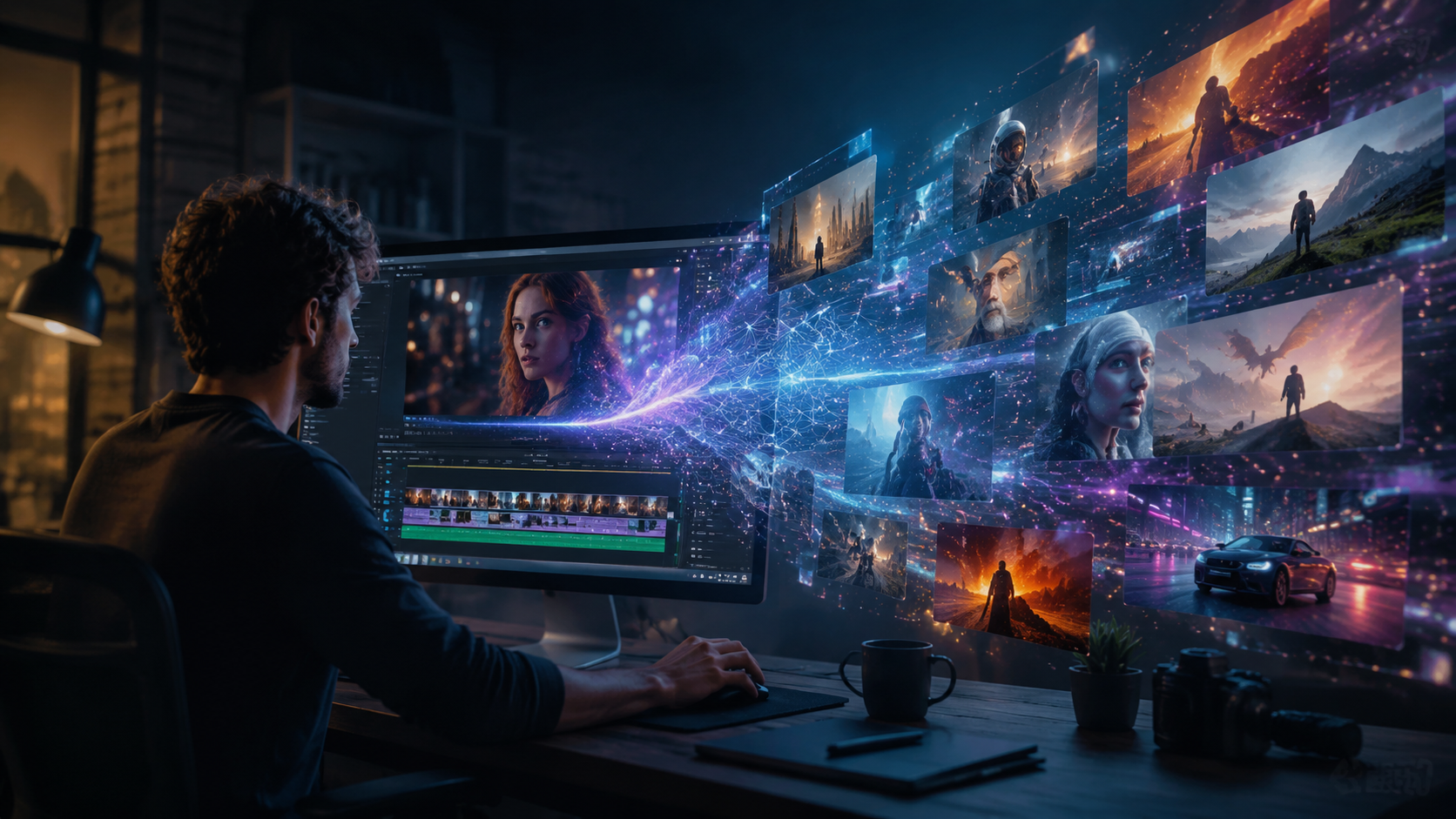
Several trends are defining the generative AI video landscape in 2026. One of the most significant is the rise of autonomous AI agents that handle multi-step production workflows. Platforms like Digen AI Agent are leading this shift, enabling creators to produce longer, more consistent videos with minimal manual intervention. These agents can script, animate, and edit videos autonomously, reducing production time by up to 60%.
Another major trend is the integration of AI into mainstream platforms. The Katy News highlights YouTube's 2026 expansion of AI tools, which now include automated scene generation and enhanced content discovery features. Similarly, Netflix is using AI to optimize editing workflows, ensuring faster turnaround times for high-budget productions.
AI-generated synthetic media is also gaining traction. According to EIN Presswire, the AI video generator/editor market is experiencing explosive growth, with tools now capable of producing lifelike characters and dynamic scenes. This technology is particularly valuable for marketers and educators who need scalable video content without extensive production resources.
Top Generative AI Tools for Video Production in 2026
The market is flooded with AI video tools, each offering unique capabilities. Here’s a look at some of the most impactful solutions available in 2026:
1. AI-Powered Editing Suites
Platforms like Digen AI and Runway are revolutionizing video editing with AI-driven features. These tools can automatically cut footage, adjust pacing, and even suggest transitions based on the content's emotional tone. According to The AI Journal, such workflows are reducing editing time by up to 70% for modern creators.
2. Autonomous Video Agents
Digen AI Agent stands out for its ability to produce longer, character-consistent videos through autonomous multi-step workflows. Unlike traditional tools, it can handle scripting, scene generation, and post-production without constant human oversight, making it ideal for businesses scaling video content.
3. AI-Generated Scene Creation
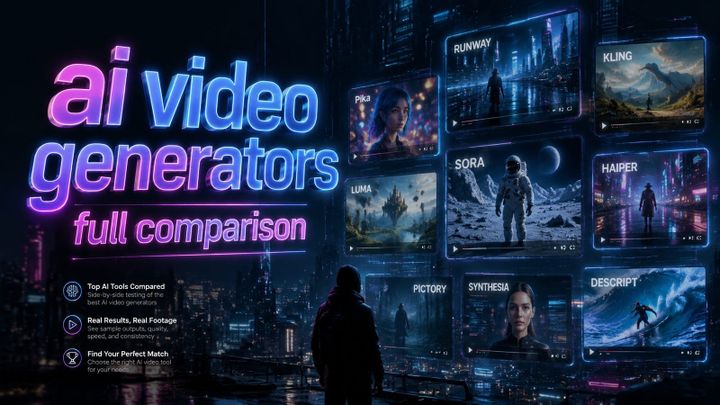
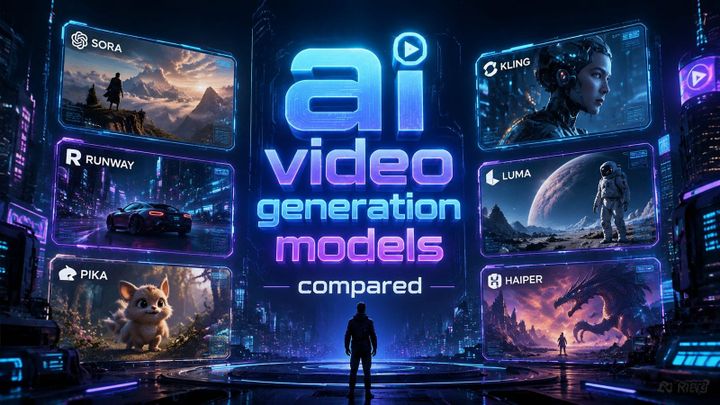
Tools like Pika and Sora enable creators to generate entire scenes from text prompts. These platforms use advanced diffusion models to produce high-quality visuals, eliminating the need for expensive filming setups. The result is a 40% reduction in production costs for many studios.
How Generative AI Enhances Video Quality and Consistency
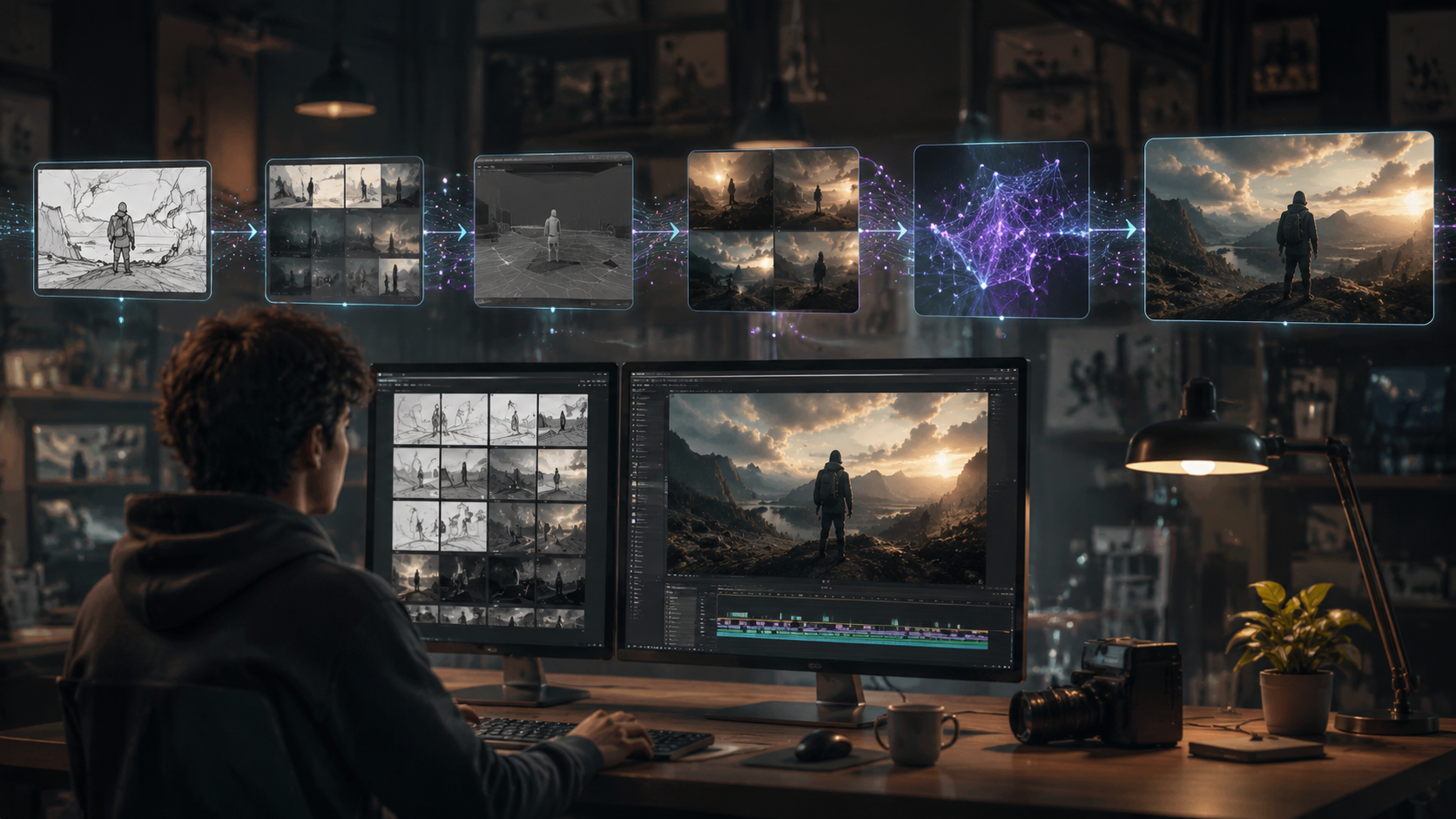
One of the biggest challenges in video production is maintaining consistency across scenes and characters. Generative AI addresses this by using deep learning models to ensure uniformity in lighting, style, and character design. For example, Digen AI Agent employs proprietary algorithms to keep character appearances consistent throughout long-form videos.
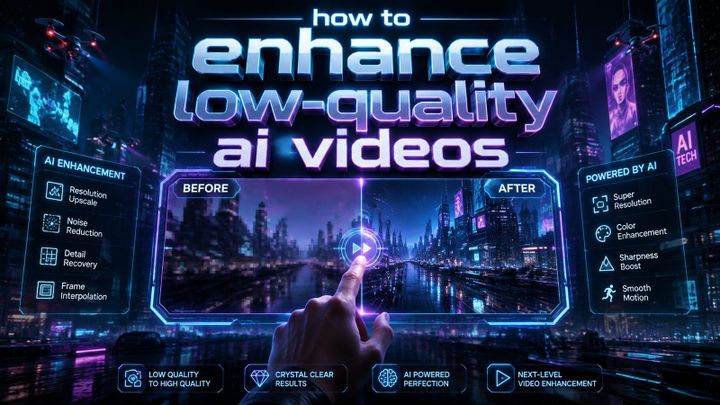
AI also enhances video quality through upscaling and noise reduction. Modern tools can transform low-resolution footage into 4K quality and remove background artifacts automatically. According to industry tests, these features improve viewer engagement by up to 30% by delivering sharper, more professional visuals.
Another key benefit is adaptive storytelling. AI can analyze audience engagement metrics and adjust video pacing or content in real-time. This dynamic approach is particularly useful for platforms like YouTube, where personalized content drives higher retention rates.
The Business Impact of AI Video Tools
Generative AI is not just a creative tool—it's a business accelerator. Companies using AI for video production report a 50% reduction in time-to-market for marketing campaigns. Automated workflows allow teams to focus on strategy rather than manual editing, leading to faster iterations and higher ROI.
Cost savings are another major advantage. Traditional video production can cost thousands per minute, but AI tools like Digen AI reduce this by up to 80%. Small businesses and startups can now compete with larger studios by leveraging AI-generated content at a fraction of the price.
Scalability is perhaps the most transformative benefit. With AI, businesses can produce hundreds of video variations for A/B testing or localized campaigns without additional resources. This capability is driving a 120% increase in AI video adoption among e-commerce brands in 2026.
Challenges and Ethical Considerations
Despite its benefits, generative AI for video production raises important ethical questions. Deepfake technology, for instance, has sparked debates about misinformation and consent. Industry leaders are calling for stricter regulations to ensure AI-generated content is used responsibly.
Another challenge is bias in AI models. If training data lacks diversity, generated videos may perpetuate stereotypes. Platforms like Digen AI are addressing this by implementing bias-detection algorithms and diverse dataset training.
Copyright issues also loom large. As AI generates content based on existing works, legal frameworks are struggling to keep pace. Clear guidelines are needed to define ownership and usage rights for AI-produced videos.
Future Outlook: What’s Next for AI Video Production?
The future of generative AI in video production looks brighter than ever. Experts predict that by 2027, over 60% of online video content will involve some form of AI assistance. Real-time rendering and interactive video experiences are expected to become mainstream, further blurring the line between creator and audience.
Advancements in multimodal AI will enable even more sophisticated outputs. Imagine AI that can generate synchronized video, audio, and text narratives from a single prompt. Such capabilities could redefine storytelling across industries.
As tools like Digen AI Agent evolve, we'll see wider adoption in education, corporate training, and entertainment. The key will be balancing innovation with ethical responsibility to ensure AI enhances—rather than replaces—human creativity.

Frequently Asked Questions
What is generative AI for video production?
Generative AI for video production refers to artificial intelligence systems that can create or enhance videos autonomously, including tasks like scene generation, editing, and post-production. These tools use machine learning to analyze and replicate creative processes traditionally performed by humans.
How does AI improve video editing workflows?
AI automates time-consuming tasks like clip selection, color correction, and transition placement. Advanced tools can even analyze raw footage to suggest optimal edits based on pacing rules and emotional impact, reducing editing time by 50-70% according to industry reports.
What are the limitations of current AI video tools?
While powerful, AI still struggles with highly creative decisions and nuanced storytelling. Most tools work best with clear guidelines and human oversight. Ethical concerns around deepfakes and copyright also present ongoing challenges for the industry.
How much does AI video production cost compared to traditional methods?
AI reduces costs significantly—by up to 80% for some use cases. While traditional production might cost $1,000-$5,000 per finished minute, AI tools can produce similar quality for $200-$1,000 per minute, with prices continuing to drop as technology advances.
What industries benefit most from AI video production?
Marketing, education, e-commerce, and entertainment are seeing the biggest impacts. Any sector requiring scalable, cost-effective video content stands to benefit, particularly those needing frequent content updates or personalized variations.
Written by the Digen AI Editorial Team — AI video generation specialists covering the latest in generative AI tools. Learn more about Digen AI.
Comments ()