
How to Generate Realistic People with AI: 2026 Pro Guide
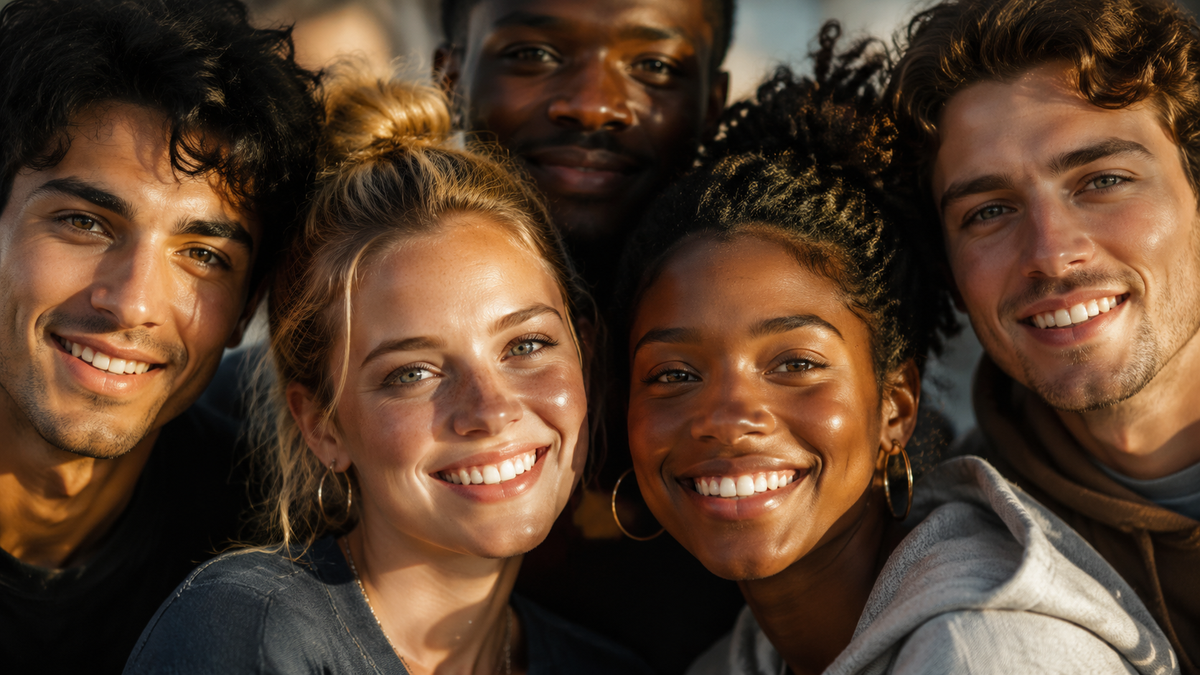
To generate realistic people with ai in 2026, you must utilize high-fidelity diffusion models like Gemini 3 or specialized video engines like Seedance that prioritize anatomical accuracy and skin texture. The process involves crafting descriptive prompts that specify lighting, focal length, and "micro-details" to bypass the artificial smoothness typical of older generative models. By leveraging the latest 2026 hardware-accelerated tools, creators can now produce human imagery that is indistinguishable from high-resolution photography.
AI human generation is the process of using deep-learning neural networks, specifically multimodal LLMs and diffusion architectures, to synthesize photorealistic images or videos of non-existent people. In 2026, this technology has evolved to include sub-surface scattering for skin and physics-based hair rendering, making the "uncanny valley" a thing of the past for professional creators.
- ✓ Utilize Gemini 3-powered tools like Nano Banana Pro for the highest anatomical fidelity.
- ✓ Implement "Seedance" technology for ultra-realistic human movement in video format.
- ✓ Focus on 5-minute detection training to ensure your generated content meets quality standards.
- ✓ Use specific camera metadata in your prompts (e.g., 85mm f/1.8) to enhance realism.
How to Generate Realistic People with AI: A Step-by-Step Guide
The landscape of generative media has shifted dramatically this year. With the release of heavy-hitting models in early 2026, the barrier to entry for creating professional-grade human assets has vanished. Whether you are a filmmaker, marketer, or digital artist, following a structured workflow is essential for achieving consistent results without the "plastic" look of early AI iterations.
- Select Your Engine: Choose a 2026-tier generator such as Google’s Nano Banana Pro or the latest CNET-ranked leaders. These models use Gemini 3 architecture to understand complex human anatomy better than previous versions.
- Define the Persona: Start your prompt with the subject's age, ethnicity, and a specific "imperfection" like freckles, slight skin redness, or stray hairs. These flaws are what make a generated person look "real."
- Set the Technical Specs: Include photographic terms. Instead of saying "realistic," say "shot on 35mm film, ISO 400, natural golden hour lighting, f/2.8 aperture."
- Refine with In-Painting: Use the model’s edit feature to fix specific areas like the iris of the eye or the cuticle of the nails, which are often the last giveaway of AI origin.
- Upscale for Texture: Run the final output through a 2026 neural upscaler to recover skin pore data and fabric textures that might be lost during the initial generation.
The Evolution of Realism in 2026
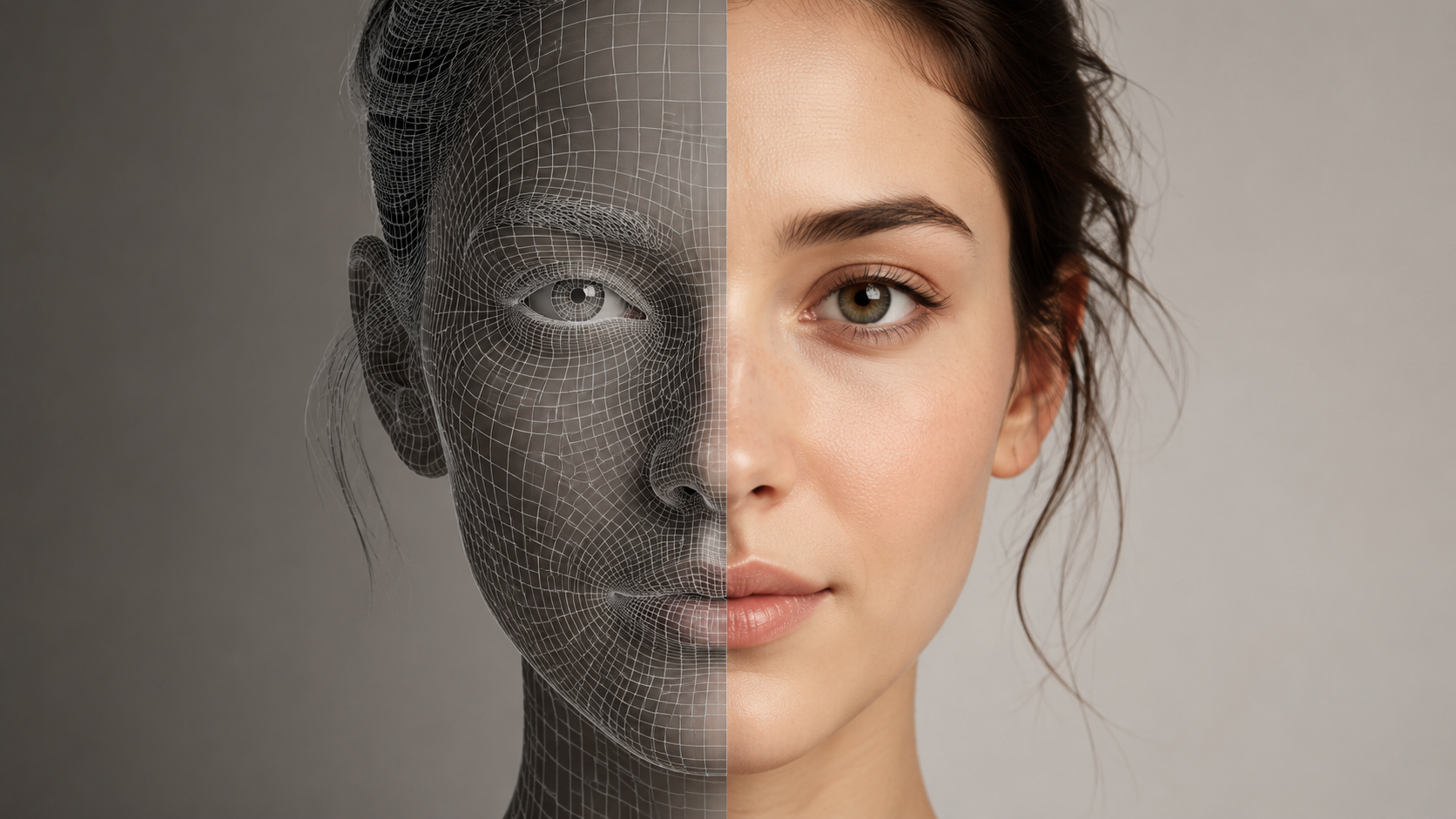
As of May 2026, the industry has reached a tipping point. According to CNET, the best AI image generators of 2026 have moved beyond mere pattern matching to true spatial awareness. This means that when you generate realistic people with ai, the shadows cast by a nose or the way light passes through an earlobe (sub-surface scattering) are calculated with physics-level precision. This leap is largely attributed to the integration of more powerful multimodal backends like Gemini 3, which powers Google’s new Nano Banana Pro.
The impact of this technology is most visible in the professional sector. ZDNET reports that by late 2025, a "clear winner" emerged in the AI generation space, focusing on "ultra-high-definition human synthesis." This shift has allowed small studios to produce visuals that previously required multi-million dollar budgets and extensive makeup teams. However, this realism comes with challenges; a study reported by ScienceAlert in January 2026 notes that AI faces now fool most people, though just five minutes of specialized training can help observers spot the subtle "echoes" of generative software.
The Power of Gemini 3 and Nano Banana Pro
Google’s Nano Banana Pro has become a cornerstone for creators. By utilizing the Gemini 3 power, this tool excels at "contextual anatomy." It understands that a person gripping a coffee cup should have slight tension in their forearm muscles. This level of detail is why Ars Technica highlighted the tool in late 2025 as the new gold standard for realistic imagery. When you use these tools to generate realistic people with ai, you are no longer just fighting a prompt; you are collaborating with an engine that understands human biology.
| Feature | 2024 Generation | 2026 Generation (Current) | Impact on Realism |
|---|---|---|---|
| Anatomy (Hands/Teeth) | Frequent errors; 6 fingers common. | Perfected via Gemini 3 architecture. | Eliminates the "uncanny valley" effect. |
| Skin Texture | Overly smooth, "plastic" look. | Pore-level detail and micro-imperfections. | Indistinguishable from macro photography. |
| Video Motion | Jittery, "hallucinated" frames. | Fluid, physics-based movement (Seedance). | Enables AI-generated "actors" for film. |
| Processing Speed | Minutes per image. | Real-time on-device generation. | Allows for rapid iterative design. |
Ultra-Realistic AI Video: The Seedance Revolution
The ability to generate realistic people with ai is no longer limited to static images. In February 2026, the tool "Seedance" sent shockwaves through the industry. As reported by the BBC, Hollywood studios have taken aim at this "ultra-realistic" video tool because it can generate human performances that are virtually indistinguishable from real actors. The tool doesn't just animate a face; it simulates the underlying muscle movements and emotional micro-expressions that define human interaction.
Futurism noted that the level of realism in these video generators is "scaring Hollywood," as it challenges the traditional necessity of background actors and even lead performers for certain shots. For a pro guide in 2026, the recommendation is to use Seedance for any project requiring human movement. The tool uses a "temporal consistency" algorithm that ensures the person’s face doesn't shift or morph between frames—a common problem in the generative tools of previous years.
Prompting for Human Authenticity
To get the most out of Seedance or Nano Banana Pro, your prompting strategy must evolve. In 2026, "naturalism" is the keyword. Instead of prompting for "a beautiful woman," pros now prompt for "a 42-year-old woman with slight crow’s feet, tired eyes, wearing a linen shirt with visible weave, standing in a crowded London subway, cinematic lighting." By providing context and specific human traits, the AI can lean into its massive dataset of real-world physics and biology.
Ethics and Detection in the Age of Realism
With great power comes the responsibility of transparency. As ScienceAlert pointed out in their January 2026 report, the sophistication of AI-generated faces is now at a level where they "fool most of us." This has led to a surge in "Detection Training" for corporate and security sectors. When you generate realistic people with ai for commercial use, it is a best practice in 2026 to include metadata or "invisible watermarking" to identify the content as synthetic, maintaining trust with your audience.
The legal landscape is also catching up. The BBC’s coverage of Hollywood’s reaction to Seedance suggests that new regulations regarding "digital likeness" and "synthetic performers" are imminent. Pro creators stay ahead of these trends by using ethically sourced models that do not infringe on the likeness of existing celebrities, focusing instead on the "infinite variety" of humans that these 2026 models can create from scratch.
Spotting the 1% Flaws
Even the best models in 2026 have tells. According to experts, the most common areas to check for AI origin are the reflections in the pupils (which should match the environment perfectly) and the way hair interacts with clothing fibers. While ZDNET claims there is one "clear winner" in the generation race, even that tool requires a human eye to ensure the final output doesn't feel "too perfect." Authentic human reality is messy; your AI generations should be too.
What is the best AI generator for realistic people in 2026?
According to recent industry reviews from CNET and ZDNET, Google's Nano Banana Pro and the Seedance video engine are currently the top-rated tools. These platforms utilize Gemini 3 technology to produce high-fidelity human features and realistic skin textures.
Can AI generate realistic people in motion?
Yes, tools like Seedance, which gained significant attention in February 2026, can generate ultra-realistic human video. These tools simulate realistic muscle movements and micro-expressions, making them highly effective for digital filmmaking.
How can I tell if a person's photo is AI-generated?
While AI faces fool most people, ScienceAlert suggests that a 5-minute training session can help you spot fakes. Look for inconsistencies in pupil reflections, ear symmetry, and the way jewelry interacts with the skin.
Is it legal to use AI-generated people for advertising?
In 2026, it is generally legal provided you are not infringing on a real person's likeness. However, major studios and regulatory bodies are currently debating the "digital likeness" laws, so it is recommended to use "wholly synthetic" characters created by models like Nano Banana Pro.
Why does my AI-generated person look "fake" or "plastic"?
This usually happens when the prompt is too vague or lacks "micro-imperfections." To fix this, add specific details to your prompt like "visible skin pores," "uneven skin tone," or "natural messy hair" to break the artificial smoothness of the model.



Comments ()