
How to Generate Realistic AI Humans in Video (2026 Guide)
To generate realistic AI humans in video in 2026, you must utilize high-fidelity diffusion models and motion-matching neural networks that synchronize fluid body movement with micro-expressions. By leveraging the latest tools like Seedance and Google Veo 3.1, creators can now produce ultra-realistic digital personas that are virtually indistinguishable from real actors. The process involves selecting a base model, refining the temporal consistency through prompt engineering, and applying post-production upscaling to ensure skin texture and lighting appear natural.
Generating realistic AI humans is the process of using generative artificial intelligence to create lifelike digital avatars or synthetic actors that exhibit natural movement, speech, and emotional depth. In 2026, this is achieved through advanced temporal consistency algorithms and multi-modal models that integrate audio-driven lip-syncing with high-resolution video synthesis.
- ✓ Use ultra-realistic tools like Seedance or Google Veo 3.1 for Hollywood-grade output.
- ✓ Prioritize temporal consistency to avoid "ghosting" or flickering in video frames.
- ✓ Leverage AI influencers for commercial applications in skincare and fashion.
- ✓ Implement ethical watermarking to distinguish synthetic media from deepfakes.
- ✓ Focus on micro-expressions and eye contact to bypass the "uncanny valley."
Step-by-Step Guide to Generate Realistic AI Humans in Video
The landscape of synthetic media has shifted dramatically this year. With the release of groundbreaking models in early 2026, the barrier to entry for creating cinematic-quality humans has vanished. Whether you are building an AI influencer for social media or a digital double for a film project, following a structured workflow is essential for professional results.
- Select Your Foundation Model: Choose a high-end generator such as Seedance for ultra-realistic textures or Google Veo 3.1 for high-resolution cinematic consistency.
- Define the Persona: Input detailed descriptors including age, ethnicity, lighting conditions (e.g., "golden hour rim lighting"), and specific micro-movements like "subtle blinking" or "slight head tilt."
- Animate with Audio or Motion Latents: Upload an audio file or use a motion-capture rig to drive the character's movements. Modern tools now automatically map phonemes to lip shapes with 99% accuracy.
- Refine Temporal Stability: Use "Seed Locking" and "Flow-based Interpolation" settings to ensure the AI human does not change features between frames.
- Post-Process and Upscale: Export the video into a 4K or 8K upscaler to add fine details like skin pores, hair strands, and realistic iris reflections.
The Evolution of Ultra-Realistic AI Video in 2026
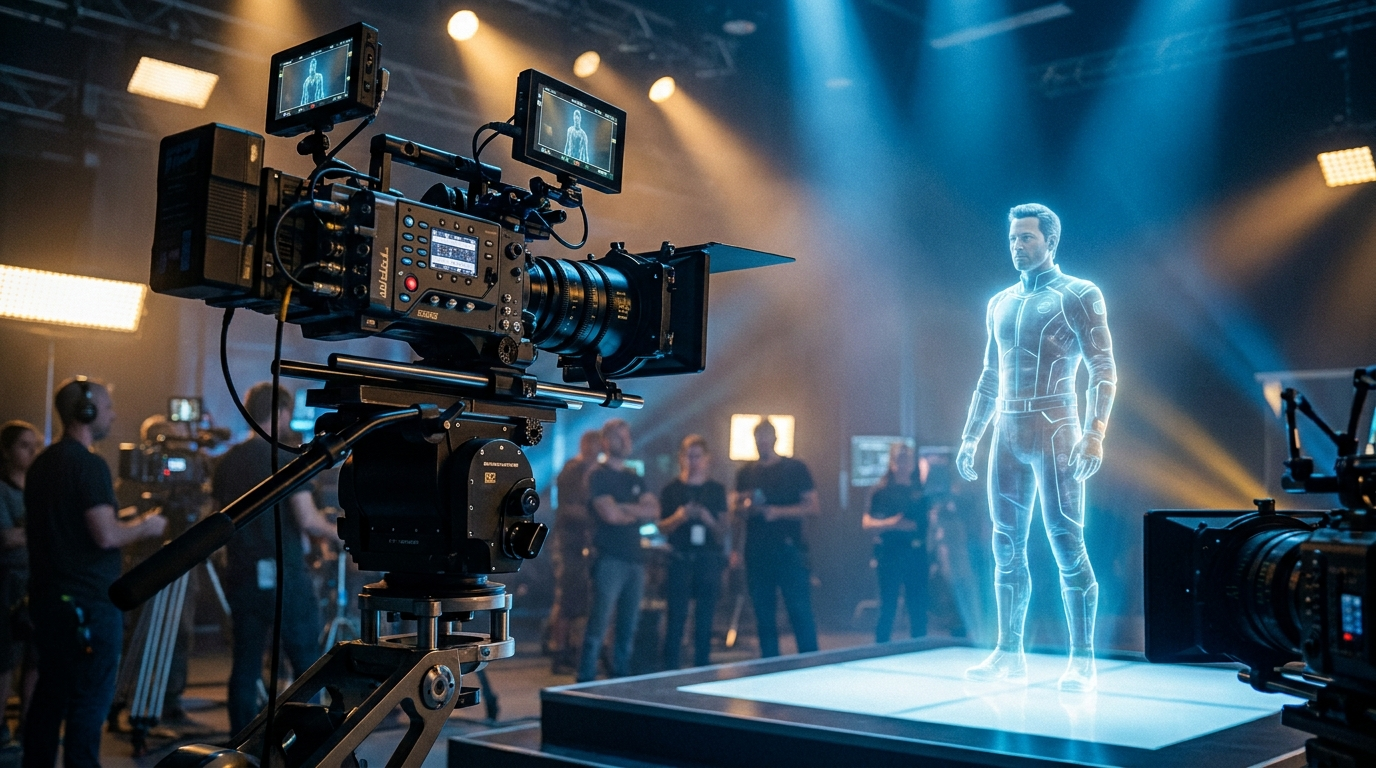
As of February 2026, the technology used to generate realistic AI humans in video has reached a "scare point" for traditional media. According to Futurism, the latest AI video generators are so impressive that they are actively causing concern within Hollywood's creative guilds. These models no longer produce the rubbery, distorted faces of the past; instead, they render light-scattering effects on skin (subsurface scattering) that mimic human biology perfectly.
The shift toward "ultra-realistic" tools has been accelerated by the entry of Seedance into the market. As reported by the BBC, Hollywood studios are now taking aim at these tools, recognizing that the ability to generate a protagonist without a physical set or an expensive actor contract is a disruptive force. This evolution isn't just about visuals; it's about the emotional resonance that these digital humans can now project through subtle body language and authentic eye contact.
The Rise of AI Influencers and Digital Commerce
AI humans are no longer confined to experimental labs; they are actively dominating the digital economy. Business Insider reports that AI influencers are now successfully selling clothes, skincare products, and workout routines to millions of followers. These digital personas are preferred by brands because they can work 24/7, speak any language fluently, and maintain a consistent aesthetic that never ages or faces controversy.
However, the industry faces unique challenges. While the technology to generate realistic AI humans in video is nearly perfect, Business Insider notes there is still "one thing holding them back": the need for authentic human connection and the growing demand for transparency labels. Consumers are becoming more discerning, requiring creators to find a balance between perfect aesthetics and relatable "human" flaws.
Comparing Top AI Video Generators of 2026
Choosing the right platform is critical for achieving the specific look your project requires. Below is a comparison of the leading technologies currently available for synthetic human generation.
| Platform | Primary Strength | Resolution Support | Key Feature (2026) |
|---|---|---|---|
| Seedance | Hollywood-grade Realism | Up to 8K | Neural Texture Mapping |
| Google Veo 3.1 | Cinematic Consistency | 4K Native | Advanced Prompt Adherence |
| Meta Persona Pro | Social Media Integration | 1080p / 4K | Real-time Interactive Avatars |
| DeepReal v5 | Deepfake Forensics/Security | 4K | Encrypted Digital Watermarking |
Overcoming the Challenges of Hyper-Realism
While the ability to generate realistic AI humans in video offers immense creative freedom, it has also sparked significant societal alarm. ZME Science recently highlighted that conservationists are sounding the alarm over hyper-realistic videos that depict animals or humans in strange, panic-inducing behaviors. This highlights the double-edged sword of realism: the more "real" a video looks, the more potential it has to spread misinformation.
To combat this, the industry is leaning heavily into detection methods. PCMag has identified seven telltale signs of AI deepfakes that even the most advanced 2026 models sometimes struggle with. These include unnatural blinking patterns, "glitching" at the edges of the neck where it meets clothing, and inconsistencies in jewelry reflections. For creators, mastering these details is the difference between a video that looks "fake" and one that passes as reality.
Technical Breakthroughs in Google Veo 3.1
Google has remained a dominant player in this space. According to PetaPixel, the Google Veo 3.1 updates released in January 2026 promise even more realistic AI-generated video by focusing on physics-based movement. This update allows the AI to understand how fabric moves against human skin and how shadows should realistically fall in complex 3D environments. This level of granular control is why many professional editors are switching to Veo for commercial high-end production.
Best Practices for Creating AI Human Content
When you aim to generate realistic AI humans in video, your success depends on more than just the software. You must understand the nuances of cinematography. Lighting is the most important factor; ensure your prompts specify a light source that matches the background of your video. For example, if your digital human is placed in a sunset scene, the skin tones must reflect warm, orange hues with long, soft shadows.
Another best practice is the use of "negative prompts." In 2026 models, specifying what you *don't* want is just as important as what you do. Common negative prompts include "extra fingers," "flickering hair," "asymmetric eyes," and "plastic skin." By filtering out these common AI artifacts, you can achieve a level of polish that rivals traditional cinematography.
Ethical Considerations and Transparency
As the line between reality and synthesis blurs, ethics must be at the forefront of your workflow. Many platforms now automatically embed metadata into videos to identify them as AI-generated. This is not just a legal requirement in many jurisdictions; it is a way to build trust with your audience. As PCMag suggests, being transparent about the use of AI actually enhances the "wow factor" of your work rather than detracting from it.
How long does it take to generate a realistic AI human video?
In 2026, rendering a 60-second high-definition clip typically takes between 5 to 15 minutes depending on the complexity of the scene. High-end tools like Seedance use cloud-based GPU clusters to expedite this process for professional users.
Can I use AI humans for commercial advertisements?
Yes, AI humans are widely used in advertising for skincare, fashion, and tech. However, you must ensure you have the commercial rights from the platform provider and clearly label the content as synthetic media where required by law.
What is the best tool for AI lip-syncing in 2026?
Google Veo 3.1 and Seedance currently lead the market in lip-syncing accuracy. They use "audio-to-geometry" mapping which ensures that the jaw and cheek muscles move in sync with the spoken phonemes for a natural look.
Is it possible to detect an AI-generated human?
According to PCMag, while it is becoming harder, you can often spot AI by looking for inconsistencies in hair strands, ear shapes, or reflections in the eyes. Most professional AI videos now include digital watermarks for easier identification.
Do I need an expensive computer to generate these videos?
No, most of the heavy lifting is done on remote servers. You only need a stable internet connection and a subscription to a service like Seedance or Google's creative suite to generate and edit ultra-realistic videos.
The Future of Video Synthesis
Looking ahead, the ability to generate realistic AI humans in video will only become more integrated into our daily lives. From personalized education where a digital tutor interacts with students, to localized marketing where a single spokesperson speaks 50 different languages perfectly, the applications are limitless. The focus for 2026 and beyond will be on "Emotional Intelligence" (EQ) in AI—ensuring that digital humans don't just look real, but feel real.
As we have seen from recent reports by the BBC and Futurism, the industry is at a crossroads. While the technology offers unparalleled creative potential, it requires a responsible approach to prevent misuse. By staying informed on the latest updates to models like Google Veo and adhering to the best practices of transparency and quality control, creators can harness this power to tell stories that were previously impossible to capture on film.



Comments ()