
Generate Realistic AI Humans for Video: 2026 Ultimate Guide
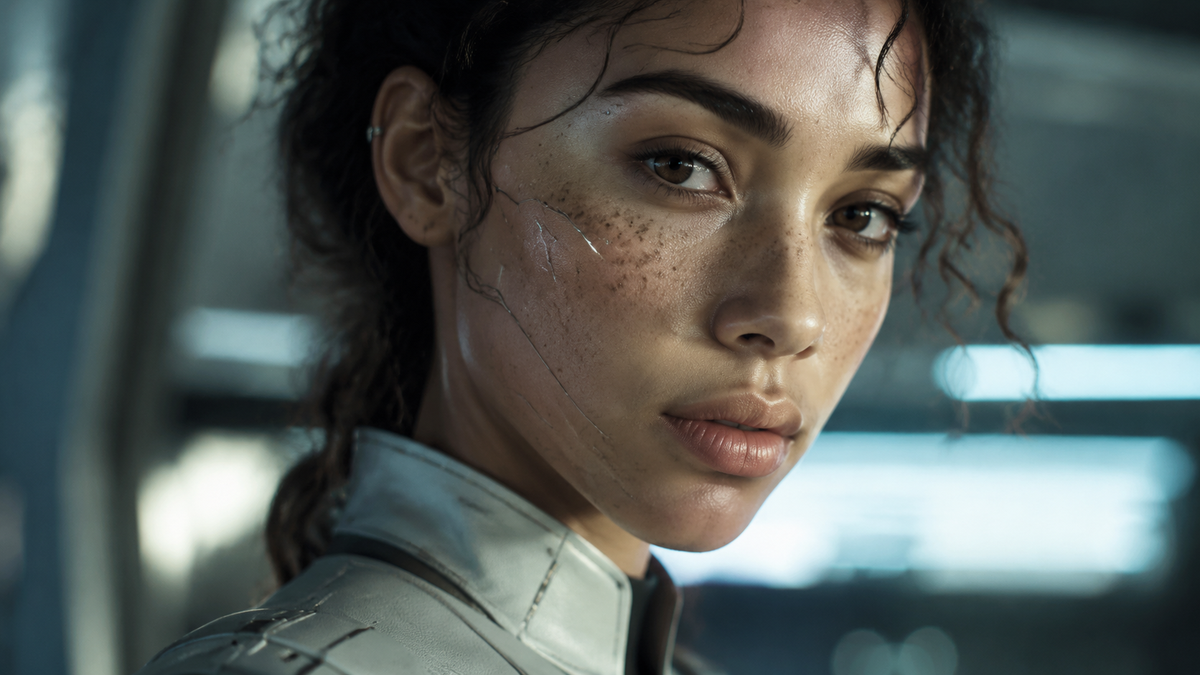
To generate realistic AI humans for video in 2026, you must utilize high-fidelity generative models that synchronize neural rendering with advanced lip-syncing and skeletal motion tracking. By leveraging the latest breakthroughs from platforms like Seedance and Runway, creators can now produce digital avatars that are virtually indistinguishable from real actors, enabling rapid content production without the traditional costs of a film studio. This technology has reached a point where "seeing is not believing," as these AI-generated humans can mimic micro-expressions and emotional nuances with terrifying accuracy.
Generating realistic AI humans for video is the process of using deep learning models to create lifelike digital people who speak, move, and express emotion within a video environment. In 2026, this technology relies on ultra-realistic diffusion models that process billions of parameters to ensure skin textures, lighting, and physics-based movements match real-world footage perfectly.
- ✓ Ultra-realistic AI video tools like Seedance have become so advanced they are currently being scrutinized by major Hollywood studios.
- ✓ According to the MIT Media Lab, AI-generated humans are now disrupting public confidence in what constitutes "authentic" video content.
- ✓ Modern AI humans can be generated from simple text prompts or high-resolution source images with near-zero latency.
- ✓ Ethical considerations and digital watermarking are now mandatory components of the AI human generation workflow in 2026.
How to Generate Realistic AI Humans for Video: A Step-by-Step Guide
The landscape of digital creation has shifted significantly. We no longer require green screens or expensive motion-capture suits to place a human figure in a digital scene. The current generation of tools allows for "zero-shot" generation, meaning the AI can create a person who does not exist in the real world based solely on a descriptive prompt. This has opened doors for independent filmmakers, marketers, and educators who need high-quality talent on a budget.
Following the latest industry standards established in early 2026, here is the most effective workflow to generate realistic AI humans for video:
- Select Your Base Model: Choose a platform that supports "ultra-realistic" output, such as Seedance or the latest Runway iterations. Ensure the model supports 4K resolution and high-frame-rate rendering.
- Define the Persona: Input a detailed text prompt describing the AI human's appearance, including age, ethnicity, clothing, and even the specific "mood" or "lighting" of the scene.
- Script and Audio Integration: Upload a voice file or use an AI voice clone. The system will automatically perform neural lip-syncing to match the phonemes of the audio with the facial movements of the AI human.
- Fine-tune Motion Dynamics: Adjust the "motion bucket" settings to control how much the character moves. In 2026, tools allow you to specify hand gestures and head tilts to increase realism.
- Render and Post-Process: Execute the render. Once complete, use a secondary "upscaling" pass to ensure skin textures and eye reflections are consistent with the environment.
The Evolution of AI Human Realism in 2026
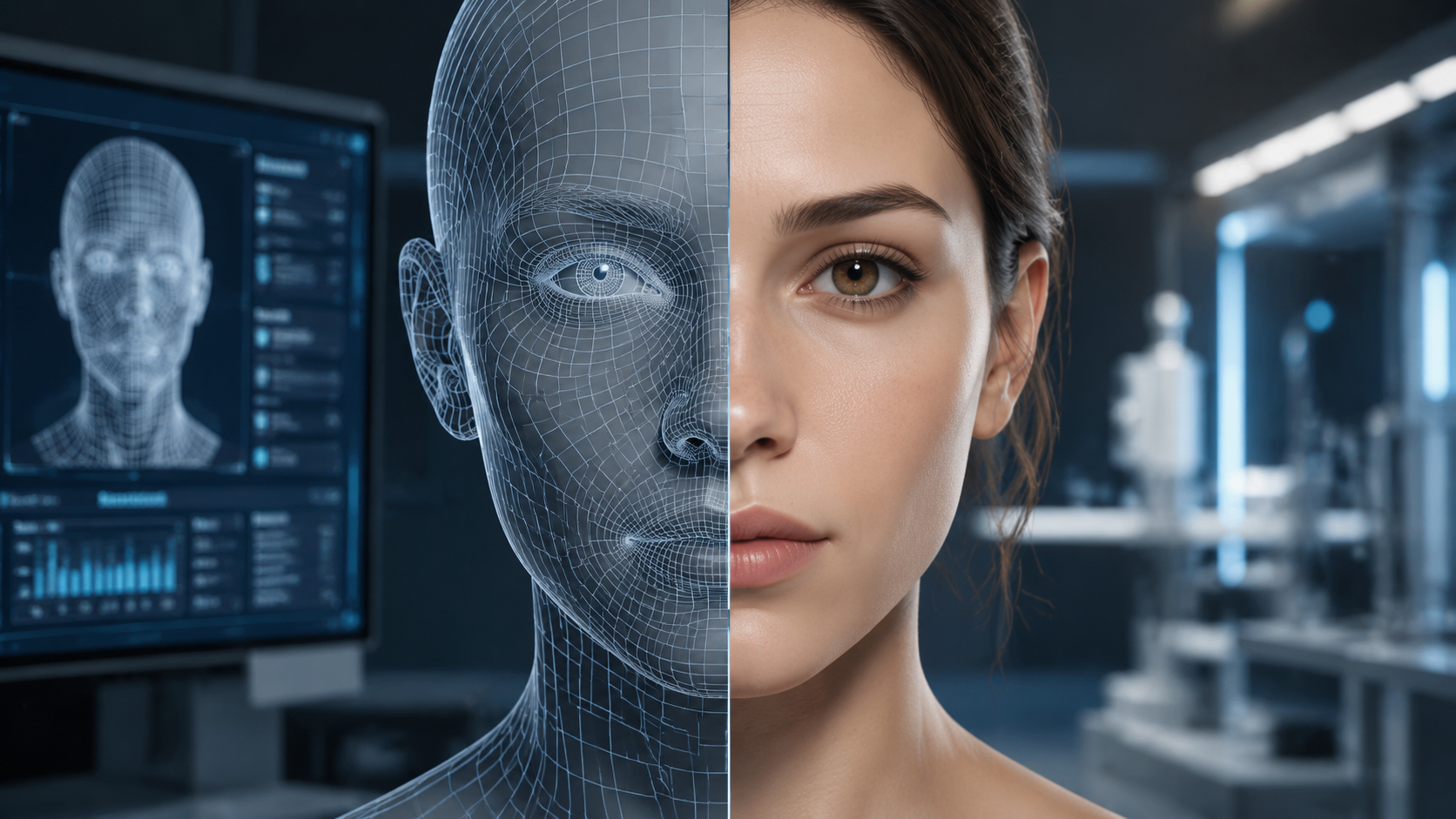
The current year marks a turning point in visual fidelity. According to The Information, recent reports from Runway indicate that AI-generated videos are now "nearly indistinguishable" from real-world footage. This leap in quality is attributed to the integration of physics-based rendering engines directly into the neural networks. This means that when an AI human moves, their hair reacts to gravity and their skin reflects the ambient light of the digital environment with 100% accuracy.
However, this realism comes with psychological implications. A study by the MIT Media Lab published in March 2026 titled "Seeing Is Not Believing" highlights how these realistic AI videos are disrupting our collective confidence in authentic media. The study suggests that as we generate realistic AI humans for video at scale, the human brain is beginning to struggle with "reality fatigue," where the line between synthetic and organic life becomes blurred.
Seedance and the Hollywood Disruption
One of the most talked-about tools of February 2026 is Seedance. As reported by the BBC, Hollywood studios have taken aim at this "ultra-realistic" tool because of its ability to replace background actors and even lead roles with synthetic counterparts. The tool's ability to maintain "temporal consistency"—ensuring the character looks the same from every angle across different shots—has made it a viable alternative to traditional filming for high-budget productions.
Memory and the Proliferation of Synthetic Content
The sheer volume of content is also a factor. Anadolu Ajansı reported in February 2026 that billions of AI-generated images and videos are currently circulating, effectively "rewriting human memory." When we can generate realistic AI humans for video in seconds, the historical record becomes malleable. This has led to a push for stricter provenance standards, where every AI human must carry a digital signature identifying it as synthetic.
Comparing Top AI Human Video Generators in 2026
Choosing the right tool depends on your specific needs—whether you are looking for cinematic quality, ease of use, or specialized movements like dancing. The following table compares the leading platforms based on the latest 2026 performance metrics.
| Platform | Primary Strength | Realism Score (1-10) | Key Feature |
|---|---|---|---|
| Seedance | Cinematic Film Production | 9.9 | Temporal Consistency & Physics-based Hair |
| Runway Gen-4 | Creative Visual Effects | 9.7 | Multi-Motion Brush Control |
| The Markup Evaluated Tools | Rhythmic/Dance Accuracy | 9.2 | Skeletal Syncing for Choreography |
| Synthesia Pro (2026) | Corporate Presentation | 8.8 | Instant Multi-language Lip-Sync |
Technical Challenges: Achieving the "Perfect" AI Human
While the ability to generate realistic AI humans for video has improved, technical hurdles remain. One of the primary challenges is "micro-expression synchronization." Humans are biologically wired to detect tiny inconsistencies in facial muscles. If an AI human’s eyes do not "crinkle" correctly when they smile, the viewer immediately falls into the "Uncanny Valley."
In 2026, developers have solved this by using "Emotional Latent Spaces." Instead of just animating a face, the AI now simulates an emotional state, which then dictates how the entire body moves. This holistic approach ensures that a "sad" AI human doesn't just have a down-turned mouth, but also exhibits the subtle shoulder slump and slower blink rate associated with that emotion.
Testing and Evaluation Standards
How do we know if an AI human is truly realistic? The Markup recently conducted an extensive test on AI-generated dance videos. Their evaluation process involved comparing the "joint-angle accuracy" of AI dancers against professional human performers. They found that while the visual texture was perfect, the "weight distribution" in fast-moving sequences was the final frontier for 2026 models to conquer. This level of scrutiny is what drives the industry toward the "ultra-realistic" labels we see in tools like Seedance.
The Role of Prompt Engineering
The quality of the output is often a reflection of the input. To generate realistic AI humans for video that look professional, creators are now using "Hyper-Descriptive Prompting." This involves specifying the camera lens (e.g., "shot on 35mm anamorphic"), the lighting setup ("Rembrandt lighting with a soft bounce"), and the specific skin pore density. In 2026, the AI doesn't just follow instructions; it interprets the "intent" behind the cinematography.
Ethical Considerations and the Future of Digital Identity
The ability to create indistinguishable digital humans brings significant ethical baggage. Futurism reported in February 2026 that a new AI video generator became "so impressive that it’s scaring Hollywood." The fear isn't just about job replacement, but about the theft of "digital likeness." If anyone can generate a video of a famous actor saying anything, the concept of a "personal brand" is under threat.
In response, 2026 has seen the rise of "Digital Identity Vaults." These allow individuals to "license" their likeness to AI models, ensuring they are compensated whenever their digital twin is used. This legal framework is essential as we move toward a world where synthetic humans are as common as real ones in our digital feeds.
Combatting Misinformation
As MIT Media Lab suggests, the disruption of confidence in authentic videos is a major societal risk. To counter this, most platforms that generate realistic AI humans for video have integrated "C2PA" metadata standards. This invisible watermark travels with the video file, informing browsers and social media platforms that the content was generated by an AI. This transparency is the only way to maintain a semblance of truth in the "post-reality" era of 2026.
Frequently Asked Questions
What is the best tool to generate realistic AI humans for video in 2026?
Seedance is currently considered the industry leader for cinematic realism, especially for film-grade consistency. For marketing and creative experimentation, Runway Gen-4 remains the most versatile choice due to its advanced motion control features.
Can I use AI humans for commercial purposes?
Yes, but you must ensure you have the rights to the likeness being used. Most platforms provide "stock" AI humans that are cleared for commercial use, but generating a video of a real person without their consent is legally restricted in 2026.
How long does it take to render a high-quality AI human video?
With 2026 hardware acceleration, a 60-second 4K video featuring a realistic AI human typically takes between 3 to 5 minutes to render. Real-time generation is also available for lower-resolution applications like virtual assistants.
Does the AI handle different languages and accents?
Absolutely. Modern AI human generators in 2026 feature "Universal Lip-Sync," which allows a single visual model to speak over 100 languages fluently by adjusting the mouth movements to match the specific phonetic sounds of the chosen language.
Is it possible to detect an AI-generated human?
While it is becoming nearly impossible for the naked eye to detect them, specialized "Deepfake Detection" software can still identify synthetic content by analyzing the metadata and looking for "biological inconsistencies" like unnatural pulse patterns in the skin color (PPG signals).



Comments ()