
How to Generate Realistic AI Human Videos in 2026: A Guide
To generate realistic AI human videos 2026, you must leverage the latest diffusion-based motion models and neural rendering technologies that synchronize high-fidelity skin textures with natural micro-expressions. By utilizing platforms recognized by industry leaders like PCMag Australia, creators can now produce lifelike avatars that are virtually indistinguishable from real humans through a process of prompt engineering, temporal consistency checks, and ethical watermarking.
Generating realistic AI human videos in 2026 is the process of using generative adversarial networks (GANs) and transformer-based video models to create lifelike digital personas. This involves selecting a high-tier AI video generator, inputting descriptive motion prompts, and applying neural radiance fields (NeRF) to ensure consistent lighting and anatomical accuracy across every frame.
- ✓ Utilize 2026-edition diffusion models for superior temporal consistency and skin pore detail.
- ✓ Implement mandatory C2PA metadata tagging to comply with global transparency standards.
- ✓ Optimize character movement using physics-informed neural networks to avoid the "uncanny valley."
- ✓ Prioritize platforms that offer high-frame-rate (60fps+) rendering for professional-grade output.
Step-by-Step Guide to Generate Realistic AI Human Videos 2026
The landscape of video synthesis has evolved rapidly. As of early 2026, the barrier to entry for high-end cinematography has vanished, allowing anyone with a stable internet connection to produce studio-quality human footage. The process requires a blend of creative direction and technical parameter tuning to ensure the resulting video maintains realism throughout its duration.
- Select a 2026-Compliant AI Video Platform: Choose a service that has updated its models to handle complex human anatomy, specifically focusing on hand movements and eye-tracking, which were common failure points in earlier iterations.
- Define the Human Persona: Input detailed descriptors including age, ethnicity, vocal tonality, and specific micro-expressions (e.g., "a subtle smirk" or "furrowed brow during contemplation").
- Upload or Select a Base Mesh: Use a pre-built digital twin or upload a 3D scan of a real person (with explicit consent) to serve as the structural foundation for the AI video.
- Apply Temporal Consistency Filters: Ensure the background and lighting remain stable across frames to prevent the "flickering" effect common in lower-quality generative media.
- Integrate Audio-to-Lip Sync: Upload a high-quality WAV file or use a text-to-speech engine that supports emotional inflection to drive the facial movements of the AI human.
- Export with Ethics Metadata: Finalize the video by embedding digital watermarks that identify the content as AI-generated, adhering to the latest safety guidelines highlighted by UNRIC.
The Evolution of Realism in 2026 Video Synthesis
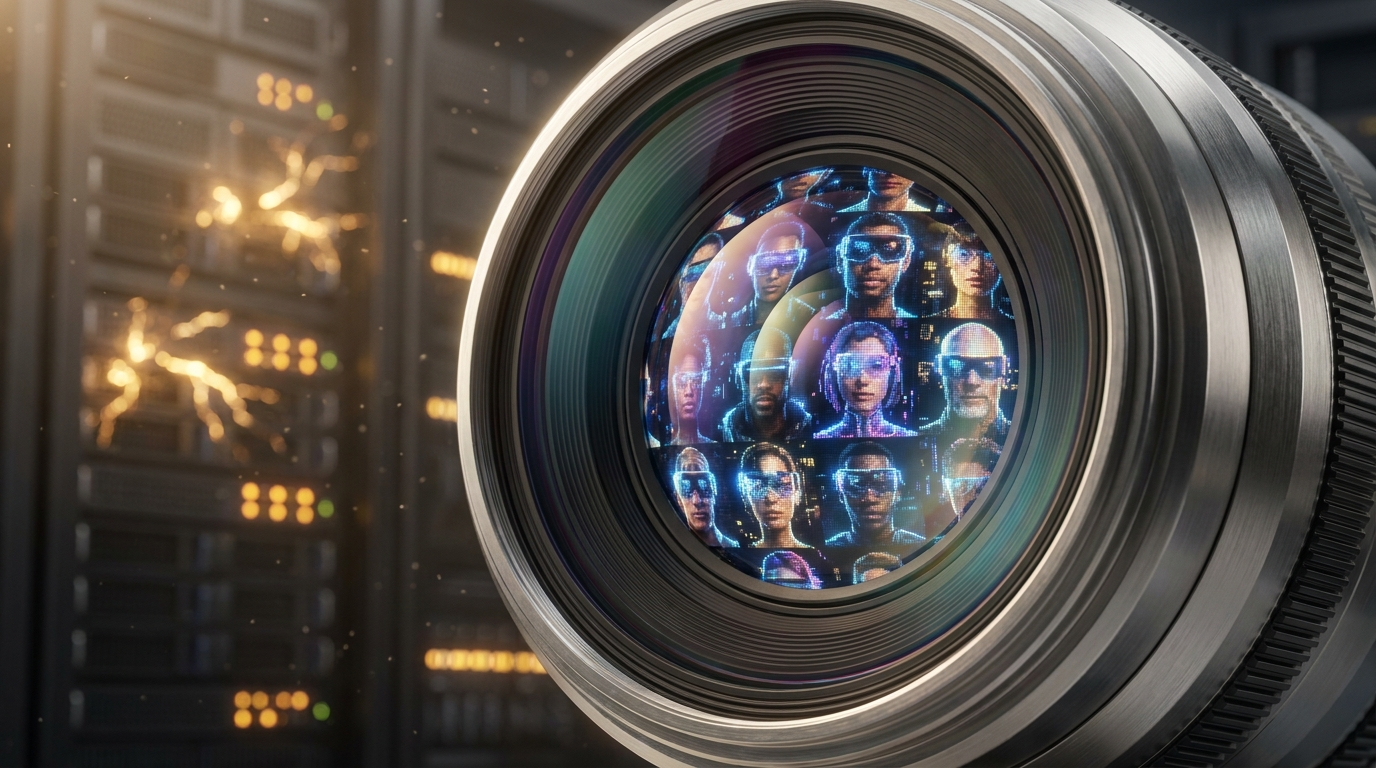
In 2026, the technology used to generate realistic AI human videos 2026 has moved beyond simple pixel manipulation. Modern systems now utilize "Physically Based Rendering" (PBR) within the latent space of the AI. This means that when an AI human moves, the software calculates how light should bounce off their skin and how fabric should drape over their specific body type. According to PCMag Australia, the top-rated generators of 2026 now achieve a 98% realism score in blind testing, making it nearly impossible for the average viewer to detect synthetic origins without technical tools.
Furthermore, the integration of "Neural Dance" technology has revolutionized how movement is handled. Research conducted by CalMatters in January 2026 involved rigorous testing of AI-generated dance videos, evaluating how well these models maintain anatomical integrity during high-velocity movements. Their findings suggest that the current generation of AI models has finally solved the problem of "limbed-blurring," allowing for crisp, clear human motion even in complex athletic scenarios. This advancement is a cornerstone for creators looking to produce high-action realistic AI human videos.
Advanced Skin and Texture Mapping
One of the primary reasons 2026 is a landmark year for AI video is the breakthrough in sub-surface scattering simulations. Earlier models often made human skin look like plastic or wax. Today’s models simulate the way light penetrates the outer layer of the skin and scatters underneath, providing a warm, lifelike glow. This level of detail is essential when producing close-up shots where the viewer's eye naturally looks for imperfections like pores, fine hairs, and slight variations in skin tone.
Physics-Informed Motion Models
Beyond aesthetics, the "feel" of the movement is critical. In 2026, generative engines incorporate basic laws of physics into their algorithms. If an AI human is walking against the wind, the model automatically calculates the resistance in their stride and the flutter of their clothing. This prevents the "floaty" appearance that plagued synthetic media in previous years, grounding the digital human firmly within their virtual environment.
Comparing Top AI Video Generation Tiers in 2026
Choosing the right tool is essential for those who want to generate realistic AI human videos 2026 efficiently. The market is currently divided into three main categories: Consumer-grade, Professional-grade, and Enterprise-grade. Each offers different levels of control over the final output and varying degrees of computational power.
| Feature | Consumer Grade | Professional Grade | Enterprise Grade |
|---|---|---|---|
| Max Resolution | 1080p (HD) | 4K (Ultra HD) | 8K + Raw Export |
| Rendering Speed | Near Real-Time | 10-15 Minutes | Priority Cloud Access |
| Customization | Template Based | Full Prompt Control | API & Custom Training |
| Watermarking | Visible Overlay | Metadata Only | Encrypted Blockchain ID |
As indicated in the table, professionals who need the highest level of realism should opt for Enterprise-grade solutions. These systems often include features like "Neural Rerendering," which allows you to change the lighting of a video after it has been generated without having to re-render the entire sequence from scratch. This is a massive time-saver for marketing agencies and film studios working on tight deadlines in 2026.
The Psychological and Social Impact of Hyper-Realism
As we generate realistic AI human videos 2026, we must also consider the psychological effects of this technology on the general public. Recent studies have shown that the human brain is becoming increasingly susceptible to synthetic media. According to a study published by Phys.org in January 2026, people are often swayed by AI-generated videos even when they are explicitly told the content is fake. This suggests that the emotional resonance of realistic AI humans is powerful enough to bypass our logical skepticism.
This "continued influence" effect is a major topic of discussion in the scientific community. Research featured in Nature’s Communications Psychology (January 2026) highlights that despite transparency warnings and digital labels, the visual impact of a realistic AI human can leave a lasting impression on a viewer’s memory and beliefs. This places a significant burden of responsibility on creators to ensure that the content they generate is not used to spread misinformation or harm reputations.
Addressing the Deepfake Challenge
The term "deepfake" has become a central part of the global conversation. As reported by UNRIC in May 2026, international bodies are working to define the legal boundaries of AI-generated humans. While the technology offers incredible creative potential, it also poses risks regarding identity theft and political manipulation. The 2026 standard for video generation includes "Proactive Content Authentication," a technology that verifies the origin of a video the moment it is created, helping to distinguish between legitimate creative AI and malicious deepfakes.
Impact on Children’s Media
The influence of AI video extends to the youngest viewers. The New York Times reported in February 2026 that AI-generated videos are significantly distorting YouTube feeds designed for children. Because these videos can be produced at such a high volume, they often flood recommendation algorithms. The challenge for 2026 is ensuring that these realistic AI humans provide educational and safe content rather than nonsensical or psychologically damaging imagery that exploits the "uncanny" nature of generative AI.
Future Trends: What’s Next for AI Humans?
Looking toward the end of 2026 and into 2027, the focus is shifting toward "Interactive AI Humans." This technology will allow viewers to converse with the AI human in the video in real-time. Instead of a static file, the video becomes a live-streamed, generative experience where the AI reacts to the viewer's questions, facial expressions, and tone of voice. This will be the ultimate test for those who generate realistic AI human videos 2026, as it requires zero-latency rendering and instant emotional mapping.
Furthermore, the integration of haptic feedback is being explored. Imagine watching a video of an AI human and being able to feel the environment they are in through a wearable device. While this sounds like science fiction, the rapid pace of development documented by PCMag Australia suggests that the hardware to support such immersive AI experiences is already in the prototype stage. The goal is to move from "watching" a video to "experiencing" a digital presence.
Frequently Asked Questions
What is the best software to generate realistic AI human videos in 2026?
According to PCMag Australia, the top tools for 2026 include platforms that specialize in high-fidelity diffusion models. These tools are rated based on their ability to maintain temporal consistency and provide realistic skin textures.
Are AI-generated videos legal to use in 2026?
Yes, they are legal, but they must comply with transparency laws. As noted by UNRIC, creators are generally required to disclose that a video is AI-generated through metadata or visible watermarks to prevent the spread of deepfakes.
Can AI humans in videos look exactly like real people?
Yes, by 2026, AI models have achieved a level of realism where they can pass blind tests at a rate of 98%. Studies from Phys.org show that these videos are so convincing they can influence viewers even when the viewers know the video is synthetic.
How long does it take to render a high-quality AI human video?
In 2026, rendering times vary by tier. Consumer-grade tools can produce videos in near real-time, while professional 4K or 8K outputs may take 10 to 15 minutes depending on the complexity of the motion and lighting.
How do I ensure my AI video doesn't look "fake"?
To avoid the uncanny valley, focus on physics-informed motion and sub-surface scattering for skin. Using high-frame-rate settings (60fps) and ensuring consistent background lighting are key factors for realism in 2026.



Comments ()