
Generate AI Video From Image Free: Top 2026 Tools
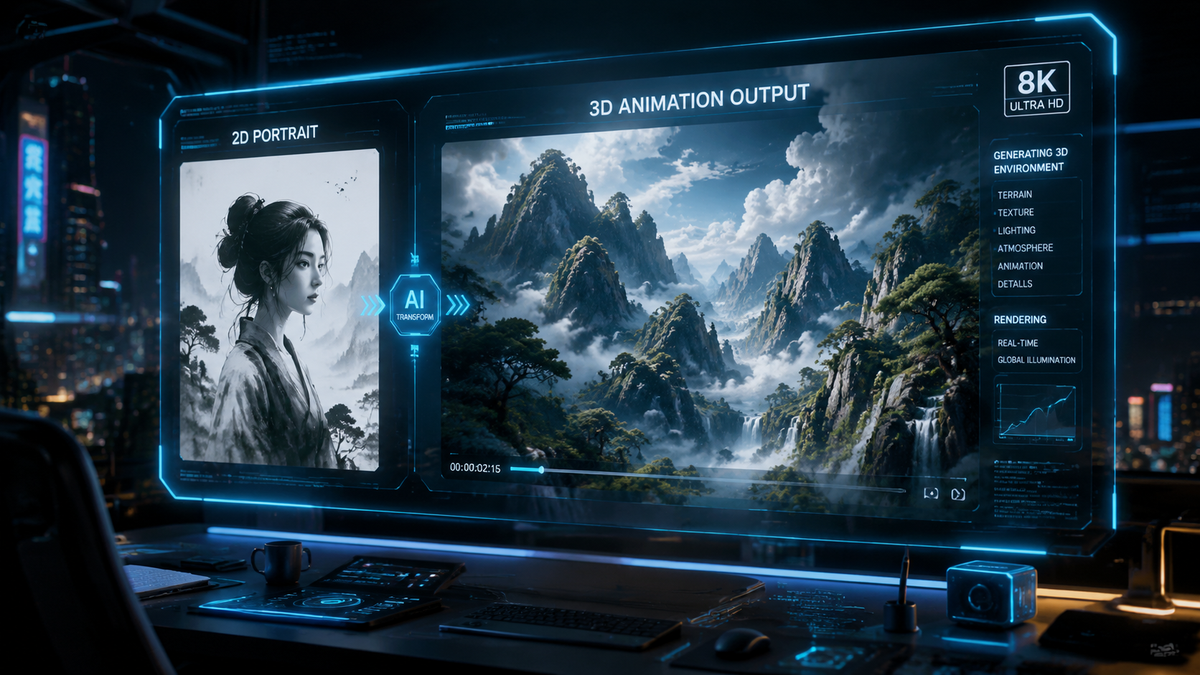
To generate AI video from image free in 2026, you can utilize advanced generative platforms like Adobe Firefly, Runway Gen-3, or the integrated tools within Shutterstock. These services allow you to upload a static image and use motion-brush or cinematic-prompting technologies to animate the scene without cost. Most leading providers offer a "freemium" model where users receive daily or monthly credits to produce high-definition video clips from their personal photographs or AI-generated art.
An AI image-to-video generator is a machine learning tool that analyzes the pixels of a static image to predict and render fluid motion. In 2026, this technology has evolved to support "talking photos" and cinematic environmental shifts, allowing users to transform any 2D visual into a high-fidelity video file using cloud-based neural networks for free.
- ✓ Adobe Firefly and Runway now offer daily free generation credits for all registered users.
- ✓ Modern 2026 AI tools support "Talking Photo" features for realistic lip-syncing from a single portrait.
- ✓ OpenAI’s Sora and Google’s integration into Shutterstock have expanded free access to cinematic video rendering.
- ✓ High-resolution outputs (up to 4K) are now standard in free tiers for specific 2026 AI video platforms.
How to Generate AI Video From Image Free (Step-by-Step)
The process of animating a static image has become remarkably streamlined in 2026. Whether you are a content creator looking to spice up social media or a professional designer prototyping a scene, the workflow remains consistent across most major platforms. By leveraging the latest updates in generative AI, you can move from a flat image to a dynamic 5-second or 10-second clip in under a minute.
According to PC Tech Magazine (May 2026), the rise of "Talking Photo" technology has made it easier than ever to create stunning visual content without specialized animation skills. The following steps outline the most efficient way to utilize these free tools today:
- Select a Platform: Choose a tool that offers a free tier, such as Adobe Firefly, Runway, or the new Google-integrated Shutterstock video suite.
- Upload Your Source Image: Import a high-quality JPG or PNG. For best results, ensure the subject is clearly defined.
- Define the Motion: Use a "Motion Brush" to highlight specific areas you want to move, or type a descriptive prompt like "gentle wind blowing through hair."
- Adjust Settings: Select your aspect ratio (e.g., 9:16 for TikTok or 16:9 for YouTube) and motion intensity.
- Generate and Download: Click the "Generate" button. Once the rendering is complete, preview the clip and download it to your device.
The Best Free AI Video Tools of 2026
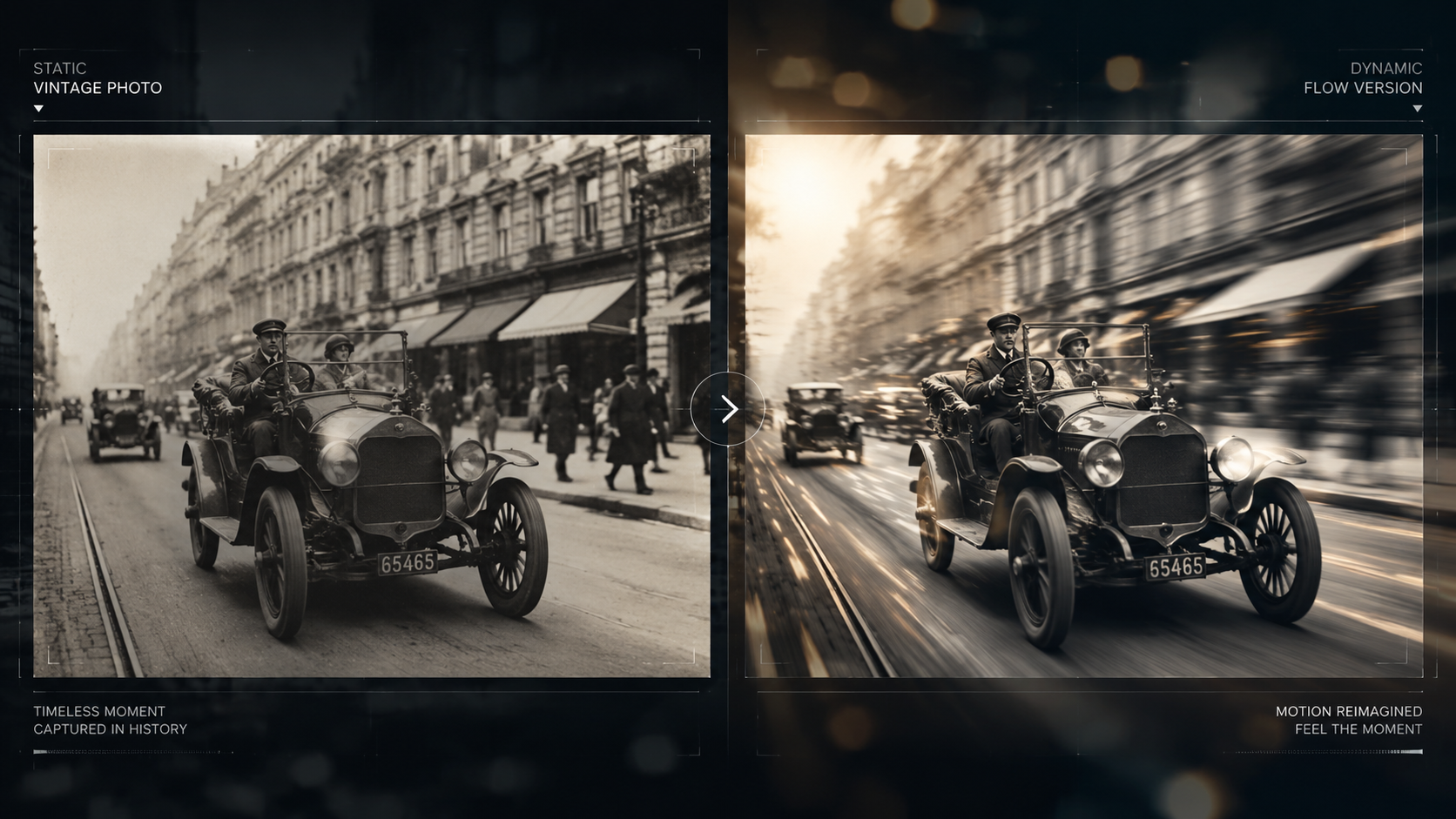
As we navigate through 2026, the landscape of generative video has shifted toward accessibility. While high-end production still requires paid subscriptions, the "free" offerings have become incredibly robust. According to ZDNET, users can now access unlimited AI video generations in Adobe Firefly for free by utilizing specific web-based credits that refresh daily, a major shift from the restrictive models of previous years.
Another major player is the collaboration between Shutterstock, Google, and Runway. As reported by Stock Titan in April 2026, Shutterstock has added Google and Runway AI capabilities to its platform, offering users two free video generations as a starting point. This allows creators to test the world's most powerful video models without an upfront financial commitment.
Adobe Firefly: The Unlimited Powerhouse
Adobe Firefly has solidified its position as a leader in the creative space. In 2026, the platform introduced a seamless "Image-to-Video" module that integrates directly with Creative Cloud. The most significant update is the ability to generate short clips using "Structure Reference," which ensures the video maintains the exact composition of your original image.
Runway Gen-3 and Beyond
Runway continues to be the pioneer of the industry. Their 2026 iterations allow for localized motion control. If you have an image of a landscape, you can specifically tell the AI to make only the river flow while keeping the mountains static. This level of granular control was previously reserved for professional VFX artists but is now available through their free-tier web interface.
Comparison of Top 2026 AI Video Generators
To help you decide which tool fits your specific needs to generate ai video from image free, we have compiled a comparison table based on the latest data from PCMag Middle East and CNET (May 2026).
| Platform | Free Tier Limit | Best Feature | Resolution |
|---|---|---|---|
| Adobe Firefly | Daily Credits | Deep Integration with Photoshop | 1080p / 4K |
| Runway AI | 2 Generations (Refreshable) | Advanced Motion Brush | 1080p |
| Shutterstock (Google/Runway) | 2 Free Clips | High-Quality Stock Integration | HD |
| OpenAI Sora | Limited Beta Access | Long-form Cinematic Video | 4K |
| PC Tech "Talking Photo" | Unlimited (Ad-supported) | Portrait Lip-Syncing | 720p |
Why Use Image-to-Video Technology in 2026?
The transition from static imagery to video is no longer just a luxury; it is a necessity for engagement. Statistics from CNET indicate that video content generated via AI sees a 40% higher retention rate on social platforms compared to static posts. By choosing to generate ai video from image free, businesses can cut production costs while maintaining a high volume of content output.
Furthermore, the "Talking Photo" trend has revolutionized internal corporate communications and education. Instead of filming a presenter, a single professional headshot can be animated to deliver a speech. This saves hours of setup, lighting, and editing. As PC Tech Magazine noted in May 2026, the realism of these talking photos has reached a point where they are nearly indistinguishable from real video recordings.
Enhancing Social Media Presence
For influencers and digital marketers, the ability to turn a product photo into a dynamic ad is invaluable. AI video tools can add "cinematic pans" or "zoom-ins" to a standard photo, creating a sense of professional cinematography. The free tools available in 2026 are now smart enough to understand the depth of an image, ensuring that foreground objects move faster than the background, creating a realistic parallax effect.
Prototyping for Filmmakers
Independent filmmakers are using these free tools to storyboard their projects. Instead of showing a static sketch, they can present a "living" storyboard. This helps in pitching ideas to studios or visualizing the lighting of a scene before a single camera is even rented. OpenAI's Sora, while still in a controlled rollout as of February 2026, has set the benchmark for what is possible in terms of visual consistency and physical accuracy.
Understanding the Technology Behind the Motion
The magic that allows you to generate ai video from image free lies in Diffusion Models and Transformers. In 2026, these models have been trained on billions of video frames, allowing them to understand how gravity, light, and liquid behave. When you upload an image of a cup of coffee, the AI doesn't just "warp" the pixels; it understands that steam should rise and the liquid should have a slight ripple.
According to research highlighted by OpenAI regarding their Sora model, the key to realistic video is "spatiotemporal consistency." This means the AI keeps track of objects even when they move behind other objects or leave the frame briefly. This technological leap is what prevents the "hallucinations" or "glitching" that were common in earlier versions of AI video tools from years past.
The Role of Latent Video Diffusion
Most free tools in 2026 utilize Latent Video Diffusion (LVD). This process starts with a "noisy" version of your image and gradually refines it into a clear video sequence. Because this happens in a compressed "latent space," the computational power required is lower, which is why companies can afford to offer these generations for free to the public.
Talking Photos and Facial Animation
The specific niche of animating human faces uses a different set of neural networks called "Audio-to-Video" sync. By analyzing the phonemes in an audio file or text-to-speech script, the AI maps the movements of the mouth, eyes, and eyebrows onto the static portrait. This has become a staple feature in the "Free AI Video Generator" suites mentioned by PC Tech Magazine.
Future Trends: What to Expect After 2026
While we are currently enjoying the peak of 2026 technology, the trajectory suggests that video generation will soon become even more interactive. We are already seeing the beginnings of "Real-time Video Manipulation," where you can change the weather or the time of day in a video generated from an image simply by moving a slider. The "free" tiers of these tools are expected to expand as the cost of GPU (Graphics Processing Unit) computing continues to decrease.
Industry experts suggest that by the end of 2026, we may see the first fully AI-generated feature-length films created entirely from a series of static images. The barrier between "image" and "video" is effectively disappearing, turning every photograph into a potential starting point for a cinematic masterpiece.
Is it really possible to generate AI video from image free?
Yes, many platforms like Adobe Firefly, Runway, and Shutterstock offer free credits or daily allowances that allow you to create high-quality AI videos from static images without a subscription. Some tools are ad-supported, while others offer a limited number of "seed" generations for new users.
Which is the best tool for talking photos in 2026?
As of May 2026, PC Tech Magazine highlights several free AI video generators that specialize in "AI Talking Photos," allowing users to animate portraits with realistic lip-syncing and facial expressions. Adobe Firefly also offers robust facial animation features within its video module.
How long are the videos generated by these free AI tools?
Most free tiers allow for clips ranging from 3 to 10 seconds. While this may seem short, these clips are designed to be looped or stitched together for social media content, advertisements, or cinematic b-roll.
Do I own the rights to the video I generate for free?
Ownership rights vary by platform. Adobe Firefly and Shutterstock generally provide commercially safe outputs, but you should always check the specific Terms of Service for the "free" tier, as some platforms may require a paid plan for full commercial usage rights.
Can I turn a 2D drawing into a 3D video?
Yes, modern 2026 AI models are capable of inferring 3D depth from 2D drawings or sketches. By using specific prompts, you can instruct the AI to "rotate the camera" or "create a 3D fly-through" based on your original 2D image.



Comments ()