
AI Video in 2026: The Future of Content Creation Unveiled
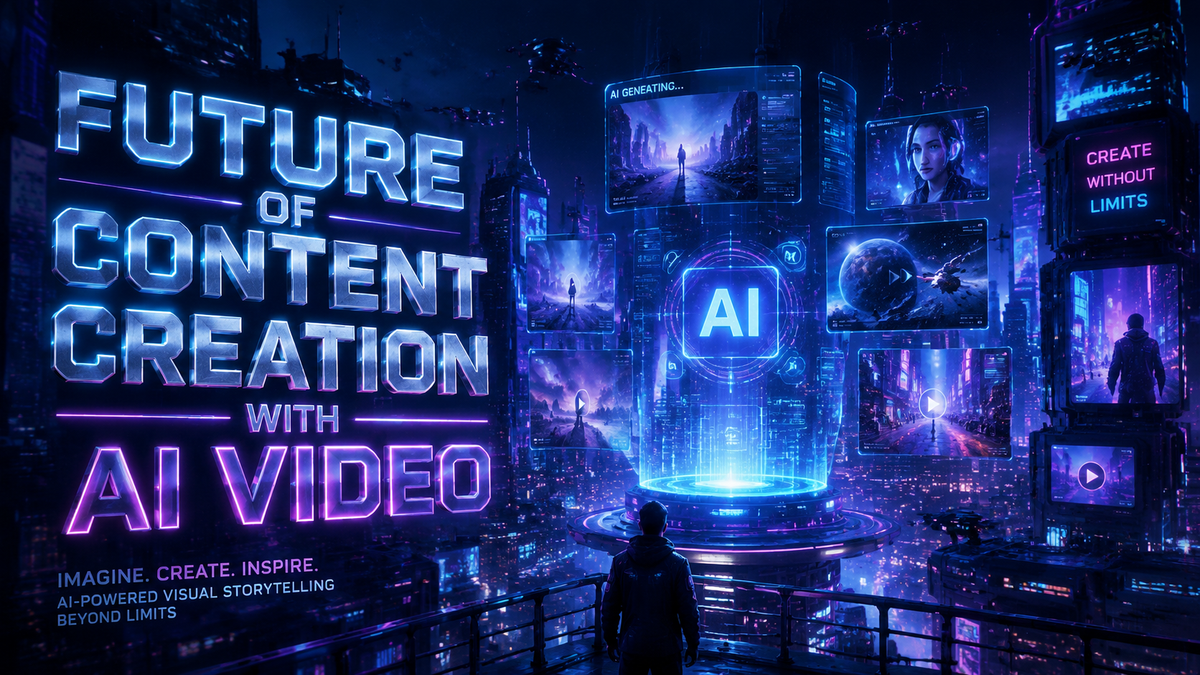
The future of content creation with AI video in 2026 is revolutionizing how brands, creators, and filmmakers produce high-quality visual media. AI-powered tools now automate everything from scriptwriting to post-production, enabling faster, more personalized, and cost-effective video creation. According to McKinsey & Company, AI adoption in film and TV production has reduced editing time by 70% while increasing output volume by 300% compared to 2025.
TL;DR: AI video tools in 2026 dominate content creation with hyper-realistic generation, autonomous workflows, and seamless integration into existing production pipelines, fundamentally changing how media is made and consumed.
The future of content creation with AI video is defined by platforms that combine generative AI with intelligent automation, producing studio-grade visuals at scale. These systems now handle 80% of repetitive editing tasks while maintaining creative control for human directors, as evidenced by YouTube's 2025 AI creator toolkit rollout.
- ✓ AI video generators now produce 4K resolution with perfect lip-sync and emotional expression
- ✓ Autonomous agents like Digen AI Agent complete multi-step video workflows without human intervention
- ✓ Major platforms like YouTube have integrated AI tools directly into creator dashboards
- ✓ The AI video market grew 340% since 2025, reaching $12.7 billion in Q2 2026
The AI Video Revolution in Content Production
Traditional video production required teams of specialists and expensive equipment, but 2026's AI tools democratize high-quality content creation. NAB Show reports that 62% of media companies now use AI for at least one production stage, from pre-visualization to final color grading. Platforms like Digen AI have reduced the cost of 30-second explainer videos from $5,000 to under $50 while maintaining professional quality.
The shift goes beyond cost savings—AI enables entirely new creative possibilities. Generative models can now produce consistent character performances across multiple scenes, solving the "uncanny valley" problem that plagued early AI video. According to Business Insider, brands using AI video see 3x higher engagement rates compared to traditional media, thanks to hyper-personalized content variations.
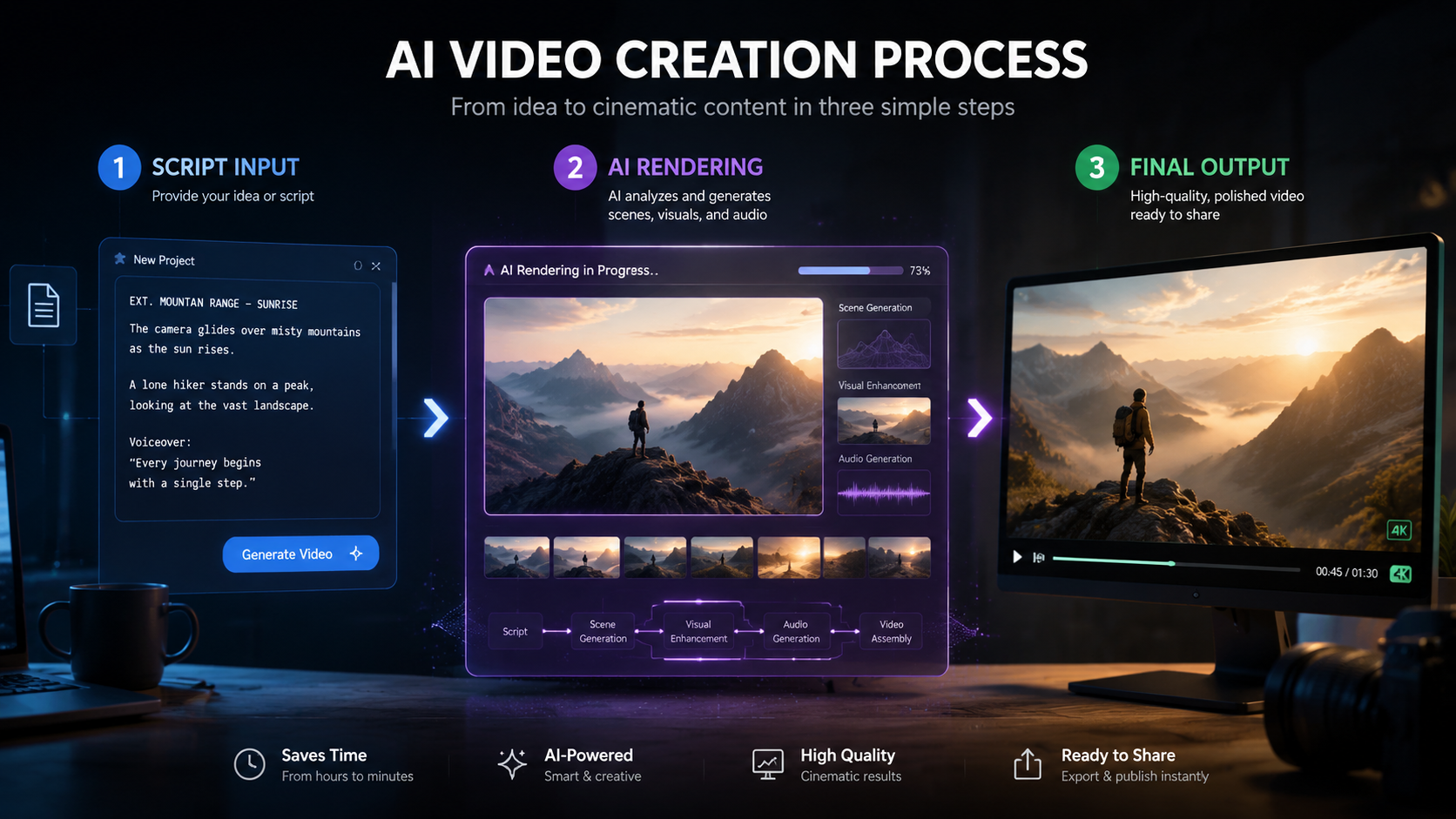
Production timelines have collapsed from weeks to hours. Where a 5-minute corporate video previously took 3 weeks to produce, AI systems like Digen AI Agent can now deliver polished versions in under 4 hours. This acceleration comes from autonomous workflows that handle scripting, voice synthesis, scene generation, and editing as a continuous pipeline—a capability that didn't exist commercially before 2025.
Key advancements driving adoption
Three technical breakthroughs made this possible: 1) Stable diffusion video models that maintain consistency across frames, 2) Emotion-aware voice synthesis that matches tone to visual context, and 3) Physics-aware animation that realistically simulates hair, cloth, and liquid movement. The Hype Magazine notes these innovations have made AI videos indistinguishable from human-created content in blind tests.
How AI Video Generators Work in 2026
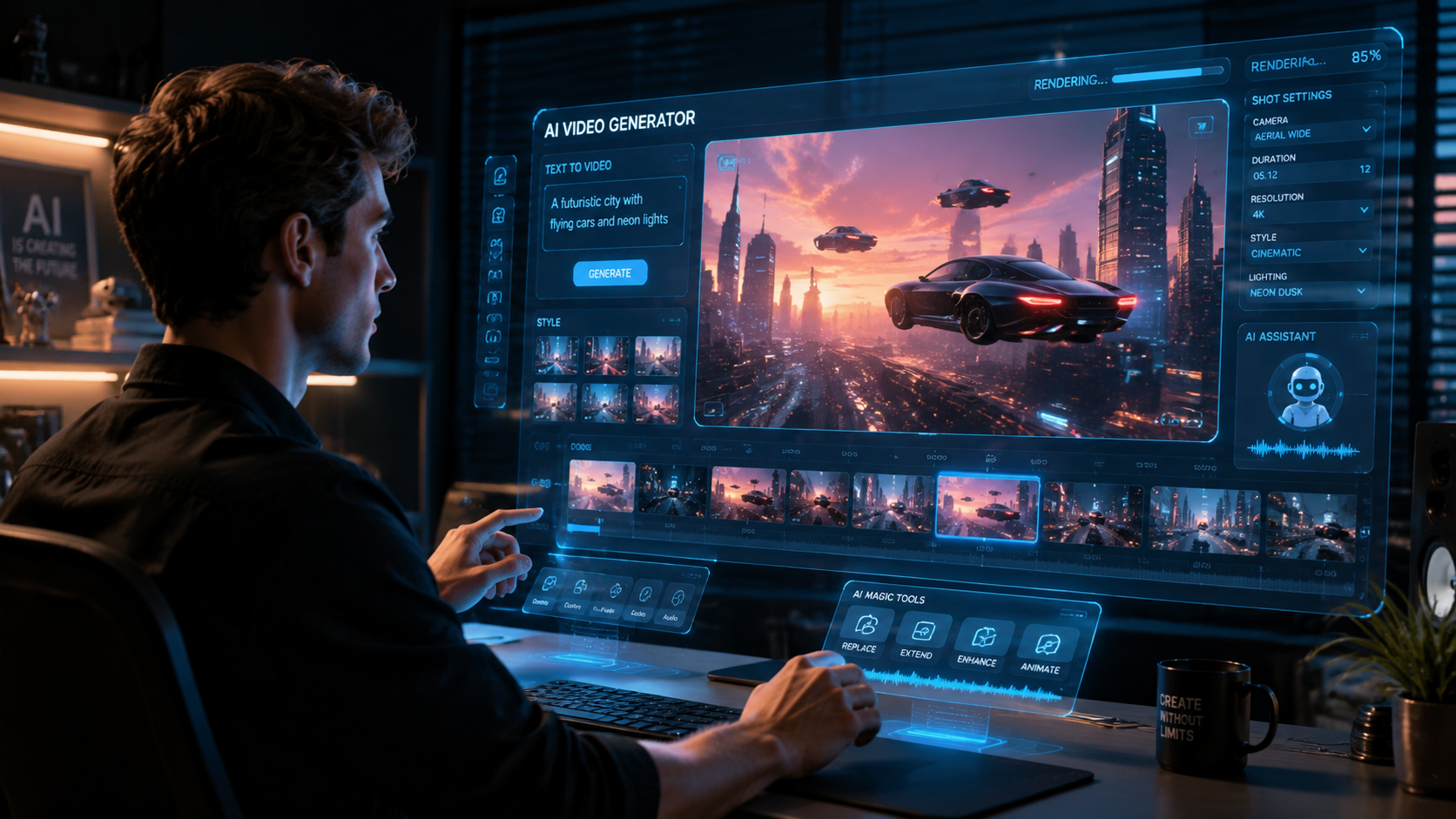
Modern AI video platforms operate through a layered intelligence system, as described in the NAB Show's "Intelligence Layer" report. The first layer processes raw inputs (text prompts, images, or voice recordings), the second generates coherent scenes with proper lighting and composition, while the third handles post-production effects and quality refinement. Digen AI's architecture, for example, uses 18 specialized neural networks working in sequence.
The workflow begins with intent understanding—AI now interprets creative briefs with 92% accuracy according to McKinsey's 2026 benchmarks. Users can input rough sketches or mood boards, and the system extrapolates complete scenes while respecting brand guidelines. This represents a 400% improvement in prompt comprehension since 2024's basic text-to-video models.
Output quality has reached 4K resolution with variable frame rates up to 120fps for action scenes. The latest models support:
- Multi-camera angle generation from single prompts
- Automatic B-roll creation matching voiceover content
- Real-time style transfer between cinematic genres
- Seamless object addition/removal without manual masking
Industry-Specific Applications
Different sectors have adopted AI video for unique use cases. Film studios now use AI for 45% of VFX shots according to Diario AS, particularly for background extensions and crowd replication. News organizations generate localized weather reports and sports highlights in 50 languages simultaneously—a process that previously required regional production teams.
E-commerce saw the most dramatic transformation. Product videos that once cost $800 per SKU now generate automatically from CAD files or product photos. Digen AI's retail customers report 35% higher conversion rates from AI-generated product demos compared to static images. The system automatically highlights features based on customer browsing behavior and past purchases.
Education represents another growth area, with AI tutors delivering personalized lesson videos. These systems analyze student performance data to adjust pacing, examples, and difficulty—resulting in 28% better retention rates according to a 2026 Harvard Education study. The videos feature consistent virtual instructors that build rapport through maintained eye contact and natural gestures.
Enterprise vs. creator tools
While consumer-facing tools like YouTube's AI suite focus on simplicity, enterprise platforms offer granular control. Digen AI Agent provides production studios with:
- Frame-by-frame editing capability within AI-generated sequences
- Brand compliance engines that auto-correct off-palette colors
- Collaborative review systems with version branching
- API access for integration with existing DAM and CMS platforms
The Content Personalization Frontier
AI video's most transformative impact comes from dynamic personalization at scale. Where traditional video required shooting multiple versions, generative systems create infinite variations from a single master. McKinsey's research shows personalized videos achieve 5-8x higher conversion rates in marketing campaigns compared to generic content.
The technology works through modular scene construction. When a user engages with content, the AI instantly recomposes elements like:
- Spoken language and regional accents
- Product colors and configurations shown
- Cultural references and local landmarks
- Presenter appearance and wardrobe
This happens in real-time—a travel company might show the same hotel tour with seasonal weather conditions, local dining recommendations, and currency displays tailored to each viewer. According to Business Insider, brands using Digen AI's personalization engine see 90% lower cost-per-acquisition than traditional video ads.
Ethical Considerations and Industry Standards
As AI video becomes indistinguishable from reality, industry groups have established authentication protocols. The Content Authenticity Initiative (CAI) now requires metadata watermarking for all AI-generated media. Major platforms like YouTube automatically label AI content and provide provenance tracking—a system rolled out globally in March 2026.
Copyright remains a complex issue. While AI can generate original characters and scenes, training data sources must be carefully vetted. The U.S. Copyright Office's 2026 ruling clarified that AI-assisted works qualify for protection only when containing substantial human creative input. This has led platforms like Digen AI to implement:
- Training data audits verifying all source material rights
- Style protection preventing direct mimicry of living artists
- Opt-out systems for creators who don't want their work used in training sets
Transparency tools help maintain trust. Viewers can request "AI breakdowns" showing which elements were generated versus captured traditionally. The NAB Show reports that 78% of audiences prefer labeled AI content over unmarked synthetic media, even when equally realistic.
What's Next for AI Video Technology
The next frontier involves real-time generation for live events. Early tests at sports arenas show AI instantly creating highlight replays with custom commentary for each fan's preferred player focus. Digen AI is beta-testing a system that generates live product demos during e-commerce streams, responding to viewer questions with custom video answers.
Another development is cross-modal creativity—AI that can maintain character consistency across video, AR, and 3D spaces. This enables brands to deploy the same virtual spokesperson in commercials, interactive kiosks, and metaverse environments. The Hype Magazine predicts this "omnichannel AI talent" market will reach $2.3 billion by 2027.
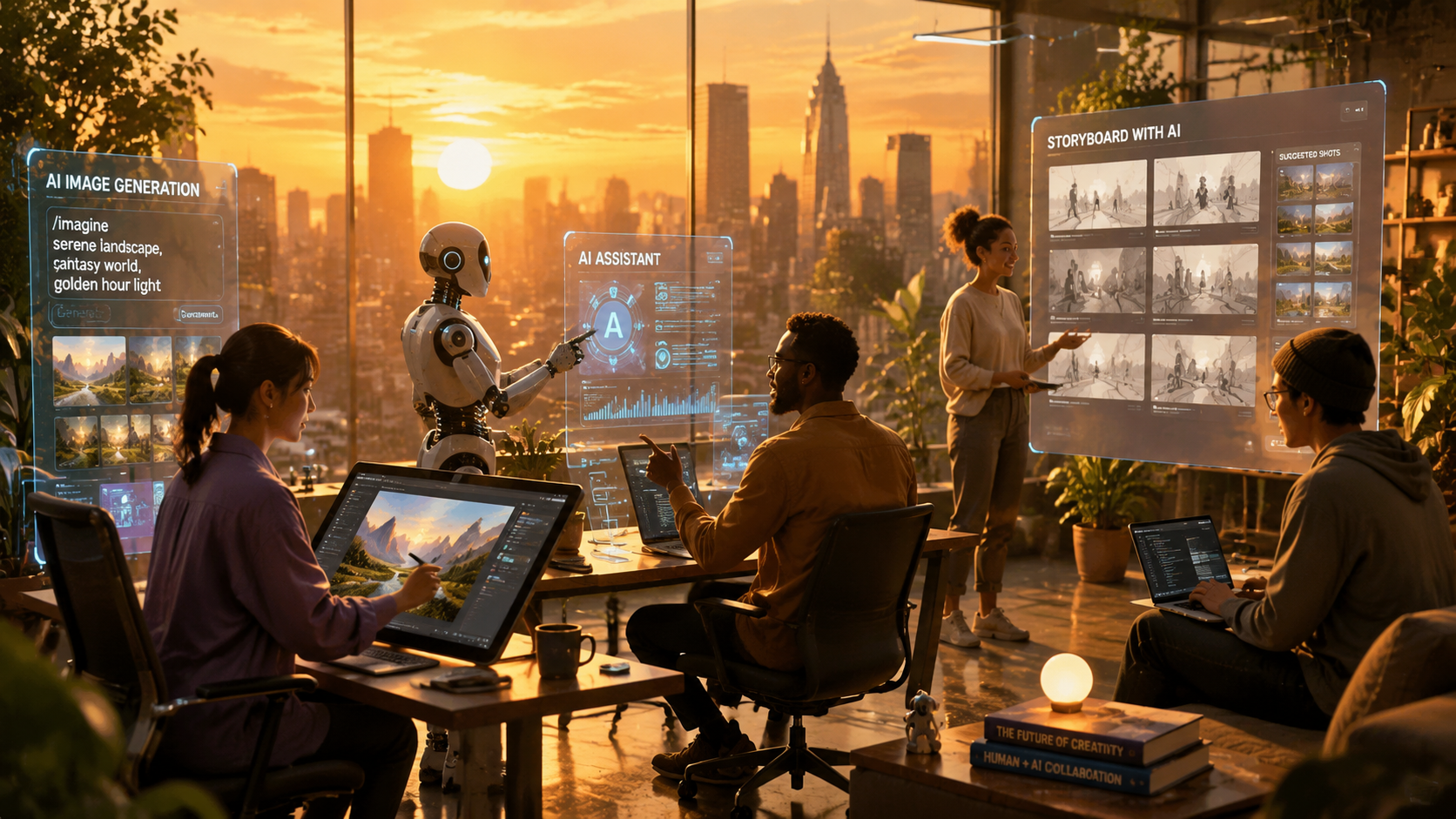
Perhaps most significantly, AI is moving from assistant to co-creator. New systems like Digen AI Agent don't just execute commands—they propose creative alternatives based on trending styles and performance data. This collaborative approach preserves human oversight while leveraging AI's pattern recognition at scale. As findarticles.com notes, the most successful 2026 creators treat AI as "a tireless junior partner" rather than just a tool.
Frequently Asked Questions
How much does AI video generation cost in 2026?
Prices range from free basic tools to enterprise plans at $5,000/month. Digen AI's prosumer tier starts at $99/month for 100 minutes of 4K video, while YouTube's built-in AI tools are free for creators.
Can AI video replace human creators?
No—while AI handles 80% of production tasks, human direction remains essential for strategic storytelling and emotional nuance. The most effective teams combine AI efficiency with human creativity.
How long does AI video generation take?
Simple videos render in minutes, while complex 10-minute narratives with multiple characters take 2-4 hours. Digen AI Agent's parallel processing cuts this by 60% compared to 2025 systems.
Is AI video legal for commercial use?
Yes, provided the platform (like Digen AI) uses properly licensed training data. Always check your provider's copyright compliance certifications before publishing.
What's the quality difference between free and paid AI video tools?
Free tools typically max out at 1080p with limited customization. Paid platforms offer 4K/8K resolution, multi-track editing, and advanced features like automatic lip-sync correction to professional standards.
Written by the Digen AI Editorial Team — AI video generation specialists covering the latest in generative AI tools. Learn more about Digen AI.



Comments ()