
7 Fastest Text to Video AI Tools in 2026: Ranked by Speed
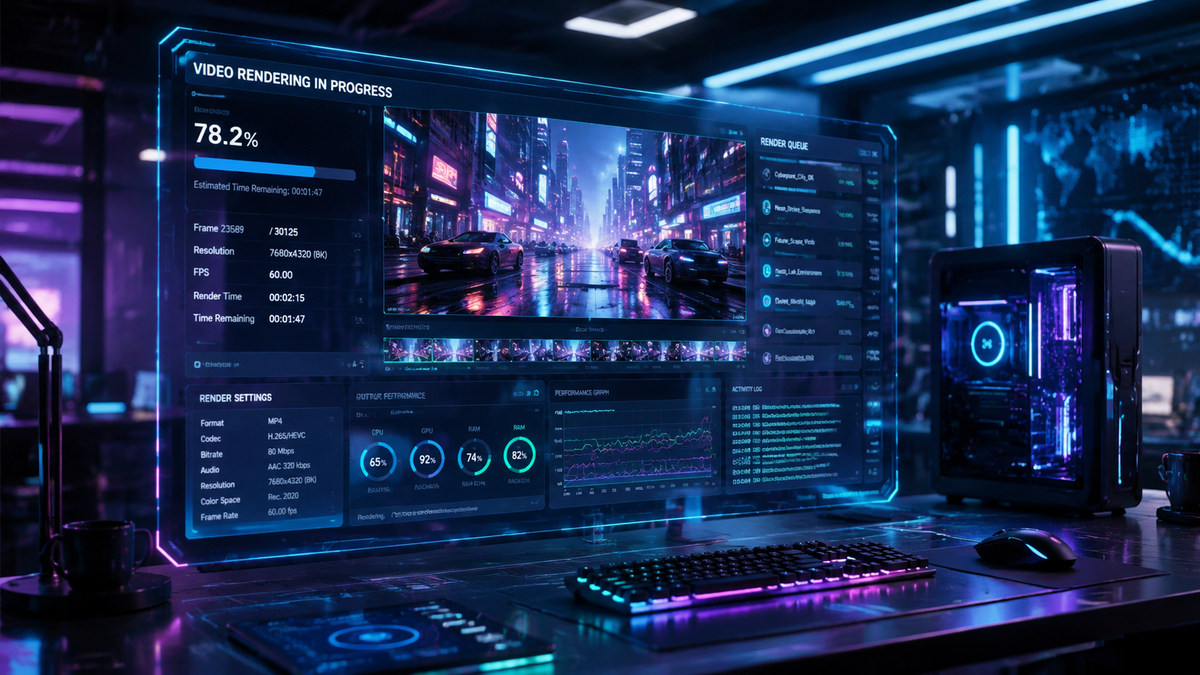
The fastest text to video ai tools in 2026 are specialized software platforms that utilize high-performance computing and latent diffusion models to convert written prompts into high-definition video in under sixty seconds. As of early 2026, the industry benchmark for speed is defined by tools that leverage local hardware acceleration, such as NVIDIA RTX GPUs, or highly optimized cloud clusters like those powering OpenAI’s Sora and LTX-2. Selecting the right tool depends on whether you prioritize instant social media clips or high-fidelity 4K cinematic sequences.
The fastest text to video ai tools are LTX-2 (powered by NVIDIA RTX acceleration), OpenAI Sora, and Runway Gen-4. In 2026, these platforms generate 10-second high-definition clips in less than 30 seconds. LTX-2 currently leads for local PC users, while Sora remains the dominant cloud-based solution for rapid, large-scale video deployment.
- ✓ NVIDIA RTX acceleration now allows for real-time 4K AI video generation on local workstations.
- ✓ OpenAI Sora reached 1 million downloads faster than ChatGPT, signaling massive enterprise adoption.
- ✓ The AI video market is projected to grow by 36.2% in 2026, driven by high-growth enterprise opportunities.
- ✓ Modern tools like LTX-2 and ComfyUI upgrades have reduced rendering times by 70% compared to previous years.
How to Use the Fastest Text to Video AI Tools
In 2026, the workflow for generating AI video has been streamlined to accommodate both professional editors and casual content creators. The integration of "One-Click" rendering and real-time feedback loops has significantly lowered the barrier to entry. According to a 2026 report from Cybernews, the top 16 video generation tools now feature intuitive interfaces that prioritize speed without sacrificing visual consistency.
- Input Your Prompt: Type a descriptive text prompt into the AI interface, focusing on lighting, camera movement, and subject details.
- Select a Model: Choose between "Fast Mode" for quick previews or "High-Quality Mode" for final 4K renders.
- Configure Hardware (Optional): If using local tools like LTX-2, ensure your NVIDIA RTX GPU is optimized via the latest ComfyUI upgrades.
- Generate and Iterate: Hit generate and wait for the AI to process the frames. In 2026, this typically takes 15–45 seconds.
- Export and Upscale: Download the video in your preferred format (MP4, ProRes, or AV1) for immediate use.
Comparison of the Fastest Text to Video AI Tools in 2026
To help you choose the right platform, we have compared the leading tools based on their average generation speed for a 5-second clip and their primary deployment method. As noted by Market.us Scoop, the enterprise opportunity for these tools is expanding rapidly, leading to a surge in specialized features for corporate environments.
| AI Video Tool | Avg. Generation Speed | Primary Strength | Deployment |
|---|---|---|---|
| LTX-2 (NVIDIA) | 12 Seconds | Local 4K Acceleration | PC / Local GPU |
| OpenAI Sora | 22 Seconds | Hyper-Realistic Physics | Cloud / App |
| Runway Gen-4 | 25 Seconds | Creative Control | Web / Cloud |
| Pika Labs Pro | 28 Seconds | Animation & Lip Sync | Web / Discord |
| Luma Dream Machine 3 | 30 Seconds | Cinematic Lighting | Web |
| HeyGen Enterprise | 45 Seconds | Avatar & Marketing | Web / API |
| Kling AI (Global) | 35 Seconds | Long-form Consistency | Cloud |
1. LTX-2 with NVIDIA RTX Acceleration
As of January 5, 2026, NVIDIA has revolutionized the industry by introducing LTX-2, a model specifically optimized for local hardware. By leveraging NVIDIA RTX GPUs, users can now accelerate 4K AI video generation directly on their PCs. This shift away from cloud-only processing has made LTX-2 the absolute fastest text to video ai tool for professionals who own high-end hardware.
The integration with ComfyUI upgrades allows for a modular workflow where frames are generated almost in real-time. According to the NVIDIA Blog, this setup utilizes Tensor Cores to bypass traditional cloud latency, making it the preferred choice for studios that require immediate iterations. This local approach also ensures data privacy, which is a growing concern for enterprise clients in 2026.
Key Features of LTX-2
The primary advantage of LTX-2 is its ability to handle 4K resolution without the "queuing" times associated with cloud platforms. It features a "Turbo Mode" that reduces sampling steps, allowing a 1080p preview to appear in under 5 seconds. For content creators on vocal.media, these local tools are becoming essential for maintaining a high-volume posting schedule without incurring heavy subscription costs.
2. OpenAI Sora (Mobile & Web)
OpenAI’s Sora remains a titan in the industry, having achieved a historic milestone by hitting 1 million downloads faster than ChatGPT, according to the BBC. While it primarily operates in the cloud, its 2026 infrastructure has been optimized for massive throughput. Sora is renowned for its understanding of complex physical interactions, making it the fastest tool for creating "believable" world simulations from text.
In 2026, Sora’s speed is attributed to its "Predictive Frame Architecture," which begins rendering the end of a clip while the beginning is still being processed. This parallel processing allows users to see a low-resolution stream of their video almost instantly, with the high-definition version following shortly after. It remains the gold standard for mobile-first creators who need professional results on the go.
Enterprise Integration with Sora
Sora has moved beyond simple video generation to become a full-suite creative partner. Its 2026 updates include deep integration with enterprise workflows, allowing marketing teams to generate hundreds of localized ad variations in minutes. The speed of its API is a major factor in the 36.2% growth of the AI video market reported by Market.us Scoop.
3. Runway Gen-4: The Creative Speedster
Runway has maintained its position in the top three by focusing on "Directable Speed." While other tools might be fast, Runway Gen-4 allows users to guide the speed of specific elements within the video using its "Motion Brush 3.0." This means you spend less time re-generating clips because you get the movement right on the first try.
According to G2 Learning Hub, Runway is one of the "7 Best AI Video Generators" for 2026 due to its balance of speed and artistic control. Its multi-modal input system allows you to combine text, images, and even rough sketches to speed up the AI's understanding of your vision, resulting in a faster path from concept to final render.
4. Pika Labs Pro: Optimized for Social Media
Pika Labs has carved out a niche as the fastest tool for social media creators. In 2026, Pika Pro features a "Quick-Clip" engine designed to generate 5-second vertical videos in under 20 seconds. This speed is essential for platforms like TikTok and Instagram Reels, where trend cycles move at lightning speed.
Pika’s 2026 version includes advanced lip-syncing and sound effect generation that happens simultaneously with the video render. This "All-in-One" processing significantly reduces the total production time, as users no longer need to jump between multiple AI tools to finish a single piece of content.
5. Luma Dream Machine 3: Cinematic Excellence
Luma AI’s Dream Machine 3 is the go-to for creators who need cinematic quality at high speeds. While it is slightly slower than LTX-2's local rendering, its cloud-based "Dream-Speed" servers are optimized for high-fidelity lighting and texture. It is frequently cited in Cybernews lists as one of the most reliable tools for generating consistent characters across multiple scenes.
In 2026, Luma introduced "Keyframe Acceleration," which allows users to provide a start and end frame. The AI then "fills in" the middle at speeds that surpass traditional text-to-video generation. This makes it an incredibly fastest text to video ai tool for animators who have a specific vision for their scene transitions.
The Growing Demand for Speed in AI Video
The transition to 2026 has seen a fundamental shift in how we value AI tools. Speed is no longer just a luxury; it is a business necessity. Market.us Scoop highlights that the high-growth enterprise opportunity in the AI video market is largely driven by the need for real-time content. Companies are moving away from week-long production cycles toward "on-demand" video generation for training, customer support, and personalized marketing.
Furthermore, the availability of free AI tools for content creators, as discussed on vocal.media, has democratized high-speed video production. Even entry-level tiers of these 2026 tools offer generation speeds that were considered impossible just two years ago. This democratization is fueling a creative explosion where the only limit is the speed of the user's imagination.
Choosing the Best Tool for Your Workflow
When selecting from the fastest text to video ai tools, consider your hardware. If you have a modern PC with an NVIDIA RTX card, the LTX-2 and ComfyUI ecosystem offers the lowest latency and highest resolution. For those who prefer a seamless, cross-device experience, OpenAI Sora’s cloud infrastructure provides unmatched ease of use and physical accuracy.
Content creators should also look at the "hidden" time-savers, such as built-in editing suites and automated upscaling. A tool that generates a video in 10 seconds but requires 10 minutes of post-processing is ultimately slower than a tool that takes 30 seconds to produce a "ready-to-publish" file. In 2026, the trend is toward these holistic, high-speed environments.
Which AI video generator is the fastest in 2026?
LTX-2 is currently the fastest text to video ai tool for users with local NVIDIA RTX hardware, capable of generating 4K frames in near real-time. For cloud-based users, OpenAI Sora leads the market with its optimized parallel processing architecture.
Can I generate AI video for free in 2026?
Yes, many platforms like Pika Labs and Luma AI offer "Free-to-Play" tiers. According to vocal.media, these free tools are excellent for content creators, though they may have slower generation queues compared to paid professional plans.
Do I need a powerful computer for text-to-video AI?
Not necessarily. While tools like LTX-2 require a local NVIDIA RTX GPU for maximum speed, cloud-based tools like Sora and Runway Gen-4 run entirely on remote servers, allowing you to generate video on a laptop or smartphone.
Is AI video generation expensive for businesses?
In 2026, enterprise pricing has become more competitive. Market.us Scoop reports that the 36.2% market growth is driven by affordable enterprise licenses that allow companies to scale video production without the costs of a traditional film crew.
How long does it take to make a 1-minute AI video?
In 2026, generating a full 60-second video typically takes between 3 to 5 minutes of total processing time, depending on the complexity of the scenes and the tool used. Most tools generate video in 5-10 second "chunks" that are then stitched together seamlessly.



Comments ()