
Top Emerging AI Video Generator Trends for 2026
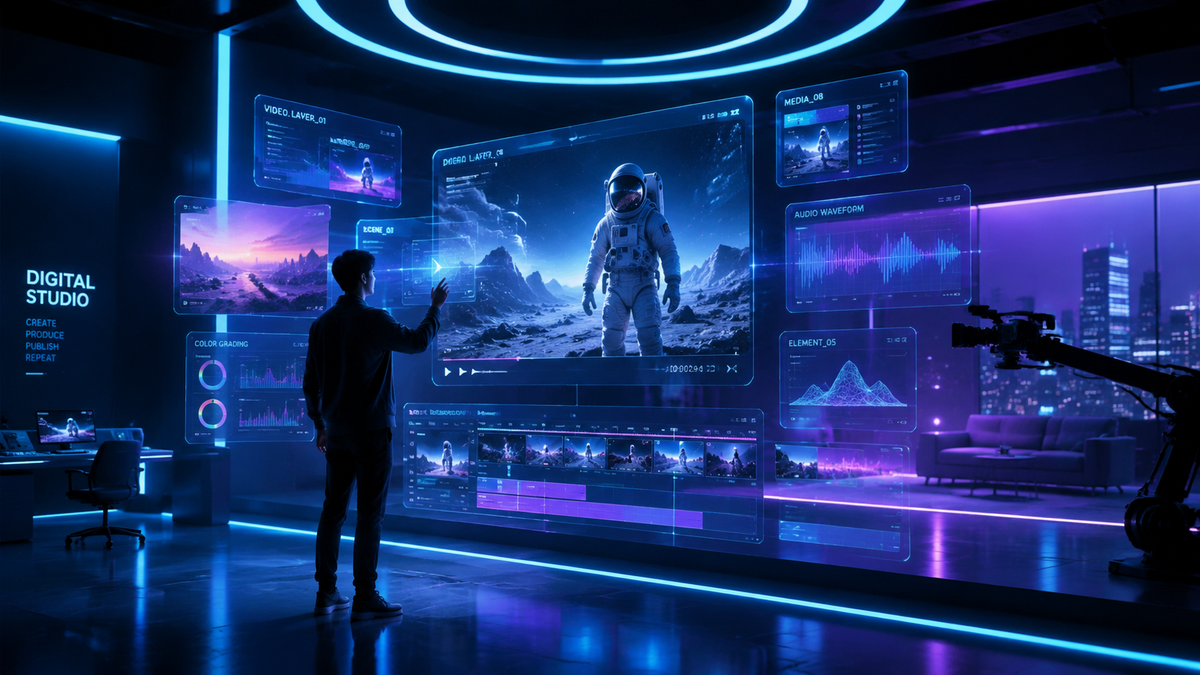
The emerging ai video generator trends of 2026 are defined by a shift toward hyper-realistic long-form content, real-time interactive rendering, and a surge in specialized sub-segments for niche industries. As the market expands with a projected compound annual growth rate (CAGR) of 36.20%, these trends are revolutionizing how brands, filmmakers, and legal professionals interact with synthetic media. Navigating this landscape requires understanding the balance between creative acceleration and the increasing need for digital authenticity and legal reform.
Emerging ai video generator trends in 2026 represent the evolution of generative media from short clips to full-scale cinematic production and personalized marketing. Key trends include the rise of industry-specific AI models, the integration of 4D consistency in video synthesis, and the implementation of robust legal frameworks to manage deepfake technology and intellectual property in a high-growth market.
- ✓ The AI video market is experiencing explosive growth with a CAGR of 36.20% according to recent Market.us data.
- ✓ Emerging sub-segments are diversifying the market, moving beyond general-purpose tools into specialized professional niches.
- ✓ Legal and ethical reforms are becoming a central focus to address the challenges of deepfakes in courtrooms and advertising.
- ✓ Global AI film competitions are now the primary stage for showcasing breakthroughs in narrative consistency and visual fidelity.
How to Leverage Emerging AI Video Generator Trends
Adapting to the fast-paced changes in generative media requires a structured approach. As we move through 2026, organizations are no longer just "testing" AI; they are integrating it into the core of their creative pipelines. Following a standardized workflow ensures that you stay ahead of the competition while maintaining ethical standards.
- Identify Niche Sub-Segments: Evaluate your specific industry needs—whether it is legal visualization, medical training, or brand storytelling—to choose a specialized AI model rather than a general-purpose generator.
- Implement Verification Protocols: Given the rise of deepfakes, integrate digital watermarking and provenance tracking into your video export process to ensure transparency.
- Optimize for Real-Time Rendering: Use 2026-era hardware acceleration to move from asynchronous generation to real-time interactive video previews.
- Align with Legal Standards: Consult the latest 2026 legal reform guidelines, especially for content intended for use in official or high-stakes environments like courtrooms or global ad campaigns.
- Iterate via Global Competitions: Participate in or study entries from the largest AI film competitions to understand the latest techniques in prompt engineering and temporal consistency.
The Expansion of the AI Video Market in 2026
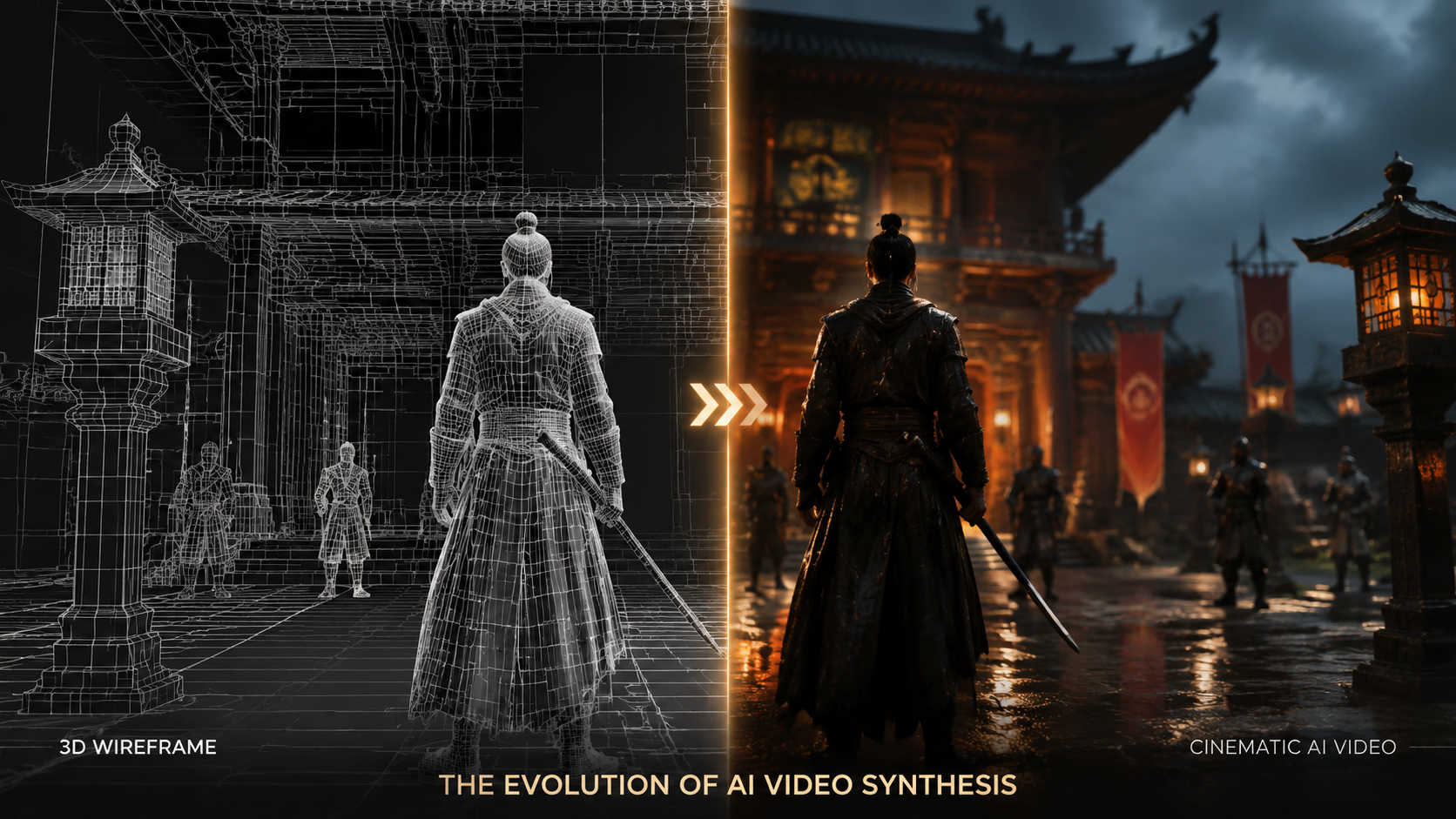
The landscape of artificial intelligence has shifted from experimental to essential. According to Market.us, the AI video market share and size have reached unprecedented levels, driven by a staggering CAGR of 36.20%. This growth is not merely a result of more people using the tools, but rather the increasing complexity and utility of the videos produced. In 2026, we are seeing the transition from "AI-assisted" video to "AI-native" video production, where the entire creative process is built around generative capabilities.
This massive growth is fueled by the democratization of high-end visual effects. What once required a Hollywood-sized budget and a team of hundreds can now be achieved by small creative agencies. However, this scale has also led to a saturated market, forcing developers to find new ways to differentiate their offerings. This has led to the "sub-segmentation" of the market, where tools are being fine-tuned for specific tasks like architectural visualization, social media "shorts," or enterprise-level training simulations.
Market Growth Statistics and Projections
| Metric | 2025 Data/Projections | 2026-2034 Outlook |
|---|---|---|
| Market Growth Rate (CAGR) | 36.20% | Accelerating in Niche Sectors |
| Primary Growth Driver | General Content Creation | Industry-Specific Sub-Segments |
| Legal Oversight | Minimal / Developing | Strict Reform and Compliance |
| Primary User Base | Early Adopters & Tech Enthusiasts | Global Brands, Agencies, and Legal Firms |
Emerging AI Video Generator Trends in Sub-Segment Specialization
One of the most significant shifts identified by openPR.com in May 2026 is the transformation of the market landscape through emerging sub-segments. Instead of a "one-size-fits-all" model, 2026 is the year of the specialized engine. These sub-segments are designed to handle the unique physics, lighting, and terminology of specific industries. For example, an AI video generator designed for the medical field now understands anatomical accuracy in a way that a general creative tool cannot.
Furthermore, these sub-segments are addressing the "uncanny valley" problem that plagued earlier versions of AI video. By focusing on specific domains, developers can train models on curated, high-quality datasets that are relevant to that field. This results in higher temporal consistency—meaning the video doesn't "flicker" or change unnaturally between frames—which has been the holy grail of AI video development for years.
The Rise of AI Filmmaking and Global Competitions
As reported by PR Newswire in March 2026, the largest AI film competitions are now highlighting emerging trends in global filmmaking. These events serve as a barometer for what the technology is truly capable of. In 2026, the trend is moving toward "Narrative AI," where the focus is on character persistence and emotional depth. Filmmakers are using AI to create entire worlds that remain visually consistent across a 90-minute feature film, a feat that was considered nearly impossible just two years ago.
Legal Reforms and the Ethics of Synthetic Media
With the proliferation of high-quality synthetic media, the legal system has been forced to catch up. A report from the University of Colorado Boulder in late 2025 called for significant legal reforms to address the "troubling trend" of deepfakes and AI in the courtroom. By 2026, these reforms are beginning to take shape, influencing how emerging ai video generator trends are implemented by developers and users alike.
The primary concern is the potential for AI-generated video to be used as fraudulent evidence or to spread misinformation. In response, 2026 has seen the introduction of "Digital Evidence Standards," which require any AI-generated or AI-enhanced video to carry a cryptographic signature. This trend is not just a hurdle for creators; it is a burgeoning industry in itself, as companies scramble to provide "truth-verification" services for digital media.
Brand Safety and Agency Adoption
According to Ad Age, brands and agencies are now prioritizing "Ethical AI" in their marketing stacks. The trend in 2026 is toward "Closed-Loop Synthetic Environments," where brands train AI models on their own licensed footage to avoid copyright infringement. This ensures that the emerging ai video generator trends do not lead to legal liabilities. Agencies are now expected to provide full disclosure on the extent of AI involvement in any commercial production, a practice that has become a standard in 2026 agency-client contracts.
Technological Breakthroughs: 4D Consistency and Real-Time Interaction
The technical side of emerging ai video generator trends is dominated by the move toward 4D consistency. While 3D refers to the spatial dimensions, the fourth dimension—time—is where AI video has historically struggled. In 2026, new diffusion architectures have solved the "fluidity" problem, allowing for realistic physics in generated videos. Whether it is the way hair moves in the wind or the way light reflects off a moving car, the realism is now indistinguishable from traditional cinematography.
Another major trend is the shift toward interactive video. In 2026, we are no longer just watching a video generated by AI; we are interacting with it. Users can change the lighting, the camera angle, or even the dialogue of a video in real-time as it plays. This "Live-Generative Streaming" is becoming a staple in the gaming and live events industries, providing a personalized experience for every viewer.
The Role of Hyper-Personalization in 2026
Hyper-personalization has moved beyond putting a customer's name in an email. In 2026, emerging ai video generator trends allow for the creation of unique video advertisements for every single viewer. If a viewer lives in a rainy climate, the AI generates a version of the ad featuring rainy weather and appropriate products. This level of automation is driven by the 36.20% CAGR in the market, as companies invest heavily in the infrastructure needed to render millions of unique video streams simultaneously.
Future Outlook: AI Video Generator Trends 2026-2034
Looking toward the next decade, the report from openPR.com suggests that the period between 2026 and 2034 will be characterized by the "Invisibilization of AI." This means that AI will become so deeply embedded in the video production workflow that we will stop calling it "AI video." It will simply be "video." The distinction between captured footage and generated footage will continue to blur, leading to a new era of "Hybrid Media."
As we navigate the remainder of 2026, the focus will remain on refining these tools to be more intuitive. We are moving away from complex "prompting" and toward "intent-based" creation. Instead of typing a 500-word prompt, creators in 2026 use voice commands and gestural interfaces to direct the AI, much like a film director directs a crew on set. This evolution is the natural progression of the emerging ai video generator trends we see today.
What are the top emerging ai video generator trends in 2026?
The top trends include the rise of industry-specific sub-segments, 4D temporal consistency for realistic motion, and the integration of real-time interactive video. Additionally, there is a major focus on legal compliance and deepfake detection as the market grows.
How fast is the AI video generator market growing?
According to recent market reports from Market.us, the AI video market is growing at a compound annual growth rate (CAGR) of 36.20%. This growth is driven by increased adoption in filmmaking, advertising, and professional training sectors through 2026.
Why is legal reform important for AI video in 2026?
Legal reform is crucial to address the "troubling trend" of deepfakes being used in courtrooms and for misinformation. Reports from institutions like the University of Colorado Boulder emphasize the need for new laws to govern synthetic media and protect digital authenticity.
How are brands using AI video generators in 2026?
Brands are using AI for hyper-personalized advertising and "Closed-Loop" content creation. By training models on their own assets, they can generate high volumes of consistent, brand-safe video content for global audiences without copyright risks.
What is "sub-segmentation" in the AI video market?
Sub-segmentation refers to the development of AI video tools tailored for specific industries, such as healthcare, real estate, or legal services. These tools offer higher accuracy and specialized features that general-purpose AI generators cannot provide.
Comments ()