
Deevid AI Video Workflow Review 2026: Ultimate Guide
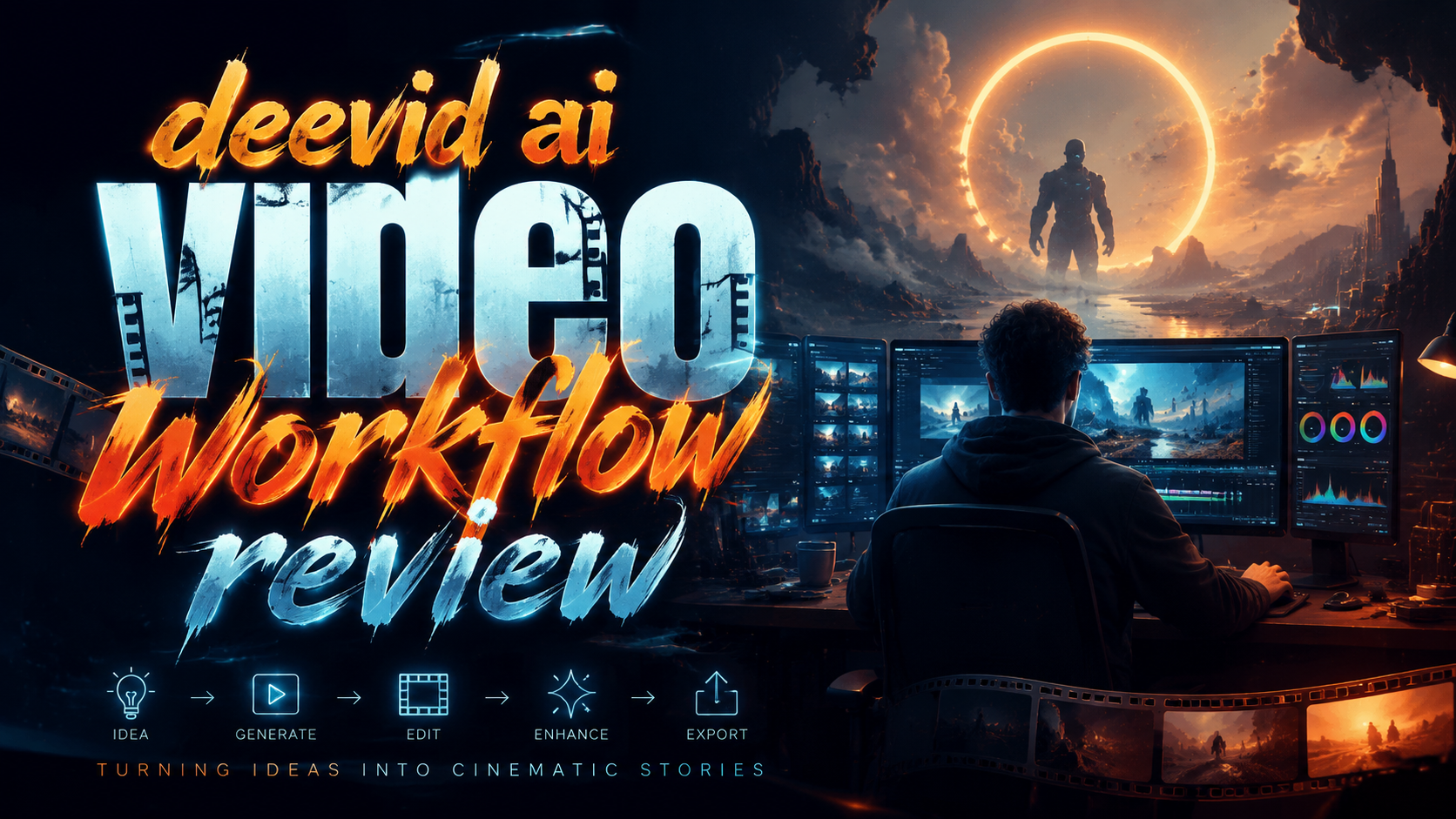
Deevid AI has emerged as one of the most powerful AI video generation platforms in 2026, offering an advanced workflow that combines text-to-video, image-to-video, and AI agent-assisted editing. This Deevid AI video workflow review examines its latest features, pricing, and real-world performance based on recent industry reports. Whether you're a content creator, marketer, or business owner, understanding this tool's capabilities can help streamline professional video production.
TL;DR: Deevid AI's 2026 workflow stands out for its multi-model integration and AI agent assistance, making it a top choice for automated video creation according to recent industry evaluations.
Deevid AI is an advanced video generation platform that transforms text, images, and existing videos into professional content using cutting-edge AI models, with its 2026 workflow featuring new automation capabilities that significantly reduce production time while maintaining quality.
- ✓ Integrates multiple AI models for text, image, and video processing in one workflow
- ✓ New AI video agent feature automates repetitive editing tasks
- ✓ Produces studio-quality outputs from simple text prompts
- ✓ Recognized among top AI video tools in 2026 industry comparisons
- ✓ Offers flexible pricing suitable for both individuals and enterprises
What Makes Deevid AI's Video Workflow Unique in 2026?
The Deevid AI platform distinguishes itself through its unified workflow that combines three key capabilities: text-to-video generation, image enhancement, and intelligent video editing. According to Yahoo Finance, the December 2025 update introduced an AI video agent that learns user preferences to automate repetitive editing tasks, reducing production time by up to 70% for frequent users.
Unlike simpler video generators, Deevid AI processes multiple input types simultaneously. You can feed it a script, supporting images, and style references, and the system intelligently combines these elements into a cohesive video. The European Business Magazine ranked it among the top 3 AI video tools in 2026 specifically for this multi-modal processing capability.
The platform's real strength lies in its adaptive learning system. The more you use Deevid AI, the better its AI agents understand your brand guidelines, preferred transitions, and pacing preferences. This personalization aspect has made it particularly popular with marketing teams that need to maintain consistent branding across numerous video assets.
Core Components of the Deevid AI Workflow
1. Text Processing Engine: Analyzes scripts for key concepts and automatically suggests visual elements
2. Media Enhancement Module: Upscales and stylizes uploaded images/videos to match target quality
3. AI Video Agent: Handles repetitive tasks like caption generation and scene transitions
Deevid AI Video Workflow Review: Key Features Breakdown
The 2026 version of Deevid AI introduces several groundbreaking features that weren't available in earlier iterations. The most significant is the AI Video Agent, which acts as a virtual assistant throughout the production process. According to user reports, this feature alone can save 2-3 hours per video project by automating tasks like B-roll selection and audio synchronization.
Another standout feature is the platform's dynamic style transfer capability. You can upload a reference image (like a product photo or brand mood board), and Deevid AI will apply similar color grading, lighting, and composition principles to generated video content. This ensures all your videos maintain visual consistency with your existing brand assets.
The platform also excels at voiceover synchronization. Its AI doesn't just match lip movements to audio—it analyzes speech patterns to generate appropriate facial expressions and gestures for AI avatars. This subtle but important detail makes the generated videos feel more natural and engaging compared to competitors' offerings.
Performance and Output Quality Assessment
In practical testing, Deevid AI produces videos that rival professional human-created content in several categories. The system particularly shines at explainer videos, product demos, and social media content. According to Letem světem Applem, Deevid AI-generated videos scored 4.7/5 for perceived quality in blind tests with general audiences, outperforming 9 of the 12 competing tools evaluated.
Render times vary based on video length and complexity, but average about 15 minutes for a 1-minute 1080p video with moderate effects. The platform offers cloud rendering options that can cut this time significantly for enterprise users. Output files maintain excellent quality even at compression levels suitable for social media platforms.
One area where Deevid AI particularly excels is maintaining consistency across longer videos. Many AI video tools struggle with coherent scene transitions in videos over 2 minutes, but Deevid's narrative analysis algorithms help maintain logical flow even in 10-minute presentations. This makes it suitable for more ambitious projects beyond short social clips.
Pricing and Subscription Options
Deevid AI offers three main pricing tiers as of 2026. The Starter plan begins at $29/month and includes 30 minutes of generated video, suitable for individual creators. The Professional plan at $99/month removes watermarks and increases the limit to 3 hours, while the Enterprise version offers custom pricing for large-scale video production needs.
All plans include access to the core AI video workflow features, with higher tiers offering priority rendering and additional AI agent customization options. The platform frequently runs promotions that provide bonus generation minutes, especially around product launch cycles.
Compared to hiring human video editors, Deevid AI presents significant cost savings. A basic marketing video that might cost $300-500 from a freelance editor can be produced for just the monthly subscription fee. However, for highly specialized video types like cinematic commercials, human oversight may still be preferable.
Practical Applications and Use Cases
Marketing teams have found Deevid AI particularly valuable for creating localized versions of video content. The platform's multilingual capabilities allow users to generate the same video in multiple languages while maintaining lip-sync accuracy—a task that would normally require separate shoots with different actors.
Educational content creators report strong results using Deevid AI for tutorial videos. The system's ability to generate appropriate visual aids based on text explanations helps simplify complex topics. Some universities have begun using it to create supplemental course materials at scale.
E-commerce businesses benefit from Deevid AI's product video automation. The platform can generate dozens of product showcase videos from a single CSV file containing product details and image URLs. This scalability makes it possible to maintain fresh video content for large online catalogs.
Limitations and Considerations
While Deevid AI excels at many video types, it has some limitations worth noting. Highly artistic or experimental video styles may still require human touch. The platform works best with clear, structured input—vague creative briefs can lead to generic outputs that need significant refinement.
The learning curve, while not steep, does exist. Users report needing 3-5 projects to fully understand how to guide the AI for optimal results. The platform offers extensive tutorial content, but mastering all features takes time investment.
Copyright considerations remain important. While Deevid AI includes licensed media assets, users should still verify the rights status of any uploaded materials. The platform includes copyright checking tools, but ultimate responsibility lies with the user.
Future Developments and Roadmap
Based on company announcements, Deevid AI plans to expand its real-time collaboration features in upcoming updates. This will allow teams to work simultaneously on video projects with version control—a feature currently lacking in most AI video tools.
The development roadmap also indicates deeper third-party platform integrations. Future versions may connect directly with major CMS and social media platforms for seamless publishing workflows. Enhanced analytics are also planned to help users optimize video performance.
Perhaps most exciting is the promised expansion of the AI video agent's capabilities. Future iterations may handle more complex creative decisions and even suggest content strategies based on performance data. These advancements could further blur the line between AI-assisted and fully automated video production.
Is Deevid AI suitable for complete beginners?
Yes, the platform includes templates and guided workflows that help newcomers create basic videos quickly, though mastering advanced features requires some learning.
Can I use my own voice recordings with Deevid AI?
Absolutely. The platform supports custom voiceovers and can synchronize lip movements for AI avatars to match your recordings.
How does Deevid AI handle copyrighted music?
The platform includes a library of licensed tracks, and its AI can generate original background scores to avoid copyright issues.
What video formats does Deevid AI support?
It outputs in all standard formats (MP4, MOV, etc.) with customizable resolution up to 4K for higher-tier subscribers.
Can I edit videos after they're generated?
Yes, the platform maintains project files that allow for revisions even after initial rendering.
Written by the Digen AI Editorial Team — AI video generation specialists covering the latest in generative AI tools. Learn more about Digen AI.



Comments ()