
Create Realistic AI Humans for Video: 2026 Guide
To create realistic AI humans for video in 2026, you must utilize high-fidelity generative platforms that synchronize neural rendering with advanced large language models (LLMs). The process involves selecting a digital twin or generative actor, inputting a script, and utilizing "Neural Motion Smoothing" to ensure micro-expressions and eye movements are indistinguishable from real footage. By leveraging tools like Seedance and HeyGen Avatar V, creators can now generate hyper-realistic human avatars that maintain consistency across different lighting environments and camera angles.
AI human generation is the process of using deep learning models—specifically Generative Adversarial Networks (GANs) and Diffusion Transformers—to synthesize lifelike human likenesses in video format. In 2026, this technology has evolved beyond static talking heads to include full-body movement, emotional intelligence, and real-time interaction capabilities for film, marketing, and education.
- ✓ Utilize the latest "Avatar V" technology for 99% lip-sync accuracy and natural micro-expressions.
- ✓ Implement Seedance for Hollywood-grade cinematic human generation that scaring traditional studios.
- ✓ Ensure ethical compliance by using transparent watermarking to distinguish AI from reality.
- ✓ Focus on "Neural Motion" to avoid the uncanny valley effect common in older 2024-2025 models.
The Step-by-Step Process to Create Realistic AI Humans for Video
The landscape of video production has shifted dramatically as we move through 2026. Creating a digital human no longer requires a green screen or expensive motion-capture suits. Instead, the focus has shifted to "prompt-to-person" workflows where the AI understands the nuance of human emotion. Whether you are producing a corporate training video or a cinematic short, the following steps will guide you through the modern workflow.
- Select Your Base Model: Choose between a "Digital Twin" (a scan of a real person) or a "Generative Human" (a completely synthetic person created by the AI).
- Input Script and Emotional Tone: Upload your text or audio. In 2026, you can now tag specific words with "emotional triggers" to force the AI human to smile, frown, or look contemplative at specific timestamps.
- Configure Environment and Lighting: Use tools like Seedance to match the AI human's skin subsurface scattering with the background lighting for a seamless blend.
- Apply Neural Smoothing: Run a final pass through a motion-smoothing algorithm to eliminate any robotic jitters in the neck and shoulder area.
- Export with Metadata: Ensure your video includes the mandatory 2026 transparency metadata to comply with global AI disclosure acts.
The Evolution of Realism: Seedance and Hollywood’s New Reality
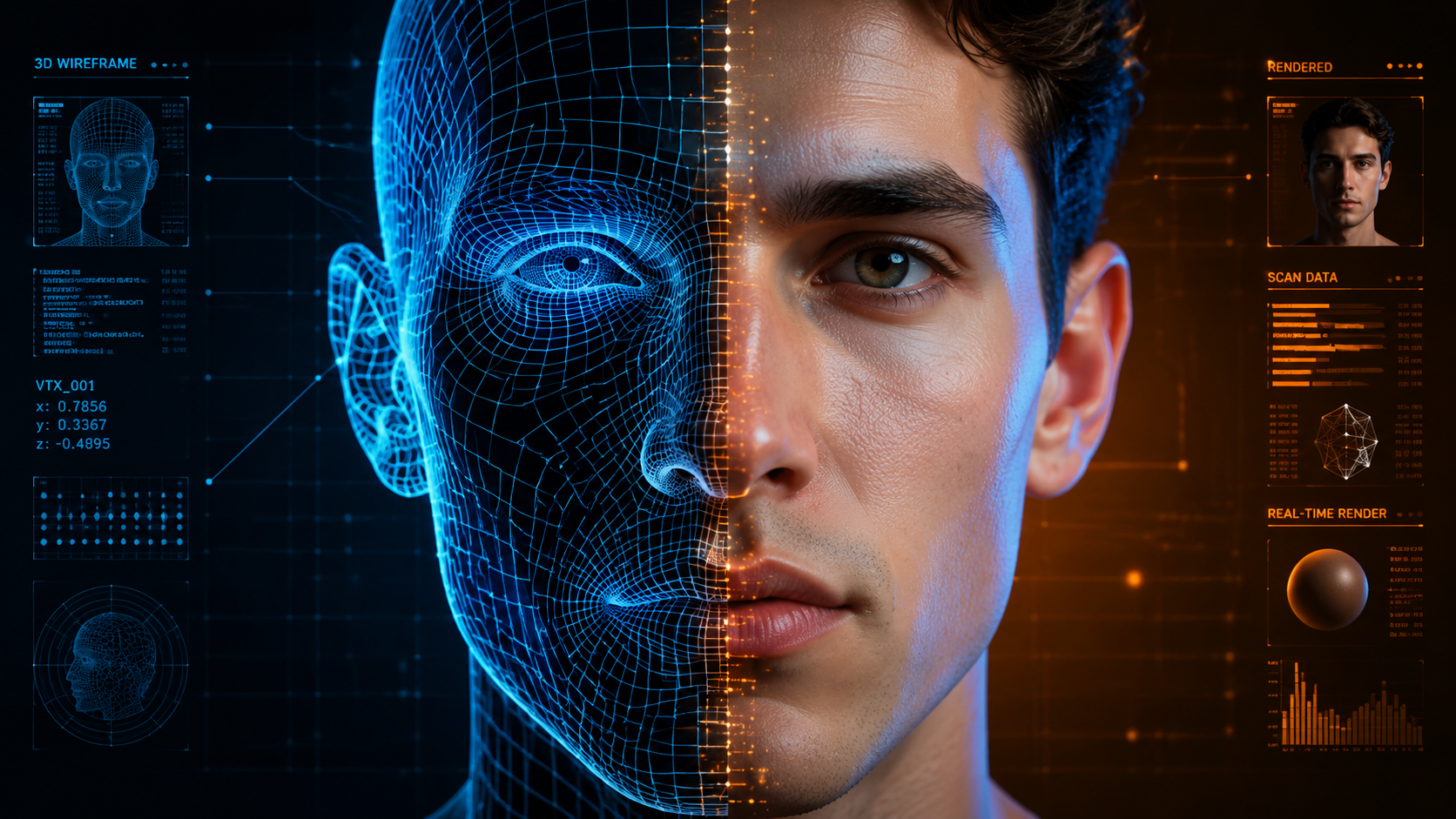
As of February 2026, the tool Seedance has become a focal point of discussion within the entertainment industry. According to a report by the BBC on February 13, 2026, Hollywood studios are now "taking aim" at this ultra-realistic AI video tool because its output is virtually indistinguishable from live-action footage. This tension highlights just how far the technology has come; we are no longer looking at stiff avatars, but at digital entities capable of complex performance art.
The "ultra-realistic" nature of these tools comes from their ability to simulate physics-based hair movement and realistic skin textures that react to virtual light sources. Futurism reported on February 14, 2026, that these new generators are "scaring Hollywood" due to their efficiency. A production that once took months of VFX work can now be rendered in a matter of hours, allowing independent creators to create realistic AI humans for video with a fraction of the budget previously required by major studios.
Advanced Text-to-Video Synthesis
The core of the 2026 realism surge lies in Diffusion Transformer (DiT) architectures. These models don't just "paste" a face onto a body; they generate the entire human form frame-by-frame based on a deep understanding of human anatomy. This prevents the "floating head" look that plagued earlier iterations of AI video. When you use these tools, the AI calculates the weight of the character, ensuring that every step and gesture feels grounded in reality.
Comparing the Top AI Human Generators of 2026
Choosing the right platform is essential for achieving high-quality results. The market is currently divided between "Avatar-centric" platforms for communication and "Cinematic-centric" platforms for storytelling. Below is a comparison of the leading technologies available as of mid-2026.
| Feature | HeyGen Avatar V | Seedance Pro | Open-Source DiT Models |
|---|---|---|---|
| Primary Use Case | Business & Social Media | Film & High-End Ads | Research & Custom Dev |
| Lip-Sync Accuracy | 99.2% (Industry Leading) | 95% (Dynamic) | Variable (80-90%) |
| Rendering Speed | Real-time / Near Real-time | High-latency (Cloud) | Hardware Dependent |
| Emotion Control | Preset Emotional Tones | Keyframe Morphing | Manual Prompting |
Solving the "Uncanny Valley" with HeyGen Avatar V
One of the biggest hurdles in the journey to create realistic AI humans for video has always been the "uncanny valley"—that slight sense of unease when a digital human looks almost, but not quite, real. According to Geeky Gadgets (April 29, 2026), the release of HeyGen Avatar V has finally solved the biggest problem with AI videos: the lack of micro-gestures. Previous versions lacked the "micro-ticks" of a human face, such as the slight twitch of an eyelid or the subtle swallowing motion in the throat.
Avatar V introduces a proprietary "Neural Fluidity" layer that simulates the subconscious movements of a human subject. This means that even when the AI human is not speaking, it is still "alive" on screen—blinking naturally and shifting its weight. For creators, this means the viewer's brain is no longer distracted by "robotic" stillness, allowing the message of the video to take center stage. This technology has become the gold standard for corporate training and personalized sales videos in 2026.
The Role of Audio-Visual Coherence
Realism isn't just about the visuals; it's about the synchronization between sound and sight. In 2026, AI humans now feature "Dental Rendering," which accurately simulates the appearance of teeth and tongue movement during speech. This prevents the "blurred mouth" effect. When you create realistic AI humans for video today, the AI analyzes the phonemes in your audio and generates the corresponding muscle movements in the jaw and cheeks, ensuring that the "plosives" (like P and B sounds) look physically accurate.
Ethical Considerations and the "Deepfake" Dilemma
With the ability to create hyper-realistic humans comes significant social responsibility. A study published in Communications Psychology (Nature, January 2, 2026) highlighted the "continued influence of AI-generated deepfake videos despite transparency warnings." The research suggests that even when viewers are told a video is AI-generated, the visual realism is so persuasive that it can still influence their perceptions and memory. This makes the ethical use of these tools paramount for creators.
Furthermore, the impact of this technology extends beyond adult audiences. The New York Times reported on February 26, 2026, that AI-generated videos are increasingly "distorting" children's YouTube feeds. These videos often feature AI humans or characters performing bizarre or nonsensical actions that can be confusing for younger viewers. As a creator, it is vital to use these tools to add value and education rather than cluttering digital spaces with low-quality or deceptive content.
The Environmental and Biological Impact
Interestingly, the realism of AI has even begun to affect our understanding of the natural world. ZME Science reported on February 17, 2026, that conservationists are sounding the alarm over hyper-realistic AI videos showing animals in "strange behavior" or staged attacks. These videos are so realistic that they cause real-world panic and spread misinformation about wildlife. This serves as a reminder that when we create realistic AI humans for video, we must ensure our content does not contribute to the "reality fatigue" that is becoming a hallmark of the mid-2020s.
Best Practices for 2026 Video Creators
To stay ahead of the curve, creators must focus on "Hybrid Production." This involves using AI humans for the majority of the "talking head" footage while interspersing real-world B-roll or hand-held camera shots to ground the video in reality. By mixing the two, you create a psychological "anchor" for the audience, making the AI portions feel even more authentic. Additionally, always pay attention to the "Eye-Light"—the reflection of light in the pupils—as this is often the final giveaway of a synthetic human.
Finally, always prioritize high-quality audio. A common mistake when people create realistic AI humans for video is using a low-bitrate AI voice. In 2026, the best results come from "Voice Cloning" with high-fidelity samples (48kHz or higher). When the voice has the warmth and breathiness of a real human, the brain is much more likely to accept the visual avatar as real. Use the "Breath Insertion" features now standard in most 2026 AI suites to add natural pauses and inhalations to your scripts.
How do I make my AI human look less robotic?
Use platforms that support "Micro-Gesture Injection" or "Neural Motion Smoothing." These features add subtle, non-verbal movements like blinking, head tilting, and eye-darting that mimic natural human behavior.
Is it legal to create an AI human of a real person?
In 2026, most jurisdictions require explicit written consent and digital rights licensing to recreate a real person's likeness. Always use "Stock Avatars" or "Generative Humans" to avoid legal complications unless you have the proper permits.
What is the best tool for cinematic AI humans in 2026?
Seedance is currently the industry leader for cinematic quality, as it offers superior lighting integration and physics-based rendering that has even caused concern among major Hollywood studios for its realism.
Do AI videos need a watermark?
Yes, under the 2026 AI Transparency Acts, most regions require a visible or metadata-embedded watermark to identify the content as synthetically generated to prevent the spread of misinformation.
Can I use AI humans for real-time video calls?
Yes, technologies like HeyGen Avatar V now support "Live-Stream Mode," allowing for low-latency interaction where the AI avatar responds to voice or text input in real-time with synchronized lip-movement.



Comments ()